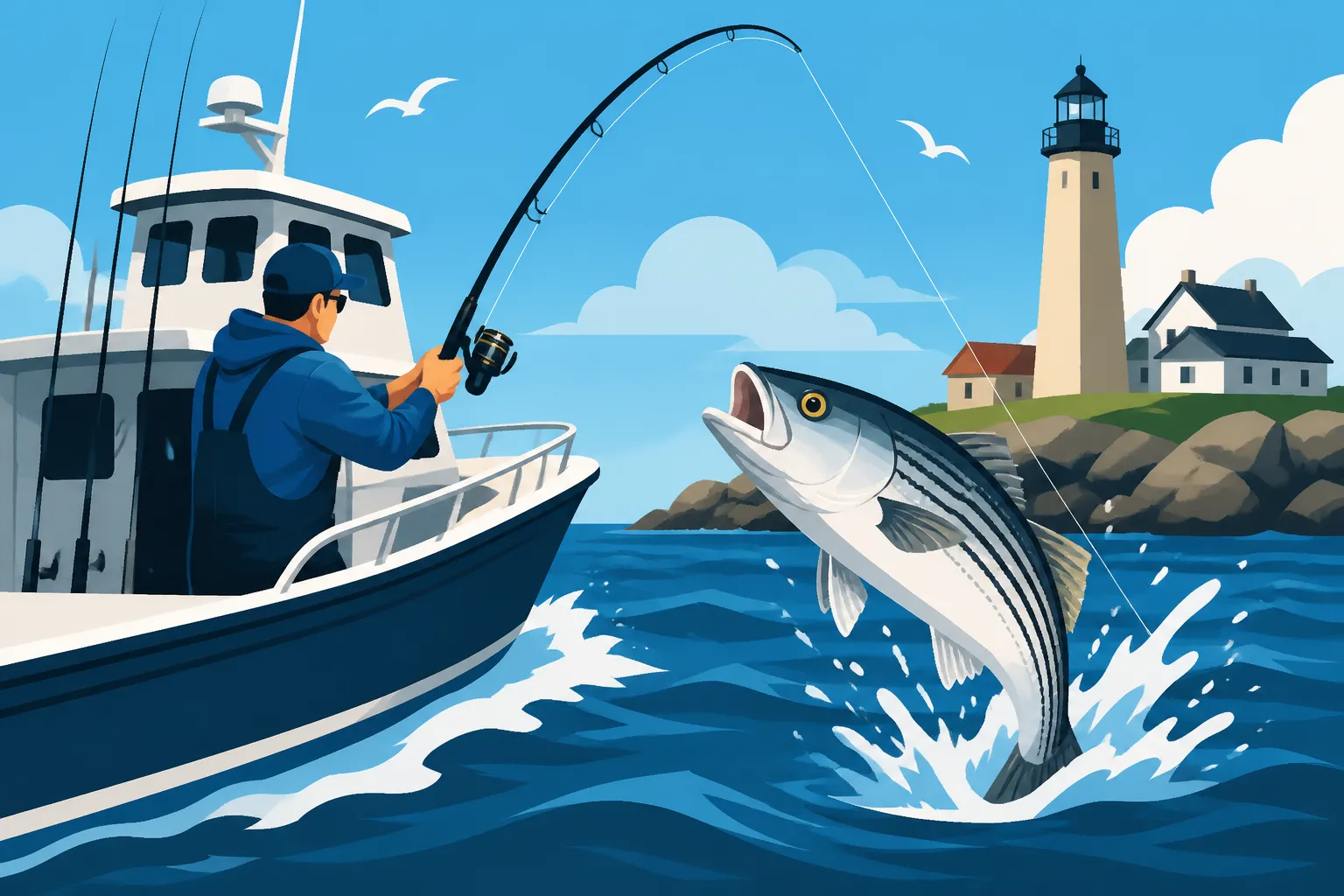
Head Boat Fishing Out of Plymouth, Massachusetts
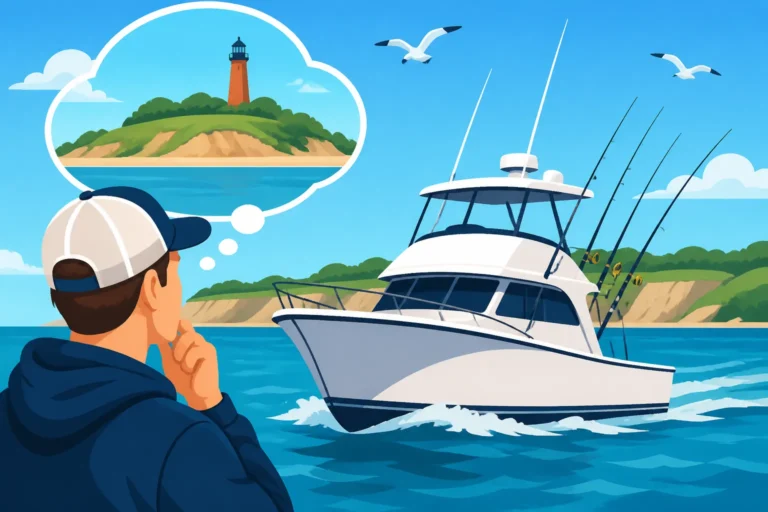
Many of us yearn for that exhilarating pull on the line, the salty air, and the sheer joy of a day spent fishing out on the ocean, but the thought of organizing a full private charter can often feel daunting and frankly, expensive. If you're looking for a fantastic, more communal, and generally more budget-friendly way to get offshore and experience the incredible fishing Massachusetts has to offer, especially from a storied harbor like Plymouth, then joining a head boat is an absolutely brilliant option. This comprehensive guide will navigate you through everything you need to know about head boat fishing adventures departing from Plymouth.
What Exactly is Head Boat Fishing?
Before we dive into the specifics of Plymouth, let's clear up some common questions about what a head boat (often called a party boat) actually is. It's a popular choice for anglers who love the deep-sea experience without the commitment or cost of a private vessel. Think of it as a shared ride to the best fishing grounds, offering a unique blend of community, affordability, and expert guidance.
Party Boat vs. Private Charter: Understanding the Key Differences
The world of ocean fishing offers a spectrum of experiences, with head boats and private charters sitting at opposite ends, each with its own charm and benefits. A private charter is essentially your own boat for the day, or half-day, complete with a captain and crew dedicated solely to your group. This means you have a say in where you go, what you fish for, and the overall pace of the trip. It's incredibly personalized, offering a luxurious and often highly targeted fishing experience, which naturally comes with a higher price tag. You're paying for exclusivity and tailor-made adventure.
A head boat, on the other hand, operates on a "per-head" basis – hence the name. You pay for your individual spot on a larger vessel that can accommodate many other anglers, sometimes dozens. This shared cost model dramatically reduces the price per person, making deep-sea fishing accessible to a much wider audience. While you don't get to dictate the fishing spots or target species, the captain and crew are seasoned professionals who know exactly where the fish are biting and what techniques work best. It's a fantastic way to enjoy the excitement of offshore fishing without the logistical and financial hurdles of a private booking. When considering your options, definitely check out our guide on Choosing Between a Charter and a Party Boat to help make your decision.
The Allure of a Head Boat: Why Anglers Love Them
There's a special kind of camaraderie that develops on a head boat. You're surrounded by fellow fishing enthusiasts, from seasoned veterans to excited first-timers, all sharing in the anticipation and the thrill of the catch. It’s an incredibly social experience where tips are exchanged, stories are shared, and new friendships often form over a shared cooler of refreshments. For many, this community aspect is a huge draw.
Beyond the social scene, the accessibility and affordability are major selling points. Head boats often provide all the necessary fishing gear, including rods, reels, and bait, which is a huge convenience, especially for beginners or those visiting from out of town who don't want to lug their own equipment. The crew is always on hand to offer assistance, whether it's baiting a hook, untangling a line, or helping you land a feisty fish. This makes it an excellent entry point for new anglers to learn the ropes of saltwater fishing without a big upfront investment. It's also a great way for experienced anglers to try a new area or technique without needing their own boat.
Why Choose Plymouth for Your Head Boat Adventure?
Plymouth, Massachusetts, isn't just famous for its historical significance; it's also a fantastic jumping-off point for some truly exceptional fishing, offering a unique blend of history, natural beauty, and productive fishing grounds. The harbor itself is bustling with activity, setting the perfect backdrop for a day out on the water.
Plymouth's Rich Fishing Grounds
Stepping onto a head boat in Plymouth means you're just a short steam away from some incredibly fertile fishing grounds. The waters off Plymouth offer a diverse range of marine environments, from rocky ledges and submerged structures to vast expanses of sandy bottom. This variety attracts a wide array of fish species throughout the Massachusetts Saltwater Fishing Seasons. Depending on the time of year and the captain's target, you could be dropping lines over wrecks that hold a treasure trove of bottom dwellers or drifting over flats where migratory species patrol.
Anglers often target popular bottom fish like scup (porgy), tautog, and black sea bass, which provide consistent action and are excellent table fare. These species tend to congregate around structure, making for exciting, fast-paced fishing. Deeper waters can yield cod and haddock, offering a chance at larger, harder-fighting fish. Sometimes, depending on the season, head boats will also venture into areas where bluefish or even striped bass are known to roam, adding another layer of excitement to the trip. The diverse habitat surrounding Plymouth ensures that there’s usually something biting, regardless of the season.
Accessibility and Amenities in Plymouth
One of the great advantages of choosing Plymouth for your head boat excursion is the sheer convenience and array of amenities available. The town is easily accessible by car, with ample parking usually available near the docks, though it's always wise to check with your specific head boat operator for parking recommendations, especially during peak season. You won't have to worry about navigating winding back roads or obscure boat launches.
Before and after your trip, Plymouth offers everything an angler could need. There are several well-stocked bait and tackle shops where you can grab any last-minute essentials, from extra hooks to a specific lure you've been wanting to try. Plus, the town boasts a fantastic selection of restaurants, from casual seafood shacks to more upscale dining, perfect for celebrating your day's catch or just enjoying a meal with fellow anglers. Imagine docking after a successful trip, then heading to a local eatery for a well-deserved lobster roll or a plate of fresh fried clams – it's all part of the Plymouth experience.
What to Expect on a Plymouth Head Boat Trip
So, you've decided to cast your line with a Plymouth head boat – excellent choice! Now, let's talk about what the actual day will look like, from the moment you step aboard to the fish you might bring home.
Typical Trip Lengths and Destinations
Head boats departing from Plymouth typically offer a few different options to cater to various schedules and preferences. You'll commonly find half-day trips, which are usually around 4-5 hours long. These are perfect for families with younger children, beginners, or anyone looking for a shorter, more focused fishing experience. Half-day trips generally concentrate on inshore waters, targeting common bottom fish like scup, sea bass, and sometimes tautog. The shorter travel time means more time with lines in the water.
For those looking for a more extensive adventure, full-day trips often run for 7-9 hours. These longer excursions allow the captain to venture further offshore, accessing deeper wrecks, ledges, and reefs where larger species like cod and haddock might be found. Full-day trips also provide more opportunity to follow fish movements, increasing your chances of a more diverse or substantial catch. It's a more immersive experience for the dedicated angler. Regardless of the length, the crew will have scouted the best locations based on recent reports, tides, and weather, ensuring you're put on the fish.
Common Catches and Fishing Techniques
The beauty of head boat fishing from Plymouth is the variety of fish you can encounter. As mentioned, bottom fishing is a staple technique. This involves dropping baited lines (often using squid, clam, or mackerel pieces) to the seafloor to target species like scup, black sea bass, and tautog. The crew will provide the necessary rigs and instruct you on how to best present your bait. This method often provides steady action, making it very engaging. To learn more about targeting specific species, check out our guides on Bottom Fishing for Tautog in Massachusetts or How to Catch Bluefish in Massachusetts.
When targeting cod and haddock, you might employ similar bottom-fishing tactics, sometimes with heavier jigs or bait rigs designed for deeper water. Fluke (summer flounder) are also a possibility during warmer months, often caught by drifting baits or bucktail jigs along sandy bottoms. The captain and crew are constantly monitoring conditions and will adjust techniques to maximize your chances, offering real-time advice and demonstrations. You don't need to be an expert; their guidance is invaluable.
Gear, Bait, and Licensing: What's Provided, What You Need
One of the most appealing aspects for many first-time head boat anglers is the convenience that most operators provide. Generally, your fare includes the use of a rod and reel, as well as all the necessary bait and tackle for the day's targeted species. This means you don't need to own expensive equipment or worry about buying the right bait – it's all handled for you. The crew will set you up, show you how to use the gear, and help you re-bait if needed. It's a truly hassle-free way to fish.
However, there's a crucial detail regarding licensing: your individual fishing license. While some charter boats operate under a blanket permit for their passengers, it's paramount to confirm with your chosen head boat operator beforehand. Generally, in Massachusetts, if you are recreationally fishing in saltwater, you will need a Massachusetts Saltwater Recreational Fishing Permit Explained. Even if the boat holds a federal permit, local state regulations might still require you to have your own. Don't assume – always verify! It's better to be safe and ensure you're in compliance. Having your own permit ensures you're covered, regardless of the boat's specific licensing situation.
Making the Most of Your Head Boat Experience
A day on a head boat can be an incredibly rewarding and memorable experience. With a little preparation and understanding of what to expect, you can maximize your enjoyment and chances of a successful trip.
Booking Your Trip: Tips for a Smooth Process
Booking your head boat adventure from Plymouth is usually straightforward, but a few tips can make the process even smoother. First, decide on your preferred trip length (half-day or full-day) and consider the time of year you plan to go, as different seasons offer different target species. Then, research local operators. Many head boat companies have websites with schedules, pricing, and contact information.
When you're ready to find the perfect head boat trip, platforms like FishingBooker can be incredibly helpful for comparing different operators, reading reviews from other anglers, and checking availability all in one place. It allows you to see a range of options departing from Plymouth and make an informed decision based on what previous customers have experienced. Don't hesitate to call the operator directly if you have specific questions, especially concerning what fish they've been catching recently or if the trip is suitable for young children. Booking in advance, especially for weekend trips during peak season, is always a good idea to secure your spot.
What to Bring for a Comfortable Day
Even though most gear and bait are provided, there are several items you'll want to pack to ensure a comfortable and enjoyable day on the water. Here’s a quick checklist, keeping in mind the variable New England weather:
| Item | Why It's Essential |
|---|---|
| Layers of Clothing | Ocean weather can change quickly. A waterproof jacket is a must. |
| Sun Protection | Hat, sunglasses, and high-SPF sunscreen are crucial, even on cloudy days. |
| Small Cooler | To keep your drinks/snacks cold and to bring home your filleted catch. |
| Snacks & Drinks | Fishing builds an appetite! Stay hydrated. |
| Motion Sickness Medication | If you're prone to seasickness, take it before you board. |
| Camera | To capture those memorable catches and ocean views. |
| Gloves | For handling fish, lines, or just staying warm. |
| Small Towel | Handy for wiping hands, drying gear, etc. |
| Cash for Tips | Crucial for showing appreciation to the hard-working crew (more on this below). |
For a more detailed list of essentials, you might find our guide What to Bring on a Massachusetts Fishing Charter helpful, as many of the items are applicable to head boat trips too. Remember, it's always better to be overprepared when heading out to sea.
Onboard Etiquette and Safety
Being mindful of your fellow anglers and the crew will greatly enhance everyone's experience. Space on a head boat can be limited, so be respectful of others' fishing areas and avoid casting over their lines. If you get tangled, calmly ask a crew member for help – they are masters at untangling! Listen carefully to the captain's and crew's instructions, especially regarding safety briefings or when they announce a shift in fishing technique.
Safety is paramount. Larger head boats are typically well-equipped with safety gear, including life jackets, but knowing their location is always good practice. If you feel unwell, inform a crew member immediately. Alcohol is often permitted on head boats, but moderation is key; loud or disruptive behavior is generally not tolerated. The crew works hard to ensure everyone has a safe and productive trip, so treating them with respect and following their guidance is essential. They're there to help you, and a little courtesy goes a long way!
Cost Considerations and Value
One of the primary reasons anglers opt for head boat fishing is the value it offers. You get an amazing day on the water, access to prime fishing spots, and expert assistance without breaking the bank. Understanding the pricing structure and customary practices, like tipping, will ensure you have a smooth and enjoyable experience from start to finish.
Understanding Head Boat Pricing
Head boat pricing is typically structured on a per-person basis, making it very straightforward. The cost will vary depending on the length of the trip (half-day vs. full-day), the specific operator, and the time of year. While I can't give exact figures, expect to pay a fraction of what a private charter would cost. This fee usually includes your spot on the boat, the use of a rod and reel, and all the necessary bait and tackle for the day.
Some operators might offer discounts for children or seniors, so it's always worth inquiring. Keep in mind that some services, like fish cleaning and filleting, might be an extra small charge, or they might be included as part of the crew's excellent service. Always clarify what is and isn't included when you book your trip. This transparency helps manage expectations and budget effectively, allowing you to focus on the fun of fishing without any surprises.
Tipping Your Crew: Acknowledging Hard Work
The crew on a head boat works incredibly hard, often from well before dawn until after dusk, to ensure you have a successful and safe trip. They handle everything from baiting hooks and untangling lines to helping net fish and even cleaning your catch at the end of the day. Their wages often rely significantly on tips.
It's customary to tip the crew at the end of your trip, and it's a direct way to show your appreciation for their efforts. A general guideline is to tip around 15-20% of your fare, similar to what you might tip for good service at a restaurant. If you had an exceptional experience, or if a particular crew member went above and beyond for you, consider tipping a bit more. Hand your tip directly to a crew member, or look for a designated tip jar as you disembark. For more insight into this important aspect, our article on Massachusetts Charter Boat Tipping Etiquette provides additional details that apply well to head boat excursions. A well-deserved tip ensures the crew feels valued and continues to provide excellent service to future anglers.
Head Boat vs. Private Charter Comparison
To help you visualize the differences and decide which fishing adventure suits you best, here's a quick comparison of head boat and private charter fishing experiences out of Plymouth:
| Feature | Head Boat (Party Boat) | Private Charter |
|---|---|---|
| Cost | Per person, generally more affordable. | Flat rate for the boat, higher overall cost. |
| Group Size | Large group of individual anglers (dozens). | Private group (typically 1-6 people). |
| Flexibility | Fixed schedule, target species, and fishing locations. | Flexible schedule, customized target species and spots. |
| Target Species | Captain chooses based on current conditions and season. | Chosen by your group in consultation with the captain. |
| Equipment | Rods, reels, bait, tackle usually provided. | Rods, reels, bait, tackle usually provided. |
| Experience | Communal, social atmosphere, great for beginners. | Exclusive, personalized attention, tailored for group. |
| Ideal For | Solo anglers, small groups, families, budget-conscious. | Special occasions, serious anglers, privacy, specific goals. |
Disclaimer
This article is for general informational purposes only and does not constitute professional advice. Laws, prices and regulations vary by location and change over time. Consult a qualified professional for guidance on your specific situation.