Booking a Fishing Charter on Cape Cod
There's nothing quite like the dream of reeling in a trophy fish off the coast of Massachusetts, but for many, the idea of organizing a fishing trip on Cape Cod can feel overwhelming. From figuring out what kind of fish are biting to navigating boat rentals and local regulations, it’s easy to get lost before you even cast a line. This comprehensive guide is here to untangle the complexities of booking a fishing charter on Cape Cod, helping you transform that dream into a memorable day on the water, without all the usual headaches.
Why Choose a Cape Cod Fishing Charter?
Let's face it, fishing can be a solo endeavor, but when you're tackling the expansive and often unpredictable waters around Cape Cod, having a professional at the helm makes all the difference. Booking a charter isn't just about renting a boat; it's about investing in an experience designed for success and enjoyment. It removes so much of the guesswork and logistical burden that can dampen a fishing trip.
Unmatched Local Expertise
One of the biggest advantages of a fishing charter is the invaluable local knowledge your captain brings to the table. These are folks who live and breathe Cape Cod fishing. They've spent countless hours on these waters, monitoring weather patterns, understanding tidal flows, and tracking fish movements. They know the secret rips, the hidden ledges, and the subtle signs that indicate where the fish are holding.
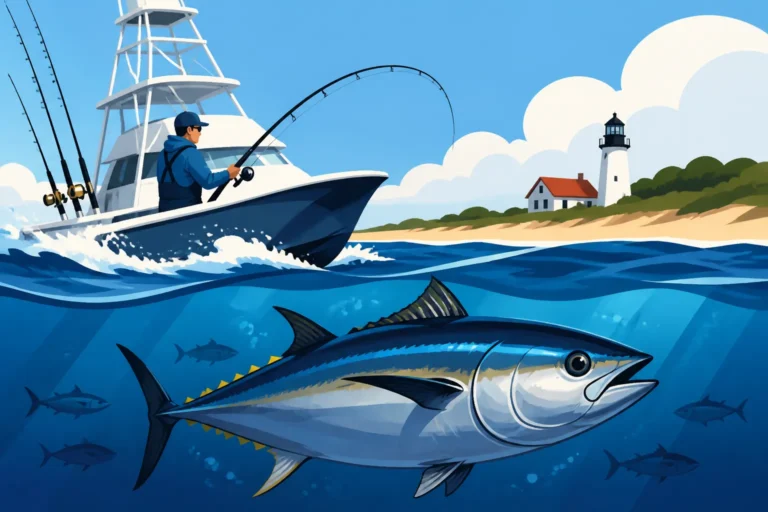
Imagine spending precious hours searching for fish, only to come up empty-handed. A charter captain, on the other hand, can often take you directly to the productive spots, saving you time and frustration. They know exactly when and where the Striped Bass Fishing in Massachusetts are biting, or when the bluefin tuna are showing up on the offshore banks. Their expertise is truly a cheat code for a successful day, transforming a hopeful outing into a targeted mission. It’s this intimate understanding of the ecosystem and seasonal patterns that often makes the difference between a good day and an unforgettable one.
Access to Prime Fishing Grounds
Many of the best fishing spots around Cape Cod are simply inaccessible from shore or with smaller, less capable boats. Think about the offshore ledges, the deep-water wrecks, or the expansive shoals where massive schools of baitfish, and the predators that follow them, gather. Charter boats are built and equipped to safely and efficiently reach these prime fishing grounds, often many miles from the nearest harbor.
Whether you're looking to drift fish for fluke in Nantucket Sound or venture out to Stellwagen Bank for cod and haddock, a charter provides the vessel and the navigation know-how to get you there. These boats are designed for comfort and safety in open water, allowing you to relax and focus on the fishing, rather than worrying about tides, currents, or how far you can push your own vessel. It opens up a whole new world of angling opportunities that land-based or small-boat anglers might never experience.
Gear, Bait, and Licensing Made Easy
For many anglers, especially those visiting Cape Cod or new to saltwater fishing, the cost and hassle of acquiring specialized gear can be a major deterrent. Quality saltwater rods, reels, tackle, and fresh bait aren't cheap, and knowing what to buy can be daunting. With a charter, all that guesswork and expense is taken care of.
Your charter captain will provide all the necessary fishing equipment, often top-of-the-line gear specifically matched to the target species. They'll also supply fresh, high-quality bait, which is crucial for success. Beyond the gear, there's the question of fishing licenses. While generally you won't need to worry about obtaining a general recreational saltwater permit when fishing on a licensed for-hire vessel, it’s always good to confirm specific requirements with your captain, especially for specialized trips or if you're venturing out on a vessel that isn't primarily a charter. This eliminates a huge barrier to entry, making the sport accessible to beginners and seasoned anglers alike, without the upfront investment. For more details on what permits might apply, you can check out Do Charter Passengers Need Their Own Saltwater Permit?.
Types of Charters and What to Expect
Cape Cod offers a diverse range of fishing charters, catering to every preference, skill level, and budget. Knowing the different options available will help you book the perfect trip for your group. It’s not a one-size-fits-all situation, and understanding the nuances can make your booking process much smoother.
Half-Day vs. Full-Day Trips
One of the first decisions you'll make is the duration of your trip. Half-day charters typically run for 4-5 hours, while full-day trips can last 8 hours or more. Each has its distinct advantages and is suited for different types of anglers.
Half-day trips are a fantastic option for families, beginners, or those who might be prone to seasickness. They're usually less expensive and provide enough time to get out to productive inshore spots for species like striped bass, bluefish, or fluke. You still get a great taste of Cape Cod fishing without committing to an entire day on the water. However, the limited time means less travel to distant grounds and less flexibility if the fish aren't biting right away. Full-day trips, on the other hand, offer more time to explore diverse fishing locations, pursue more challenging species, or wait out slower bite periods. They are ideal for serious anglers who want to maximize their chances of a big catch or target multiple species. The extended time allows for travel to offshore grounds, giving you access to species like tuna or shark. For a deeper dive into the distinctions, read Half-Day vs Full-Day Cape Cod Charters.
Here’s a quick comparison to help you decide:
| Feature | Half-Day Charter (4-5 hours) | Full-Day Charter (8+ hours) |
|---|---|---|
| Duration | Shorter, typically 4-5 hours | Longer, typically 8+ hours |
| Cost | Generally lower | Generally higher |
| Target Species | Inshore species: stripers, bluefish, fluke, scup | Inshore & offshore: tuna, shark, cod, haddock, multiple inshore |
| Travel Time | Minimal, focus on nearby grounds | Allows for significant travel to distant grounds |
| Ideal For | Families, beginners, those sensitive to seasickness, casual outings | Serious anglers, those targeting specific large species, maximized chances |
| Fatigue Level | Lower, less sun exposure and physical exertion | Higher, requires more stamina and sun protection |
Inshore vs. Offshore Adventures
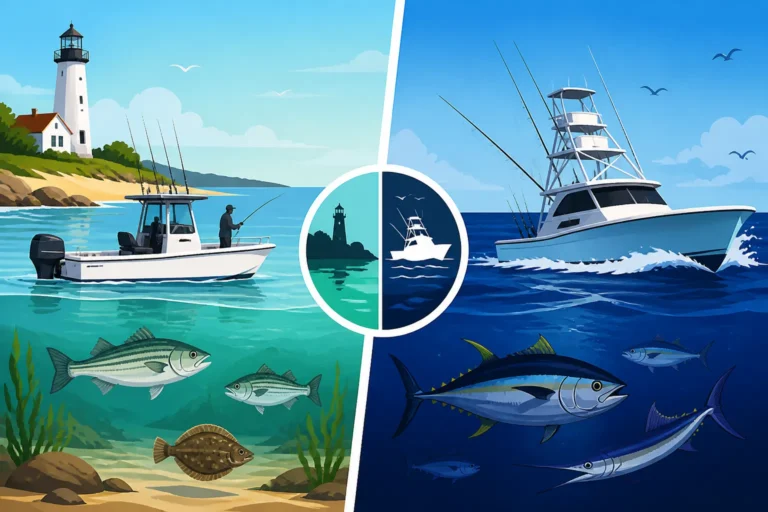
The type of adventure you seek – inshore or offshore – will heavily influence your charter choice. Inshore charters typically operate within a few miles of the coast, often within Cape Cod Bay, Nantucket Sound, or Buzzards Bay. These trips usually target species like striped bass, bluefish, tautog, fluke, and scup.
Inshore fishing is often more accessible, generally involves calmer waters, and is excellent for light tackle action. The scenery is beautiful, with views of the Cape's coastline. Offshore charters venture much further out to sea, sometimes 20 to 60 miles or more, to areas like Stellwagen Bank or the canyons beyond the continental shelf. These trips are for the serious angler seeking pelagic species like Massachusetts Bluefin Tuna Charters, yellowfin tuna, sharks, or groundfish such as cod and haddock. The waters can be rougher, and the trips are longer, but the potential for a truly monumental catch is significantly higher. Discussing your desired target species with a captain or booking agent is crucial to ensure you're matched with the right type of charter.
Specialty Charters: Target Your Dream Fish
Beyond the general inshore and offshore options, many captains specialize in specific types of fishing or target particular species. If you have a dream fish in mind, chances are there's a specialty charter for it. For example, if landing a massive tuna is your goal, you'll want to book a dedicated tuna charter. These boats are usually larger, faster, and equipped with heavy-duty gear designed for battling giants.
Similarly, some charters focus exclusively on Massachusetts Striped Bass Charters, using specific techniques like live-lining eels at night or jigging deep rips. Others might offer shark fishing excursions, bottom fishing trips for tautog and black sea bass, or even fly-fishing specific flats for stripers. When looking at platforms like FishingBooker, you can often filter by target species, which is incredibly helpful. Clearly communicating your fishing goals when booking will ensure you find a captain whose expertise aligns with your ambition.
Understanding Charter Costs and Inclusions
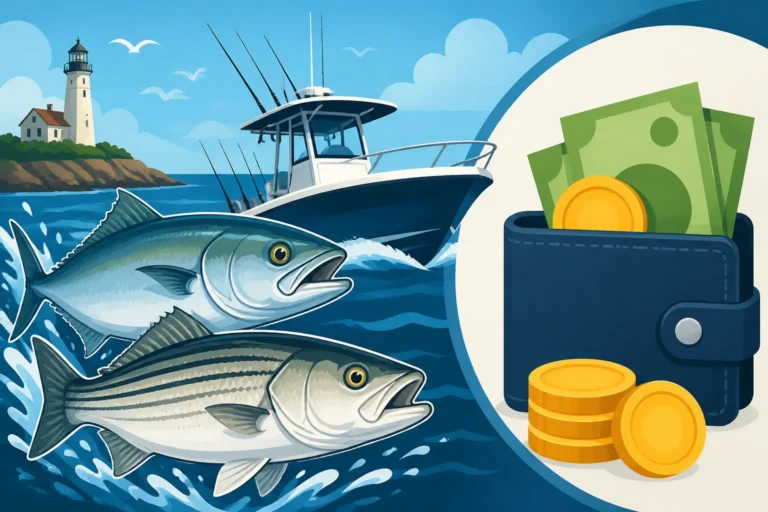
One of the most common questions people have when considering a charter is, "How much does it cost?" The answer, like many things in fishing, is "it depends." Charter prices on Cape Cod can vary quite a bit, but understanding what influences these costs and what's included will help you set realistic expectations and budget accordingly.
Factors Influencing Price
Several key factors play into the final price of a Cape Cod fishing charter. The duration of the trip is primary; a full-day offshore tuna trip will naturally cost more than a half-day inshore striper trip. The size and type of boat also matter. Larger, faster boats equipped with advanced electronics and safety gear tend to command higher rates.
The target species is another significant factor. Trips for highly migratory, hard-fighting fish like bluefin tuna or sharks often require more specialized gear, more fuel to reach distant grounds, and more experienced crews, which all contribute to a higher price tag. The number of anglers in your group also influences the cost, as many charters have a flat rate up to a certain number of passengers, with an additional fee for extra people. Fuel prices, the time of year (peak season vs. shoulder season), and even the captain's reputation can also play a role. For a detailed look at pricing structures, check out Cape Cod Charter Fishing Prices by Trip Length in Massachusetts.
What's Typically Included (and What's Not)
Generally, the vast majority of Cape Cod fishing charters include the essential fishing equipment: rods, reels, and tackle. They also provide fresh bait, which is a huge convenience. Most captains will also have coolers with ice on board for your catch, and they’ll clean and fillet your fish for you at the end of the trip. Safety equipment like life jackets is always included and readily available.
However, there are things you should NOT expect to be included. Food and beverages are almost always your responsibility, so pack a cooler with snacks, drinks, and lunch. Sunscreen, hats, sunglasses, and appropriate clothing layers are also crucial personal items. While the general recreational saltwater permit is usually covered by the vessel's license, if you're venturing into highly specialized areas or participating in certain tournaments, there might be additional, specific licenses you'd need, though this is rare. Always confirm with your captain or booking agent if you have any doubts. What to Bring on a Massachusetts Fishing Charter provides an excellent checklist.
Tipping Etiquette for Your Crew
Just like in other service industries, tipping your fishing charter captain and crew is customary and highly encouraged. These professionals work incredibly hard, often starting long before you arrive to prepare the boat and ending long after you leave, cleaning up and maintaining equipment. They are responsible for your safety, your comfort, and your fishing success, and a significant portion of their income comes from tips.
A standard tip for a fishing charter on Cape Cod typically ranges from 15% to 20% of the total trip cost. If the crew went above and beyond, were particularly helpful, or put you on some truly amazing fish, consider tipping at the higher end of that scale or even more. Always try to tip in cash if possible, as it makes it easier for the crew to split. It's a simple gesture that shows your appreciation for their hard work and dedication. If you're unsure, ask the captain discreetly at the end of the trip. To learn more about this, check out Is Tipping Expected on a Massachusetts Fishing Charter?.
How to Choose the Right Charter for You
With so many excellent fishing charters operating out of Cape Cod, choosing the right one can feel like a daunting task. However, a little research and knowing what to look for can significantly narrow down your options and ensure you book a trip that perfectly matches your expectations.
Researching Captains and Boats
The captain is arguably the most important element of your charter experience. Look for captains with extensive experience in the specific type of fishing you're interested in, whether it's deep-sea trolling for Massachusetts Bluefin Tuna Charters or light-tackle casting for stripers in the bay. A seasoned captain will have a deep understanding of the local waters, fish behavior, and effective techniques.
Beyond experience, consider their communication style. A good captain will be enthusiastic, patient, and willing to teach. The boat itself is also important. Is it well-maintained, clean, and appropriately sized for your group and the type of fishing? Check for safety equipment and amenities. A charter on FishingBooker, for instance, often includes detailed profiles of captains and their vessels, complete with photos, allowing you to get a good sense of who you'll be fishing with and what kind of boat you’ll be on. Don't hesitate to call potential captains directly to ask questions and get a feel for their personality and approach.
Reading Reviews and Testimonials
In today's digital age, reviews are your best friend when selecting a fishing charter. Online platforms like FishingBooker, Google, and social media sites are full of testimonials from previous clients. Pay close attention to both the positive and negative feedback. Look for patterns in reviews – do people consistently praise the captain's knowledge, the boat's cleanliness, or the crew's helpfulness?
Conversely, be wary of charters with numerous complaints about professionalism, safety, or a lack of fish (though even the best captains can't guarantee a catch every single time, their effort and attitude still shine through). Look for reviews that specifically mention the type of fishing you want to do and the species you're hoping to catch. Detailed accounts provide invaluable insight into what you can expect from your own trip.
Booking Your Trip
Once you've identified a few potential charters, it's time to book! Peak fishing seasons on Cape Cod, especially for popular species like striped bass and tuna, fill up incredibly fast. It's not uncommon for the best captains to be fully booked months in advance, particularly for weekend dates in July and August. So, if you have specific dates in mind, plan to book as early as possible.
Many charters require a deposit to secure your booking, with the balance due on the day of the trip. Reputable booking platforms, like FishingBooker, provide a streamlined booking process, showing real-time availability and handling secure payments. Always confirm the exact meeting location, departure time, and what you need to bring. Don't forget to inquire about their cancellation policy, especially regarding weather, as conditions can change rapidly on the Cape. Knowing the policy beforehand can save a lot of stress if the weather turns sour, and you can find general guidelines in What happens if a charter is canceled for weather.
Essential Preparation for Your Cape Cod Charter
Getting ready for your Cape Cod fishing charter involves more than just showing up at the dock. A little preparation can go a long way in ensuring your comfort, safety, and overall enjoyment on the water. Thinking ahead helps you focus on the fun part: fishing!
What to Bring Aboard
Packing smart for your charter is crucial. Even on a warm summer day, conditions offshore can be significantly cooler and windier than on land, so layering your clothing is key. Bring a light jacket or sweatshirt, even if you don't think you'll need it. Sun protection is non-negotiable: a wide-brimmed hat, sunglasses, and plenty of high-SPF sunscreen will protect you from the intense glare off the water.
Don't forget your food and drinks! Pack plenty of water, snacks, and any meals you might want. Many charters have coolers, but it's often a good idea to bring your own small cooler for your personal items and to bring your catch home. Consider non-slip shoes for safety on a wet deck, and if you plan to keep fish, an extra bag or cooler for your fillets. Leave valuables and anything you wouldn't want to get wet or lost at home. This detailed advice is expanded upon in What to Bring on a Massachusetts Fishing Charter.
Battling Seasickness
Seasickness can turn a dream fishing trip into a miserable ordeal faster than anything else. If you're prone to motion sickness, or even if you're unsure, it's always best to take preventative measures. Over-the-counter medications like Dramamine or Bonine can be very effective, but remember to take them before you board the boat, usually an hour or so in advance, as they work best preventatively.
Some people find relief with motion sickness patches (like Scopalamine, which requires a prescription), acupressure wristbands, or ginger chews. Once on the boat, try to stay on deck in the fresh air, focus on the horizon, and avoid reading or looking down for extended periods. Staying hydrated and avoiding greasy foods or excessive alcohol the night before can also help. A charter captain will do their best to keep the ride smooth, but Mother Nature always has the final say.
Understanding Cancellation Policies
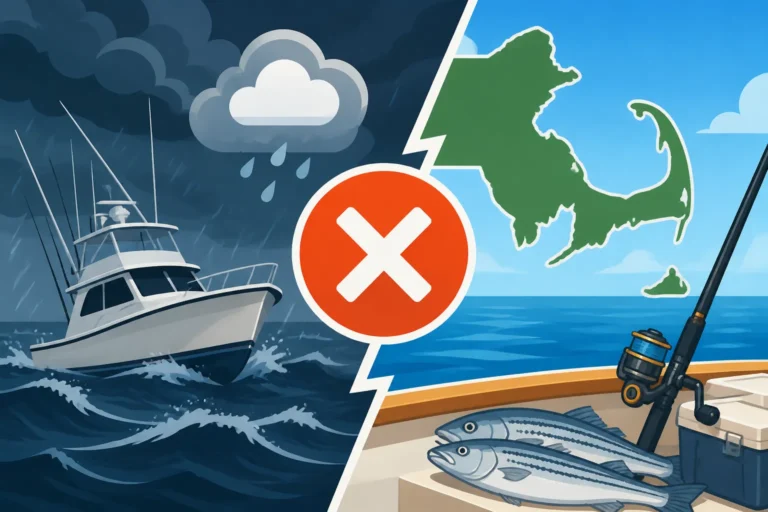
Before you finalize your booking, make sure you thoroughly understand the charter's cancellation policy. Weather is the most common reason for a charter cancellation, especially on the open ocean. Reputable captains will prioritize safety above all else and will cancel a trip if conditions are deemed unsafe due to high winds, heavy seas, or severe storms.
Typically, if the captain cancels due to weather or mechanical issues, you'll be offered the option to reschedule or receive a full refund. However, if you cancel, the policy might be different. Many charters have a minimum notice period (e.g., 72 hours or a week) required to receive a full refund of your deposit. If you cancel within that window or fail to show up, you might forfeit your deposit. It's important to be clear on these terms to avoid any unexpected charges or disappointments. Detailed questions about this can be answered by reviewing What happens if a charter is canceled for weather.
Popular Fishing Hotspots Accessible by Charter
Cape Cod is surrounded by an incredible diversity of marine environments, each offering unique fishing opportunities. Charter boats provide the means to explore these varied hotspots, significantly expanding your chances of a memorable catch. Understanding these areas will help you pinpoint the kind of trip you want. To get a broader view of where to cast your line, check out Best Saltwater Fishing Spots on Cape Cod, Massachusetts.
Cape Cod Bay and Stellwagen Bank
Cape Cod Bay, nestled between the arm of the Cape and the mainland, offers a relatively sheltered yet highly productive fishing ground. It's a prime area for striped bass and bluefish, particularly during their spring and fall migrations. The bay's varied bottom structure, from sandy flats to rocky ledges, provides excellent habitat for baitfish, which in turn attract predators. Charters here often troll, drift, or cast for these popular inshore species.
Just beyond the mouth of Cape Cod Bay, roughly six miles offshore, lies Stellwagen Bank, a vast underwater plateau and a federally protected marine sanctuary. This area is a nutrient-rich feeding ground that attracts an incredible array of marine life. For charter anglers, Stellwagen Bank is a renowned destination for groundfish like cod and haddock, as well as a hotspot for Bluefin Tuna Fishing Techniques Near Cape Cod and other pelagic species during the warmer months. Whale watching is also popular here, so don't be surprised if you share the waters with some magnificent marine mammals!
Nantucket Sound and Vineyard Sound
To the south of Cape Cod lie Nantucket Sound and Vineyard Sound, two more highly productive and diverse fishing areas. These sounds are generally shallower and warmer than the open ocean, making them excellent habitats for summer flounder (fluke), scup (porgy), and black sea bass. The numerous rips, shoals, and islands within these sounds create ideal current breaks and feeding lanes for striped bass and bluefish.
Charters operating out of ports on the south side of the Cape, such as Falmouth, Hyannis, or Harwich, frequently target these sounds. Anglers often employ drift fishing techniques for fluke or bottom fishing rigs for scup and sea bass. The relatively calmer waters and diverse species make these sounds perfect for family-friendly charters or those looking for consistent action with a variety of fish. It's a great place to fish during the Best Time of Year to Fish in Massachusetts for these specific species.
Outer Cape and Nearshore Reefs
The waters off the Outer Cape, from Chatham up to Provincetown, offer a more exposed and wild fishing experience. Here, the raw power of the Atlantic meets the land, creating dramatic rips and productive feeding areas, especially for How to Catch Striped Bass in Massachusetts as they move along the coastline. Surfcasting is legendary here, but charters unlock deeper waters and offshore structures.
Beyond the immediate shoreline, numerous nearshore reefs and rocky bottom areas hold populations of cod, haddock, and other groundfish. Depending on the season and regulations, charters might focus on these areas for bottom fishing. Further offshore from the Outer Cape, the waters deepen quickly, becoming prime territory for larger pelagic species like bluefin tuna, especially as they chase baitfish schools along the continental shelf. The dynamic nature of these waters means captains here are constantly adapting their strategies to find the best bite.
Disclaimer
This article is for general informational purposes only and does not constitute professional advice. Laws, prices and regulations vary by location and change over time. Consult a qualified professional for guidance on your specific situation.