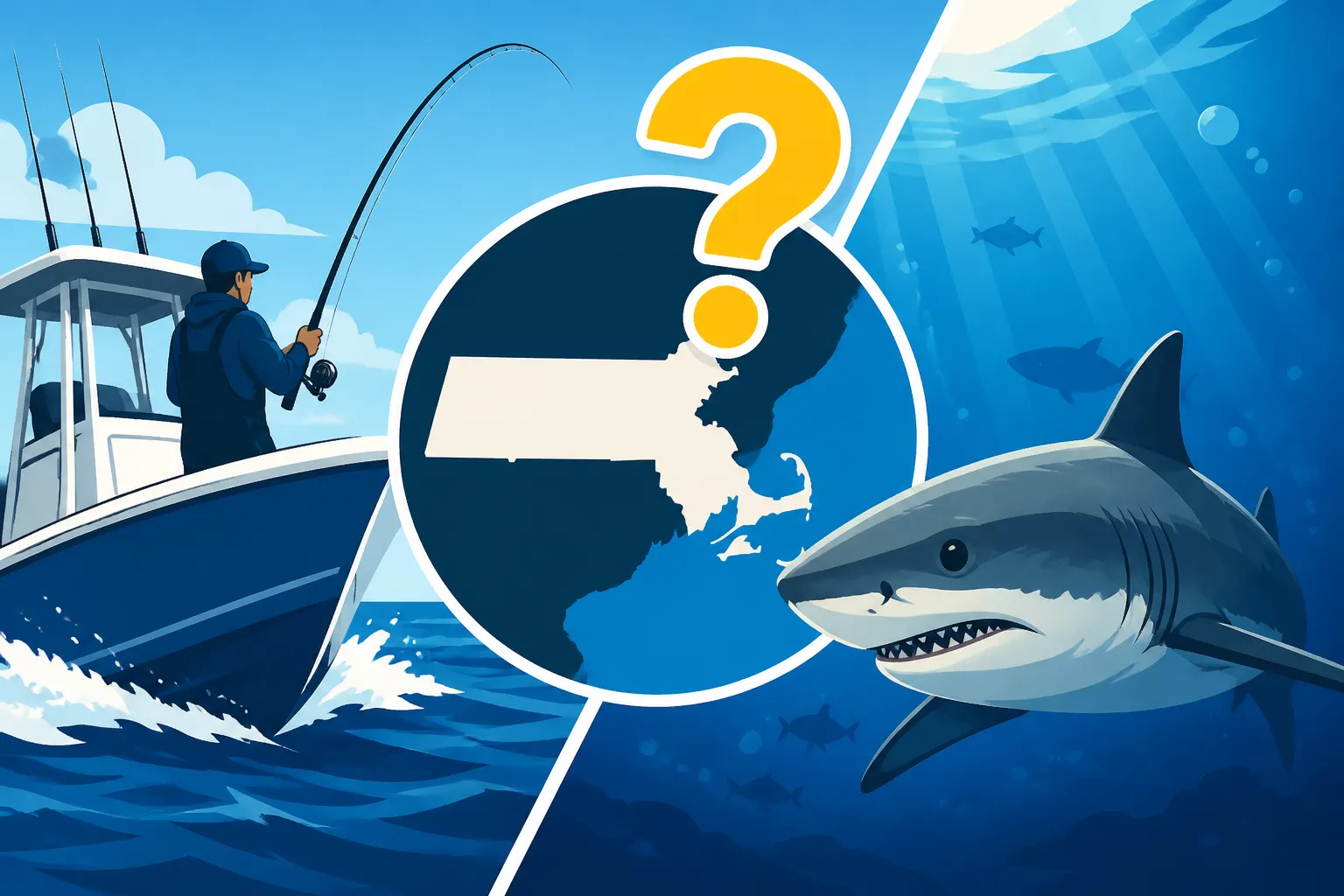
Are Shark Charters Common Off Massachusetts?
For many anglers, the thought of grappling with a powerful shark off the coast of Massachusetts conjures images of epic battles and adrenaline-pumping moments. It's a natural leap for those who've reeled in their share of striped bass or even ventured out for tuna, wondering what the ultimate offshore challenge might be. This guide will navigate the exciting, specialized, and sometimes misunderstood world of shark charters in Massachusetts, outlining whether these trips are common, what to expect, and how to find an ethical, exhilarating experience.
The Reality of Shark Charters in Massachusetts
When you envision "shark fishing," it might bring to mind dramatic scenes from movies, but the reality off the Massachusetts coast is a highly specialized and regulated pursuit. While not as universally available as striped bass or bluefish charters, shark charters are indeed a significant, albeit niche, part of our vibrant offshore fishing scene. They cater to serious anglers seeking a unique challenge and the thrill of encountering apex predators.
Where and When Shark Charters Operate
Massachusetts' extensive coastline, particularly around Cape Cod, Nantucket, and Martha's Vineyard, provides prime habitat for various shark species, especially in the warmer months. These are not inshore excursions; you'll be heading miles offshore, often into deeper waters where pelagic sharks roam. Think beyond the immediate sight of land, out to the continental shelf edge, or to specific deep-water canyons and banks that act as feeding grounds.
The prime window for shark charters typically runs from late spring through early fall, roughly May to October. This timing coincides with the migration of baitfish and warmer water temperatures, which draw these powerful predators closer to our shores. During July and August, when water temperatures peak, you'll find the most consistent action. Best Time of Year to Fish in Massachusetts can often influence when specific species are present. A seasoned captain knows exactly where to find the thermoclines and current breaks that sharks frequent, often requiring a significant steam out to the fishing grounds.
The departure points for these trips are usually strategic, chosen for their proximity to the open ocean. Harbors from Provincetown, Chatham, Harwich, Hyannis, and Falmouth on Cape Cod are common, as are ports further north like Gloucester or even out of Boston for the truly long-range trips. The sheer distances involved mean that these are almost exclusively full-day trips, sometimes even stretching into overnight expeditions for the most dedicated anglers.
Targeted Shark Species and Conservation
Massachusetts waters are home to a diverse array of shark species, but not all are fair game for recreational anglers, and even fewer are commonly targeted by charters for retention. The primary targets for sport fishing are typically blue sharks, mako sharks, and thresher sharks. Blue sharks are perhaps the most common, known for their striking cobalt color and energetic fights, but they are almost always released due to their protected status and taste quality. Mako sharks, especially the shortfin mako, are highly prized for their incredible speed, acrobatic leaps, and exceptional table fare, making them a top choice for anglers hoping to keep a fish (within strict regulations). Thresher sharks, identifiable by their incredibly long tails, offer a unique challenge and are also valued for their meat.
Conservation is paramount in shark fishing, and reputable charters operate with a strong ethical compass. Many trips are focused on catch-and-release, especially for blue sharks or undersized makos and threshers. Captains are highly knowledgeable about federal and state regulations, which are designed to protect shark populations. This includes strict size limits, bag limits, and often a requirement for a highly migratory species (HMS) permit, which the boat usually carries, but individual anglers should always confirm their responsibilities. Understanding Massachusetts Recreational Fishing Rules and Bag Limits is crucial for any offshore adventure.
Beyond the well-known species, you might encounter other sharks, like porbeagles, which are highly regulated and rarely targeted for retention, or even the occasional hammerhead or oceanic whitetip further offshore. Charter captains are excellent resources for identifying different species and understanding their individual conservation status. They prioritize the health of the fishery, often employing specialized gear and techniques to ensure a healthy release if the fish isn't destined for the cooler.
Why Shark Fishing Isn't as "Common" as Other Charters
While available, shark charters aren't as prevalent as, say, a striped bass trip inside Boston Harbor or a bluefin tuna trip off Stellwagen Bank. There are several reasons for this. First, the specialized nature of the gear required is significant. Shark tackle involves heavy-duty rods, massive reels, thick lines, wire leaders, and large hooks – equipment that's robust enough to handle a fish weighing hundreds of pounds and exerting immense force. This gear is expensive to maintain and transport.
Second, the trips are typically much longer and, consequently, more expensive. Shark fishing often involves hours of "chumming" – deploying a slick of ground bait and oils to attract sharks to the boat – which requires patience and fuel. It's not a quick four-hour inshore trip. This longer duration and specialized operation naturally limit the number of available charters and increase the cost, making it less accessible for a casual angler looking for a short outing. You can compare this to Massachusetts Striped Bass Charter Cost or Massachusetts Bluefin Tuna Charter Cost to see the differences.
Finally, the target audience is smaller. Not everyone is up for the physical demands, the long hours offshore, or the sheer intensity of fighting a large shark. It requires a certain level of dedication and experience. While beginners are welcome on most charters, the captain will often clarify the nature of the trip to manage expectations. It's a true big-game angling experience, distinct from much of the inshore or even nearshore offshore fishing.
What to Expect on a Massachusetts Shark Charter
Embarking on a shark charter is an adventure, often representing the pinnacle of big-game fishing for many anglers. It's a day that combines patience, skill, and raw power, all under the guidance of an experienced captain and crew. Knowing what to expect can help you prepare for an unforgettable experience.
Trip Duration, Costs, and Inclusions
As mentioned, shark charters are generally full-day affairs, typically running 8 to 12 hours. This extended duration is necessary to reach offshore grounds, deploy chum slicks, and give sharks time to find the bait. Sometimes, depending on the captain and target species, trips can even extend beyond 12 hours, venturing into canyon fishing. The longer the trip, the more fuel, bait, and crew time are involved, which directly impacts the cost.
Speaking of costs, expect shark charters to be on the higher end of the spectrum compared to most inshore or even some mid-range offshore trips. You're paying for specialized knowledge, heavy-duty gear, extended fuel consumption, and the expertise required to safely handle large, powerful fish. While specific prices fluctuate wildly based on boat size, trip duration, and time of year, it's an investment in a high-adrenaline experience. When you're looking for Massachusetts Fishing Charter Costs, remember that shark trips are a premium offering.
Most reputable charters are all-inclusive regarding fishing gear: rods, reels, bait, tackle, and ice for your catch. They'll also typically have the necessary federal Highly Migratory Species (HMS) permit. However, always confirm exactly what's included when booking. You'll likely need to bring your own food, drinks, and personal comfort items. The captain and crew will handle setting up the baits, maintaining the chum slick, and gaffing/landing the fish safely.
The Thrill and Challenge of the Catch
There's nothing quite like the sound of a reel screaming as a shark picks up the bait. The initial run of a mako or thresher is explosive, often emptying hundreds of yards of line from the reel in seconds. This is where the challenge begins. Fighting a large shark is a full-body workout. You'll be strapped into a fighting harness, leaning into a heavy-duty rod, and reeling with all your might against a fish that could easily weigh more than you do.
The captain and crew are integral to this process, maneuvering the boat to help you gain line, coaching you through the fight, and ensuring everyone's safety. Depending on the species and size, a fight can last anywhere from 30 minutes to several hours. It's a test of endurance and willpower, pushing your physical limits. Many anglers describe the experience as a true "man vs. beast" encounter. For detailed advice on what to pack for such an intense trip, refer to What to Bring on a Massachusetts Fishing Charter.
Once the shark is alongside the boat, the crew's expertise is paramount. Whether it's a catch-and-release situation or a fish being retained, proper handling is crucial for both the fish's welfare and the safety of everyone on board. Specialized tools like flying gaffs, tail ropes, and de-hooking tools are used with precision and care.
Safety Protocols and Responsible Angling
Safety on a shark charter is non-negotiable. These are big, powerful animals with sharp teeth, and the offshore environment can be unpredictable. Reputable charter captains prioritize safety above all else. Their boats are equipped with all necessary safety gear, including life rafts, EPIRBs, VHF radios, and first-aid kits. The crew is trained in safety procedures and handling large marine life.
Before leaving the dock, the captain will typically provide a comprehensive safety briefing, covering everything from how to use the fighting chair and harness to what to do in an emergency. Listen carefully to their instructions, as their experience is your greatest asset. They'll guide you on how to properly handle the rod, how to brace yourself during a run, and how to stay clear of a thrashing shark at the boat.
Responsible angling goes hand-in-hand with safety. This means adhering strictly to all fishing regulations, especially size and bag limits for sharks. It also means using appropriate tackle to minimize stress on the fish during the fight, and employing proper techniques for catch and release to maximize the shark's survival rate. Ethical captains are passionate about conservation and educate their clients on these practices, ensuring that future generations can also experience the thrill of Massachusetts Deep Sea Fishing Charters.
Booking Your Shark Adventure: Finding the Right Charter
Deciding to go on a shark charter is an exciting step, but finding the right captain and boat can make all the difference between a good trip and a truly epic one. It’s an investment, so you want to ensure you’re putting your money and trust in capable hands.
Choosing a Reputable Charter Operator
When it comes to shark fishing, experience matters, perhaps more than in any other type of charter. You need a captain with an intimate knowledge of offshore waters, shark migration patterns, and the specific techniques required to entice and land these powerful predators. Look for captains who specialize in offshore big-game fishing or who specifically advertise shark trips. Their expertise isn't just about finding fish; it's about the safety of everyone on board and the ethical handling of the catch.
A reputable captain will also have a well-maintained vessel equipped with state-of-the-art electronics (fish finders, radar, GPS), safety gear, and, crucially, specialized heavy-duty shark tackle. Don't be shy about asking about their experience, their safety record, and what kind of gear they use. Reviews and testimonials from past clients can be incredibly insightful. Word-of-mouth recommendations from local tackle shops or fellow anglers are also invaluable, as they often point to captains who consistently deliver memorable and safe trips. You want someone who not only knows how to catch sharks but also cares deeply about the marine environment and follows best practices.
It’s also wise to inquire about their crew. On a shark charter, the crew is your support team during intense fights and critical moments at the boat. An experienced, attentive, and safety-conscious crew can significantly enhance your experience and ensure everything runs smoothly, from rigging baits to assisting with a strenuous battle.
Using Online Platforms and Local Recommendations
In today's digital age, online booking platforms are incredibly popular and useful for finding fishing charters, and shark trips are no exception. Websites like FishingBooker allow you to browse numerous charters, compare prices, read reviews, and often book directly. They typically provide detailed information about the boat, the captain's experience, target species, and what's included in the trip. Using such platforms can save you a lot of time and provide a convenient way to survey the available options across different ports in Massachusetts. When searching, you might find operators specifically offering Massachusetts Offshore Shark Fishing Charters.
However, don't underestimate the power of local recommendations. Visiting tackle shops in coastal towns like Falmouth, Plymouth, or Rockport can often yield insights into which captains are currently "on the bite" or are particularly well-regarded for shark fishing. The folks behind the counter often have their finger on the pulse of the local fishing scene and can offer genuine, firsthand advice. They might even have business cards for specific captains who don't rely heavily on online listings but are legends in their local waters.
When you've narrowed down your choices, call the captain directly. A brief conversation can tell you a lot about their personality, their approach to fishing, and their willingness to answer your questions. This personal connection is key to ensuring you'll have a good rapport with the person leading your adventure.
Preparing for Your Offshore Excursion
Once your shark charter is booked, preparation is key. Given the typically long hours offshore and the physical demands of fighting large fish, you'll want to be ready. Dress in layers, as temperatures can change dramatically throughout the day, especially far offshore. Sunscreen, a wide-brimmed hat, and polarized sunglasses are absolute essentials to protect against the relentless sun. Non-slip shoes are also a must for safety on a wet deck.
Seasickness can be a real issue on extended offshore trips. If you're prone to it, consider taking preventative measures like motion sickness medication (e.g., Dramamine, Bonine) the night before and again an hour before departure. Staying hydrated and avoiding heavy, greasy foods prior to and during the trip can also help. Many captains will suggest What to take for seasickness before a charter to ensure you have a comfortable trip.
Finally, bring plenty of water and snacks, and maybe a sandwich or two. While some charters might provide light refreshments, it's always best to be self-sufficient. Don't forget your camera (waterproof if possible!) to capture those incredible moments, and a cooler to take home any legal, retained catch. Just remember to check if the charter provides cooler space or if you need to bring your own for transport. Can You Keep the Fish You Catch on a Charter? is a common question, and yes, if it's legal and you want it, most captains will ensure it's properly handled for your ride home.
Beyond the Charter: Massachusetts Shark Regulations
While the thrill of the catch is undeniable, understanding and respecting the strict regulations surrounding shark fishing in Massachusetts is paramount. These rules are in place to ensure the sustainability of shark populations and the safety of both anglers and the fish.
Federal and State Rules for Shark Fishing
Shark fishing in federal waters (generally beyond three miles from shore) off Massachusetts is primarily governed by federal Highly Migratory Species (HMS) regulations, administered by the National Oceanic and Atmospheric Administration (NOAA) Fisheries. These regulations are extensive and cover everything from permit requirements to size limits, bag limits, and gear restrictions. Vessels engaging in recreational shark fishing must possess an HMS Angling permit or an HMS Charter/Headboat permit. Reputable charters will always have the appropriate permits, but it never hurts to confirm.
State regulations (within three miles of shore) often align with or complement federal rules, though there can be subtle differences. The Massachusetts Division of Marine Fisheries (DMF) enforces state-specific rules. For instance, some species might have different minimum sizes or seasons depending on whether you're in state or federal waters, although for pelagic sharks targeted by charters, federal rules typically dominate. It's a complex system designed to manage these vulnerable species responsibly. Always review the latest Massachusetts Recreational Fishing Rules and Bag Limits before any trip.
These regulations are frequently updated based on scientific assessments of shark populations, so what was legal last year might have changed this year. A good charter captain will always be up-to-date on the current rules, but it’s part of responsible angling to familiarize yourself with the basics.
Catch and Release vs. Retention
A significant portion of recreational shark fishing in Massachusetts, especially for species like blue sharks, is strictly catch-and-release. Blue sharks are generally not considered good table fare and are often released unharmed after a photo. For other species, like mako and thresher sharks, there are specific size limits and retention rules if you wish to keep them. For example, a shortfin mako shark might need to meet a considerable minimum fork length (measured from the tip of the jaw to the fork of the tail) to be legally retained.
Many anglers choose to practice catch-and-release even for species that could legally be kept, simply for the sport and the conservation ethic. If you do intend to keep a shark, be prepared for strict adherence to measurement rules and be aware that specific regulations may dictate which sex of shark can be kept, or certain fins must remain attached until the boat returns to shore. This prevents high-grading and promotes accurate identification.
Responsible catch and release techniques are crucial. This includes minimizing fight time, using circle hooks (which are mandatory for many HMS species when using natural bait), and ensuring a quick, clean release using specialized de-hooking tools. Avoid unnecessary handling or bringing the shark completely out of the water, especially for larger specimens.
The Importance of Marine Conservation
Every time we head out on the water, we become stewards of the marine environment. Shark conservation is a critical issue globally, and our local efforts contribute to broader protection. Many shark species face significant threats from overfishing, habitat loss, and bycatch. The regulations in place, and the practices of responsible charter operators, are directly aimed at mitigating these pressures.
When you participate in a shark charter, you're not just going fishing; you're also part of a system that monitors and manages these incredible animals. Data collected by charter captains, even on catch-and-release trips, can be valuable for scientific research and conservation efforts. Many charters also participate in tagging programs, where small tags are placed on sharks before release, providing scientists with valuable information on migration patterns and growth rates. This focus on conservation ensures that the thrill of encountering these magnificent creatures can be experienced by future generations. Learning about Sharks Found in Massachusetts Waters also helps foster a deeper appreciation for the species we share our waters with.
| Species Targeted | Common Size Range | Primary Method | Retention Status (General) | Fight Characteristics |
|---|---|---|---|---|
| Blue Shark | 50-250 lbs | Chumming | Mostly Catch & Release | Long runs, acrobatic |
| Mako Shark | 100-500+ lbs | Chumming, Trolling | Legal to retain (with limits) | Fast, powerful, jumps |
| Thresher Shark | 150-600+ lbs | Chumming, Trolling | Legal to retain (with limits) | Deep dives, powerful tail |
| Porbeagle Shark | 100-300 lbs | Opportunistic | Highly Regulated/Protected | Strong, tuna-like fight |
Disclaimer
This article is for general informational purposes only and does not constitute professional advice. Laws, prices and regulations vary by location and change over time. Consult a qualified professional for guidance on your specific situation.