Fishing License Rules for Massachusetts Boaters
There’s a common misconception among boaters here in Massachusetts: you’ve got your vessel registered, your safety gear is stowed, and you’re ready to hit the water, so surely that covers everything, right? Many folks mistakenly believe their boat registration acts as a blanket pass for all water activities, including fishing. But that’s simply not the case, and misunderstanding these rules can quickly turn a peaceful day on the water into a headache. This comprehensive guide is here to untangle the specific fishing license requirements for anyone planning to cast a line from a boat in Massachusetts, ensuring you’re fully compliant and can enjoy your time without worry.
The Basics: Do Massachusetts Boaters Need a Fishing License?
Let's cut right to the chase because this is where many new boaters or even seasoned ones get tripped up. The simple answer is yes, with very few exceptions. Your boat's registration is about the vessel itself – its ownership, its safety standards, and its right to operate on the water. It has absolutely nothing to do with the act of fishing. Think of it this way: your car registration lets you drive the car, but it doesn't give you a special license to practice medicine or operate a forklift. Fishing requires its own specific authorization.
Understanding the Fundamental Requirement
Every single person on your boat, aged 15 and older, who plans to engage in fishing activities, must possess the appropriate Massachusetts fishing license or permit. This isn't just a suggestion; it's a legal requirement. Whether you're dropping a line for a few minutes or planning an all-day deep-sea excursion, if you're actively fishing, you need the proper credential. This applies equally to the boat owner, their family members, friends, or any guest on board. There's no "group license" for a boat; individual anglers are responsible for their own paperwork.
The frustration often stems from feeling like there's "just one more thing" to get before enjoying your hobby. But understanding that these licenses contribute directly to conservation efforts, fish stocking programs, and habitat protection can make it feel a bit less like a bureaucratic hurdle and more like an investment in the future of fishing in our beautiful state.
Freshwater vs. Saltwater: The Key Distinction for Boaters
One of the most crucial distinctions for boaters to understand is whether they'll be fishing in freshwater or saltwater, as Massachusetts requires different credentials for each. You can't just buy one license and assume it covers everything. If your boat is primarily for freshwater lakes and rivers, you'll need a Massachusetts freshwater fishing license. If your adventures take you into the vastness of Cape Cod Bay, Nantucket Sound, or off the coast for tuna, you'll need a Massachusetts saltwater recreational fishing permit.
This distinction is not about the boat itself, but the water type where you'll be deploying your tackle. Some areas can be particularly confusing, like brackish estuaries or coastal rivers that transition from fresh to salt. If you’re unsure, it’s always best to err on the side of caution and hold both credentials, or check specific local regulations. Having both gives you the ultimate flexibility, allowing you to chase trout in a local pond in the morning and striped bass along the coast in the afternoon without missing a beat.
Navigating Freshwater Licensing for Boat Anglers
For those of us who cherish the tranquility of casting on a calm lake or navigating a meandering river, freshwater fishing from a boat is an absolute joy. But even when surrounded by serene nature, the legal requirements remain steadfast. It's essential to know exactly who needs what before your anchor hits the bottom.
Who Needs a Freshwater License on Your Boat?
As a rule of thumb, any person aged 15 or older fishing from your boat in freshwater environments across Massachusetts must have a valid freshwater fishing license. This rule is pretty universal and applies whether you're a long-term Massachusetts resident, a seasonal visitor, or even an out-of-state college student. There are typically no exemptions based on boat type or size for individual anglers. The only real statewide exceptions are during designated Free Fishing Days in Massachusetts, which are rare and specifically announced by MassWildlife, offering a brief window for license-free angling.
For context, a Massachusetts resident fishing license cost for 2026, for example, is quite reasonable considering the access it grants. These funds are vital for maintaining healthy fish populations, stocking efforts, and managing public access points that boaters rely on. It's a small fee to contribute to the overall health of our freshwater ecosystems.
Specific Rules for Large Freshwater Bodies
While the general rule applies everywhere, some of Massachusetts' most iconic freshwater fishing destinations, like the Quabbin and Wachusett Reservoirs, come with their own unique layers of regulations. These aren't just any lakes; they are critical drinking water supplies for millions of residents, and as such, they have stricter rules to protect water quality and the natural environment.
For instance, fishing at the Quabbin Reservoir often requires not only your standard Massachusetts freshwater fishing license but also a specific Quabbin Reservoir Fishing Permits and Rules in Massachusetts. These additional permits are crucial for boaters, as they govern access, boat types, and even launch procedures. Similarly, Wachusett Reservoir Fishing Access Rules in Massachusetts detail specific regulations for that vital water body, which can include restrictions on motor types and designated fishing areas. Ignoring these specific rules, even if you have a valid state fishing license, can lead to fines and a quick end to your fishing trip. Always check the specific DCR (Department of Conservation and Recreation) rules for these reservoirs before heading out with your boat.
Saltwater Permit Requirements for Ocean Anglers
When you're out on the open ocean, the salt spray on your face and the vastness of the Atlantic stretching before you, it's easy to forget about paperwork. However, Massachusetts has a distinct and mandatory permit for saltwater recreational fishing that applies just as rigorously to boaters as it does to shore anglers.
The Massachusetts Saltwater Recreational Fishing Permit
If you plan to pursue any type of marine species from your boat in Massachusetts' coastal waters – be it striped bass, bluefish, flounder, or tuna – you absolutely need a Massachusetts Saltwater Recreational Fishing Permit. This is often referred to as a "permit" rather than a "license," but don't let the nomenclature confuse you; it serves the exact same purpose as a freshwater license. It's your legal authorization to fish in saltwater. This permit became a requirement to comply with federal mandates for angler data collection, which is vital for effective fisheries management.
The process to obtain this permit is straightforward, usually handled through the MassFishHunt online system, which is also where you'd go to buy a Massachusetts fishing license online. You can also visit authorized vendors, such as bait and tackle shops, throughout the state. The cost of the permit is typically quite modest, especially when considering the incredible fishing opportunities it unlocks across our state’s vast coastline. Make sure everyone aboard who will be fishing has their individual permit ready to show if requested by environmental police or other enforcement officers.
Exemptions and Special Considerations for Saltwater Boaters
While the saltwater permit is widely required, there are a few important exemptions and special considerations that boaters should be aware of. Understanding these can save you unnecessary purchases or clarify your responsibilities, especially if you're hosting a diverse group of anglers.
Firstly, there are age exemptions. Anglers under a certain age (currently under 16, though it's always wise to check current regulations for Massachusetts Saltwater Permit Age Requirements) are generally not required to hold a saltwater recreational fishing permit. This is great news for families introducing kids to the joys of ocean fishing, allowing the younger generation to participate without an additional administrative step.
Secondly, and critically important for those considering charter or party boat trips: if you are fishing on a for-hire vessel (like a licensed charter boat or a head boat) that possesses a valid federal for-hire fishing permit, you, as a passenger, are generally not required to have your own individual Massachusetts saltwater recreational fishing permit. The federal permit held by the captain covers all passengers on board. This is a significant distinction and a relief for many who book a day trip without wanting to deal with extra paperwork. However, if you're on a private recreational boat without such a permit, every angler (if not age-exempt) needs their own state saltwater permit. Always confirm the permit status with your charter captain when booking if you have any doubts.
Common Boating Scenarios and Licensing
Fishing from a boat isn't a one-size-fits-all activity. From gliding silently in a kayak to cruising on a larger motorboat, the type of vessel can vary greatly, as can the specific situations that arise on the water. It’s crucial to understand how licensing requirements apply across these different scenarios.
Fishing from Kayaks, Canoes, and Paddleboards
Kayaks, canoes, and stand-up paddleboards have become incredibly popular vessels for accessing prime fishing spots that might be unreachable by larger boats or even from shore. Their stealth and maneuverability make them fantastic tools for angling. However, the size or propulsion method of your vessel does not exempt you from needing a fishing license. If you're dropping a line from a kayak in a freshwater pond, you need a freshwater license. If you're surfcasting from a paddleboard along the coast, you need a saltwater permit.
The challenge with these smaller crafts often lies in safely carrying and protecting your license. A waterproof phone case, like those readily available on Amazon, can double as a secure holder for a printed copy of your license or for displaying a digital version on your phone. Some anglers even laminate their printed license for extra durability. It's a small but essential detail that can prevent a fine and ensure your serene paddle-and-cast outing remains stress-free. Remember, even if you’re just catching and releasing, a license is still required.
Multipurpose Trips: Fishing and Cruising
Many boaters use their vessels for a variety of activities, not just dedicated fishing trips. You might be out for a leisurely cruise with friends, enjoying the scenery, and decide on a whim to drop a line for a few minutes. This is a common scenario where folks can accidentally run afoul of the regulations. Even if fishing isn't the primary purpose of your outing, the moment a hook and line are in the water with the intent to catch fish, the appropriate license is required for everyone involved.
This means it's always best practice to have your license or permit (or both, if you plan to venture between fresh and saltwater) secured before you even leave the dock. Don't wait until you see a school of baitfish or a promising structure to wish you had remembered to purchase one. For boaters who enjoy exploring both freshwater rivers and coastal areas, having a Massachusetts Combination Hunting and Fishing License or simply separate freshwater and saltwater permits is highly recommended. This foresight allows for spontaneous fishing opportunities without the risk of non-compliance. It's about preparedness, much like having extra fuel or a first-aid kit on board.
Obtaining and Carrying Your Fishing License as a Boater
So, you’ve understood the why and the who of fishing licenses for boaters in Massachusetts. Now, let’s talk about the practical how and what to do once you have it. Making sure your license is easily accessible and correctly managed is just as important as having it in the first place.
Where and How to Purchase Your License
The most convenient and increasingly popular method to purchase your Massachusetts fishing license or saltwater permit is online through the MassFishHunt portal. This digital platform, managed by MassWildlife, allows you to handle everything from the comfort of your home, often in just a few minutes. You can select the type of license you need, pay with a credit card, and then either print your license at home or save a digital copy to your phone. This instant access means no last-minute scrambling before a fishing trip. You can find detailed instructions in the How to Buy a Massachusetts Fishing License Online guide.
For those who prefer a more traditional approach or need assistance, licenses can also be purchased in person. Many bait and tackle shops, town clerks' offices, and some larger sporting goods stores across the state are authorized vendors. This option can be particularly helpful if you have specific questions or prefer to handle transactions face-to-face. When purchasing in person, remember to bring a valid form of identification. No matter how you acquire it, ensure all the information on your license is accurate and up-to-date.
Proof and Penalties for Boaters
Having a license is one thing; being able to prove you have it is another. As a boater, you’re often subject to checks by Massachusetts Environmental Police Officers (EPOs) or other authorized enforcement personnel. If they approach your vessel and ask to see your license, you must be able to present it. This can be a physical paper copy, a laminated version (which is great for wet environments), or a clear digital image on your smartphone. While a phone photo is generally accepted, it's prudent to ensure your device is charged and accessible.
The consequences of fishing without a license can range from an on-the-spot fine to more serious legal repercussions, depending on the severity and frequency of the offense. Penalties for Fishing Without a License in Massachusetts can be significant, and they definitely put a damper on any fishing excursion. Imagine being pulled over on the water, having to pay a fine, and then being forced to cut your trip short – it's an avoidable frustration. Many experienced boaters recommend keeping a spare laminated copy of all licenses in a waterproof pouch on board, perhaps tucked into a dry box or a tackle bag, as a failsafe.
Ensuring Compliance and a Smooth Day on the Water
Responsible boating and fishing go hand-in-hand with understanding and respecting the regulations. Beyond just having the right license, staying informed and being properly equipped are key to a truly enjoyable and legal experience on Massachusetts waters.
Staying Up-to-Date on Regulations
Fishing regulations are not static; they evolve. Bag limits, size restrictions, and season dates, especially for popular saltwater species like striped bass or black sea bass, can change from year to year, or even within a season, based on scientific assessments and conservation needs. As a boater, it's your responsibility to stay informed about these changes. Relying on outdated information from last year's trip or a friend's casual advice isn't sufficient.
The most reliable sources for current regulations are the official MassWildlife website for freshwater rules and the Massachusetts Division of Marine Fisheries (DMF) website for saltwater rules. Both agencies also publish annual regulation pamphlets, which are invaluable resources. The Massachusetts Fishing Regulations Pamphlet, Explained article can offer more insight into how to best utilize this resource. Before each season, and ideally before each major fishing trip, make it a habit to check the latest rules. This proactive approach ensures you're always fishing within legal limits and contributing to sustainable practices.
Essential Gear for Licensed Boaters
Beyond your fishing license, a few key pieces of gear can make your life as a boating angler much easier and help ensure you stay compliant with regulations. Having the right tools on hand can mean the difference between a successful, legal trip and a frustrating encounter with the rules.
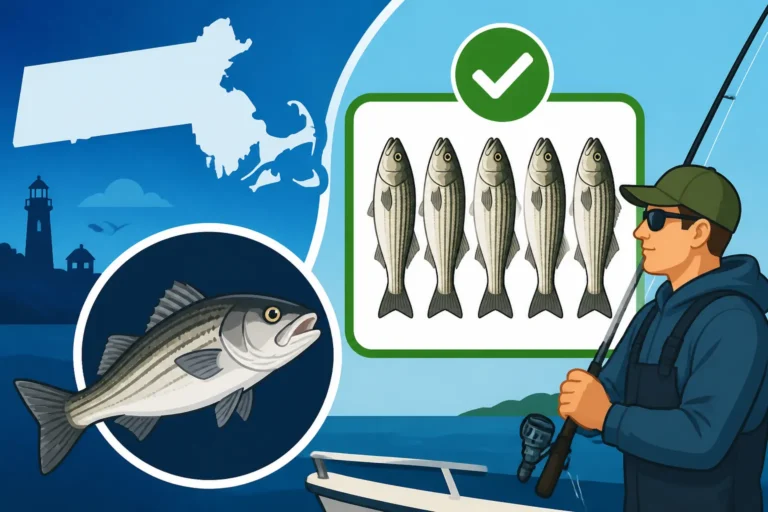
First and foremost, a reliable measuring device is absolutely critical. This could be a ruler, a tape measure, or a bump board, clearly marked and easily accessible. Many species, particularly saltwater favorites like striped bass, have strict slot limits (e.g., Massachusetts Striped Bass Slot Limit Explained) or minimum/maximum sizes. Being able to accurately measure your catch immediately upon landing is essential to determine if it’s a keeper or needs to be released. You can find a wide array of durable, waterproof measuring tools on Amazon or at any local tackle shop.
Beyond measuring tools, consider a good pair of pliers or a dehooking tool for safely removing hooks, especially if you plan to practice catch and release for undersized fish. A robust cooler for keeping your catch fresh, and perhaps a small dry bag to protect your phone and paper licenses from water spray, are also highly recommended. Being well-equipped isn't just about catching fish; it's about fishing responsibly and enjoying the entire experience from start to finish.
Comparison of Massachusetts Fishing License Types for Boaters
To help clarify the differences between freshwater and saltwater requirements, especially for boaters, here's a quick comparison:
| Feature | Massachusetts Freshwater Fishing License | Massachusetts Saltwater Recreational Fishing Permit |
|---|---|---|
| Water Type Covered | All inland freshwaters (lakes, ponds, rivers, streams) | All coastal marine waters (ocean, bays, estuaries) |
| Who Needs It | Anglers 15 years old and older (unless specifically exempt) | Anglers 16 years old and older (unless on a federally permitted charter) |
| Primary Issuing Agency | MassWildlife | MassWildlife (for state permit), MA DMF for regulations |
| Cost | Varies by residency (resident/nonresident) and age (youth/senior) | Typically a flat fee for resident/nonresident |
| Expiration | December 31st of the calendar year purchased, or 365 days from purchase | Typically December 31st of the calendar year purchased |
| Specific Boat Permits | May be required for reservoirs like Quabbin and Wachusett | Not typically a boat-specific permit, but federal charter permits exist |
| Common Target Species | Bass, trout, perch, pickerel, salmon, crappie | Striped bass, bluefish, flounder, cod, tuna, tautog, black sea bass |
| How to Purchase | MassFishHunt online, authorized vendors | MassFishHunt online, authorized vendors |
Disclaimer
The information provided in this guide is intended for general informational purposes only and does not constitute legal advice. Fishing regulations in Massachusetts can change frequently. Always consult the official Massachusetts Division of Fisheries and Wildlife (MassWildlife) and Massachusetts Division of Marine Fisheries (DMF) websites or their printed regulation pamphlets for the most current and accurate rules and laws before engaging in any fishing activity.