When a Massachusetts saltwater permit expires each year
It’s a common scenario: you’re geared up for a fantastic day of fishing on the Massachusetts coast, whether it’s casting lines from a pier in Gloucester or targeting stripers from a boat off Cape Cod, and suddenly a nagging doubt creeps in. "Is my saltwater permit still valid?" The uncertainty of license expiration dates can be a real headache, especially with different types of permits and various rules floating around. This guide is here to clear up that confusion once and for all, detailing precisely when your Massachusetts recreational saltwater permit expires each year and how to ensure you're always fishing legally.
Understanding the Massachusetts Saltwater Permit Annual Cycle
Trying to keep track of fishing license and permit expiration dates can feel like a game of whack-a-mole. You buy one, then another, and suddenly you're wondering if they all expire at different times, 365 days from purchase, or on a specific calendar date. This confusion is completely valid, as some states do operate on a rolling 365-day expiration. However, Massachusetts has a very clear, consistent system for its recreational saltwater fishing permits, designed to simplify things for both anglers and the state's environmental police. Knowing this fixed cycle is the first step to peace of mind on the water.
The Standard Expiration Date for Recreational Saltwater Permits
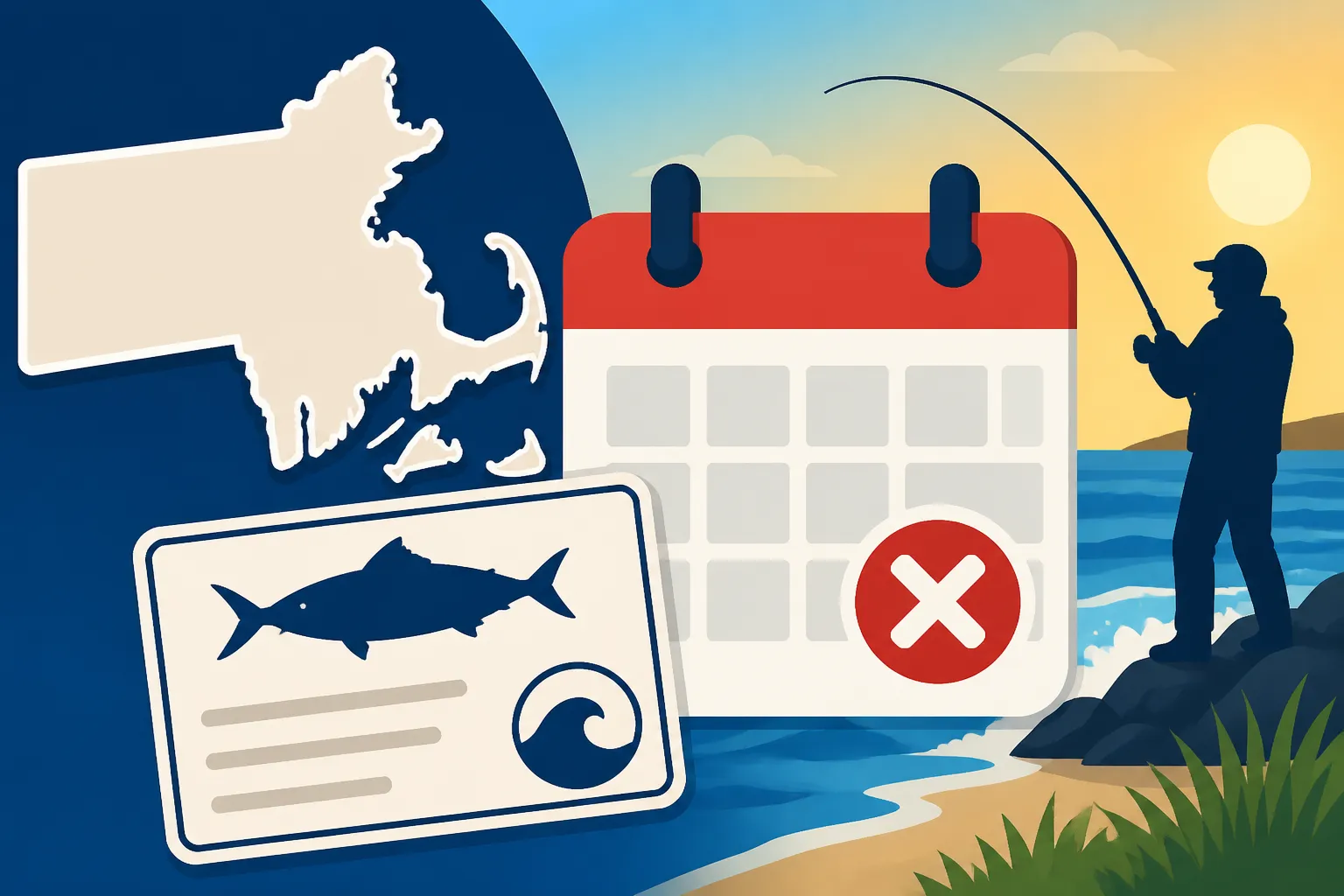
Let's cut right to the chase: your Massachusetts recreational saltwater fishing permit always expires on December 31st of the year it was issued. This isn't a "365 days from when you bought it" situation; it's a hard, calendar-year cutoff. So, if you purchase your permit in March, it's valid until December 31st of that same year. If you buy it in October, it's still only valid until December 31st.
This fixed date is crucial to remember because it means your permit doesn't carry over into the new year, even if you just bought it a few weeks prior. It's a common trap for anglers, especially those who might pick up a permit late in the season, thinking they're covered for a good chunk of the following year. Unfortunately, that's just not how it works here in the Commonwealth. Always mark your calendar for December 31st as the day your current saltwater permit waves goodbye.
Why a Fixed Expiration Date Makes Sense for Regulations
While a fixed expiration date might seem inconvenient if you buy your permit late in the year, it actually serves a vital purpose for managing Massachusetts' incredible marine resources and streamlining regulatory enforcement. For the Massachusetts Environmental Police, having a universal expiration date simplifies checks in the field. They don't have to calculate individual expiration dates based on purchase times; every recreational saltwater permit is either valid for the current calendar year or it's not. This consistency helps them efficiently ensure compliance across all anglers.
Furthermore, this aligns with how MassWildlife and the Division of Marine Fisheries collect data and implement new regulations. Many fishing seasons, bag limits, and size restrictions are updated on an annual basis. A calendar-year permit aligns perfectly with this annual cycle of data collection, regulatory review, and implementation of new rules, such as those governing Massachusetts Recreational Fishing Rules and Bag Limits. It allows for a clean break and fresh start each January 1st, making it easier to track fishing pressure and protect fish populations. Without a clear end-point, managing these complex conservation efforts would be significantly more challenging.
Navigating Your Permit's Validity and Renewal
So, now you know the critical date – December 31st. But what if you're not sure you even have a permit, or you can't remember if you renewed it last December? And how do you go about actually getting a new one? The process is surprisingly straightforward, thanks to the state's online system, but a little proactivity on your part can save you a lot of grief (and potential fines) down the road. Staying on top of your permit status is just as important as knowing the local fishing spots.
Checking Your Current Massachusetts Saltwater Permit Status
The easiest and most reliable way to check the status of your Massachusetts saltwater fishing permit is through the official MassFishHunt licensing system. This online portal is a one-stop shop for all your Massachusetts hunting and fishing license needs. If you've ever purchased a license or permit in the state, you likely already have an account. You can log in using your customer ID number (which is usually printed on your existing license or permit) or by searching with your name and date of birth.
Once logged in, you'll see a clear overview of all your current and past licenses and permits, including the issue date and, most importantly, the expiration date for each. It's a great habit to quickly check this before heading out, especially early in the year. Remember, you need to carry proof of your permit while fishing. Whether it's a physical copy printed from home, a screenshot on your phone, or displaying it through the MassFishHunt app, make sure you can present it if asked by environmental police. For more details on this, check out Carrying Proof of Your Massachusetts Fishing License.
The Best Time to Renew Your Massachusetts Saltwater Permit
Given that your permit expires on December 31st, the best time to renew for the upcoming year is generally starting in early December. MassWildlife usually opens renewals for the next calendar year around December 1st. This means you can purchase your new permit in December, and it will be valid starting January 1st of the following year. This is a fantastic way to ensure continuity and avoid any last-minute scrambling or, worse, inadvertently fishing without a valid permit on New Year's Day.
There generally isn't a grace period for Massachusetts fishing permits. If your permit expires on December 31st, it is invalid on January 1st. Fishing with an expired permit, even by a day or two, can lead to penalties. My advice? Set a recurring reminder on your phone or calendar for early December each year. Make it a tradition to renew your permit as part of your end-of-year routine. It’s a simple step that guarantees you’re ready for the first casts of the new year. The process is quick and easy online, as outlined in the Massachusetts Fishing License Renewal Guide.
Key Differences and Common Misconceptions
It's easy to assume all fishing permits and licenses work the same way, but in Massachusetts, there are important distinctions between freshwater and saltwater fishing, as well as specific rules about who needs a permit. These nuances are often where confusion arises, leading to honest mistakes that can still result in fines. Let's iron out some of these common misunderstandings to ensure you're properly equipped for any fishing adventure across the Commonwealth.
Freshwater vs. Saltwater Permit Expiration: A Crucial Distinction
While this guide focuses on saltwater permits, it's worth noting that Massachusetts freshwater fishing licenses also adhere to the same calendar-year expiration. They, too, expire on December 31st of the year they are issued. However, and this is critical, they are completely separate documents from your saltwater permit. You cannot use a freshwater license to fish in saltwater, nor can your saltwater permit grant you the right to fish in freshwater.
If your fishing plans include both casting for trout in a freshwater stream one weekend and then hitting the coast for striped bass the next, you will need both a valid freshwater fishing license and a valid recreational saltwater fishing permit. Each serves a distinct regulatory purpose, supporting the conservation efforts of their respective aquatic environments. Understanding these differences is key to being a responsible and legal angler in Massachusetts. For a deeper dive into these distinctions, check out Massachusetts Freshwater vs Saltwater License Differences.
Who Needs a Massachusetts Saltwater Permit and Who is Exempt?
The general rule is quite clear: if you are 16 years of age or older and plan to recreationally fish in the marine waters of Massachusetts, you need a valid saltwater permit. This applies whether you're fishing from shore, a pier, a private boat, a kayak, or even wading in the shallows. The age requirement means that kids under 16 can fish for free without a permit, which is a fantastic way to introduce youngsters to the sport. More details on age requirements can be found in the Massachusetts Saltwater Permit Age Requirements article.
However, there are a few important exemptions that often cause confusion. The most common one is for anglers fishing from a properly licensed for-hire vessel. If you book a trip on a Massachusetts fishing charter or a party boat, you typically do not need your own individual recreational saltwater permit. The vessel's captain is required to have a specific permit that covers all passengers. This is a huge convenience for visitors or those new to fishing who just want to enjoy a day on the water without worrying about licensing. For a comprehensive overview of who is exempt, refer to Who is exempt from the Massachusetts saltwater permit. Non-residents also need a permit, just like residents; there are no different expiration rules for them. You can find more information about non-resident requirements in our Massachusetts Fishing License for Nonresidents guide.
Here's a quick overview of permit types and their expiration for clarity:
| Permit/License Type | Target Water Body | Expiration Date | Notes |
|---|---|---|---|
| Recreational Saltwater Permit | Marine/Saltwater | December 31st | Required for ages 16+ for recreational marine fishing. |
| Freshwater Fishing License | Freshwater | December 31st | Required for ages 15+ for recreational freshwater fishing. |
| Combination Hunting & Fishing License | Freshwater & Land | December 31st | Covers freshwater fishing and hunting, but not saltwater fishing. |
| For-Hire Vessel Permit | Marine/Saltwater | December 31st | Covers all passengers on a properly licensed charter/party boat. |
Note: Anglers must still adhere to all Massachusetts Fishing License Requirements by Age and species-specific regulations regardless of permit type.
Consequences of Fishing with an Expired Permit and How to Stay Compliant
Nobody wants a peaceful day of fishing ruined by an encounter with law enforcement, especially when it could have been easily avoided. Fishing without a valid permit, or with an expired one, isn't just a minor oversight; it carries real legal and financial consequences. Taking a few proactive steps can save you a lot of hassle and ensure that your focus remains on catching fish, not worrying about paperwork.
Penalties for Fishing with an Expired Saltwater Permit
Being caught fishing in Massachusetts marine waters with an expired recreational saltwater permit is essentially the same as fishing without a permit at all, and it can lead to some unpleasant repercussions. Environmental Police officers regularly patrol popular fishing spots, from beaches to boat ramps, and they are authorized to ask for your permit. If you cannot produce a valid, current permit, you could be facing a fine.
While the exact fine amounts can vary, a first offense for fishing without a license or permit in Massachusetts can cost you upwards of $50, plus administrative fees. This is significantly more than the cost of the annual permit itself. Beyond the financial penalty, it's also a mark against your record and can detract from the joy of your fishing experience. The state takes its conservation efforts seriously, and proper licensing is a fundamental part of that. It's simply not worth the risk to fish with an expired permit, even if you just "forgot" to renew. You can learn more about the specifics in the Penalties for Fishing Without a License in Massachusetts article.
Easy Ways to Ensure You're Always Up-to-Date
Staying compliant with your Massachusetts saltwater permit is actually quite simple if you adopt a few easy habits:
- Set an Annual Calendar Reminder: As mentioned, the December 31st expiration date is fixed. Put a recurring reminder on your phone, computer, or even a physical calendar for early December. This prompt gives you plenty of time to renew before the new year officially begins.
- Utilize the MassFishHunt System: This is your best friend for all things licensing. The online portal, accessible through the MassWildlife website, allows you to purchase and renew your permit from the comfort of your home. It’s quick, efficient, and ensures you get an official permit. If you haven't already, take a moment to set up your MassFishHunt account, which is covered in our MassFishHunt account setup guide. Once you're familiar with the system, How MassFishHunt Works for Buying a Massachusetts License will be a breeze.
- Print a Copy and Save a Digital Version: After purchasing or renewing online, print a physical copy of your permit to keep in your tackle box, wallet, or boat. Also, save a digital screenshot or PDF on your phone. This way, you have multiple forms of proof in case one gets lost or your phone battery dies.
- Consider a Combination License (for freshwater): While it doesn't cover saltwater, if you also fish freshwater, a combination hunting and fishing license follows the same December 31st expiration and simplifies some of your freshwater needs, though it won't replace your saltwater permit.
By being proactive and leveraging the convenience of the MassFishHunt system, you can easily avoid the frustration and penalties associated with an expired Massachusetts saltwater permit. That way, you can focus on the important stuff: enjoying the incredible fishing opportunities Massachusetts has to offer.
Disclaimer
The information provided in this guide is intended for general informational purposes only and is subject to change. While we strive to provide accurate and up-to-date content, fishing regulations, license requirements, and fees in Massachusetts can be updated by state authorities. It is always the angler's responsibility to consult the official Massachusetts Division of Marine Fisheries (DMF) and MassWildlife websites, or their local licensing agent, for the most current and authoritative information before fishing. Compliance with all state and federal regulations is mandatory.