Penalty for keeping an oversized striped bass in Massachusetts
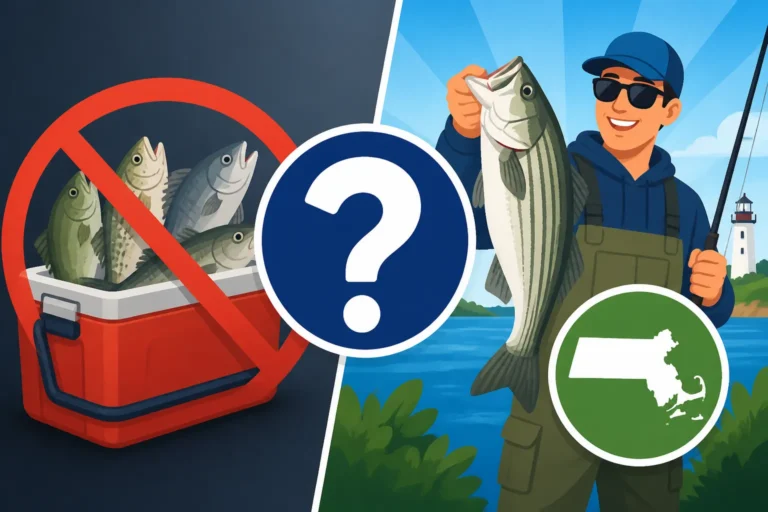
There’s a unique sting that comes with reeling in a magnificent striped bass, feeling that adrenaline rush, only to realize it's outside the legal slot limit. It’s a frustrating moment, balancing the thrill of the catch with the responsibility of adhering to conservation rules. You want to do the right thing, but sometimes the regulations can feel like a maze. This guide is here to untangle the complexities of Massachusetts’ striped bass regulations, specifically focusing on what happens if you inadvertently keep an oversized fish and how to avoid such a situation.
Understanding Massachusetts Striped Bass Regulations
Let's face it, fishing regulations can be tough to keep up with, and the rules around striped bass in Massachusetts are particularly precise for a good reason. These majestic fish are highly prized, and their populations need careful management. Ignoring these rules, even accidentally, can lead to some pretty unwelcome consequences.
The Critical Slot Limit Explained
For recreational anglers in Massachusetts, the most crucial rule for striped bass is the "slot limit." This isn't just a suggestion; it's a mandatory legal requirement. Currently, you can only keep striped bass that measure between 28 inches and less than 31 inches in total length. What does that mean exactly? If your striper is 27.99 inches, it's too small. If it's 31.01 inches, it's too big. This narrow window is designed to protect both juvenile fish, allowing them to grow and mature, and the large, reproductively valuable "trophy" fish that are essential for spawning and sustaining future generations. It's a balancing act, ensuring there are enough fish to go around for years to come. Understanding Massachusetts Striped Bass Slot Limit Explained is foundational for any angler targeting these fish.
This slot limit also means that if you catch a really big fish, say a glorious 40-inch striper, you absolutely cannot keep it. It's exhilarating to hook into a fish like that, but the law is clear: it must be released unharmed. This can be a tough pill to swallow for many anglers who dream of catching a wall-hanger, but it's a vital part of the conservation strategy.
Measuring Your Catch Accurately
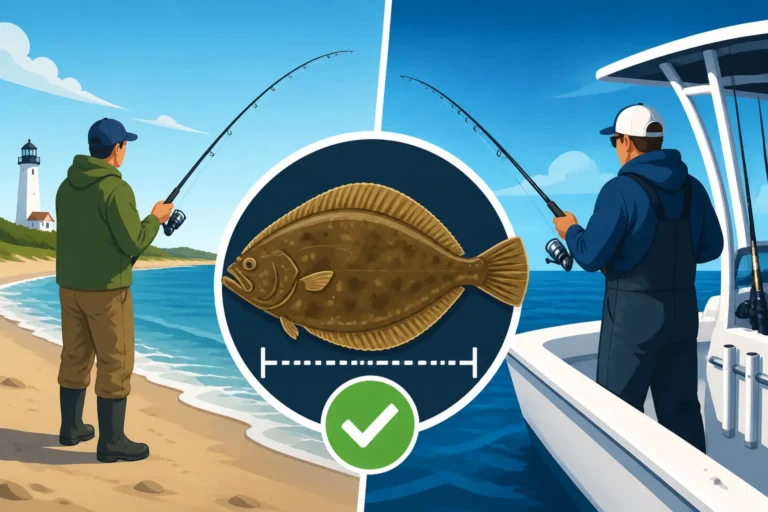
Getting your measurements right is non-negotiable. An honest mistake can still lead to a violation, so precision is key. The legal size for keeping striped bass in Massachusetts is determined by total length, which means from the tip of the snout to the furthest end of the tail, with the tail compressed.
Here's how to do it correctly:
- Use a Reliable Measuring Device: Don't rely on a flimsy tape measure that might stretch or bend. A rigid measuring board or a specialized fish ruler is best. Many anglers prefer a bump board for accuracy. You can find excellent options on Amazon, which can be easily affixed to your cooler or boat.
- Lay the Fish Flat: Place the fish on its side on a flat surface, with its mouth closed and against the start of your measuring device (the "zero" end).
- Compress the Tail: Gently squeeze or compress the tail lobes together so they form a single, straight line. This ensures you're getting the maximum possible length.
- Read the Measurement: Note the length at the furthest point of the compressed tail. Double-check your reading.
Practicing this technique, even with fish you plan to release immediately, can help you become proficient. It's often helpful to have a partner verify the measurement, especially when the fish is still lively. Knowing How to measure a striped bass for the slot limit accurately will save you a lot of headache.
Daily Bag Limits and Possession Rules
Beyond the slot limit, there's also a daily bag limit for striped bass in Massachusetts: one fish per angler per day. This means even if you catch three fish within the legal slot, you can only keep one. The rest must be released. This limit applies to all anglers, regardless of whether you're fishing from shore, a boat, or a pier.
It's also important to understand "possession limits." Generally, you can't possess more than the daily bag limit at any given time unless you're at your permanent residence. So, if you're on a multi-day fishing trip and have already kept your one striped bass, you can't go out and catch another "keeper" the next day without first taking your previous catch home. These regulations are part of the broader Massachusetts Recreational Fishing Rules and Bag Limits designed to manage fish stocks effectively.
What Happens If You Keep an Oversized Striped Bass?
Accidents happen, especially when you're excited and perhaps a bit rushed. But ignorance of the law is generally not a defense. The penalties for keeping an oversized striped bass in Massachusetts can range from a significant fine to more severe consequences, depending on the circumstances.
The Immediate Consequences: Fines and Penalties
If you're caught possessing a striped bass outside the legal slot limit, or more than the daily bag limit, you're looking at a penalty. The MassWildlife website and the official Massachusetts fishing regulations pamphlet outline these. A typical first offense for a recreational angler keeping an oversized striped bass might result in a fine of around $50 to $100 or more, plus additional fees or court costs. For instance, the general fine for violating a bag or size limit for saltwater fish in Massachusetts often starts around $50, but it can quickly increase with additional costs.
However, it's not always just a flat fee. Environmental Police officers have discretion, and depending on the severity and whether it appears to be a blatant disregard for the rules, the penalties can escalate. Repeat offenders or those found to be intentionally violating regulations could face much stiffer fines, potentially in the hundreds or even thousands of dollars, forfeiture of gear, and even the suspension of their fishing privileges. There could also be a court summons, which means taking time out of your life to appear before a judge. This is why it's crucial to take every precaution to avoid such a situation. Penalties for Fishing Without a License in Massachusetts are similar in their structure, emphasizing compliance.
Enforcement and the Role of Environmental Police
The Massachusetts Environmental Police (MEP) are the primary enforcers of fishing regulations across the Commonwealth. These officers patrol coastal waters, rivers, lakes, and reservoirs, both on land and by boat, to ensure compliance with fishing, hunting, and environmental laws. They have the authority to stop and inspect your catch, measuring each fish to ensure it meets the current regulations.
It's important to always be respectful and cooperative with MEP officers. They are doing their job to protect Massachusetts' natural resources. If an officer asks to inspect your catch, you are legally obligated to allow it. Trying to hide fish, arguing, or attempting to evade inspection will only worsen the situation and can lead to additional charges and higher penalties. Remember, these officers are trained to spot violations, and they understand the common excuses.
Understanding Violation Severity
The severity of a violation can significantly impact the penalty. An honest mistake, where an angler genuinely mismeasured by a fraction of an inch, might be treated differently than someone found with multiple oversized or undersized fish, suggesting intentional disregard.
- Accidental Violations: If it's a genuine error and you cooperate fully, an officer might issue a warning, but a fine is still very likely. The key here is demonstrating that you made a good faith effort to comply. Always have your measuring device ready and clearly show your efforts.
- Intentional Violations (Poaching): This is where things get serious. If you're caught with multiple illegal fish, using illegal methods, or attempting to sell recreational catches, you could face felony charges, massive fines, confiscation of your vessel and gear, and even jail time. Poaching undermines all conservation efforts and severely impacts fish populations, and the state takes it very seriously.
- Lack of a License: It's worth noting that if you are caught with an oversized fish and you don't have a valid Massachusetts fishing license, the penalties will compound. Make sure you have your Massachusetts Fishing License Guide accessible and always carry proof of your license.
Preventing Violations: Best Practices for Anglers
No one wants to break the rules, especially when it comes to something as enjoyable as fishing. By taking a few proactive steps, you can significantly reduce your chances of incurring a penalty and contribute positively to striped bass conservation.
Know Before You Go: Checking Current Regulations
Fishing regulations are not static; they change. New scientific data, conservation needs, and federal mandates can lead to updates in size limits, bag limits, and seasons. What was legal last year might not be legal this year.
- MassWildlife Website: The most reliable source for up-to-date freshwater and saltwater regulations in Massachusetts is the official MassWildlife website. They publish all current rules, including the specifics on the Massachusetts Striped Bass Size and Bag Limit.
- Official Pamphlets: MassWildlife also distributes a free "Abstract of the Fish and Wildlife Laws" pamphlet annually. This small booklet is a handy reference you can carry with you. Learning more about the Massachusetts Fishing Regulations Pamphlet, Explained can be incredibly helpful.
- Local Bait Shops: Your local bait and tackle shop is often an excellent resource. Owners and employees are usually avid anglers themselves and stay current on local regulations. They can be a great first stop for information before heading out.
- Check Before Every Trip: Get into the habit of quickly checking the regulations before each fishing season, or even before a specific trip if you haven't been out in a while.
Essential Gear for Responsible Catch and Release
Having the right gear isn't just about catching fish; it's also about managing your catch responsibly, especially when you need to release a fish unharmed.
- Reliable Measuring Device: As discussed, a sturdy bump board or a quality measuring tape is a must. You can find many options on sites like Amazon that are durable and easy to use.
- Dehooking Tools: A good pair of long-nose pliers or a specialized dehooking tool is essential for quickly and safely removing hooks, minimizing stress and injury to the fish. This is particularly important for large fish like striped bass, where getting your fingers near sharp hooks can be dangerous.
- Landing Net (Rubberized): A large net with rubberized, knotless mesh is ideal. This type of net protects the fish's slime coat and fins, reducing injury compared to traditional knotted nylon nets. It also makes it easier to handle and measure the fish quickly.
- Single, Barbless Hooks (Recommended): While not always required, using single, barbless hooks, or crimping down the barbs on treble hooks, makes dehooking much faster and less damaging to the fish. Many anglers targeting striped bass for catch-and-release swear by this practice. For those wondering How to Catch Striped Bass in Massachusetts, hook choice is an important consideration.
Practicing Proper Catch and Release Techniques
Even if you intend to keep a fish within the slot limit, you might catch several that are too small or too large and need to be released. Knowing how to release a fish properly maximizes its chances of survival.
- Minimize Air Exposure: Fish can't breathe air. Keep them in the water as much as possible, especially during dehooking and measuring. If you must remove them from the water, do so quickly and efficiently.
- Support the Fish Horizontally: If holding a fish for a quick photo, support its body horizontally with both hands. Avoid holding large fish vertically by the jaw, as this can damage their internal organs and spine.
- Wet Your Hands: Always wet your hands before touching a fish. Dry hands can remove the protective slime coat, making the fish more susceptible to disease.
- Quick Dehooking: Use your dehooking tool to remove the hook as quickly and gently as possible. If the fish is deeply hooked, especially in the gills or throat, it might be best to cut the line as close to the hook as possible rather than tearing tissue.
- Revive the Fish: For a tired fish, hold it gently in the water, facing into the current (if any), and move it back and forth slightly to push water over its gills. Only release it when it can swim away strongly on its own.
By following these best practices, you're not just avoiding a fine; you're becoming a more responsible and ethical angler, contributing to the health of Massachusetts' striped bass fishery.
Beyond the Fine: The Broader Impact on Striped Bass Conservation
It's easy to focus on the immediate financial penalty of breaking a fishing rule, but there's a much larger, more significant reason these regulations exist: the long-term health of our beloved striped bass populations. Every angler has a role to play in this.
Why the Slot Limit is So Important for Striped Bass Populations
The striped bass slot limit, which dictates the Massachusetts Striped Bass Size and Bag Limit you can keep, is a scientific strategy with a clear goal: protecting the species' ability to reproduce.
- Protecting Spawners: The largest, most mature striped bass, especially the females, are the most prolific spawners. These "trophy" fish produce millions more eggs than smaller, younger fish. By making them illegal to keep, the slot limit ensures these vital breeders remain in the water to reproduce, bolstering the population for future generations. This is a crucial aspect of What a slot limit means and how it works in Massachusetts.
- Allowing Juveniles to Mature: On the other end, the minimum size limit protects younger fish, allowing them to grow to reproductive age before they can be harvested. This means more fish survive to become productive members of the breeding stock.
- Sustainable Fishing: Ultimately, the slot limit is about sustainability. It's a way for fisheries managers to balance recreational and commercial fishing pressure with the biological needs of the species. Without such limits, overfishing could quickly decimate the population, leading to stricter regulations, or even closures, down the line. We want to ensure that our children and grandchildren can experience the thrill of catching striped bass for years to come.
How Angler Compliance Contributes to a Healthy Fishery
Every time an angler adheres to the slot limit, accurately measures their fish, and safely releases oversized or undersized stripers, they are directly contributing to conservation efforts. This isn't just about avoiding a ticket; it's about being a steward of our natural resources.
- Data Integrity: When anglers accurately report their catches (even if just mentally noting what they caught and released), it helps fisheries scientists gather better data on population health. Respecting limits ensures that official catch statistics accurately reflect what is being removed from the population.
- Reduced Mortality: Proper catch and release, especially for fish outside the slot, minimizes "post-release mortality." This means fewer fish die after being released, ensuring that the conservation efforts embodied by the slot limit are truly effective.
- Community Responsibility: Angler compliance fosters a culture of responsibility within the fishing community. When experienced anglers model good behavior and educate newer anglers, it strengthens the collective commitment to sustainable fishing practices. This shared responsibility is what keeps our waters healthy and our fishing traditions alive.
- Avoiding Stricter Regulations: The more consistently anglers comply with current regulations, the better the chances that these regulations will be effective. If compliance is low, or populations continue to decline, state and federal agencies will be forced to implement even more stringent rules, potentially impacting everyone's ability to fish.
Ultimately, keeping an oversized striped bass isn't just a regulatory infraction; it's a small but significant step that works against the collective effort to maintain a vibrant and healthy fishery. By understanding the rules, preparing properly, and embracing responsible angling, we can all do our part to ensure that Massachusetts remains a fantastic place to fish for striped bass for generations.
Disclaimer
Please note that fishing regulations, including size and bag limits for striped bass in Massachusetts, can change. While this guide provides the most current information available at the time of writing, it is the angler's responsibility to verify all regulations with official sources like the MassWildlife website before heading out to fish.