Is There a Closed Season for Striped Bass in Massachusetts?
The world of fishing regulations, especially when it comes to a beloved species like striped bass in Massachusetts, can feel like navigating a constantly shifting maze. One minute you think you've got it figured out, the next there's a new rule or a nuanced interpretation that leaves you scratching your head. It's completely understandable to wonder if there's a straightforward "closed season" for stripers, because clarity is often hard to come by. This guide aims to clear up that confusion, diving deep into how Massachusetts manages striped bass fishing year-round and what you, as an angler, really need to know to stay compliant and responsible.
Understanding Massachusetts Striped Bass Regulations
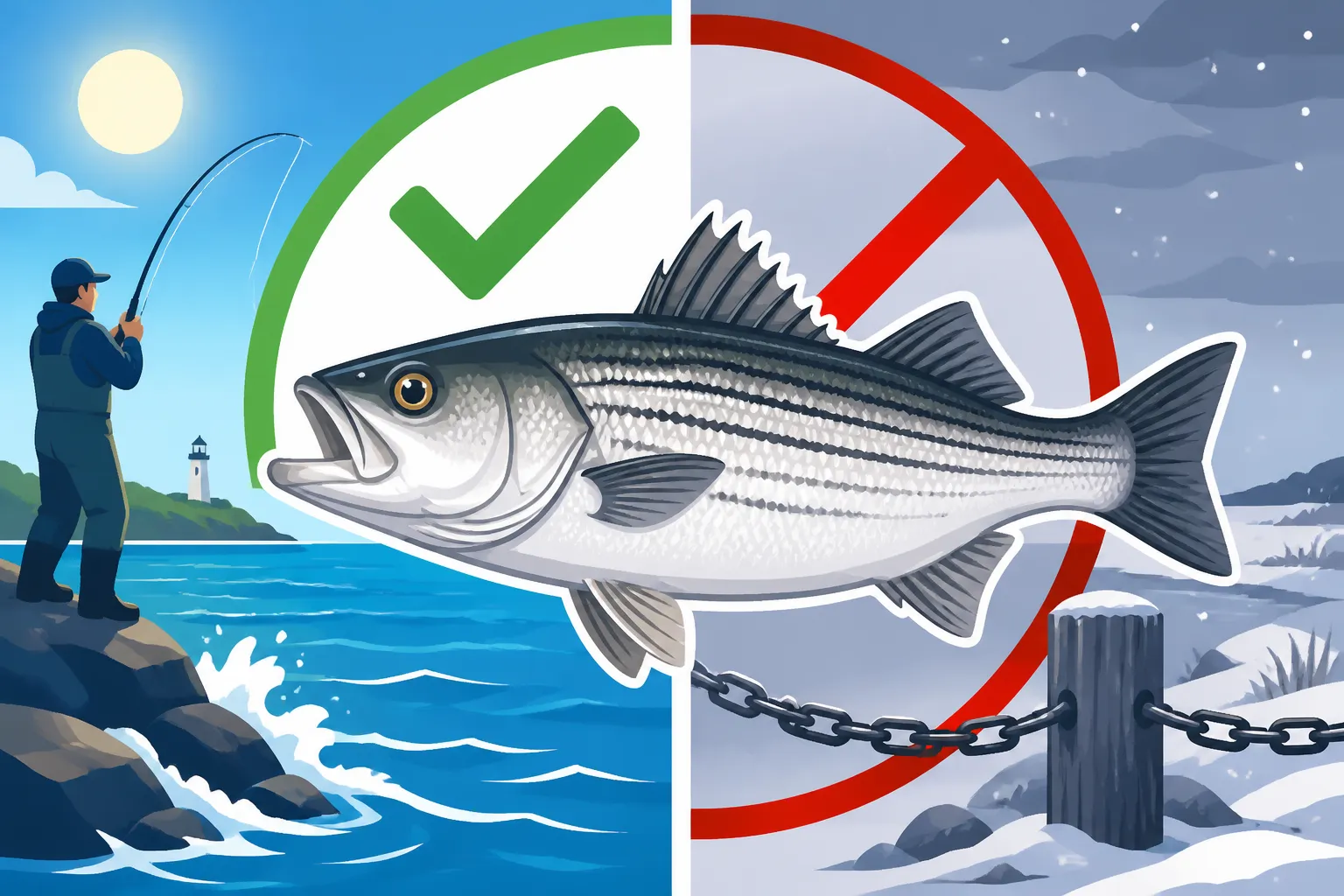
Let's cut right to the chase: For recreational anglers in Massachusetts, there isn't a traditional "closed season" in the way some other species have a defined period when you absolutely cannot target them. However, that simple answer can be incredibly misleading because the ability to keep a striped bass is heavily, and dynamically, regulated. The waters around Massachusetts are essentially open for striped bass fishing year-round, primarily on a catch-and-release basis, but the rules for retention are where things get intricate.
No Hard "Closed Season" for Catch-and-Release
You can, in theory, cast a line for striped bass in Massachusetts waters any day of the year. This means that if you're solely interested in the thrill of the fight, the beauty of the fish, and the satisfaction of a successful release, you're generally good to go. This year-round access to catch-and-release fishing allows passionate anglers to pursue stripers even during colder months when they might be less active or fewer in number. It's a testament to the enduring appeal of this magnificent fish.
However, the "catch" in catch-and-release is that proper fish handling techniques become paramount, especially outside of the warmer, more active seasons. Cold water can stress fish, and careful unhooking, minimizing air exposure, and proper revival are crucial for their survival. Using appropriate gear, like circle hooks when fishing with bait (which is actually a mandated regulation for striped bass when using natural bait), helps ensure a higher survival rate for released fish. It’s all about respecting the resource, even when you’re not allowed to take it home.
The Dynamic Nature of Retention Rules
While the act of fishing for striped bass might be open, the act of keeping one is where the regulations truly kick in and are subject to change. Unlike a simple "closed season" where fishing activity stops entirely, Massachusetts (and indeed all Atlantic coastal states) manages striped bass through strict size limits and bag limits. These rules are designed to protect the breeding stock and allow for population recovery, reflecting the ongoing conservation efforts for this species across its range.
These retention rules are not static. They are often adjusted by federal and regional fisheries management bodies, like the Atlantic States Marine Fisheries Commission (ASMFC), based on scientific stock assessments. This means that the legal size window for keeping a striped bass, and how many you can keep, can – and does – change periodically. What was legal last year might not be legal this year, or even next month. This constant evolution is why relying on old information can lead to fines, or worse, inadvertently harming the fish population. It's truly a game of staying informed, which can feel like a part-time job for dedicated anglers.
The Massachusetts Striped Bass Slot Limit and Bag Limits
Instead of a closed season, Massachusetts employs a "slot limit" and a daily bag limit to manage the harvest of striped bass. These measures are critical conservation tools that directly impact when you can legally bring a striped bass home. Understanding these rules is absolutely essential for any angler targeting stripers in the Bay State.
What the Slot Limit Means for Anglers
The slot limit is arguably the most important regulation for recreational striped bass anglers in Massachusetts. It dictates a specific size range within which a fish must fall to be legally kept. For a significant period, and as of the most recent regulations I can access, the recreational slot limit for striped bass in Massachusetts has been 28 inches to less than 31 inches total length. This means any striped bass you catch that is shorter than 28 inches or 31 inches or longer must be immediately and carefully released.
This system is a clever way to protect both the very young fish, allowing them to grow and mature, and the large, mature breeding females, which are crucial for replenishing the stock. By targeting a "slot" in the middle, fisheries managers aim to ensure sustainable harvesting while allowing the most valuable reproductive fish to continue their work. It's not always popular with anglers who dream of landing a monster striper, but it's a vital compromise for the long-term health of the fishery. Measuring your fish accurately is non-negotiable; having a reliable measuring device on your boat or in your tackle box is key. You can find durable, flexible measuring tapes and boards on Amazon that are perfect for quickly verifying your catch. For more detailed information on how to measure accurately and the current specific limits, check out our guide on the Massachusetts Striped Bass Slot Limit Explained.
Let's look at a typical scenario: You're out fishing in Buzzards Bay, and you hook into a beautiful striper. You carefully bring it in, and it measures 32 inches. Even though it's a great fish, according to the current slot limit (28 to less than 31 inches), you must release it because it's too large. Conversely, if you catch a 26-inch striper, that also goes back because it's too small. Only a fish measuring, for example, 29.5 inches would be a legal keeper. This level of precision requires vigilance from every angler.
Daily Bag Limits and Their Importance
In addition to the slot limit, there's also a strict daily bag limit. As of current regulations, recreational anglers are allowed to keep one (1) striped bass per person, per day. This means that even if you catch several fish that fall within the legal slot, you can only retain one of them. Once you've kept your one fish, any subsequent legal-sized stripers you catch must be released. This limit applies across all Massachusetts waters, whether you're fishing from shore, a boat, or even a pier in Boston Harbor.
The daily bag limit works hand-in-hand with the slot limit to control the overall harvest. While the slot limit protects specific age classes of fish, the bag limit controls the sheer volume of fish removed from the population. Both are critical components of the management strategy designed to rebuild the striped bass stock, which has faced significant pressure over the years. It's a constant balancing act between allowing recreational opportunities and ensuring the species thrives for future generations of anglers. Always double-check the latest rules on Massachusetts Saltwater Bag Limits by Species and the broader Massachusetts Recreational Fishing Rules and Bag Limits before you head out, as these things can change.
When Striped Bass Are Actually Present in Massachusetts Waters
While there's no official "closed season" for fishing, the reality of striped bass migration means there are very distinct periods when they are abundant and actively feeding in Massachusetts waters, and times when they are scarce. Understanding this natural cycle is just as important as knowing the regulations if you want to be a successful striper angler.
The Migration Cycle and Peak Season
Striped bass are highly migratory, moving along the Atlantic coast with the changing seasons. They generally spend their winters in the warmer waters of the Mid-Atlantic states, particularly in areas like the Chesapeake Bay and Delaware River, where they spawn. As spring arrives and water temperatures begin to rise, these fish start their northward journey.
Anglers in Massachusetts typically begin to see the first "schoolie" stripers (smaller, younger fish) arrive in estuaries and shallow coastal waters around late April or early May. These early arrivals are often followed by larger, more mature fish as the waters warm further. The peak season for striped bass fishing in Massachusetts generally runs from June through October. During these months, stripers are abundant in various habitats, from the Cape Cod Canal to the waters around the North Shore, feasting on baitfish like mackerel, herring, and pogies. This is when the fishing action is often at its hottest, and anglers have the best chance of encountering a legal-sized fish. You can learn more about when they typically show up by checking our post on When striped bass arrive in Massachusetts waters or when the main season truly kicks off in When striped bass season starts in Massachusetts.
As late fall approaches, usually around late October or November, the stripers begin their southward migration, heading back to their wintering grounds. By December, most of the larger schools have departed Massachusetts waters, leaving only a few stragglers or resident fish in deeper, warmer pockets. This natural cycle means that while you can technically fish for them year-round, your chances of success (and especially finding a keeper) are overwhelmingly concentrated during the warmer months.
Winter Fishing: Catch-and-Release Only
Once the main migration has moved south, striped bass become very scarce in Massachusetts waters. Some smaller resident fish might overwinter in deeper estuaries, rivers, or power plant discharges where water temperatures remain slightly warmer, but they are few and far between.
If you choose to fish for striped bass in the winter, it will almost certainly be a catch-and-release endeavor. The chances of catching a legal-sized fish are extremely low, and the primary goal would be the challenge of finding any fish at all. More importantly, fishing for stripers in cold water requires extra care. Fish caught in very cold water are more susceptible to stress and mortality, so practicing proper catch-and-release techniques – such as minimizing fight time, keeping the fish in the water as much as possible, using barbless hooks, and avoiding contact with dry surfaces – is absolutely critical for their survival. It’s a pursuit for the most dedicated and conservation-minded anglers.
Staying Up-to-Date with Striped Bass Rules
Given the dynamic nature of striped bass regulations, simply knowing the rules today isn't enough. Fisheries management is an ongoing process, and staying informed is a responsibility for every angler who wants to enjoy this fishery responsibly and legally.
Why Regulations Change and Where to Find Current Information
Striped bass regulations change for very good reasons: conservation. Scientific assessments continuously monitor the health of the striped bass population, including spawning stock biomass, fishing mortality rates, and recruitment (how many young fish are entering the population). If the stock is deemed to be overfished or experiencing too much fishing pressure, regulations are tightened to allow the population to recover. Conversely, if the stock rebuilds, regulations might be relaxed slightly. These decisions are made at a regional level by the Atlantic States Marine Fisheries Commission (ASMFC), and individual states like Massachusetts then implement the agreed-upon measures.
Because these changes can happen, sometimes even mid-season if emergency measures are needed, it is absolutely vital to check the most current regulations before every fishing trip. Relying on word-of-mouth or last year's knowledge is a recipe for trouble.
The absolute best and most official source for Massachusetts fishing regulations is the Massachusetts Division of Marine Fisheries (MassDMF) website. They provide up-to-date information on all saltwater species, including striped bass. Their website is typically well-organized and clearly states the current slot limits, bag limits, gear restrictions (like the mandatory use of circle hooks when fishing with natural bait for stripers), and any other pertinent rules. You can also often find a comprehensive Massachusetts Fishing License Guide there, which is a good starting point for all your regulatory needs. Additionally, local bait and tackle shops are often excellent resources for current information, as they deal with these regulations daily and are usually the first to hear about changes.
Essential Gear for Responsible Striped Bass Fishing
Beyond just knowing the rules, having the right gear contributes significantly to responsible and successful striped bass fishing, whether you're planning to keep a legal fish or practice catch-and-release.
Firstly, a reliable rod and reel setup appropriate for the size of striped bass you expect to encounter is crucial. Overmatching your tackle can lead to unnecessarily prolonged fights, stressing the fish, while undermatching it can make landing a larger fish difficult and unsafe. Medium-heavy to heavy spinning or conventional setups are common choices, depending on your preferred fishing method. When it comes to lures, having a good selection of topwater plugs, swim shads, and stickbaits is always a good idea, as detailed in our guide on the Best lures for striped bass in Massachusetts.
Secondly, and perhaps most importantly for regulations, is a measuring device. A high-quality, easily readable measuring tape or board is essential for accurately determining if your striped bass falls within the legal slot limit. Many anglers prefer self-adhesive measuring tapes for their boats or dedicated fish rulers available at sporting goods stores or online platforms like Amazon.
Thirdly, investing in proper release tools is a game-changer for catch-and-release fishing. Pliers or hook removers designed for fishing can help you quickly and safely unhook a fish, minimizing handling time. A good pair of cutting pliers is also vital for snipping line if a hook is too deeply embedded to remove without causing harm. These tools, often overlooked by beginner anglers, greatly increase the survival rate of released fish. You can find excellent options on Amazon, from specialized long-nose pliers to dehooking tools.
Finally, carrying proof of your Massachusetts Saltwater Recreational Fishing Permit Explained is non-negotiable. Whether it's the physical permit or a digital copy on your phone, always have it accessible, along with valid identification. Don't forget that even children have age requirements for permits, so be sure to check the Massachusetts Saltwater Permit Age Requirements if fishing with younger anglers.
Here's a quick summary of the current recreational striped bass regulations in Massachusetts:
| Regulation Type | Current Rule (as of recent information) | Notes for Anglers |
|---|---|---|
| Season | No defined "closed season" for fishing | Catch-and-release generally allowed year-round. |
| Slot Limit | 28 inches to less than 31 inches total length | Fish outside this range must be released. Measure accurately. |
| Bag Limit | One (1) fish per person, per day | Applies to legal-sized fish only. |
| Hook Type | Circle hooks required when using natural bait | Mandated for bait fishing to reduce gut hooking. |
| Permit | Massachusetts Saltwater Recreational Fishing Permit required | Required for all anglers 16 years and older. |
It's important to remember that this table provides a snapshot of the rules and is subject to change. Always consult the official MassDMF website for the most current information before you go fishing.
Disclaimer
Please remember that fishing regulations are subject to change. While this guide provides the most current information available at the time of writing, it is your responsibility as an angler to always check the official Massachusetts Division of Marine Fisheries (MassDMF) website or other official state resources for the most up-to-date regulations before heading out. Compliance with all state and federal fishing laws is essential.