Massachusetts ice fishing license requirements
The quiet solitude of a frozen pond, the crisp winter air, the thrill of seeing a flag pop on a tip-up – ice fishing in Massachusetts is an unforgettable experience. But before you bundle up and head out, many anglers, both seasoned and new, often wonder about the specific rules. It's a common frustration to navigate confusing regulations, but this guide is here to cut through the ice and clearly explain everything you need to know about Massachusetts ice fishing license requirements, so you can focus on the fish, not the paperwork.
Do You Need a License for Ice Fishing in Massachusetts?
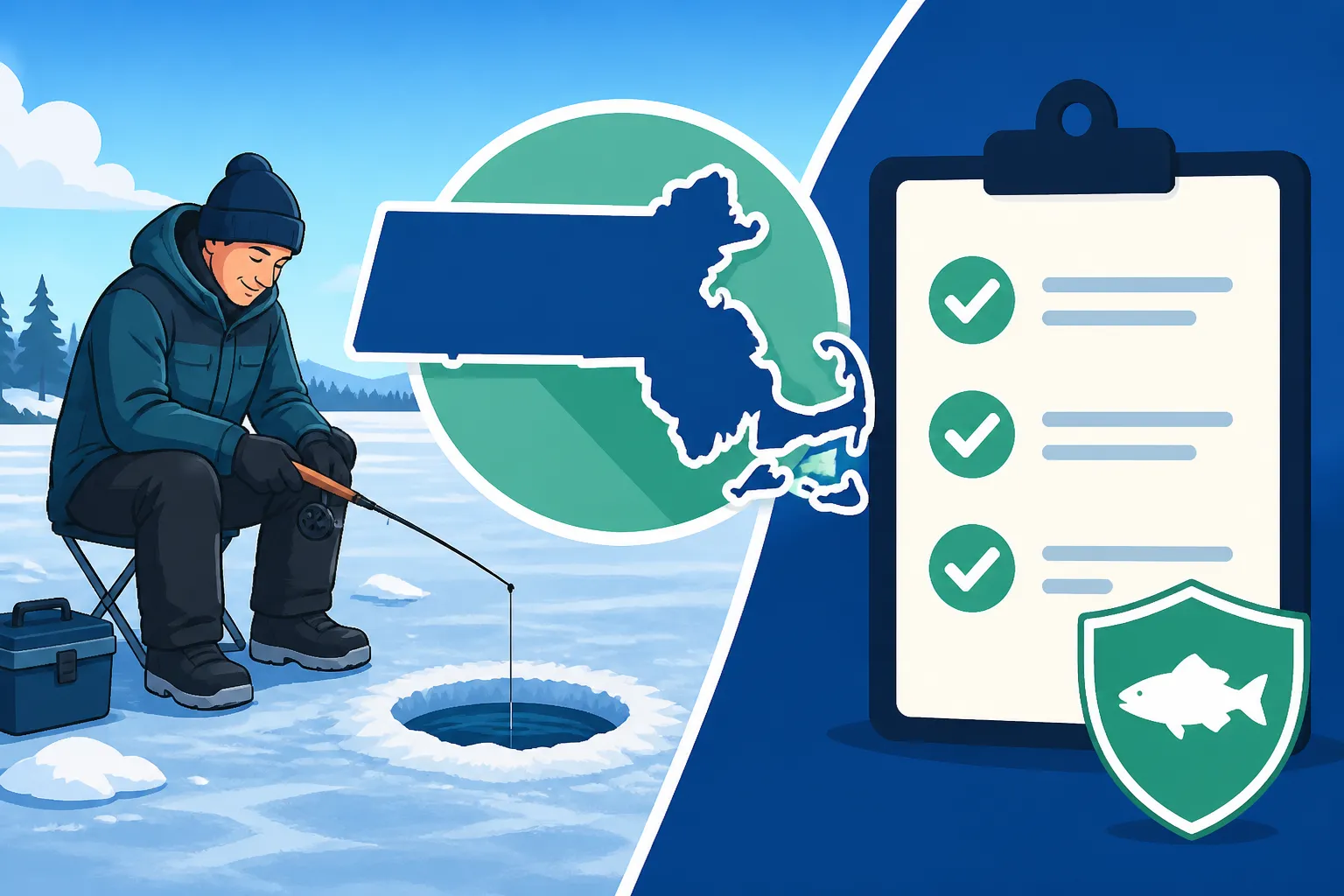
Let's get straight to it: Yes, you absolutely need a valid freshwater fishing license to go ice fishing in Massachusetts. This is one of the most frequently asked questions, and it’s understandable why there might be some confusion. Many people think that because the water is frozen or they're just sitting on a bucket, the rules might be different. Perhaps you're used to fishing a private pond in the summer where rules are lax, and you assume the same applies in winter. However, the frozen state of a public body of water doesn't change its classification or the regulations governing recreational fishing within it. If you're planning to drop a line, even through a small hole in the ice, you must be properly licensed.
The Massachusetts Division of Fisheries and Wildlife (MassWildlife) manages all freshwater fishing activities in the state, and their licensing requirements apply uniformly whether the water is liquid or solid. Failing to have the correct license can lead to fines and penalties, which nobody wants when they're out trying to relax and enjoy nature.
Understanding Freshwater License Requirements
When we talk about a Massachusetts freshwater fishing license, we're referring to the permit that grants you the right to catch fish in any inland waters of the Commonwealth, be it a lake, pond, river, or stream. This includes all the popular ice fishing spots from the expansive Quabbin Reservoir to smaller local ponds. The type of license you need typically depends on a few factors: your residency, your age, and the duration you want the license for.
For most adults who are residents of Massachusetts, an annual freshwater fishing license is the standard. This license is generally valid for a calendar year, from January 1st to December 31st. Non-residents also need a freshwater license, and their options often include annual or shorter-term permits, which can be convenient for a weekend ice fishing trip. You can find comprehensive details on costs and rules in our guide on Massachusetts Freshwater Fishing License Costs and Rules.
It's also important to be aware of the Wildlands Conservation Stamp. While not a "fishing license" per se, this stamp is often required alongside your freshwater license for certain anglers and helps fund wildlife habitat and land conservation efforts. Most resident and non-resident anglers purchasing an annual license will need to acquire this stamp as well, so always double-check if it applies to your specific license purchase to ensure full compliance. It's a small additional cost that goes a long way in preserving the natural beauty we all enjoy while fishing.
Specific Exemptions for Ice Fishing
While the general rule is that you need a license, there are a few specific exemptions that might apply, primarily based on age or special events. It's really important to understand these thoroughly, as assuming an exemption without verification could lead to issues.
First and foremost, age is a significant factor. In Massachusetts, children under the age of 15 do not need a fishing license to fish in freshwater. This is fantastic news for families looking to introduce youngsters to the joys of ice fishing. Imagine taking your grandchild out, drilling a few holes, and watching their face light up when they catch a perch – no license worries for them! Our guide, Do Kids Need a Fishing License in Massachusetts?, delves deeper into these age-related rules.
Secondly, Massachusetts usually offers a "Free Fishing Weekend" each year, typically in June. During this designated period, residents and non-residents can fish in Massachusetts' public lakes, ponds, rivers, and streams without a license. While this is primarily geared towards open water fishing, if this event were to coincide with safe ice conditions (which is highly unlikely given the typical timing), then the exemption would theoretically apply. However, for winter ice fishing, you should always assume a license is required, as the Free Fishing Weekend dates are almost certainly not during ice season.
Finally, fishing on entirely private property, where the water body is completely enclosed within that property and has no public access, generally doesn't require a state license. However, even in such cases, it's always wise to confirm with the landowner and be aware that specific local bylaws or private club rules might still apply. For the vast majority of public ponds and lakes where ice fishing is popular, a state-issued license is non-negotiable.
How to Obtain Your Massachusetts Ice Fishing License
Getting your Massachusetts ice fishing license is pretty straightforward, thanks to modern convenience. MassWildlife has streamlined the process, offering several ways to purchase your license. Whether you prefer the ease of online transactions or the personal touch of an in-person visit, you have options.
The state uses a system called MassFishHunt, which is your go-to portal for all things licensing. It's designed to make purchasing and managing your fishing and hunting permits simple and accessible. Before you even think about heading out onto the ice, make sure your license is in hand – or at least accessible on your phone – to avoid any unnecessary hassle.
Buying Your License Online via MassFishHunt
For most anglers, buying your license online through the MassFishHunt portal is by far the easiest and quickest method. You can do it from the comfort of your warm home, even on a cold winter night, which is perfect for last-minute planning before a dawn patrol ice fishing trip.
Here’s a quick rundown of the process:
- Visit the MassFishHunt Website: Head to the official MassFishHunt website. If you don't already have an account, you'll need to create one. This usually involves providing some personal information like your name, address, and date of birth. It's a quick setup, and once done, your profile will be saved for future purchases and renewals.
- Select Your License: Once logged in, you can browse the available licenses. You'll want to select a "Freshwater Fishing License." Make sure to choose the correct residency (resident or nonresident) and duration (annual or short-term, if applicable).
- Add Necessary Stamps: Don't forget to add the required Wildlands Conservation Stamp if it applies to your license type. The system usually prompts you or includes it automatically for annual freshwater licenses.
- Payment: Complete your purchase using a credit or debit card. There might be a small processing fee, but it's a small price to pay for convenience.
- Print or Save: After a successful purchase, you'll be able to print your license immediately. You can also save a digital copy to your phone. Remember that you are legally required to carry proof of your license while fishing. Our article on Carrying Proof of Your Massachusetts Fishing License provides more details on what's acceptable.
The biggest benefit of buying online is instant access. You don't have to worry about store hours or travel. Plus, the MassFishHunt system stores your license information, making renewals a breeze each year. For a more detailed walkthrough, check out our guide on How to Buy a Massachusetts Fishing License Online.
In-Person Purchase Options
While online is popular, sometimes you just prefer to do things the old-fashioned way, or perhaps you need a bit of local advice. That's where in-person vendors come in handy. Massachusetts has a network of authorized license vendors scattered across the state, including many sporting goods stores, bait and tackle shops, and some town clerk offices.
When purchasing in person:
- Find a Vendor: Use the MassWildlife website to locate authorized vendors near you. Many smaller, local bait shops are excellent places to buy a license, as the staff often have up-to-the-minute information on local ice conditions, recent catches, and specific bait recommendations – invaluable intel for an ice angler!
- Bring ID: You'll need to bring a valid form of identification, such as a driver's license, to prove residency and age.
- Fill Out Forms: The vendor will assist you with filling out the necessary forms. You'll specify the type of freshwater fishing license you need and any required stamps.
- Receive Your License: Once payment is processed, you'll receive a physical copy of your license on the spot. This is perfect for those who prefer a tangible card in their wallet rather than relying solely on a phone.
Buying in person from a local shop also supports small businesses and often provides a wealth of local knowledge. For instance, when grabbing a license at a place like Flagg's Fly & Tackle in Orange, you can also pick up some fresh shiners, extra tip-ups, or even an ice auger if you forgot yours. For a complete list of locations, refer to our article on Massachusetts Fishing License Vendor Locations. Many anglers prefer this method, as it gives them a chance to stock up on supplies while ensuring they're properly licensed. You can find a vast array of ice fishing essentials, from insulated gloves to specialized jigging rods, on Amazon if you prefer online shopping for your gear.
License Costs and Validity for Ice Fishing
Understanding the cost and validity of your Massachusetts fishing license is crucial for planning your ice fishing adventures. The prices can vary depending on your residency status and age, and knowing how long your license is valid for will save you from accidental lapses in coverage.
MassWildlife sets these fees, and the funds generated from license sales play a vital role in supporting conservation efforts, fish stocking programs (which are great for ice fishing), and the overall management of the state's natural resources. So, while you're paying for a privilege, you're also contributing to the health of the very ecosystems you enjoy.
Resident vs. Nonresident License Costs
The primary factor determining the cost of your freshwater fishing license for ice fishing is whether you are a Massachusetts resident or a nonresident. The state generally offers more affordable rates to its residents, acknowledging their ongoing contributions to the state's tax base and local communities.
Here’s a general breakdown of typical costs (always check the MassFishHunt website for the most current pricing, as these can change):
| License Type | Massachusetts Resident | Nonresident (Annual) | Nonresident (Short-Term – 3/7 Day) | Wildlands Conservation Stamp |
|---|---|---|---|---|
| Annual Freshwater Fishing | ~$20-$30 | ~$30-$40 | N/A | ~$5-$10 |
| Total (Annual) | ~$25-$40 | ~$35-$50 | N/A | N/A |
| Short-Term Freshwater | N/A | N/A | ~$10-$20 | Included or exempt |
- Resident Annual Freshwater Fishing License: This is the most common option for Massachusetts residents. It covers you for the entire calendar year, from January 1st to December 31st. This is ideal if you plan to fish throughout the winter and also during the warmer months.
- Nonresident Annual Freshwater Fishing License: If you're visiting Massachusetts from out of state and plan to ice fish multiple times, or perhaps combine a winter trip with a summer one, the annual nonresident license is your best bet.
- Nonresident Short-Term Freshwater Fishing License: For those just passing through or planning a single ice fishing weekend, MassWildlife often offers 3-day or 7-day nonresident options. These are incredibly convenient and cost-effective if you're not going to be a frequent angler in the state. You can find more information on these specific options in our guide on Short-Term Massachusetts Fishing License Options.
Remember, most annual freshwater fishing licenses for both residents and nonresidents will also require the purchase of a The Massachusetts Wildlands Conservation Stamp Explained. This small additional fee supports vital conservation work throughout the state, ensuring healthy habitats for fish and wildlife. For precise figures, consult our dedicated posts like Massachusetts Resident Fishing License Cost and Massachusetts Nonresident Fishing License Cost.
Age-Specific Requirements and Discounts
Massachusetts has specific rules and often generous discounts or exemptions based on age, making fishing accessible for younger and older anglers alike.
- Anglers Under 15: As mentioned earlier, if you are under 15 years old, you do not need a freshwater fishing license in Massachusetts. This is a fantastic incentive for kids to get outdoors and enjoy ice fishing without any bureaucratic hurdles. Just bring them along, and make sure any accompanying adults are licensed!
- Anglers Aged 15-17: Teenagers in this age bracket typically need a junior freshwater fishing license, which is often offered at a reduced rate compared to an adult license.
- Anglers Aged 18-64: This is the general adult category, and most anglers in this range will pay the standard resident or nonresident freshwater fishing license fee, plus the Wildlands Conservation Stamp.
- Anglers Aged 65-69: Massachusetts offers discounted rates for senior residents aged 65-69. This is a thoughtful way to acknowledge and support lifelong outdoor enthusiasts.
- Anglers 70 and Older: If you are a Massachusetts resident aged 70 or older, you are eligible for a free permanent freshwater fishing license! This is a wonderful benefit for elder anglers to continue enjoying the state's waters. Nonresident seniors, however, usually need to purchase a standard nonresident license. Our article on Massachusetts Senior Fishing License Discounts provides detailed information on these valuable savings.
Additionally, special provisions and discounts may exist for active-duty military personnel and disabled veterans. These often include free or heavily discounted licenses, recognizing their service. Always check directly with MassWildlife or the MassFishHunt portal for the most up-to-date information on these important considerations.
Essential Rules and Regulations Beyond the License
Having your license in order is a huge first step, but it's just one piece of the puzzle for a successful and legal ice fishing trip in Massachusetts. There are several other crucial regulations and safety guidelines that every ice angler must know and follow. Ignorance of the rules is never an excuse, and more importantly, following safety protocols can quite literally save your life.
Ice fishing isn't just about dropping a line; it's about navigating a unique and sometimes hazardous environment. From understanding ice thickness to knowing how many lines you can legally deploy, these regulations are designed for both angler safety and the sustainable management of fish populations.
Ice Safety and Equipment Considerations
Safety on the ice is paramount. The allure of untouched hardwater can be strong, but neglecting safety can turn a peaceful outing into a dangerous situation. Always prioritize ice thickness and stability above all else.
- Ice Thickness: The general rule of thumb from MassWildlife is that you need at least 4 inches of clear, solid ice to safely support one person for ice fishing. For groups, snowmobiles, or ATVs, much thicker ice (5-7+ inches) is required. Always check local conditions and be aware that ice can vary in thickness dramatically even on the same body of water, especially near inlets, outlets, springs, or pressure cracks. Never assume ice is safe just because others are on it. Use an ice chisel or auger to check thickness as you venture out.
- Proper Attire: Dress in layers! Hypothermia is a real risk. Waterproof outer layers are essential, as are insulated boots, hats, and gloves. Many experienced ice anglers opt for specialized float suits, which provide both insulation and buoyancy in case of a breakthrough.
- Essential Gear: Beyond your rod and reel, an ice auger (manual or power) to drill holes, an ice skimmer to clear slush, and a spud bar or ice chisel for checking ice thickness are non-negotiable. Tip-ups are a popular choice for passive fishing, allowing you to cover more ground, while small jigging rods are great for active fishing. A comfortable bucket to sit on and a sled to haul your gear are also invaluable.
- Safety Equipment: Carry ice picks (worn around your neck for quick access) to help you pull yourself out if you fall through. A length of rope and a whistle are also smart additions to your safety kit. A small first-aid kit, a fully charged cell phone, and a GPS (even an app on your phone) are also highly recommended, especially when exploring new areas or fishing alone. You can find many of these crucial safety items and specialized ice fishing gear, like lightweight Eskimo ice augers or portable Clam ice shelters, on Amazon or at local sporting goods stores.
Line Limits and Species Regulations for Ice Anglers
Once you're safely on the ice, you need to adhere to the rules about how you fish and what you can keep. These rules are put in place to ensure fair chase and sustainable fisheries.
- Number of Lines: In Massachusetts, for freshwater ice fishing, the general rule is that an angler may use up to five (5) ice fishing devices (e.g., tip-ups or jigging rods) at any one time. Each device must be clearly marked with the angler's name and address. This means you can spread out your tip-ups to cover more water, increasing your chances of finding fish.
- Trout & Salmon Waters: Be aware that some specific waters, especially those designated as "trout and salmon management waters," may have different or more restrictive rules regarding the number of lines or specific fishing methods. Always check the current MassWildlife freshwater fishing regulations guide (available online) for any such special regulations for the body of water you plan to fish.
- Species-Specific Limits: Just like with open water fishing, there are daily bag limits and minimum size requirements for various fish species caught through the ice. Common ice fishing targets like yellow perch, crappie, chain pickerel, and various trout species all have specific regulations. For example, you can keep up to 15 yellow perch per day, and chain pickerel often have a 15-inch minimum size with a daily limit of 5. Keeping an undersized fish or exceeding your daily bag limit can result in penalties. Always consult the official MassWildlife regulations, or our guide on Massachusetts Freshwater Daily Catch Limits, before you head out.
- Bait Restrictions: While live bait like shiners is common and effective for ice fishing, certain water bodies, especially large reservoirs like Quabbin or Wachusett, have strict rules about what bait you can use, often prohibiting the use of live bait collected from other waters to prevent the spread of invasive species and disease. Always verify bait regulations for your specific fishing location. A quick search on Amazon for Massachusetts fishing regulations will often turn up pocket guides that can be indispensable on the ice.
- Proof of License: Even though it's cold, you still need to carry proof of your license. Whether it's a printed copy, an official digital version on your phone via the MassFishHunt app, or the physical card, make sure it's accessible. Wildlife enforcement officers patrol the ice just as they do the open water.
By being informed and prepared, you're not just adhering to the rules; you're also setting yourself up for a safer, more enjoyable, and ultimately more successful ice fishing experience in the beautiful Commonwealth of Massachusetts.
Disclaimer
Please note that fishing regulations, license costs, and safety guidelines can change. While this guide aims to provide the most accurate and up-to-date information, it is your responsibility to consult the official Massachusetts Division of Fisheries and Wildlife (MassWildlife) website or their current regulations pamphlet for the most recent and precise details before engaging in any fishing activities.