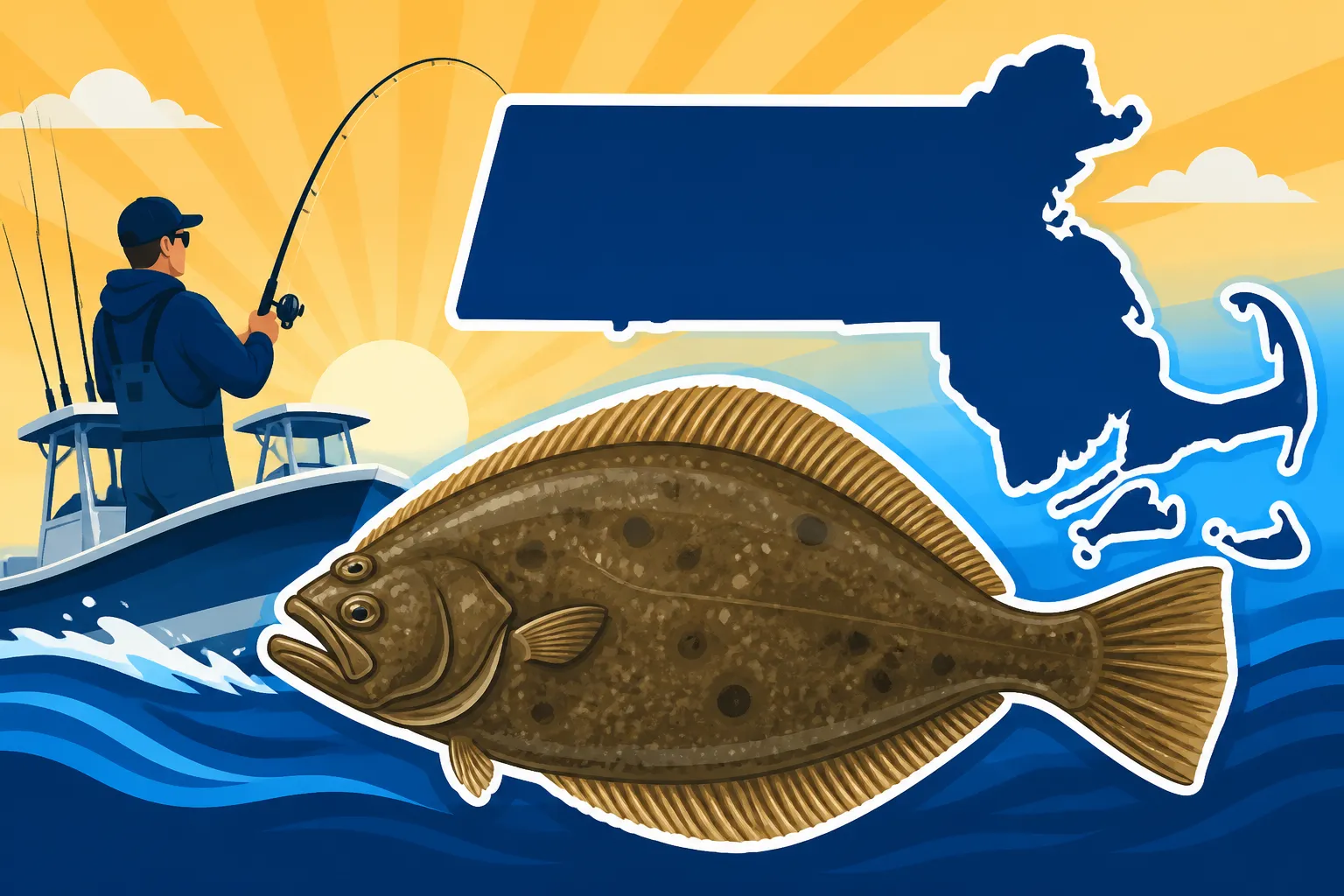
Massachusetts fluke season opening date for 2026
It's incredibly frustrating when you're trying to plan your fishing trips months, or even a year, in advance, only to find that the specific season dates for your favorite species aren't locked in yet. We all know that feeling of eagerness mixed with uncertainty! This guide aims to clear up some of that confusion, specifically focusing on what we can anticipate for the Massachusetts fluke season opening date in 2026, alongside other crucial details like size and bag limits that often go hand-in-hand with season announcements.
Understanding Massachusetts Fluke Fishing Regulations
Fluke, also known as summer flounder, are one of those highly sought-after species that draw countless anglers to Massachusetts' coastal waters each year. But catching them isn't just about finding the right spot or the perfect lure; it's also about understanding and adhering to a complex web of regulations that can, and often do, change from year to year.
Why Specific Dates Matter for Fluke Anglers
Imagine planning a family vacation to Cape Cod, renting a boat, and having your heart set on fresh fluke for dinner, only to discover the season hasn't opened yet, or perhaps it just closed. It's a real bummer, right? That's why having a solid grasp on season opening and closing dates, as well as daily bag and size limits, is absolutely paramount. These regulations aren't just arbitrary rules; they're carefully crafted by marine biologists and fisheries managers to ensure the long-term health and sustainability of the fluke population. Fishing outside these dates or limits can lead to significant penalties, including fines and confiscation of your catch and gear. It’s always best to be informed. For a broader overview of all the rules, check out our guide on Massachusetts Recreational Fishing Rules and Bag Limits.
Moreover, knowing the dates helps you plan your tackle and techniques. Early season fluke might respond differently than mid-summer fish. It influences what kind of bait you're stocking up on, or whether you're focusing on drift fishing or anchoring over known structures. For instance, understanding the typical season allows you to mentally prepare your gear, like ensuring your fluke rigs are tied and your bucktails are ready. It's all part of the preparation that makes a successful fishing trip.
The Regulatory Bodies at Play
When it comes to saltwater species like fluke, the primary authority you'll be looking to in Massachusetts is the Massachusetts Division of Marine Fisheries (DMF). Unlike freshwater species, which are managed by MassWildlife, the DMF is responsible for the conservation and management of all marine fisheries resources within the state's jurisdiction.
However, it's not quite that simple. Fluke are a migratory species that move up and down the Atlantic coast, which means their management is also influenced by regional and federal bodies. The Atlantic States Marine Fisheries Commission (ASMFC) and the Mid-Atlantic Fishery Management Council (MAFMC) play a critical role in setting overall quotas and guidelines for summer flounder across multiple states. Massachusetts, through the DMF, then develops its specific regulations (season dates, size limits, bag limits) to align with these federal and interstate mandates, while also considering local stock assessments and public input. This multi-layered approach means that while the DMF is your direct source for Massachusetts rules, those rules are part of a much larger conservation effort, which explains why they can fluctuate. Many of these rules also impact when and how you apply for your Massachusetts Saltwater Recreational Fishing Permit Explained.
Projecting the 2026 Massachusetts Fluke Season Opening Date
Trying to nail down a specific date for 2026 right now is like trying to predict the exact path of a hurricane two years out – there are just too many variables! But what we can do is look at historical trends, understand the regulatory process, and identify the factors that influence these decisions.
How Fluke Seasons Are Typically Determined
The process of determining fluke seasons is a fascinating, albeit sometimes frustrating, dance between science and policy. It usually begins with stock assessments conducted by federal and state biologists. These assessments analyze data on fluke population size, spawning success, fishing mortality, and environmental factors. Based on these findings, the MAFMC and ASMFC will recommend a total allowable catch (TAC) for the entire region. This TAC is then allocated among the various states, including Massachusetts.
Once Massachusetts receives its quota, the DMF steps in. They take this quota and, through a series of internal discussions, public hearings, and expert consultations, craft a proposal for the state's recreational fishing regulations. This proposal will include not only the season opening and closing dates but also the minimum size limits and daily bag limits. The goal is to design regulations that will keep the total recreational catch within Massachusetts' allocated quota, while also trying to provide as much fishing opportunity as possible. This entire process means that proposals often change, and final regulations aren't usually announced until closer to the actual fishing season, often in late winter or early spring of the year in question. This is a common practice for many species, so if you're curious about others, you might want to look into Massachusetts Fishing Seasons Explained.
Looking at Past Seasons for Clues
While we can't give you a definitive 2026 date, examining recent fluke seasons in Massachusetts offers the best insight into what to expect. Historically, the recreational fluke season in Massachusetts has typically opened in late May or early June and extended through the summer and into the early fall.
For instance, in 2023, the season opened on May 24th and ran through September 24th. In 2024, the season followed a similar pattern, opening on May 24th. This consistency gives us a strong indication that late May is a very probable target for the 2026 opening. It allows for a good portion of the spawning season to occur before intense fishing pressure begins, and also aligns with when fluke become more prevalent in our waters. These dates are generally stable unless there's a significant change in the stock assessment or federal mandates.
Key Factors Influencing Season Adjustments
While late May/early June is a strong bet for the opening, several factors can shift these dates, even slightly.
- Stock Health: This is paramount. If a new stock assessment shows a significant decline in the fluke population, federal councils might recommend stricter measures, leading to a later opening, an earlier closing, or reduced bag/size limits. Conversely, a healthy stock could potentially lead to more liberal regulations.
- Federal Quota Changes: The total allowable catch (TAC) from MAFMC/ASMFC can fluctuate. If Massachusetts receives a smaller allocation, the DMF will have to adjust its regulations to ensure the state stays within its limit, which might impact the season length or start.
- Environmental Conditions: While not usually a direct trigger for date changes, factors like unusually cold springs or late migrations of baitfish can sometimes be considered in public hearings, although biological stock health remains the primary driver.
- Public Input: The DMF holds public hearings and solicits comments from anglers and stakeholders. Strong, data-backed arguments from the fishing community can sometimes influence how regulations are structured, though rarely on the core opening dates unless there's a compelling conservation reason.
- Interstate Consistency: Efforts are often made to maintain some level of consistency with neighboring states like Rhode Island or New York, especially for highly mobile species like fluke. This can sometimes factor into regional decisions that then influence Massachusetts. For more on how state lines impact fishing, you might want to read about Out-of-State Fishing License Reciprocity and Massachusetts.
What Else to Know About Massachusetts Fluke Fishing
Beyond just the season dates, there are other critical pieces of information that every angler targeting fluke in Massachusetts should be aware of. These regulations and practices contribute to both conservation and your success on the water.
Current Fluke Size and Bag Limits (and Potential 2026 Changes)
It's not enough to know when you can fish; you also need to know what you can keep. Massachusetts has specific size and bag limits for recreational fluke fishing, and these are often the most common point of confusion or accidental violation. For the most recent seasons, Massachusetts has typically had different minimum size limits depending on whether you are fishing from shore or from a boat.
For example, in recent years, the minimum size for fluke caught from a private vessel has often been 19 inches, with a daily bag limit of 4 fish per person. However, for those fishing from shore or a pier, the minimum size limit has sometimes been slightly lower, like 18 inches, with the same bag limit of 4 fish. This distinction is important and can easily be overlooked. Always measure your fish carefully from the tip of the snout to the end of the tail. Using a reliable measuring device is crucial. These limits are subject to change for 2026, just like the season dates, so it’s imperative to check the most current regulations as they are released by the DMF. For a deep dive into these specifics, our article on Massachusetts Fluke Size Limits Explained is a great resource.
Essential Gear for Fluke Fishing
Fluke fishing is incredibly rewarding, and having the right gear can make all the difference. You don't need highly specialized, expensive equipment, but a few key items will significantly boost your chances.
- Rod and Reel: A medium-light to medium action spinning rod, around 7 to 8 feet long, paired with a matching spinning reel in the 3000-4000 series range, is ideal. This setup provides enough backbone to handle larger fluke while still offering sensitivity for subtle bites. Many anglers find great deals and a wide selection on Amazon for these types of combos.
- Line: Spool your reel with 15-20 lb braided line. Braid offers superior sensitivity, minimal stretch, and excellent casting distance. Be sure to use a 20-30 lb fluorocarbon leader, about 3-6 feet long, as fluke can be line-shy in clear water.
- Rigs: The classic "fluke rig" is a must-have. This typically consists of a dropper loop or snelled hook (often a Kahle or octopus hook, size 2/0 to 4/0) above a sinker, with a spinner blade or bead for added attraction. Some anglers prefer bucktail jigs tipped with bait.
- Bait: Live bait is king for fluke. Common choices include spearing (silversides), killifish, squid strips, or pieces of mackerel. Gulp! artificial baits, particularly in chartreuse or white, are also incredibly effective when tipped on a jig or a baited rig.
- Sinkers: You'll need an assortment of sinker weights (from 1 oz to 4 oz, or even heavier in strong current) to ensure your bait stays on the bottom where fluke lie in wait.
- Net: A long-handled landing net with rubberized mesh is invaluable for safely bringing a keeper fluke into the boat or up onto the shore without losing it at the last minute.
Having a diverse tackle box ready to go can certainly enhance your fishing experience. You can find many of these items, from lead sinkers to bait hooks, readily available on Amazon for convenient purchase and delivery straight to your door.
Here’s a quick overview of recent fluke season details:
| Year | Opening Date | Closing Date | Boat Minimum Size | Shore Minimum Size | Daily Bag Limit |
|---|---|---|---|---|---|
| 2023 | May 24 | Sept 24 | 19 inches | 18 inches | 4 fish |
| 2024 | May 24 | Sept 24 | 19 inches | 18 inches | 4 fish |
| 2025 | Likely May 22-25 | Likely Sept 22-25 | Expected 19 inches | Expected 18 inches | Expected 4 fish |
| 2026 | To Be Announced | To Be Announced | To Be Announced | To Be Announced | To Be Announced |
Note: All 2025 and 2026 dates and regulations are projections based on historical data and are subject to change by the Massachusetts Division of Marine Fisheries (DMF) and federal mandates.
Where to Find the Most Up-to-Date 2026 Regulations
Given that the 2026 fluke season opening date and associated regulations are still in flux, it's vital to know where to turn for the definitive word when the time comes.
The single most reliable source will always be the official Massachusetts Division of Marine Fisheries (DMF) website. They are responsible for issuing the final rules and will post them as soon as they are approved. You'll typically find press releases or direct updates under their "Recreational Regulations" or "Marine Fisheries News" sections.
Additionally, keeping an eye on local bait and tackle shops can be incredibly helpful. Store owners and staff are often the first to hear about upcoming changes and usually display the most current regulations prominently. Many also sell the Massachusetts Fishing Regulations Pamphlet, Explained, which is an invaluable resource.
Another great way to stay informed is through official Mass.Gov email lists or social media channels for the DMF. Subscribing to these alerts ensures you receive notifications directly in your inbox as soon as new regulations are announced. Don't rely on hearsay or old fishing forums; always double-check with an official source. This proactive approach will save you potential headaches and ensure your fishing adventures are always compliant and enjoyable. When it comes to something as vital as a Massachusetts Fishing License Guide, you always want to make sure your information is current.
Disclaimer
The information provided in this article is for general guidance and informational purposes only and is subject to change. While we strive to provide accurate and up-to-date content, fishing regulations, season dates, and limits are determined by state and federal agencies and can be modified at any time. Always consult the official Massachusetts Division of Marine Fisheries (DMF) website or publications for the most current and legally binding regulations before engaging in any fishing activities.