Massachusetts possession limit versus daily bag limit, what’s the difference
Oh, the joy and occasional head-scratching that comes with trying to navigate fishing regulations! It’s a common frustration for so many of us who love to cast a line in Massachusetts waters. You’ve had a fantastic day out, maybe caught a few keepers, and suddenly that little voice in your head pipes up: "Wait, am I allowed to have this many fish in my cooler, or is that only what I can catch today?" This guide is all about clearing up that very real confusion, so you can focus on the fishing, not the fear of inadvertently breaking the rules. We’re going to dive deep into the differences between a "possession limit" and a "daily bag limit" to make sure you understand exactly what’s what.
The Daily Catch: What "Daily Bag Limit" Truly Means
Let's start with the "daily bag limit" because, honestly, it's often the first thing new anglers hear about. This limit refers to the maximum number of a specific species of fish that a person is allowed to harvest and keep within a single calendar day, or more precisely, within a 24-hour period. Think of it as your daily allowance. Once you've caught and kept that number, you're done harvesting for that particular species until the next day begins.
Defining Your Catch Per Day
When we talk about a daily bag limit, it's crucial to understand that it applies to a single fishing trip or a 24-hour cycle. For instance, if the daily bag limit for rainbow trout is five, and you catch five beautiful trout in the morning and decide to keep them, your daily limit for rainbow trout is met. You cannot go out again that afternoon or evening and keep five more rainbow trout. Your "bag" for the day is full. This rule is designed to prevent individual anglers from putting excessive pressure on fish populations over a short period. It helps distribute the harvest more equitably among all anglers and protects the resource.
This limit often includes specific size restrictions as well. For example, not only might you be limited to a certain number of fish, but those fish also need to fall within a legal "slot limit" – meaning they can't be too small or too large. This is especially true for popular species like striped bass. For a full breakdown, you can check out our guide on the Massachusetts Striped Bass Slot Limit Explained. So, when you're out there, it's not just about counting heads; it's also about whipping out that tape measure!
Why We Have Daily Bag Limits
At its heart, the daily bag limit is a vital tool for conservation and sustainable fishing practices. Imagine if there were no limits; everyone could take as many fish as they wanted, and certain popular species would be depleted incredibly fast. MassWildlife, the state agency responsible for managing fish and wildlife resources, sets these limits after careful scientific study of fish populations, breeding cycles, habitat health, and angler pressure.
These limits ensure that enough fish survive to reproduce, maintaining healthy populations for future generations of anglers. It’s a balance between providing recreational opportunities and protecting the ecosystem. When populations are robust, limits might be more generous; when a species is struggling, limits can be tightened, or seasons can be closed entirely. It's all part of the larger effort to preserve Massachusetts' diverse aquatic life, from the smallest panfish in our freshwater ponds to the mighty tuna off our coast. Understanding these limits is a fundamental part of responsible angling, helping all of us become better stewards of our natural resources.
Common Misunderstandings About Daily Limits
One of the biggest confusions I hear from fellow anglers goes something like this: "I caught my limit, but then I released them all and caught five more. Is that okay?" And the answer, often to their surprise, is usually "no" if your intent was to repeatedly catch and release after already bagging your legal keepers. The daily bag limit applies to the fish you harvest and retain. Once a fish is placed in a cooler, livewell, or on a stringer with the intent to keep it, it counts towards your limit. You can't just discard fish that have already been counted towards your daily limit to make room for bigger ones. That's a big no-no and considered "culling," which is illegal for most species.
However, catch-and-release fishing before you reach your limit is perfectly fine and encouraged! Many anglers enjoy the sport of fishing without ever taking a single fish home. The issue arises when you decide to keep fish, meet your limit, and then continue fishing with the intent to keep more by swapping out smaller fish for larger ones. Always remember: once you've decided to harvest a fish and it's counted towards your daily limit, that's it for that species for the day for that particular fish. For detailed guidelines on various species, our resource on Massachusetts Freshwater Daily Catch Limits and Massachusetts Saltwater Bag Limits by Species can be incredibly helpful.
Holding Onto Your Haul: Demystifying the "Possession Limit"
Now, let's tackle the "possession limit." This is where things can get a bit more nuanced, especially for anglers who enjoy multi-day trips or have a well-stocked freezer. The possession limit refers to the maximum number of fish of a particular species that an individual is allowed to have in their possession at any given time, regardless of when or where they were caught. This includes fish in your cooler, in your boat, in your vehicle, at your camp, or even in your home freezer. It's a cumulative total.
Understanding Your Total Stash
Think of the possession limit as your total inventory. It's not just about what you caught today, but what you have right now. For example, if the daily bag limit for a certain species is five fish, but the possession limit is ten, it means you can theoretically fish for two days (taking five fish each day) and have a total of ten fish in your possession. On day three, if you still have ten fish in your freezer, you cannot keep any more fish of that species until some of your current stash is consumed, gifted, or otherwise disposed of, bringing your total possession below the limit.
This regulation is designed to prevent the accumulation of vast quantities of fish over multiple outings, which could also lead to overharvesting if not properly managed. It also helps enforcement officers ensure that anglers aren't circumventing daily limits by simply spreading out their catch over several "daily" trips without adhering to an overall maximum. This rule helps paint a clearer picture of an angler's total impact on a fish population.
The Key Difference from Daily Limits
The crucial distinction lies in the timeframe and accumulation. The daily bag limit is a per-day restriction on harvest, whereas the possession limit is an overall restriction on inventory. You might hit your daily bag limit on Monday, Tuesday, and Wednesday, but if the possession limit is lower than the sum of those daily catches, you'll be in violation if you haven't consumed or distributed some of your catch.
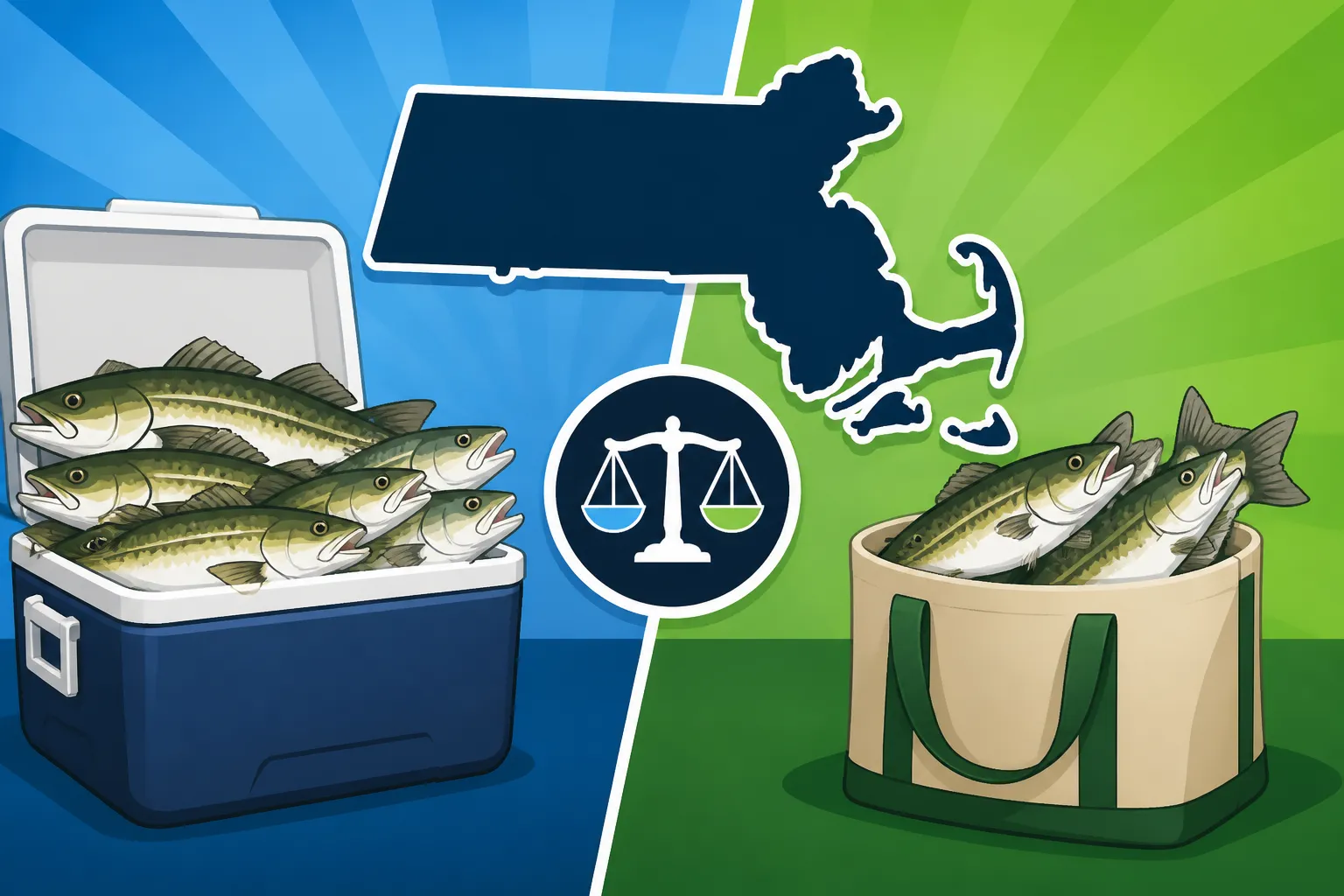
Let's illustrate:
- Daily Bag Limit: You can only catch and keep 5 trout today.
- Possession Limit: You can only have 10 trout total in your cooler, freezer, or anywhere else at any given moment.
So, if you catch 5 trout on Monday (hitting your daily limit) and put them in your freezer, and then catch another 5 trout on Tuesday (hitting your daily limit again), you now have 10 trout in your possession. If the possession limit is 10, you are perfectly fine. However, if you then decide to go fishing on Wednesday, you cannot keep any more trout, even if you could catch 5 more, because your total possession would exceed 10. You'd need to consume some of your stored trout first. This is a common situation that trips up many anglers, so it's vital to keep track of what you've got stashed away.
When Possession Limits Become Critical
Possession limits truly become critical when you're embarking on extended fishing trips, especially those spanning multiple days, or if you regularly keep fish in your home freezer. Imagine a long weekend trip to the Berkshires, targeting trout. You catch your daily limit on Friday, again on Saturday, and perhaps a few more on Sunday. If you haven't processed or consumed any fish, you could quickly exceed the possession limit by the end of your trip.
It's also important when transporting fish. If you're driving home from a fishing excursion, enforcement officers can check your cooler or livewell for fish that exceed the possession limit. This isn't about whether you caught them all today, but whether the total number of fish you have with you (or in your home, generally) aligns with the overall limit. For anyone venturing into the great fishing spots of Massachusetts, being aware of both limits is paramount. When packing for your trip, consider bringing a separate cooler for fish that are going to be consumed immediately versus those you plan to freeze for later, and keep a mental tally of your stock.
Navigating the Waters: Practical Application and Staying Legal
Understanding the definitions is one thing, but applying them in real-world fishing scenarios is where the rubber meets the road. It can feel like a bit of a mental exercise sometimes, but with a few good habits, you'll be navigating these rules like a seasoned pro.
Scenario Breakdown: Keeping It Straight
Let's walk through some examples to clarify:
Scenario 1: Freshwater Trout Fishing Weekend
- Rules: Daily bag limit for trout is 5, possession limit is 10.
- Friday: You go fishing at a local pond, like those stocked by MassWildlife. You catch and keep 5 beautiful rainbow trout. You've met your daily limit. You put them in your cooler and head home. Current possession: 5 trout.
- Saturday: You head out again. You catch 5 more trout and keep them. You've met your daily limit for Saturday. You now have the 5 from Friday and 5 from Saturday. Current possession: 10 trout.
- Sunday: You want to fish one last time. Can you keep any more trout? No, because you already have 10 trout in your possession, which is your possession limit. Even if you could catch another 5, you cannot keep them without first reducing your current possession below 10. You could, however, enjoy some catch-and-release fishing!
Scenario 2: Striped Bass Fishing on the Coast
- Rules: Daily bag limit for striped bass is 1 fish, within a specific slot limit (e.g., 28 to 31 inches). The possession limit is also 1.
- Any Day: You fish for striped bass. You catch one keeper (within the slot). That's it. You cannot keep any more striped bass today, nor can you have more than one striped bass in your possession at any time. This means if you still have last week's striped bass fillets in your freezer, you can't keep a new one until you've eaten or gifted the older one. For highly regulated species like striped bass, the daily and possession limits are often identical to exert maximum conservation pressure, which makes things a bit simpler! You can learn more about How to Catch Striped Bass in Massachusetts while staying within these limits.
These scenarios highlight why it's so important to know both limits.
Essential Tools and Habits for Compliance
Staying within the rules doesn't have to be a burden. Here are some practical tips:
- Check Current Regulations: Always, always, always consult the most current Massachusetts fishing regulations. These can change yearly, sometimes even mid-season, based on fish stock assessments. You can usually find the official booklet online via the MassWildlife website or pick up a physical copy at many bait and tackle shops. Our guide on the Massachusetts Fishing Regulations Pamphlet, Explained tells you exactly where to find this crucial document.
- Keep a Log: For multi-day trips or if you fish frequently and keep your catch, a simple fishing log can be a lifesaver. Jot down the date, species, and number of fish kept.
- Measuring Devices: Always carry a reliable tape measure or ruler. Many tackle boxes or even boat floors have built-in measuring decals. You can find excellent, waterproof measuring tapes specifically for fishing on Amazon to ensure you're always ready to check your catch against the legal size limits.
- Cooler Management: Keep your daily catch separate if you're on a multi-day trip and need to track. Some anglers even label bags by the date caught.
- Know Your Species: Accurately identifying your catch is fundamental. Limits vary by species, so mistaking a smallmouth bass for a largemouth bass (or vice versa) could lead to an unintentional violation if their limits differ.
The Serious Side: Penalties for Violations
Ignoring or misunderstanding daily bag and possession limits can lead to serious consequences. Massachusetts environmental police officers regularly patrol fishing areas, both freshwater and saltwater, and they are vigilant about enforcing these rules. If you're caught exceeding a daily bag limit or possession limit, you could face significant fines, confiscation of your catch and gear, and even the suspension of your fishing license. These penalties are not just slaps on the wrist; they are designed to deter overharvesting and reinforce the importance of sustainable practices. Our article on Penalties for Fishing Without a License in Massachusetts offers a broader look at the consequences of non-compliance, which extends beyond just licensing.
Beyond the legal ramifications, there's the ethical side. Each fish illegally taken is a fish that can't contribute to the ecosystem or be caught by another angler. As responsible members of the fishing community, it's our duty to understand and respect these regulations.
Species-Specific Examples: A Closer Look
Massachusetts boasts an incredible diversity of fish, and naturally, the rules vary quite a bit depending on what you're targeting. Let's delve into some common examples to show how these limits play out.
Freshwater Favorites: Trout and Bass
For many freshwater anglers, trout and bass are prime targets. MassWildlife actively manages these populations, especially trout, through extensive stocking programs.
For trout, the daily bag limit is typically 5 fish, with a minimum size of 9 inches for brook, brown, and rainbow trout in most waters, but the possession limit is usually 10. This means you can have two days' worth of legal trout in your freezer or cooler at home. However, it's important to remember that these limits can vary for specific bodies of water, such as certain ponds or rivers with special regulations (e.g., fly-fishing-only sections, catch-and-release areas, or trophy trout waters). Always double-check the specific regulations for the water you plan to fish. You can also explore our article on the Massachusetts Trout Stocking Schedule to plan your trips around when these popular fish are most abundant.
Largemouth and Smallmouth Bass usually have a daily bag limit of 5 fish, with a minimum length of 12 inches, and a possession limit of 10. So, similar to trout, you can accumulate up to two daily limits in your possession. However, during certain times of the year, like the spring spawning season, some bass regulations might become catch-and-release only, or daily limits may be reduced to protect spawning fish. It's crucial to consult the official MassWildlife guide for the most up-to-date details, as these regulations are dynamic and responsive to environmental factors and population health.
Salty Catches: Striped Bass and Fluke
Saltwater fishing brings its own set of rules, which can often be more complex due to migratory patterns and federal-state collaborations in fisheries management.
Striped Bass are perhaps the most iconic and highly regulated saltwater fish in Massachusetts. For recreational anglers, the daily bag limit is typically just one fish, and that fish must fall within a very specific "slot limit," meaning it cannot be shorter than 28 inches and not longer than 31 inches. Importantly, the possession limit for striped bass is also 1 fish. This means you can only have one legally-sized striped bass in your possession at any time, whether it's in your boat, cooler, or freezer at home. This strict regulation is a direct response to conservation concerns for this highly prized species and underscores the need for anglers to be extra diligent. For deep dives into striped bass rules, our guide on Massachusetts Striped Bass Slot Limit Explained is an essential read.
Fluke (Summer Flounder) regulations can be a bit tricky, often varying by season and sometimes even by whether you're fishing from shore or a boat, or by what gear you're using. Generally, the daily bag limit for fluke might be 5 fish, with a minimum size of 16.5 inches, and the possession limit will mirror the daily limit. However, always verify the current year's rules. These regulations are designed to protect the juvenile fish and allow larger, spawning-aged fish to reproduce. Many anglers use a simple, reliable tape measure (like one you can easily order from Amazon) to make sure their fluke are well within the legal size before putting them in the cooler. For a more complete overview of all the saltwater regulations, check out our resource on Massachusetts Saltwater Bag Limits by Species.
Summary Table: Daily vs. Possession Limits (Examples)
To help visualize these concepts, here's a quick comparison of how daily and possession limits might look for a few popular Massachusetts fish species. Please remember that these are illustrative examples, and actual regulations can change annually. Always check the latest MassWildlife guide!
| Species | Typical Daily Bag Limit | Typical Possession Limit | Notes (Always check current regulations!) |
|---|---|---|---|
| Rainbow Trout | 5 fish | 10 fish | Minimum size often 9 inches. Possession limit allows for accumulation over multiple days, but daily limit still applies to each 24-hour period. |
| Largemouth Bass | 5 fish | 10 fish | Minimum size often 12 inches. Similar to trout, you can accumulate up to two days' worth of legal bass. |
| Striped Bass | 1 fish (slot limit) | 1 fish | Very strict! One fish between 28-31 inches. Daily and possession limits are often identical to prevent any accumulation, emphasizing conservation. |
| Black Sea Bass | 5 fish | 5 fish | Minimum size and season dates apply. Limits are typically identical, meaning you cannot accumulate more than your daily limit. |
| Fluke (Summer Flounder) | 5 fish | 5 fish | Minimum size often 16.5 inches. Limits are typically identical. Be aware of potential variations for shore vs. boat fishing or specific times of the year. |
| Bluefish | 10 fish | 10 fish | No minimum size, but the daily and possession limits are usually identical. They are often caught in large numbers, but their limits help manage the population. |
This table isn't exhaustive, but it provides a snapshot of how these limits often differ or align depending on the species and conservation needs. The common theme? Always be informed!
Final Thoughts on Limits and Responsible Angling
Understanding the difference between daily bag limits and possession limits is truly a cornerstone of responsible fishing in Massachusetts. It’s not just about avoiding fines, though that's certainly a perk! It's about being a good steward of our shared natural resources, ensuring that the incredible fishing opportunities we enjoy today will still be around for our kids and grandkids to experience.
The rules might seem like a bit of a maze at first, especially with specific regulations for different species, sizes, and even bodies of water. But with a little attention to detail, a quick check of the MassWildlife regulations before each season, and perhaps a small log to keep track of your catch, you'll be navigating these waters with confidence. Happy fishing, and may your lines be tight and your coolers legally compliant!
Disclaimer
The information provided in this guide is for general informational purposes only and is subject to change. Fishing regulations in Massachusetts are complex and can be updated frequently by MassWildlife. Always consult the most current official Massachusetts fishing regulations guide or the MassWildlife website before engaging in any fishing activities to ensure compliance with all state and federal laws.