How Massachusetts fishing license fees fund conservation programs
For many of us who love casting a line into Massachusetts’ beautiful waters, buying that annual fishing license can sometimes feel like just another chore, another fee to pay. You might even wonder, as you hit "submit" on MassFishHunt or hand over your cash at the bait shop, exactly where that money goes. Is it just disappearing into some bureaucratic black hole? Absolutely not! That perception can be frustrating, especially when you’re just trying to enjoy a peaceful day on the water. This comprehensive guide is here to pull back the curtain and show you precisely how your Massachusetts fishing license fees are critical investments, directly funding the conservation programs that protect our fish, their habitats, and ensure future generations can enjoy the same incredible fishing experiences we do today.
The Essential Role of Fishing License Fees in Massachusetts Conservation
Think about the sheer joy of reeling in a feisty striped bass off Cape Cod or the quiet satisfaction of landing a brook trout in a clear Western Massachusetts stream. These experiences aren't accidental; they're the direct result of dedicated conservation efforts, and at the heart of those efforts are the fees collected from fishing licenses. It's easy to just see it as a necessary permit, but in reality, it’s a direct contribution to keeping our aquatic ecosystems vibrant and healthy.
More Than Just a Permit: A Contribution to Ecosystem Health
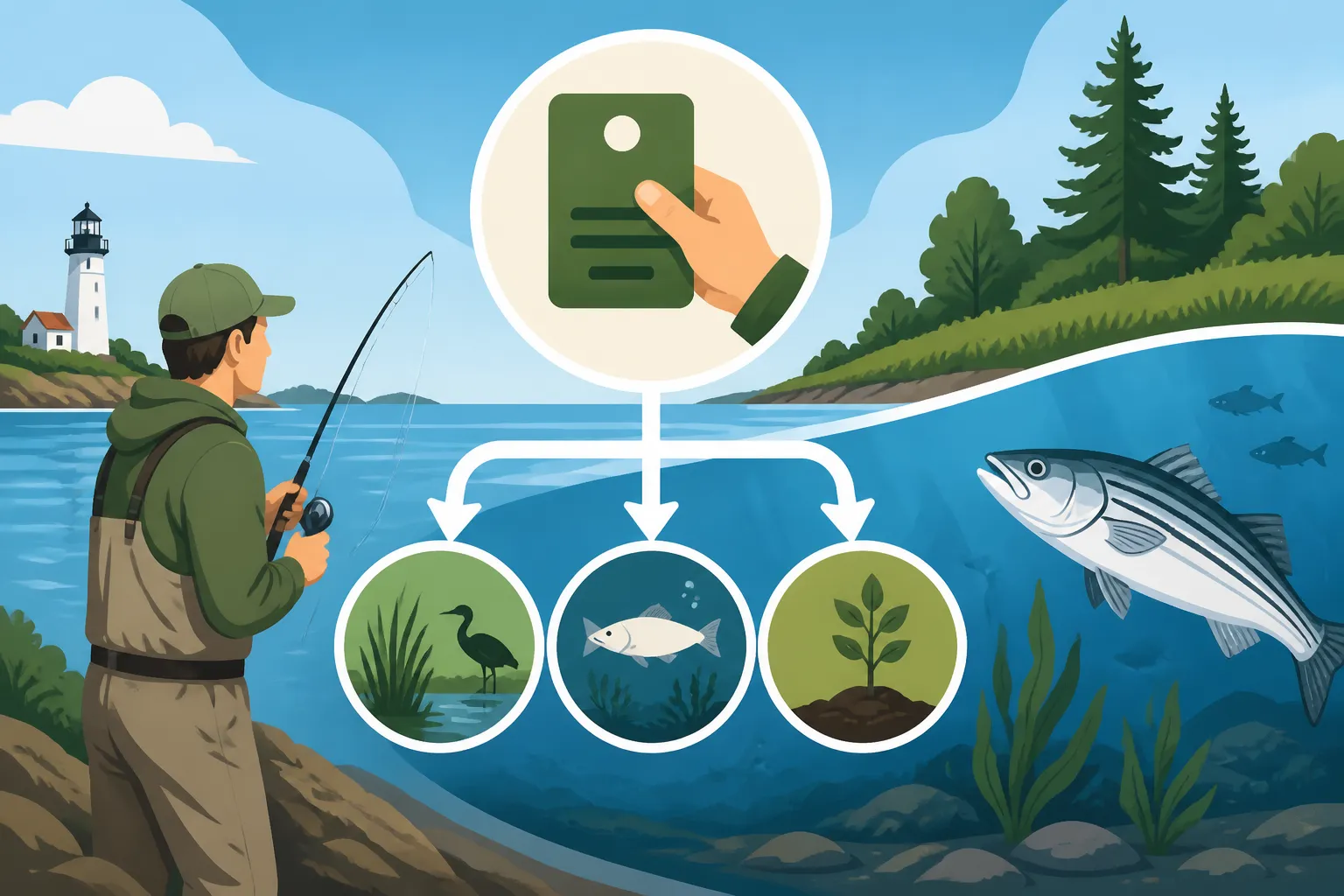
When you purchase a Massachusetts Fishing License Guide, you're not just buying a piece of paper or a digital record. You're becoming a stakeholder in the ecological health of the Commonwealth. Every dollar from those fees is earmarked for specific programs managed by the Massachusetts Division of Fisheries and Wildlife (MassWildlife). This money isn't tossed into the general state fund; it's a dedicated revenue stream. This means it goes directly into projects that protect and restore critical fish habitats, manage fish populations responsibly, and fund scientific research to understand and address challenges facing our fisheries. Without these funds, many of the healthy ponds, rivers, and coastal areas we enjoy today would simply not be able to sustain the fish populations we cherish. It’s an investment in the future of fishing, pure and simple.
The Legal Framework: How Fees Are Collected and Distributed
MassWildlife is the state agency responsible for managing all fish and wildlife resources, and they are the primary recipient of fishing license revenues. The funds flow into dedicated accounts, ensuring they are used solely for conservation and related programs. But it goes deeper than just state-level funding. Your state license also unlocks significant federal matching funds through the Sport Fish Restoration Act, often referred to as the Dingell-Johnson Act. This act, established in 1950, collects excise taxes on fishing equipment, motorboat fuels, and other related items. When you purchase fishing gear, whether it's a new reel from a local tackle shop or something convenient from Amazon, a portion of that sale contributes to this federal fund. The state then qualifies for matching grants from this federal pot, often at a 3-to-1 federal-to-state ratio. This means a dollar from your license fee can effectively become four dollars for conservation when matched with federal aid. This powerful partnership significantly amplifies the impact of your individual contribution, allowing MassWildlife to undertake projects far larger and more ambitious than state funds alone could support. It's a system designed to maximize the positive impact of every angler's dollar.
Direct Conservation Initiatives Funded by Your License
The impact of your fishing license fees is tangible, supporting a wide array of programs that directly benefit fish and fishing opportunities across Massachusetts. These aren't abstract concepts; they are real, on-the-ground efforts that ensure the places you love to fish continue to thrive.
Restoring and Protecting Aquatic Habitats
One of the most critical uses of license fees is for habitat restoration and protection. Fish need clean water, healthy spawning grounds, and intact ecosystems to survive and reproduce. Your fees help fund projects such as:
- Dam Removal and Stream Connectivity: Obsolete dams can block fish migration routes, fragment habitats, and warm water unnecessarily. MassWildlife uses license funds to support projects that remove these barriers, reconnecting miles of streams and rivers for species like trout, salmon, and river herring. This allows fish to access historical spawning grounds and cooler water refugia, which is vital for their long-term survival.
- Wetland Restoration: Wetlands act as natural filters, improving water quality, and providing essential nursery habitat for many fish species. Fees help fund projects to restore degraded wetlands, enhancing biodiversity and providing critical shelter and food sources for juvenile fish.
- Shoreline Stabilization and Erosion Control: Eroding shorelines can introduce sediment into waterways, smothering spawning beds and reducing water clarity. License funds are used for projects that stabilize banks, plant native vegetation, and protect riparian zones, leading to healthier aquatic environments. Imagine the clarity returning to a beloved stream – that’s your license dollars at work.
Fish Stocking and Population Management
While wild fish populations are the ultimate goal, stocking programs are essential for many popular fisheries, especially for species like trout, and for creating immediate fishing opportunities for anglers. Your license fees directly support MassWildlife’s extensive fish stocking operations:
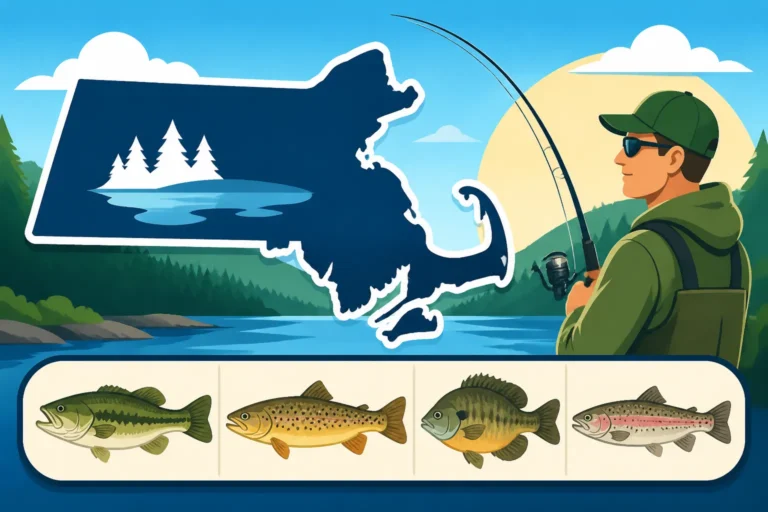
- Trout Hatcheries: Massachusetts operates several state-of-the-art fish hatcheries that raise hundreds of thousands of trout – including brook, brown, rainbow, and sometimes even tiger trout – each year. These fish are then distributed to lakes, ponds, and rivers across the state. Your fees cover the operational costs of these hatcheries, including feed, equipment, and the dedicated staff who ensure healthy fish are available for anglers. You can find detailed information on when and where these fish are released by checking the Massachusetts Trout Stocking Schedule. These programs ensure that even heavily fished areas remain productive and enjoyable for anglers of all skill levels.
- Warmwater Fish Management: Beyond trout, fees also support the management of warmwater species like largemouth bass, smallmouth bass, perch, and pike. This includes population surveys, habitat enhancements (like installing fish structures), and regulating harvest limits to ensure sustainable populations. This means that whether you’re targeting trophy bass or panfish for the family, your contribution helps keep those opportunities plentiful.
- Disease Monitoring and Prevention: Maintaining healthy fish populations involves preventing the spread of diseases. Funds are allocated to monitoring fish health in hatcheries and wild populations, implementing biosecurity measures, and responding to disease outbreaks to protect the integrity of our fisheries.
Research, Monitoring, and Data Collection
Effective conservation isn't possible without sound science. License fees are crucial for funding the research and monitoring programs that provide the data MassWildlife needs to make informed management decisions:
- Fish Population Surveys: Biologists conduct regular surveys using various techniques (electrofishing, netting, creel surveys) to assess fish populations, age structures, and growth rates in both freshwater and saltwater environments. This data helps determine if populations are healthy, declining, or if management strategies need adjustment.
- Water Quality Testing: Monitoring water quality is essential for understanding the health of aquatic ecosystems. Fees support testing for pollutants, dissolved oxygen levels, temperature, and other parameters that impact fish survival.
- Habitat Mapping and Assessment: Comprehensive mapping of critical habitats, including spawning grounds, nursery areas, and feeding grounds, helps MassWildlife identify priority areas for protection and restoration. This scientific understanding underpins every major decision regarding fishing regulations and habitat projects. For example, the scientific data gathered directly influences decisions on Massachusetts Recreational Fishing Rules and Bag Limits, ensuring they are based on the latest understanding of fish biology and population dynamics. These rigorous studies ensure that the regulations you adhere to are scientifically justified and truly beneficial for the fish.
Enhancing Public Access and Education
Beyond direct ecological improvements, your fishing license fees also make fishing more accessible and enjoyable for everyone in Massachusetts. Conservation isn't just about fish; it's about people connecting with nature, and ensuring there are places and knowledge to do so safely and effectively.
Creating and Maintaining Public Access Points
What good are healthy fish populations if anglers can't get to them? License fees are vital for developing and maintaining the infrastructure that provides public access to fishing spots:
- Boat Ramps and Launches: Many public boat ramps and kayak launches across the state are acquired, developed, and maintained using license funds. This provides crucial access for both motorized and non-motorized boats, allowing anglers to reach more diverse fishing grounds. Whether you're launching a small jon boat or a full-sized fishing vessel, the ability to do so often stems from these conservation efforts.
- Shore Fishing Access: Not everyone has a boat, and many popular areas are best fished from shore. Fees support the development of shore fishing access points, including piers, docks, and designated shoreline trails, ensuring that bank anglers have safe and legal places to cast their lines.
- Parking and Facilities: Associated facilities like parking areas, restrooms, and informational kiosks at fishing access points are also funded through these revenues, enhancing the overall experience for visitors. Think of a well-maintained MassWildlife access area – that’s a direct benefit of the funding system.
Educational Programs and Angler Services
Knowledgeable and responsible anglers are the best conservationists. Your license fees help fund educational initiatives that foster a strong conservation ethic:
- Youth Fishing Programs: MassWildlife runs and supports various programs designed to introduce children and new anglers to fishing, teaching them skills, ethics, and the importance of conservation. These programs often provide loaner gear and instruction, removing barriers to participation.
- Angler Education Workshops: From fly-tying classes to seminars on specific fishing techniques or species identification, these workshops help anglers improve their skills and understanding of local fisheries. This also contributes to responsible angling practices, such as proper catch-and-release techniques.
- Informational Resources: The creation and distribution of fishing guides, maps, and regulatory pamphlets are all supported by license fees. For example, having access to the Massachusetts Fishing Regulations Pamphlet, Explained ensures that all anglers can easily understand and comply with current rules, which is fundamental for sustainable fishing. This proactive education helps prevent accidental violations and promotes a shared understanding of conservation principles.
Federal Aid and the Sport Fish Restoration Program
While your state fishing license fee directly supports MassWildlife, its impact is dramatically amplified by a powerful federal partnership. This synergy is a cornerstone of modern fisheries conservation in the United States, including right here in Massachusetts.
The Dingle-Johnson Act: A Critical Funding Partnership
Remember when we mentioned that federal excise tax on fishing gear? That's the heart of the Sport Fish Restoration Act (Dingle-Johnson Act). It’s a remarkable "user pays, user benefits" system. Every time you pick up a new rod, reel, line, lure, or tackle box – whether it's from your local bait shop or ordered conveniently from Amazon – a portion of that sale goes directly into a federal trust fund. This isn't a hidden charge; it's a dedicated tax on manufacturers of fishing tackle, boating fuels, and other related items.
This federal fund is then apportioned back to state wildlife agencies like MassWildlife based on factors like the state's land area and the number of fishing licenses sold. For every dollar the state contributes from its fishing license sales, the federal government can match it with up to three additional dollars. This means your single license fee, which might seem modest on its own, suddenly becomes exponentially more powerful through this matching grant system. It’s a truly innovative funding model that ensures the people who benefit most from healthy fisheries (anglers and boaters) are also the primary funders of their conservation.
Expanding the Reach of Conservation Dollars
This federal aid transforms state conservation efforts. Without the Dingell-Johnson Act, state agencies would be severely limited in their capacity to manage fisheries. The federal matching funds allow MassWildlife to:
- Undertake Larger-Scale Projects: From major dam removals that open up miles of habitat to extensive statewide fish population surveys, the federal matching funds enable projects that would be financially unfeasible with state license revenues alone. This means more ambitious habitat restoration, larger stocking programs, and deeper scientific research.
- Invest in Capital Improvements: Significant investments in fish hatcheries, public boat ramps, and other vital infrastructure often rely heavily on these federal grants. These are long-term assets that provide benefits for decades.
- Sustain Long-Term Research and Monitoring: Continuous, multi-year research projects are expensive. Federal aid provides the stability to fund these critical scientific endeavors, giving MassWildlife the ability to track trends, respond to emerging threats, and adapt management strategies over time. This consistent funding is essential for understanding complex ecosystems and ensuring sustainable fishing for Massachusetts Freshwater Fish Species and Massachusetts Saltwater Fish Species. It’s how long-term goals are met, not just immediate needs.
Transparency and Accountability in Fund Management
It’s natural to want to know that your hard-earned money is being used wisely. MassWildlife understands this completely, and there are mechanisms in place to ensure transparency and accountability in how fishing license fees are managed and spent.
How MassWildlife Ensures Responsible Spending
MassWildlife operates under strict financial guidelines and undergoes regular audits to ensure that funds from fishing licenses are used exclusively for approved conservation and recreation programs. Here’s how they ensure accountability:
- Dedicated Funds: As mentioned earlier, license revenues go into segregated funds, meaning they cannot be diverted for other state expenses. This legal framework is paramount to protecting angler contributions.
- Annual Reporting: MassWildlife typically publishes annual reports that detail its activities, including how funds were allocated and what projects were completed. This information is often available to the public, demonstrating where your money went.
- Public Input and Oversight: In some cases, MassWildlife holds public meetings or solicits feedback on proposed projects or budget allocations, allowing anglers and other stakeholders to voice their opinions and stay informed. This isn't a top-down, opaque system; it aims for engagement and transparency.
- Federal Oversight: Given the federal matching funds through the Sport Fish Restoration Act, the U.S. Fish and Wildlife Service also oversees how states utilize these grants, adding another layer of accountability. They ensure that the projects funded align with the act's conservation goals.
The Wildlands Conservation Stamp: An Additional Contribution
Beyond the standard fishing license fees, Massachusetts also has a unique program called the Wildlands Conservation Stamp. If you purchase certain types of licenses, including annual fishing licenses, you’ll notice a small additional fee for this stamp. It’s a powerful, dedicated funding source that goes beyond direct fisheries management:
- Land Acquisition and Habitat Protection: The primary purpose of the Wildlands Conservation Stamp is to fund the acquisition of new land or conservation easements. This secures critical wildlife habitats, including wetlands, forests, and coastal areas, protecting them from development and ensuring they remain wild and accessible for both wildlife and outdoor recreation. These lands indirectly benefit fisheries by protecting watersheds and maintaining water quality.
- Public Access: Many of the lands acquired through the Wildlands Conservation Stamp also provide new or improved public access for outdoor activities, including hunting, hiking, birdwatching, and, of course, fishing. It’s an investment that creates green spaces for everyone. You can learn more about its specific role and how it functions by reading up on The Massachusetts Wildlands Conservation Stamp Explained. This stamp is a testament to Massachusetts' commitment to broader ecological health, complementing the direct fisheries work funded by your license.
| Program Area | Examples of Activities Funded | Direct Beneficiaries |
|---|---|---|
| Habitat Restoration | Dam removal, stream restoration, wetland enhancement, shoreline stabilization | Fish populations (spawning, migration, survival), overall ecosystem health |
| Fish Stocking | Operation of fish hatcheries, raising and stocking trout and other species | Anglers (increased catch rates), recreational fishing economy |
| Population Management | Fish surveys, species monitoring, disease prevention, setting bag and size limits | Sustainable fish populations, informed regulations |
| Research & Data | Water quality testing, habitat mapping, biological studies on fish species | Scientific understanding, effective conservation strategies |
| Public Access | Construction and maintenance of boat ramps, fishing piers, parking areas, trails | Anglers (especially shore anglers), boaters, recreational users |
| Education & Outreach | Youth fishing clinics, angler education workshops, production of guides and regulations | New anglers, responsible anglers, public understanding of conservation |
| Land Acquisition | Purchase of conservation land (funded by Wildlands Stamp) | Wildlife (including fish), public (for recreation), future generations |
Disclaimer
The information provided in this guide is for general informational purposes only and is subject to change. While we strive to offer the most accurate and up-to-date details, fishing regulations, license costs, and conservation programs can be updated by state and federal agencies. Always consult the official Massachusetts Division of Fisheries and Wildlife (MassWildlife) website or their most current regulations pamphlet before engaging in any fishing activities.