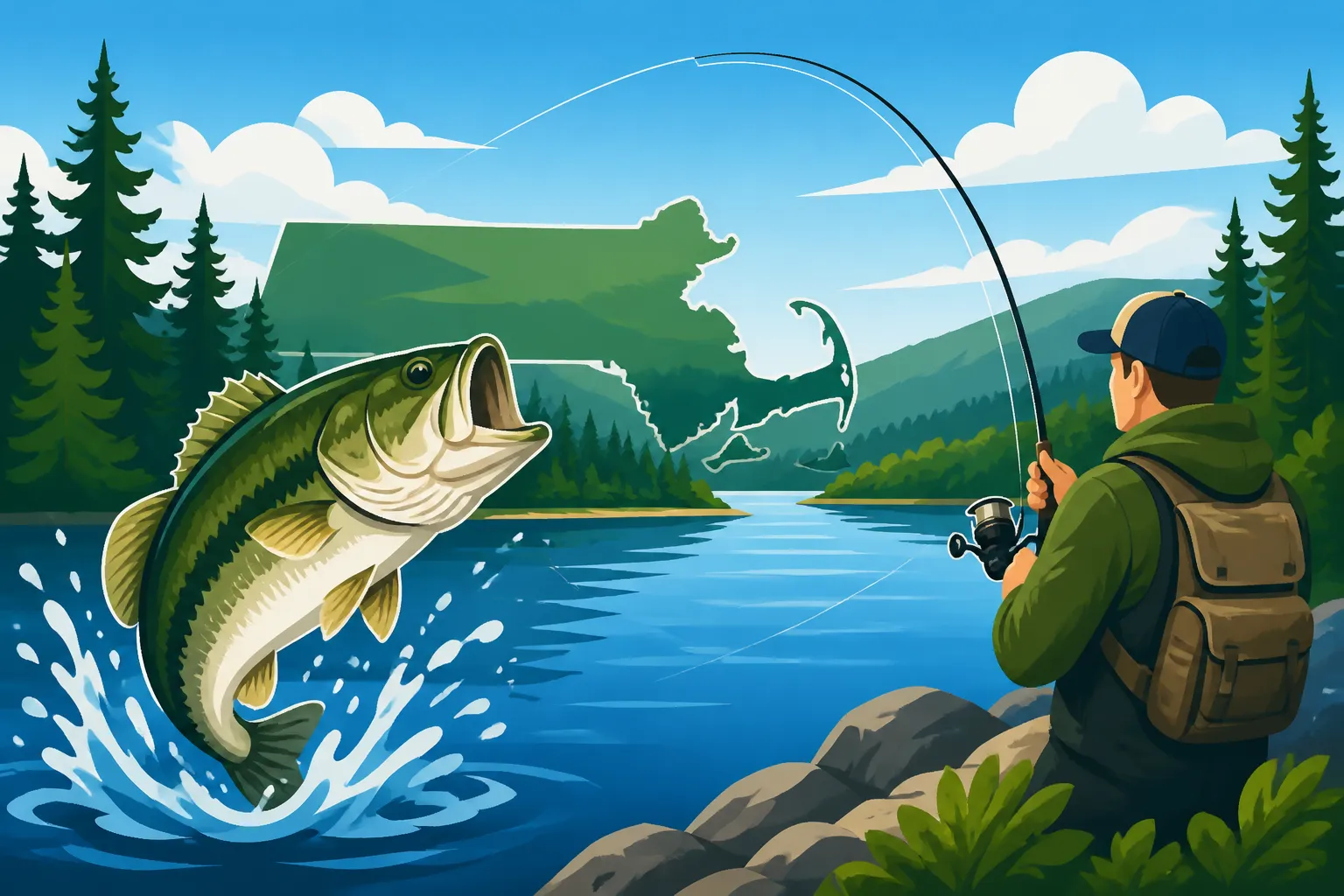
Best Freshwater Ponds and Lakes in Massachusetts
It can feel like a daunting task, can't it? Staring at a map of Massachusetts, dotted with countless lakes and ponds, and wondering where on earth you should even cast your line for some decent freshwater fishing. It’s easy to get overwhelmed trying to sift through all the information, or lack thereof, on what spots are actually worth your precious time. This comprehensive guide is here to cut through the confusion, offering a deep dive into some of the very best freshwater ponds and lakes across Massachusetts, helping you discover your next favorite angling adventure.
Understanding Massachusetts Freshwater Fisheries
Massachusetts might be famous for its incredible coastline and world-class saltwater opportunities, but don't let that overshadow the absolute treasures tucked away in its inland waters. From pristine mountain lakes to bustling urban ponds, the Commonwealth offers a diverse array of freshwater fishing experiences, each with its own unique charm and challenges. Understanding what makes these fisheries tick is the first step to a successful day on the water.
Types of Freshwater Fish You'll Find
When you venture into Massachusetts' freshwater systems, you're not just limited to one or two species. The variety is truly impressive, catering to different angling preferences and skill levels. Many anglers chase the thrill of battling a hard-fighting largemouth bass, known for their explosive strikes and powerful runs. You'll often find them lurking around submerged structures, lily pads, or fallen trees. Smallmouth bass are also prevalent, especially in larger, cooler lakes and rivers, offering a different kind of fight with their acrobatic leaps.
Beyond bass, trout are a huge draw, particularly in the spring and fall when MassWildlife actively stocks many ponds and lakes. You can expect to encounter rainbow, brook, and brown trout, with some waters even holding wild populations or trophy-sized "brood stock." Chain pickerel are another common catch, identifiable by their distinctive chain-like markings and sharp teeth, always ready to ambush a lure. And let's not forget the abundant panfish, such as yellow perch, bluegill, and black crappie, which provide fantastic action for anglers of all ages, especially kids just learning the ropes. For those seeking something truly unique, some larger systems even hold species like northern pike or landlocked salmon, though these are less common. If you’re curious about specific species and their rules, check out our guide on Massachusetts Freshwater Daily Catch Limits.
Factors Influencing a Great Fishing Pond or Lake
What makes one pond a hotspot while another sits dormant? It often comes down to a few key factors that create ideal conditions for fish to thrive and for anglers to succeed. Water quality is paramount; clearer, cleaner water typically supports healthier fish populations and a more diverse ecosystem. Depth and structure also play a critical role. Ponds and lakes with varying depths, along with plenty of submerged cover like fallen trees, weed beds, rocky bottoms, or drop-offs, provide essential hiding spots, ambush points, and feeding grounds for fish.
The presence of baitfish, such as shiners or alewives, is another significant indicator of a vibrant fishery. Where there's forage, there will be predators. Additionally, good access for anglers, whether it's shore access, public boat ramps, or designated fishing piers, contributes to a spot's popularity and usability. Of course, regular stocking by MassWildlife, particularly for trout, can transform an ordinary pond into a bustling fishing destination overnight. Understanding these elements can help you "read" a body of water and predict where fish might be holding.
MetroWest and Eastern Massachusetts Gems
For those living in or visiting the more densely populated areas of eastern Massachusetts, finding tranquil freshwater fishing can sometimes feel like a challenge. However, a surprising number of fantastic ponds and lakes are within easy reach, offering rewarding angling experiences without requiring a long drive to the far reaches of the state. These spots combine accessibility with solid fish populations, making them perfect for a day trip or even a quick after-work escape.
Walden Pond: A Historical Fishing Retreat
Nestled in Concord, Walden Pond is much more than just a historical landmark associated with Henry David Thoreau; it's a deep, clear kettle pond that offers surprisingly good fishing opportunities. Its transparent waters hold a variety of species, though it's most renowned for its trout fishing, particularly in the spring and fall when MassWildlife makes regular stockings. Anglers can also find smallmouth bass, yellow perch, and sunfish here. The pond's depth, reaching over 100 feet in some areas, creates excellent thermal refuges for fish during warmer months, and the clear water makes sight fishing a possibility on calm days.
While its natural beauty and historical significance draw many visitors, anglers can enjoy peaceful moments casting from various points along the shoreline. There are strict rules regarding motorboats, ensuring a quiet, paddle-powered experience, which is perfect for kayak or canoe anglers. Remember, a valid Massachusetts fishing license is always required here, just like anywhere else in the state. If you’re planning a visit, consider exploring the pond's deeper sections with small jigs or spoons for trout, or working the rocky shorelines with soft plastics or crankbaits for smallmouth bass. Don’t forget to review Do You Need a License to Fish in Massachusetts Ponds? before heading out.
Lake Quinsigamond: Worcester's Angling Hotspot
Stretching across Worcester, Shrewsbury, and Grafton, Lake Quinsigamond is one of Central Massachusetts' largest and most popular freshwater bodies. This expansive lake is a true multi-species fishery, celebrated for its excellent bass fishing—both largemouth and smallmouth—as well as abundant chain pickerel, crappie, perch, and robust populations of trout that are regularly stocked. Its diverse habitats, including rocky ledges, weed lines, and numerous coves, provide ample cover and feeding opportunities for a wide range of fish.
Anglers can access Lake Quinsigamond from several public boat ramps, making it a favorite for those who prefer to fish from a powerboat, kayak, or canoe. Shore access is available at various points, including Quinsigamond State Park. Early morning and late evening often yield the best results for bass, especially around structural elements and along the edges of weed beds. For trout, trolling with spoons or stickbaits, or still fishing with bait, can be highly effective, particularly after a fresh stocking. This lake truly offers something for everyone, from the seasoned bass angler to families looking to catch a mess of panfish.
Assawompset Pond: Southeastern Massachusetts Treasure
Located in Lakeville and Freetown, Assawompset Pond is Massachusetts' largest natural great pond, offering a sprawling expanse of water for anglers to explore. This significant body of water is a prime destination for largemouth bass, particularly trophy-sized ones, thanks to its extensive weed beds, lily pad fields, and varied shoreline structure. Beyond bass, anglers can target chain pickerel, yellow perch, white perch, and even northern pike. The sheer size of Assawompset means there’s always a new corner to explore, and the fish have plenty of room to grow.
Access to Assawompset Pond is primarily via public boat ramps, which are well-maintained for boats of all sizes. The vast shallow areas, rich in vegetation, are perfect for pitching jigs, flipping soft plastics, or working topwater lures for bass. Deeper channels and drop-offs also hold fish, especially during warmer months. Given its size, it’s a spot where a boat or kayak can significantly expand your fishing horizons. This pond is a fantastic option for anglers seeking big fish and plenty of space, making it a true gem in southeastern Massachusetts.
Central Massachusetts: Beyond the Reservoirs
While the Quabbin and Wachusett Reservoirs often steal the spotlight in Central Massachusetts (and for good reason!), there are many other incredible freshwater ponds and lakes that offer fantastic fishing without the often-strict regulations and access limitations associated with major water supplies. These bodies of water provide diverse environments and bountiful opportunities for anglers seeking everything from aggressive bass to delicious panfish.
Long Pond: A Diverse Fishery
Spanning parts of Lakeville and Freetown (and sometimes referred to as Freetown-Lakeville Long Pond to differentiate from other Long Ponds in the state), this expansive body of water is a jewel in the Central-South region. Long Pond is a true multi-species haven, boasting strong populations of largemouth and smallmouth bass, chain pickerel, yellow perch, white perch, and various panfish. It's particularly well-regarded for its largemouth bass fishing, with many anglers reporting impressive catches. The pond features a mix of shallow, weedy coves, rocky shorelines, and deeper open water, providing ideal habitats for a wide range of aquatic life.
Public boat ramps ensure good access for boats of all sizes, making it a popular spot for both casual anglers and tournament fishermen. For bass, try working the extensive weed lines with spinnerbaits or jigs, especially during low light conditions. Drop-shotting around rocky structures can be effective for smallmouth. Ice fishing on Long Pond can also be productive for a variety of species during the colder months, if you’re brave enough to venture out. Before you go, be sure to brush up on Massachusetts Fishing License Costs and Rules.
Otis Reservoir: Big Water, Big Fish Potential
Located in the scenic Berkshire Hills of Sandisfield and Tolland, Otis Reservoir is one of Massachusetts' largest recreational impoundments, covering over 1,000 acres. This sprawling body of water is a dream for anglers seeking big fish, particularly largemouth bass and northern pike. Otis is also home to healthy populations of smallmouth bass, yellow perch, brown bullhead, and various panfish. Its varied bottom structure, with deep channels, submerged timber, and extensive weed beds, creates a complex ecosystem that supports a robust fishery.
Otis Reservoir offers multiple public access points, including several boat ramps, which makes it easy to launch everything from kayaks to larger powerboats. Anglers targeting pike often find success trolling large crankbaits or casting hefty spoons and swimbaits around the edges of weed beds. For bass, pitching jigs into thick cover or working topwater lures over submerged grass can be highly productive. The sheer size of Otis Reservoir means you can spend days exploring its waters and still discover new fishing grounds, offering ample space and solitude even on busier days.
Western Massachusetts and the Berkshires: Mountain Lakes and Ponds
Heading west, the landscape transforms into rolling hills and the majestic peaks of the Berkshires, where countless pristine lakes and ponds are tucked away amidst dense forests. These western Massachusetts gems often offer cooler, clearer waters and a more tranquil fishing experience, far from the hustle and bustle of urban centers. They are particularly known for their trout and bass fishing, providing stunning backdrops for your angling pursuits.
Onota Lake: Pittsfield's Prime Spot
Onota Lake, situated right in Pittsfield, is a fantastic urban-accessible fishery that doesn't compromise on quality. This sizable lake is a well-known hotspot for both largemouth and smallmouth bass, with many anglers reporting impressive catches, including trophy-sized specimens. Beyond bass, Onota supports a diverse population of fish including chain pickerel, yellow perch, black crappie, brown bullhead, and even some stocked trout. Its mix of shallow, weedy coves and deeper, rocky areas provides excellent habitat diversity.
The lake features several public access points, including a boat ramp that accommodates all types of watercraft, making it very popular with local anglers. For bass, focus your efforts on the extensive weed lines and lily pad fields in the shallower sections, using soft plastics, jigs, or topwater lures. The rocky points and drop-offs are often productive for smallmouth. Onota Lake also sees its share of ice fishing activity in winter, with anglers targeting perch, pickerel, and bass through the hardwater. It’s a versatile lake that truly shines across the seasons.
Richmond Pond: Serene Fishing in the Hills
Richmond Pond, located in Richmond, offers a picturesque and serene fishing experience nestled within the rolling Berkshire hills. This beautiful pond is particularly popular for its excellent largemouth bass fishing, with plenty of cover in the form of lily pads, submerged timber, and varied shoreline vegetation. Anglers can also expect to encounter smallmouth bass, chain pickerel, yellow perch, and panfish. Its clear waters and tranquil setting make it a perfect escape for those looking to combine stunning scenery with quality fishing.
While boat access is available via a public launch, the pond's size also lends itself well to kayak or canoe fishing, allowing you to quietly explore its many coves and weed beds. For bass, working spinnerbaits or chatterbaits along the edges of vegetation, or flipping jigs into thick cover, can be very effective. The clear water here sometimes requires a more subtle approach, so consider lighter lines and natural bait presentations. Richmond Pond is an ideal destination for a peaceful day of fishing surrounded by the natural beauty of the Berkshires. When planning your trip, remember to check Massachusetts Fishing License Requirements by Age to ensure everyone in your party is properly licensed.
Strategic Planning for Your Freshwater Trip
You’ve identified some promising ponds and lakes, but a successful fishing trip involves more than just picking a spot. Strategic planning, from gathering the right gear to understanding fish behavior, can significantly increase your chances of a memorable day on the water. It’s about being prepared and approaching the water with a thoughtful, informed mindset.
Essential Gear for Pond and Lake Fishing
Having the right tackle can make all the difference. For general pond and lake fishing in Massachusetts, a versatile medium-action spinning rod and reel combo is usually a good starting point. This setup can handle everything from panfish to larger bass and pickerel. Load your reel with 6-10 lb monofilament or fluorocarbon line, or even braided line with a fluorocarbon leader for added sensitivity and strength.
When it comes to lures and baits, variety is key. For bass, pack an assortment of soft plastics (worms, creature baits), jigs (football, swim jigs), crankbaits, spinnerbaits, and some topwater lures for those exciting surface strikes. Trout anglers will want small spoons, inline spinners, and natural baits like worms, powerbait, or corn. For panfish, tiny jigs, small bobbers, and worms are usually irresistible. Don't forget essential accessories like pliers for hook removal, a net, a tackle box, sunscreen, and plenty of water. If you’re targeting stocked trout, our guide on Best Lures for Stocked Trout in Massachusetts has some fantastic recommendations.
Reading the Water: Depths, Structure, and Cover
Fish are creatures of habit, and they often relate to specific features in their environment. Learning to "read the water" is a skill that develops over time but can dramatically improve your success. Look for visible signs of structure and cover: fallen trees, rocky outcroppings, docks, lily pad fields, and weed beds. These are prime hiding spots and ambush points for predatory fish like bass and pickerel.
Consider the depth as well. In warmer months, fish might retreat to deeper, cooler waters, while in spring and fall, they could be found shallower. A portable fish finder can be an invaluable tool for identifying submerged structures, changes in depth, and even schools of baitfish or game fish. Pay attention to changes in bottom composition, current (even subtle ones), and water temperature. Observing your surroundings, from bird activity to ripples on the surface, can also provide clues about where the fish might be.
Best Times and Seasons for Freshwater Fishing
Massachusetts freshwater fishing opportunities abound throughout the year, but understanding seasonal patterns can optimize your efforts. Spring, particularly after ice-out, is fantastic as fish become more active and move into shallower waters to feed and spawn. This is also when trout stocking is in full swing, offering prime opportunities. As summer progresses, early mornings and late evenings are often the most productive, as fish seek cooler water and lower light conditions. Midday fishing can be tougher, but targeting deeper structure or shaded areas can still yield results.
Fall brings another burst of activity as fish feed heavily in preparation for winter. Water temperatures drop, and many species become very aggressive. The crisp air and vibrant foliage make fall fishing incredibly enjoyable. Winter, of course, means ice fishing, which can be an incredibly rewarding experience for perch, pickerel, and even bass. Each season presents its own challenges and rewards, making Massachusetts freshwater fishing a year-round pursuit. For those specifically interested in ice fishing, we have a dedicated guide on Ice Fishing in Massachusetts.
Navigating Regulations and Access
Before you even think about wetting a line in one of these beautiful Massachusetts ponds or lakes, you absolutely need to be squared away on the rules and regulations. Trust me, the last thing you want is a fine or a ruined day because you overlooked a small but crucial detail. Massachusetts Division of Fisheries and Wildlife (MassWildlife) is responsible for managing these resources, and their rules are designed to protect the fish populations and ensure fair sport for everyone.
Massachusetts Freshwater Fishing License Essentials
This is the non-negotiable first step for anyone planning to fish in Massachusetts freshwater. With very few exceptions (like during designated free fishing days or for very young children), you'll need a valid freshwater fishing license. These licenses are typically valid for a calendar year, from January 1st to December 31st, regardless of when you purchase them. The cost varies depending on your residency status and age, with discounts often available for seniors and active military personnel.
You can easily purchase a license online through the MassWildlife MassFishHunt system, or in person at various bait and tackle shops, town clerk offices, and MassWildlife district offices. It's crucial to carry proof of your license while fishing, whether it's a physical printout or a digital copy on your phone. Getting caught without one can result in a significant fine. Our comprehensive guide on the Massachusetts Fishing License Guide breaks down everything you need to know about securing your permit.
Public Access Points and Boat Ramps
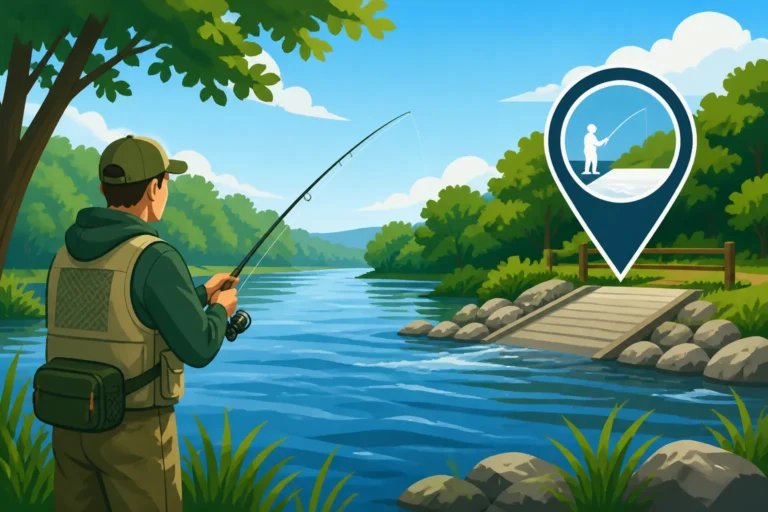
One of the great things about fishing in Massachusetts is the effort made to provide public access to many of its freshwater bodies. Most major lakes and ponds will have designated public boat ramps, often maintained by MassWildlife or the Department of Conservation and Recreation (DCR). These ramps are generally free to use, though some may require a small parking fee or a DCR parking pass, especially at state parks.
For anglers without a boat, shore access is also available at many locations. State parks, town parks, and public conservation lands often provide ample shoreline for casting. Always be respectful of private property and posted signs; if it's not clearly marked as public access, assume it's private. Before heading out, a quick check of the MassWildlife website or local town resources can usually provide maps and details on specific access points. You can also find more information by consulting Where to find MassWildlife fishing access maps. When bringing a boat, ensure it's properly registered and adheres to any specific regulations for the body of water you're visiting, such as motor restrictions on certain reservoirs or ponds.
Conservation and Responsible Angling
As enthusiastic anglers, we have a responsibility to protect the very resources that bring us so much joy and relaxation. Conservation isn't just about following rules; it's about adopting practices that ensure healthy fish populations and pristine environments for future generations of anglers. Every one of us plays a part in maintaining the incredible freshwater fisheries Massachusetts has to offer.
Catch and Release Best Practices
While keeping a legal-sized fish for dinner is certainly part of the angling experience, practicing responsible catch and release, especially for larger or non-target species, is vital for maintaining robust fish populations. When you do catch a fish you intend to release, handle it gently and quickly. Minimize its time out of the water – ideally, keep it submerged as much as possible. Use wet hands to avoid removing the fish's protective slime coat, which guards against disease.
If a fish is deeply hooked, especially in the gills or esophagus, it’s often best to cut the line as close to the hook as possible rather than trying to rip the hook out. Barbless hooks can also make unhooking much easier and less traumatic for the fish. For trout, in particular, during warmer water periods, they can be highly susceptible to stress. Consider targeting them when water temperatures are cooler to increase their survival rates upon release. This mindful approach helps ensure those fish live to fight another day, contributing to the overall health of the fishery.
Protecting Our Freshwater Ecosystems
Beyond handling fish with care, protecting the broader ecosystem is paramount. This means being scrupulous about preventing the spread of aquatic invasive species. Always clean, drain, and dry your boat, kayak, and fishing gear thoroughly between visits to different bodies of water. This simple step can prevent the transfer of harmful plants, animals, and pathogens that can decimate native populations and alter habitats.
Dispose of all trash, including discarded fishing line, properly. Monofilament fishing line is a significant hazard to wildlife, so always pack it out. Avoid introducing non-native baitfish into any water body, as this can have disastrous ecological consequences. Finally, consider getting involved in local conservation efforts or supporting organizations like MassWildlife that work tirelessly to manage and protect our state's precious freshwater resources. Our continued enjoyment of these spots depends entirely on our collective commitment to their care. When you find a charter or guide through a platform like FishingBooker, many of those professionals are deeply committed to these same conservation principles, ensuring sustainable practices for their clients.
Freshwater Ponds and Lakes Snapshot
Here’s a quick overview of some of the fantastic freshwater fishing destinations we've explored, highlighting their primary species and key features.
| Pond/Lake Name | Location | Primary Target Species | Key Features | Access Type |
|---|---|---|---|---|
| Walden Pond | Concord | Trout (Rainbow, Brook, Brown), Smallmouth Bass, Perch | Deep, clear kettle pond, historical significance, electric motors only, shore access, kayak/canoe friendly | Shore, Boat (non-motorized) |
| Lake Quinsigamond | Worcester, Shrewsbury, Grafton | Largemouth Bass, Smallmouth Bass, Trout, Pickerel, Crappie | Large, diverse habitats, state park access, multiple boat ramps, active fishery | Shore, Boat (motorized) |
| Assawompset Pond | Lakeville, Freetown | Largemouth Bass (trophy potential), Pickerel, Perch | Largest natural great pond in MA, extensive weed beds, vast shallow areas | Boat (motorized) |
| Long Pond | Lakeville, Freetown | Largemouth Bass, Smallmouth Bass, Pickerel, Perch | Diverse fishery, mix of coves and open water, strong bass populations, good ice fishing | Boat (motorized) |
| Otis Reservoir | Sandisfield, Tolland | Largemouth Bass, Northern Pike, Smallmouth Bass | Large recreational impoundment, deep channels, submerged timber, excellent pike fishery | Boat (motorized) |
| Onota Lake | Pittsfield | Largemouth Bass, Smallmouth Bass, Crappie, Perch | Urban-accessible, varied structure, multiple boat ramps, good for all seasons, including ice fishing | Shore, Boat (motorized) |
| Richmond Pond | Richmond | Largemouth Bass, Smallmouth Bass, Pickerel, Perch | Serene setting, clear water, good for kayaks/canoes, scenic Berkshire backdrop | Shore, Boat (motorized) |
Final Thoughts on Massachusetts Freshwater Fishing
Massachusetts is truly a hidden gem when it comes to freshwater fishing. From the historic shores of Walden Pond to the expansive waters of Otis Reservoir, there's an angling adventure waiting for every preference and skill level. Whether you're chasing trophy largemouth, delicately presenting a fly to a stocked trout, or simply enjoying a relaxing afternoon catching panfish with the family, the Commonwealth's ponds and lakes offer incredible opportunities. Remember to always respect the regulations, practice responsible angling, and cherish these beautiful natural spaces. With a little planning and the right approach, your next freshwater fishing trip in Massachusetts is sure to be a memorable one. If you're looking to explore some of these waters with a local expert, a platform like FishingBooker can help connect you with experienced freshwater guides who know these spots inside and out.
Disclaimer
Please note that fishing regulations, stocking schedules, and access policies can change. While every effort has been made to provide accurate and up-to-date information in this guide, it is always the angler's responsibility to consult the most current Massachusetts Division of Fisheries and Wildlife (MassWildlife) regulations before heading out to fish. Local conditions, such as ice thickness or water levels, can also vary and should be assessed for safety.