Cape Cod Canal Striped Bass Fishing Spots
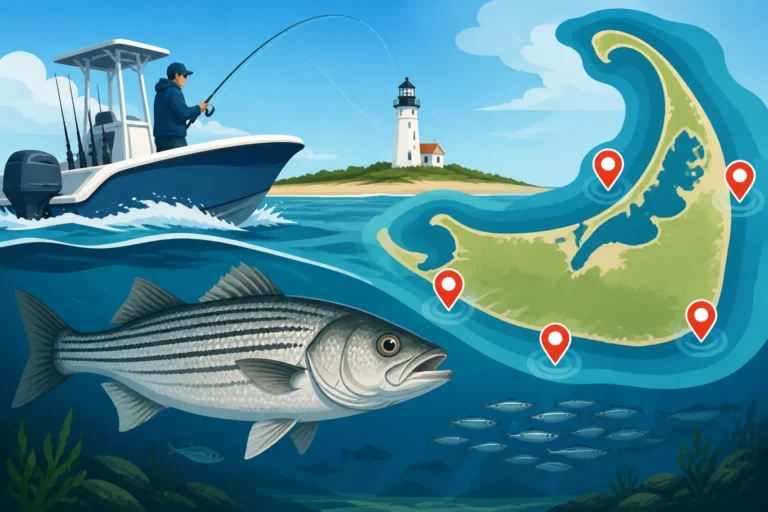
Fishing the Cape Cod Canal for striped bass can feel like trying to solve a puzzle with a thousand moving pieces. The legendary "Ditch" is infamous for its powerful currents, fickle fish, and sometimes overwhelming crowds, leaving many anglers frustrated and empty-handed. But with the right knowledge of specific hotspots and an understanding of how this unique waterway functions, you can significantly increase your chances of hooking into those coveted Massachussetts stripers. This guide will take a deep dive into the prime locations along the Canal, offering detailed insights into what makes each spot tick and how to approach them for the best striped bass action.
Understanding the Cape Cod Canal's Unique Striped Bass Fishery
The Cape Cod Canal, affectionately known as "the Ditch" by locals, isn't just a waterway; it's a dynamic, ever-changing ecosystem that serves as a superhighway for migratory fish, especially striped bass. Its appeal for anglers lies in its accessibility and the sheer volume of baitfish and predators that funnel through its narrow confines. But what makes it truly special – and uniquely challenging – are its extreme tidal currents and the specific feeding behaviors these conditions create.
The Phenomenon of the "Ditch": Currents and Tides
Imagine a river that reverses direction every six hours, moving at speeds that can exceed 5 miles per hour. That's the Cape Cod Canal. It connects Buzzards Bay to Cape Cod Bay, effectively creating a shortcut for marine life (and vessels) around Cape Cod. This powerful flow is driven by the significant difference in tidal ranges between the two bays. When Cape Cod Bay is high tide and Buzzards Bay is low, the water rushes east. When Buzzards Bay is high and Cape Cod Bay is low, the water rushes west. This constant push and pull creates predictable "runs" and "slacks" that dictate everything from where baitfish hold to where striped bass ambush their prey.
Understanding the tide schedule is not just helpful; it's absolutely critical for success on the Canal. Most experienced Canal anglers focus on the turn of the tide, specifically the period just before, during, and after the current switches direction. This brief window of slower current allows baitfish to congregate and provides stripers with an easier opportunity to feed without fighting the full force of the flow. However, some areas fish exceptionally well during a strong current when bait is flushed past structure. Learning to read the current and anticipate where fish will set up is an acquired skill that takes time, but it's the single most important factor in locating those schools of predatory striped bass.
Primary Forage and Why Stripers Are Here
Striped bass are voracious predators, and they congregate in the Canal for one primary reason: an abundance of food. The powerful currents act like a giant conveyor belt, bringing a steady supply of various baitfish species right to their mouths. Major forage items in the Canal include mackerel, pogies (menhaden), herring (both river herring and sea herring), squid, sand eels, and even crabs. The presence and concentration of these bait species largely determine where and when stripers will be found.
When massive schools of pogies or mackerel enter the Canal, it can trigger a feeding frenzy, drawing in large schools of bass. The Canal also sees significant herring runs in the spring, which are a major attractant for early-season stripers. Anglers often match their lure presentations to the prevalent bait in the area. For instance, if mackerel are running, casting a mackerel-patterned jig or a live-lined mackerel can be incredibly effective. The sheer volume of this buffet, combined with the strategic ambush points offered by the Canal's unique structure, makes it an irresistible magnet for large, hungry striped bass.
Best Times to Target Stripers in the Canal Seasons & Tides
Timing is everything when it comes to the Canal. The striped bass season typically kicks off in earnest around May, when the first waves of migratory fish arrive, often coinciding with the herring runs. This early season can offer some fantastic fishing, particularly for larger "cow" stripers. The fishing generally remains strong through the summer months, with peaks often dictated by bait movements and water temperatures. As fall approaches, usually in September and October, the Canal experiences a "fall run," where stripers gather for their southern migration, feeding aggressively to build up reserves. This can be another exceptionally productive period, often yielding consistent action. For a detailed breakdown of the seasonal patterns, you might want to check out "Fishing the Cape Cod Canal by Season".
Beyond the annual seasons, daily tidal timing is paramount. While some anglers find success during a strong current, especially when fishing jigs deep, the periods around the slack tide are generally considered prime. This is when the current slows enough for fish to actively hunt without expending too much energy. The exact timing of the slack varies daily, but it occurs twice every 24 hours (once on the east-running tide and once on the west-running tide). Early mornings and late evenings, especially combined with a favorable tide, are often the most productive, as stripers are typically more active in lower light conditions. Also, keep an eye on the moon phases; new and full moons bring stronger tides, which can sometimes concentrate bait and make for exciting, albeit challenging, fishing. You can learn more about this by reading "Best tide for fishing the Cape Cod Canal".
Key Fishing Zones: East End Hotspots for Striped Bass
The eastern end of the Cape Cod Canal, facing Cape Cod Bay, offers a distinct set of challenges and opportunities. This section is known for its dramatic structure, including the formidable Scusset Beach breakwater, rock piles, and deeper channels. The prevailing easterly currents can be incredibly powerful here, requiring heavy tackle and precise casting.
Scusset Beach State Reservation and Sagamore Bridge Area
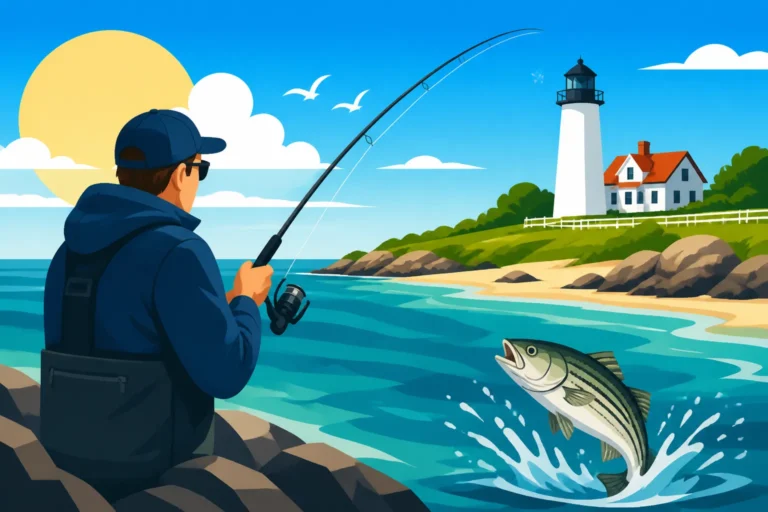
Scusset Beach State Reservation is a fantastic starting point for many anglers exploring the East End. Not only does it offer ample parking and amenities, but it provides direct access to the formidable stone breakwater that extends into Cape Cod Bay. This breakwater is a prime location, especially during strong tides, as baitfish are often swept along its edges, creating ambush points for stripers. Anglers often fish the deep water near the end of the breakwater or cast parallel to it, targeting fish holding in the seams and eddies. The currents here can be brutal, so be prepared with heavy jigs and sturdy tackle.
Closer to the Sagamore Bridge, the Canal narrows and deepens, accelerating the current. The bridge pilings themselves offer structure, but fishing directly from or near the bridge is often restricted or dangerous due to boat traffic and regulations. However, the shoreline on either side of the bridge, particularly on the Sagamore Highlands side (north side of the Canal), can be very productive. Look for areas where the bottom drops off or where there are submerged rocks, as these spots will hold stripers waiting for bait to be carried past. Casting large swimming plugs or heavy jigs with a fast retrieve can entice strikes here.
Bell Road to Power Plant/Sagamore Highlands
Moving west from Scusset, the stretch from Bell Road down towards the old power plant (which is now mostly dismantled, but the area retains its name) and the Sagamore Highlands offers a variety of shore fishing opportunities. This section is characterized by a rocky shoreline and a somewhat less intense current compared to the immediate entrance of the Canal. Anglers often target distinct rock outcroppings and small coves that provide shelter for baitfish and ambush points for stripers.
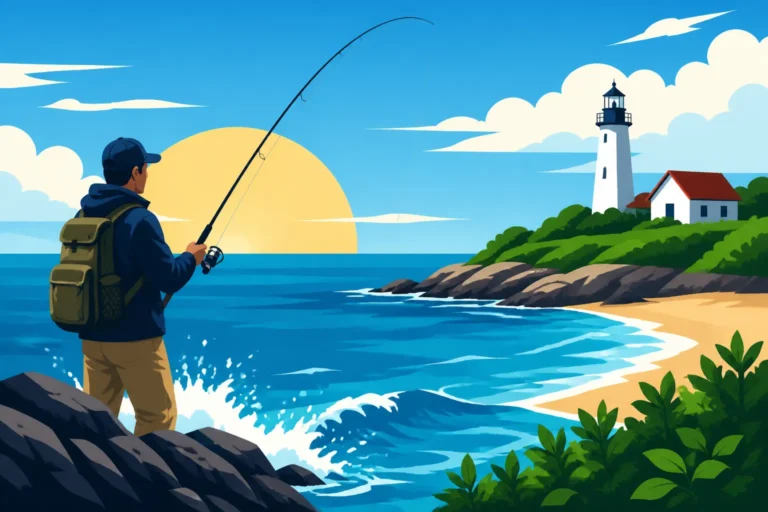
During the incoming tide from Cape Cod Bay (east current), bait can get pushed into these shallower areas, making them hotspots. Conversely, during the outgoing tide, stripers might hold just outside these structures, waiting for bait to be flushed out. The Sagamore Highlands area, with its accessible pathways and parking, allows anglers to move and explore different casting angles. Soft plastics, bucktail jigs, and even topwater lures can be effective here, particularly during low light. Pay close attention to subtle changes in current speed and direction, as these can indicate where the fish are holding.
East End Breakwater and Jetties
The East End Breakwater itself is a magnet for stripers, especially during the spring and fall runs. Anglers often walk out onto the breakwater to gain better casting access to deeper water and stronger currents. The point where the breakwater meets the deeper channel is a classic spot for larger fish. During a strong run, eels are a favorite bait here, either cast and allowed to drift with the current or slowly retrieved along the bottom. Large pencil poppers or similar topwater lures can also produce explosive strikes when fish are aggressively feeding on the surface.
In addition to the main breakwater, there are smaller, less obvious jetties and rock formations along the shoreline that are worth exploring. These often go unnoticed by casual anglers but can hold impressive numbers of fish, especially during periods of high boat traffic or when the main spots are crowded. Always exercise caution when fishing around jetties and slippery rocks, as the powerful currents can be unpredictable. Remember to check local regulations concerning specific fishing access points and restrictions, as some areas may be designated as no-fishing zones or have limited access.
Key Fishing Zones: West End Hotspots for Striped Bass
The western end of the Cape Cod Canal, facing Buzzards Bay, offers a different dynamic from its eastern counterpart. While the currents are still immense, the shoreline features and bottom contours can vary, presenting unique fishing scenarios. This end is often associated with the powerful west-running tide and the influx of bait from Buzzards Bay.
Massachusetts Maritime Academy and Bourne Bridge Area
The area around the Massachusetts Maritime Academy (MMA) and the Bourne Bridge is a prime location on the West End. The MMA shoreline offers relatively accessible fishing spots, and the large parking areas can be a blessing during peak times. The waters here are deep, and the current, particularly the west-running tide, funnels bait through with incredible force. Stripers will often stack up in the deeper channels and along the drop-offs, waiting for an easy meal.
Fishing under or near the Bourne Bridge can be extremely productive, especially around the pilings where current breaks are formed. However, fishing directly from the bridge is strictly prohibited. Anglers typically cast from the shorelines on either side of the bridge, targeting the seams and eddies created by the structure. Heavy jigs, such as the famous Canal "pencil poppers" or specialized jigs designed for strong currents, are indispensable here. The key is to get your lure down to where the fish are holding, often near the bottom, and work it with the current. This area demands a good understanding of how to read the water and anticipate where the bait (and thus the bass) will be positioned.
Herring Run and Hog Island Channel
Just west of the Bourne Bridge, on the south side of the Canal, lies the historic Herring Run. This area is famous for its spring herring migration, which draws in hungry striped bass like a magnet. While the herring run itself is protected, the confluence of the freshwater stream and the powerful Canal currents creates a rich feeding zone for stripers. Even outside of the herring run season, the unique topography here, with its eddies and deeper pockets, holds bait and bass.
Further into Buzzards Bay, the Hog Island Channel area becomes a significant player, particularly during the turning of the tide. This broader section of water still experiences strong currents but offers more expansive areas for stripers to roam. Anglers fishing from boats or kayaks can target specific shoals and channels here. For shore anglers, identifying points or coves that create current breaks can be highly effective. Live-lining mackerel or pogies, if available, can be incredibly productive in these more open waters. Alternatively, casting large swimming plugs or soft plastic baits can mimic the larger baitfish that frequent this part of the Canal. If you're looking to explore these areas by boat but aren't familiar with local conditions, booking a local guide through platforms like FishingBooker could be a great way to learn the ropes safely and efficiently.
Tidal Flats and Mouth of Buzzards Bay
As the Canal opens up into Buzzards Bay, the dynamics change again. While the immediate Canal is defined by its deep, fast-moving channel, the mouth of Buzzards Bay features more extensive tidal flats and shallower areas that can be incredibly productive for stripers, especially during specific tidal stages. These flats become feeding grounds during high tide, as bass move in to hunt for crabs, worms, and small baitfish. As the tide recedes, the fish often retreat to the deeper channels and drop-offs at the edge of the flats.
Shore anglers can access some of these flats, particularly on the northern side of the Canal near the Bourne Bridge approach. Wading out onto the flats during the right tide can offer unique opportunities for sight fishing or casting to active schools. Fly fishing enthusiasts also find success here when conditions are calm. This section also serves as a staging area for stripers entering and exiting the Canal, making it a good spot to intercept transient fish. Focus on the edges of channels, submerged rock piles, and areas where currents create rips or eddies. These broader areas can sometimes feel less intense than the narrow "Ditch" but demand a keen eye for subtle water movements and bait presence.
Essential Gear and Techniques for Canal Stripers
Fishing the Cape Cod Canal is not for the faint of heart, nor for tackle that isn't up to the task. The powerful currents, large fish, and abrasive bottom can quickly expose any weak links in your setup. Having the right gear and mastering specific techniques are paramount to success and to avoid losing expensive lures and prized fish.
Rod, Reel, and Line Selection for Heavy Currents
When you're dealing with the sheer power of the Canal, your rod and reel combo needs to be robust. For most shore-based Canal fishing, a heavy-action surf rod, typically 10 to 11 feet long, is the standard. This length provides the casting distance needed to reach distant rips and the leverage to fight large stripers in strong currents. Brands like St. Croix, Lamiglas, and Daiwa offer excellent options that can withstand the abuse of Canal fishing. Pairing this with a large, durable spinning reel (size 7000-10000) capable of holding hundreds of yards of heavy braided line is essential. Look for reels known for their strong drag systems and corrosion resistance, given the constant exposure to saltwater.
Speaking of line, braided line is almost universally preferred on the Canal. Its minimal stretch offers superior sensitivity, allowing you to feel subtle bites even in strong currents, and its thin diameter for a given breaking strength helps with casting distance. A common setup involves 50 to 65 lb test braided line, with a 50 to 80 lb fluorocarbon or monofilament leader. The leader is crucial for abrasion resistance against rocks and for providing some shock absorption during powerful head shakes. Some anglers even prefer a heavy-duty monofilament shock leader of 80-100 lb test, especially when casting very heavy lures. Understanding the role of each component of your line setup is key to preventing break-offs.
Lures and Baits That Get Results
The Canal demands a specialized arsenal of lures. Heavy jigs are arguably the most iconic and effective Canal lures. These include bucktail jigs, Canal-specific "pencil popper" jigs, and various lead-head jigs dressed with soft plastics. The weight is crucial – often 3 to 6 ounces, or even more, to get down in the strong current. Colors can vary, but white, chartreuse, green, and mackerel patterns are perennial favorites. You can explore more options in "Best Lures for Striped Bass in Massachusetts".
Topwater lures like large pencil poppers or "Danny" plugs are deadly when stripers are actively feeding on the surface, especially at dawn or dusk, or when bait is showering. These lures mimic distressed baitfish and create a commotion that stripers can't resist. Swimming plugs that dive to various depths are also effective, particularly those that can be retrieved at a fast pace without blowing out of the water. Live bait, when allowed, is incredibly effective. Mackerel and pogies, caught fresh and live-lined, are irresistible to large stripers. However, check regulations, as live-lining may be restricted in certain areas or during certain times. Regardless of your choice, presentation is key: you need to present your lure in a way that mimics a natural food source being swept by the current.
Essential Safety Gear and What to Watch Out For
Safety on the Cape Cod Canal cannot be overstated. The powerful currents are no joke, and a slip or fall can quickly turn dangerous. Sturdy, non-slip footwear is absolutely essential when traversing the rocky shoreline or breakwaters. Many anglers wear cleats or Korkers over their boots for maximum grip. A personal flotation device (PFD) is also a wise choice, especially if you plan to fish near deep water or during strong currents.
Beyond personal safety, be mindful of your surroundings. Boat traffic can be heavy, especially during summer, and large vessels create significant wakes. Always be aware of your casting area, ensuring you have ample room and are not endangering other anglers or passersby. The Canal also sees its share of wildlife, including seals and sometimes sharks, which are all part of the natural ecosystem but warrant respect. Finally, be prepared for changing weather conditions. Fog can roll in quickly, and the winds can pick up, making conditions challenging. Always let someone know where you are going and when you expect to return. Being prepared is the best defense against unforeseen hazards.
| Fishing Zone/Area | Primary Tidal Influence | Best Lure Types | Key Features for Stripers | Common Challenges |
|---|---|---|---|---|
| Scusset Beach Breakwater | East Tide | Heavy Jigs, Large Poppers, Eels | Deep water, strong current seams, bait congregation points | Strong currents, slippery rocks, crowded |
| Sagamore Bridge (Shoreline) | East & West Tide | Heavy Jigs, Swimming Plugs | Bridge pilings create eddies, deep channels, structure | High current, restricted access near bridge, boat traffic |
| Bell Road / Sagamore Highlands | East Tide | Soft Plastics, Bucktails, Topwater | Rocky shoreline, smaller coves, current breaks | Identifying subtle current breaks |
| MMA / Bourne Bridge (Shoreline) | West Tide | Heavy Jigs, Soft Plastics, Eels | Deep water, bridge pilings, channel edges, current seams | Intense current, deep drop-offs, casting accuracy |
| Herring Run Area | West Tide | Jigs, Swimming Plugs, Live Bait | Confluence of fresh/saltwater, eddies, bait funnel | Protecting herring, variable current speeds |
| Buzzards Bay Mouth / Flats | West Tide | Swimming Plugs, Soft Plastics, Flies | Tidal flats for feeding, channel edges, shoals | Shallow water at low tide, boat traffic |
Navigating Access and Regulations for Canal Fishing
One of the great things about the Cape Cod Canal is its public accessibility, thanks to the U.S. Army Corps of Engineers, who manage the waterway. However, with heavy usage comes specific rules and regulations that anglers need to understand to ensure a safe and legal fishing experience.
Parking and Access Points Along the Canal
The Army Corps of Engineers maintains a paved service road that runs along both sides of the Canal, from tip to tip. This road, often referred to as the "Dike Road," offers numerous designated parking areas, allowing anglers relatively easy access to various fishing spots. On the north side, access points are plentiful from the Scusset Beach area to the Bourne Bridge, with parking lots scattered strategically. On the south side, access is also good, particularly around the Herring Run and the Massachusetts Maritime Academy. During peak season, especially on weekends and holidays, these parking lots can fill up quickly, so arriving early is often essential. Always park in designated spots to avoid tickets or towing, and never block access roads.
Beyond the main service road, some areas like Scusset Beach State Reservation or portions of Bourne and Sandwich may have their own specific parking lots or access points, some of which might require a state park pass or local sticker. Always check signage, as rules can change. Remember, the Canal is a busy place, and respecting private property and public access rules is vital for maintaining good relations between anglers and residents. If you're coming from out of state or are new to the area, consulting a local guide or fishing outfitter can give you a leg up on where to park and how to get to the most productive spots without issues. FishingBooker also lists many local guides who can help navigate these logistics.
Understanding Massachusetts Fishing Regulations for Stripers
Fishing in Massachusetts, especially for coveted species like striped bass, comes with strict regulations designed to protect the fishery. Before you even cast a line, you'll need to ensure you have the proper licenses. For saltwater fishing in the Canal, you'll need a Massachusetts Saltwater Recreational Fishing Permit Explained. If you plan on doing any freshwater fishing in the state, you would also need a freshwater license. You can find comprehensive information on this in the Massachusetts Fishing License Guide.
For striped bass, understanding the specific size and bag limits is absolutely critical. Massachusetts implements a slot limit for striped bass, meaning fish must fall within a specific size range to be legally kept. This slot limit is designed to protect both juvenile fish and large breeding adults. Currently, the slot limit for recreational anglers is typically 28 to 31 inches, with a bag limit of one fish per person per day. These regulations are subject to change annually, so it's imperative to consult the official MassWildlife (Massachusetts Division of Fisheries and Wildlife) or MA Marine Fisheries website for the most up-to-date rules before each season. Not adhering to these rules can result in significant fines and penalties. You can refer to "Massachusetts Striped Bass Slot Limit Explained" for more details. Knowing the rules for "Massachusetts Recreational Fishing Rules and Bag Limits" is essential for a worry-free trip.
Respecting the Resource and Other Anglers
The Cape Cod Canal is a shared resource, and practicing good angling etiquette and conservation is crucial. Given the popularity of the Canal, you'll often be fishing in close quarters with other anglers. Maintaining a reasonable distance, avoiding casting over other people's lines, and being mindful of noise are basic courtesies. If you land a fish, try to do so efficiently and release it quickly and carefully if it's outside the slot limit or if you plan to practice catch and release. Minimizing handling time, especially during warmer months, helps ensure the fish's survival.
Conservation efforts are vital for the continued health of the striped bass population. This includes properly disposing of all trash, discarded line, and bait packaging. Leaving the Canal cleaner than you found it benefits everyone. Consider using circle hooks when bait fishing, as they significantly reduce gut-hooking and improve fish survival rates upon release. Remember that the Canal isn't just a fishing spot; it's a vibrant ecosystem that supports countless species. By respecting the resource and your fellow anglers, you contribute to a positive and sustainable fishing environment for years to come.
Disclaimer
Please remember that fishing conditions, regulations, and access rules can change frequently. Always consult the official Massachusetts Division of Fisheries and Wildlife (MassWildlife) and Massachusetts Division of Marine Fisheries websites for the most current information regarding licenses, bag limits, size limits, and any area-specific restrictions before heading out. Safety should always be your top priority when fishing, especially in areas with strong currents like the Cape Cod Canal.