Assawompset Pond Fishing Guide
There’s nothing quite like the feeling of finding a new freshwater fishing spot that truly delivers, but the search can often be frustrating in Massachusetts. You hear whispers about great ponds, only to arrive and find them crowded, overfished, or just not what you expected. This guide is dedicated to helping you unlock the potential of Assawompset Pond, a sprawling gem in southeastern Massachusetts that offers fantastic fishing opportunities for anglers seeking a productive and scenic experience.
Getting to Know Assawompset Pond
Assawompset Pond isn't just another body of water; it's a significant part of the Taunton River watershed, a place steeped in natural beauty and historical importance. For many of us who love freshwater fishing in Massachusetts, it represents that perfect blend of size, diverse habitat, and a healthy fish population. It's a place where you can truly get away from the hustle and bustle, cast a line, and feel connected to the wild side of the Commonwealth.
Geographical Overview and History
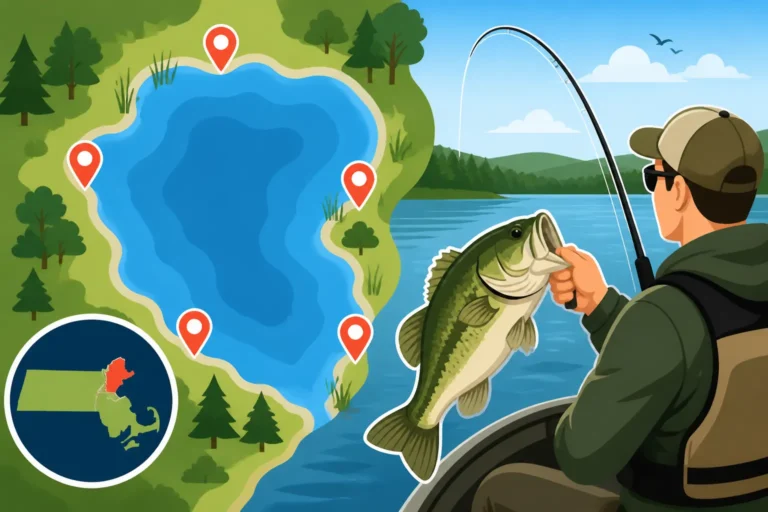
Located primarily within the towns of Lakeville and Freetown, with portions touching Taunton, Assawompset Pond is the largest natural great pond in Massachusetts, covering approximately 2,800 acres. That’s a lot of water to explore, which means less crowding and more opportunities to find your own secluded fishing haven. The pond is part of a larger system of interconnected ponds, including Long Pond and Pocksha Pond, all contributing to the Taunton River. This interconnectedness means a rich aquatic ecosystem and diverse fish movements. Historically, this area has been important to indigenous communities for sustenance and continues to be a vital natural resource. Understanding its scale and connection to other waterways really helps you appreciate its potential.
Navigating such a large body of water can seem daunting at first glance, but its vastness is precisely its charm. You’re not confined to a small, easily fished-out area. Instead, you have miles of shoreline, numerous coves, and varying depths to explore, making every trip a new adventure. This pond isn't one of those hidden secrets, but it's large enough that even on a busy weekend, you can often find peace and quiet on the water.
Unique Features and Ecosystem
What makes Assawompset Pond so special for anglers? Well, it's a relatively shallow, warm-water pond, with an average depth of around 8 feet, though some areas can drop to about 20 feet. This shallow nature means it warms up nicely in the spring, kicking off the fish activity earlier, and holds a good amount of aquatic vegetation throughout the summer. That vegetation, while sometimes a challenge to fish, creates incredible habitat for baitfish and, consequently, for the predatory species we love to target. You'll find a mix of lily pads, submerged grasses, and rushes along the shores, especially in the shallower coves.
The pond's bottom composition is generally soft, with areas of muck and some sand. The water clarity can vary, but it's typically moderately clear, allowing for effective sight fishing in some areas but often requiring more subtle presentations. Its expansive open water also means you can experience different conditions depending on the wind, from calm, glassy surfaces in protected coves to choppy waters on the main body. This diversity ensures that whether you're a bass angler, a panfish enthusiast, or even targeting chain pickerel, you'll find conditions and habitats that suit your preferred style of fishing. This rich, productive ecosystem is what makes Assawompset Pond a perennial favorite for Best Freshwater Ponds and Lakes in Massachusetts.
Fish Species You'll Encounter
One of the greatest joys of fishing Assawompset Pond is the sheer variety of species you can target. From aggressive predators that will smash your topwater lure to abundant panfish that provide consistent action for the whole family, there's truly something for everyone. Knowing what lurks beneath the surface and where to find them is half the battle, and Assawompset delivers on multiple fronts.
Bass and Pickerel: The Main Predators
Assawompset Pond is renowned for its Largemouth Bass fishing. These aggressive predators thrive in the pond's warm, weedy, and cover-rich environment. You'll find them lurking around lily pads, submerged weed lines, fallen timber, and rocky outcroppings. Anglers regularly pull out impressive 3-5 pounders, with occasional reports of true trophy bass exceeding 7 pounds. The sheer acreage of the pond means there's always new bass territory to explore, and their robust population makes for exciting and often consistent action. If you're wondering How to Catch Largemouth Bass in Massachusetts, Assawompset Pond provides an excellent classroom.
Beyond the largemouth, you'll also encounter a healthy population of Chain Pickerel. These toothy, elongated fish are ambush predators, often found in the same vegetated areas as bass. They're incredibly fun to catch due to their aggressive strikes and spirited fights, especially on light tackle. While often considered a bycatch by bass anglers, targeting pickerel can be a blast, and they provide excellent action on days when bass might be slower. Don't underestimate the fight a good-sized pickerel can put up; they're certainly a staple for Chain Pickerel Fishing in Massachusetts. They tend to hang out in shallower, weedier sections, often just outside the densest cover, waiting for an unsuspecting baitfish to swim by.
Panfish and Other Species
If you're looking for steady action, especially for newer anglers or kids, Assawompset Pond's panfish population is outstanding. Yellow Perch are incredibly abundant and can be caught almost anywhere, from open water to near shore structure. They're delicious on the plate too, making them a popular target. Yellow Perch Fishing in Massachusetts is a fantastic way to spend a relaxing afternoon on Assawompset. You'll also find plenty of Black Crappie, particularly around submerged brush, docks, or deeper weed edges, especially in spring and fall. These panfish offer a surprisingly good fight on light tackle and are another excellent table fare species. For those interested, exploring Crappie Fishing in Massachusetts Ponds will definitely lead you to success here.
In addition to perch and crappie, the pond is home to various sunfish species, including bluegill and pumpkinseed. These small, colorful fish are eager biters and perfect for keeping young anglers entertained. While they might not be trophy fish, the consistent nibbles and vibrant colors make them a joy to catch. Assawompset also supports populations of White Perch and Brown Bullhead Catfish, adding even more diversity to your potential catch. The abundance of these smaller species creates a fantastic food web, supporting the larger predators and ensuring a vibrant and dynamic fishery year-round.
Best Fishing Techniques and Times
Knowing what fish are in Assawompset Pond is just the beginning; understanding how and when to catch them is where the real fun begins. The pond's diverse habitats and the seasonal changes in fish behavior mean that adapting your techniques throughout the year will lead to the most consistent success.
Spring and Summer Strategies
Spring on Assawompset Pond is all about the spawn. As water temperatures rise, largemouth bass move into shallower coves and protected areas, often near submerged vegetation or woody cover, to build nests. This is a prime time for sight fishing with jigs, soft plastics, or spinnerbaits worked slowly and deliberately. Look for areas with slightly darker bottoms that absorb more heat. Early spring also sees crappie and perch becoming very active, often schooled up in pre-spawn patterns near structures. Small jigs, minnows, or even tiny spoons can be incredibly effective. Remember to respect spawning fish and practice catch and release, especially for bass, to ensure the health of the fishery.
As summer fully sets in, the bite shifts. Early mornings and late evenings become prime time, especially for topwater action. Frogs, poppers, and walking baits thrown over lily pads or along weed lines can draw explosive strikes from bass. During the heat of the day, bass often retreat to deeper weed edges, shaded areas under docks, or submerged structure. Flipping and pitching jigs or Texas-rigged worms into dense cover becomes highly effective. For pickerel, spoons, inline spinners, and jerkbaits retrieve quickly through open water adjacent to weeds will often entice a strike. Panfish remain active throughout the summer; simply find a weed edge or a submerged brush pile and drop a worm or a small jig. The sheer size of Assawompset means that even during the busiest summer days, you can usually find a quiet cove or pocket of weeds that hasn't been pressured.
Fall and Winter Approaches
Fall fishing on Assawompset is fantastic as water temperatures cool, and fish go on a feeding frenzy in preparation for winter. Bass become highly active, chasing baitfish in open water and around structure. This is a great time for crankbaits, lipless crankbaits, and spinnerbaits, covering lots of water. The fish are often more spread out but incredibly aggressive. Pickerel, too, are at their prime, striking almost anything that moves. For panfish, fall brings them back into tighter schools, often found near deeper drop-offs or submerged structure. Jigs tipped with a minnow or soft plastic become deadly. The autumn foliage around Assawompset also adds a beautiful backdrop to your fishing adventures.
And then there's winter, which brings the unique opportunity of ice fishing! When the ice is safe, Assawompset Pond transforms into a new fishing ground. Massachusetts Ice Fishing License Requirements still apply, so make sure you're properly licensed. Target species like yellow perch, crappie, and chain pickerel through the ice. Tip-ups set with shiners are excellent for pickerel and larger bass, while jigging with small spoons or plastic grubs can yield a steady stream of perch and crappie. Always prioritize safety when ice fishing; never venture out alone, and ensure the ice thickness is sufficient, which is generally considered 4 inches for individual foot travel and more for groups. The large, shallow nature of Assawompset makes for excellent ice formation in cold winters, providing plenty of accessible areas for this classic winter pastime.
Access Points and Regulations
Successfully fishing Assawompset Pond isn't just about knowing where the fish are; it's also about understanding how to legally access the water and what rules you need to follow. Navigating regulations can sometimes feel like a maze, but thankfully, for Assawompset, it's quite straightforward, adhering to general Massachusetts freshwater fishing laws with a few important local considerations.
Boat Launches and Shoreline Access
Given its massive size, Assawompset Pond is best explored by boat. There are a few public access points that allow for boat launching. The most prominent and reliable is the Lakeville State Boat Ramp, managed by MassWildlife. It's located off Route 18 (Main Street) in Lakeville, offering ample parking and a good ramp suitable for trailer boats. This is typically where most anglers launch. For those with smaller watercraft like kayaks, canoes, or jon boats, there are a few other less formal spots or areas within Lakeville and Freetown where you might find suitable carry-in access, especially in calmer coves. However, these are often unofficial and can require a bit more scouting.
Shoreline access can be a bit more challenging due to private property bordering much of the pond. While "great ponds" in Massachusetts generally allow public access below the high-water mark, getting to that point can be tricky. Some public conservation lands or state park properties, such as parts of the Freetown-Fall River State Forest, might offer limited shoreline access. However, for serious fishing, a boat is highly recommended to fully explore the pond's vast potential and reach the best fishing grounds. If you're looking to book a guided trip on a different, perhaps larger body of water, sites like FishingBooker can help you find experienced captains for a more targeted experience, though for a place like Assawompset, a DIY approach is often more rewarding.
Massachusetts Fishing Regulations and Pond-Specific Rules
Before casting a line, ensure you have a valid Massachusetts freshwater fishing license. You can easily purchase one online through MassWildlife's MassFishHunt system, or from authorized vendors. Remember, Massachusetts Freshwater Fishing License Costs and Rules vary, and Massachusetts Fishing License Requirements by Age mean that most anglers 15 years and older need one.
For Assawompset Pond, the general statewide fishing regulations apply concerning daily catch limits, size limits, and open seasons. However, it's always smart to double-check the latest MassWildlife Angler's Guide, as regulations can change. Here's a quick overview of some common regulations, but this table is not exhaustive and should not replace official sources:
| Species | Minimum Length (inches) | Daily Bag Limit | Season | Notes |
|---|---|---|---|---|
| Largemouth/Smallmouth Bass | 12 | 5 | Open Year-Round | Combined bag limit for both species. |
| Chain Pickerel | 15 | 5 | Open Year-Round | |
| Crappie (Black & White) | None | 20 | Open Year-Round | |
| Yellow Perch | None | 20 | Open Year-Round | |
| Trout (stocked) | None | 3 | Consult Stocking Schedule | Usually April 1 – December 31 for catchable sizes |
This pond is not typically stocked with trout, so your focus will primarily be on the warm-water species listed. Always be aware of Massachusetts Freshwater Daily Catch Limits and the specific slot limits that might apply to certain species in other parts of the state, though Assawompset generally follows standard regulations for its primary species. Remember that these rules are in place to ensure sustainable fishing for generations to come, so adherence is key. You definitely don't want to face the Penalties for Fishing Without a License in Massachusetts.
Essential Gear and Local Bait Shops
Getting your gear dialed in for Assawompset Pond doesn't have to break the bank, but having the right tools for the job can significantly increase your success and enjoyment. It’s a versatile fishery, so a versatile setup is often the best approach.
Rods, Reels, and Line Choices
For targeting the abundant largemouth bass and chain pickerel, a medium-heavy power spinning or baitcasting combo is ideal. A 6'6" to 7' medium-heavy rod provides enough backbone to cast heavier lures, set hooks firmly, and handle powerful fish pulling through weeds. Pair this with a reliable spinning reel in the 2500-3000 size range or a baitcasting reel that you're comfortable with. For line, 10-15 lb monofilament or fluorocarbon is a good all-around choice. If you're going into really heavy cover or throwing frogs, consider 30-50 lb braided line with a fluorocarbon leader for abrasion resistance and cutting through weeds. Braided line offers superior sensitivity, which is crucial when fishing deeper or in sparse cover.
For panfish and lighter tackle enthusiasts, a medium-light to light power spinning rod, around 6 feet in length, paired with a smaller 1000-2000 size spinning reel, will be perfect. Load this with 4-6 lb monofilament or fluorocarbon line. This lighter setup allows for casting small jigs and baits, and every panfish will feel like a trophy. Having two setups, one for bass/pickerel and one for panfish, gives you the most flexibility on Assawompset. Many anglers find success exploring on their own, but if you're venturing to new waters or seeking a specific species like a trophy bass, consider checking FishingBooker for guides who specialize in similar freshwater environments across Massachusetts.
Baits, Lures, and Tackle Box Essentials
Your tackle box for Assawompset should be well-stocked with a variety of options to cover different conditions and target species.
- For Bass:
- Soft Plastics: Senkos, creature baits (e.g., Strike King Rage Craw), plastic worms (Texas-rigged or Carolina-rigged), flukes. Colors like green pumpkin, black and blue, and natural baitfish patterns are always good.
- Jigs: Flipping jigs, swim jigs (1/4 oz to 1/2 oz) in black/blue, green pumpkin.
- Topwater: Frogs (for lily pads), poppers, walking baits. Especially effective in low light.
- Crankbaits/Spinnerbaits: Medium-diving crankbaits, lipless crankbaits, and 1/4 to 1/2 oz spinnerbaits are great for covering water and triggering reaction strikes.
- For Pickerel:
- Spoons (silver, gold, red/white), inline spinners, jerkbaits, and larger spinnerbaits. They're not picky!
- For Panfish:
- Small jigs (1/32 oz to 1/16 oz) tipped with a small plastic grub, Gulp! Alive minnows, or live bait like small shiners, worms, or mealworms.
- Bobbers, small split shot weights, and tiny hooks (size 8-12).
Don't forget essentials like needle-nose pliers (especially for pickerel with their sharp teeth!), a landing net, sun protection, insect repellent, and plenty of water. A good depth finder/fish finder can also be invaluable for locating submerged weed lines and structure that hold fish. Before heading out, always double-check the local regulations, and remember that helpful platforms like FishingBooker can sometimes provide insights into what local guides are catching, offering clues for your own trip.
Making the Most of Your Trip to Assawompset
A fishing trip to Assawompset Pond can be more than just a day on the water; it can be a full experience. Planning beyond just the fishing itself can enhance your visit, especially if you're bringing family or making a longer stay out of it.
Nearby Amenities and Accommodations
While Assawompset Pond itself is primarily a natural, undeveloped fishery, the surrounding towns of Lakeville, Freetown, and Taunton offer a decent array of amenities. You'll find gas stations, convenience stores, and tackle shops for last-minute supplies. Larger supermarkets are also available in Taunton and Lakeville for groceries and picnic items. For dining, there are local diners and a few casual restaurants in the immediate area, with more extensive options available in Taunton or the nearby cities of Fall River or New Bedford, which are about a 20-30 minute drive away.
Accommodation options directly around the pond are limited, mainly comprising a few smaller inns or motels. However, you'll find a wider selection of hotels, including chain hotels, in Taunton, Fall River, or along I-495 in areas like Middleborough. These provide comfortable bases from which to explore Assawompset Pond and the wider region. If you're coming from out of state or planning a weekend getaway, booking accommodations in advance, especially during peak summer months, is always a good idea. Even for larger lakes or coastal trips, FishingBooker offers a convenient way to compare options and read reviews, making your next fishing outing as smooth as possible.
Family-Friendly Aspects and Other Activities
Assawompset Pond, with its panfish bounty and scenic beauty, is an excellent spot for family fishing outings. The consistent action from perch and sunfish keeps kids engaged, and the calm coves provide safe environments for youngsters to learn casting and reeling. Pack a picnic, bring some lawn chairs (if fishing from limited shore access), and enjoy the natural surroundings. It's a great place to introduce beginners to the joy of fishing without the pressure of needing to land a trophy right away.
Beyond fishing, the Freetown-Fall River State Forest, which borders a portion of the pond, offers opportunities for hiking, mountain biking, and horseback riding on its extensive trail system. This provides a great way to stretch your legs and explore the region's natural beauty when you're not on the water. Birdwatching is also popular, as the area is home to various waterfowl and migratory birds. If you're interested in learning more about the area's history, the nearby city of Fall River boasts attractions like the Battleship Cove museum. Whether you're making it a dedicated fishing trip or combining it with other outdoor adventures, Assawompset Pond and its surroundings offer a rewarding experience. It's truly one of the special places that embody the spirit of Massachusetts Fishing Seasons Explained.
Disclaimer
Please remember that fishing regulations and conditions can change. Always consult the latest MassWildlife regulations and local advisories before heading out on the water. This guide provides general information and recommendations based on common practices and available data. Safety, especially concerning ice fishing or boating, should always be your top priority.