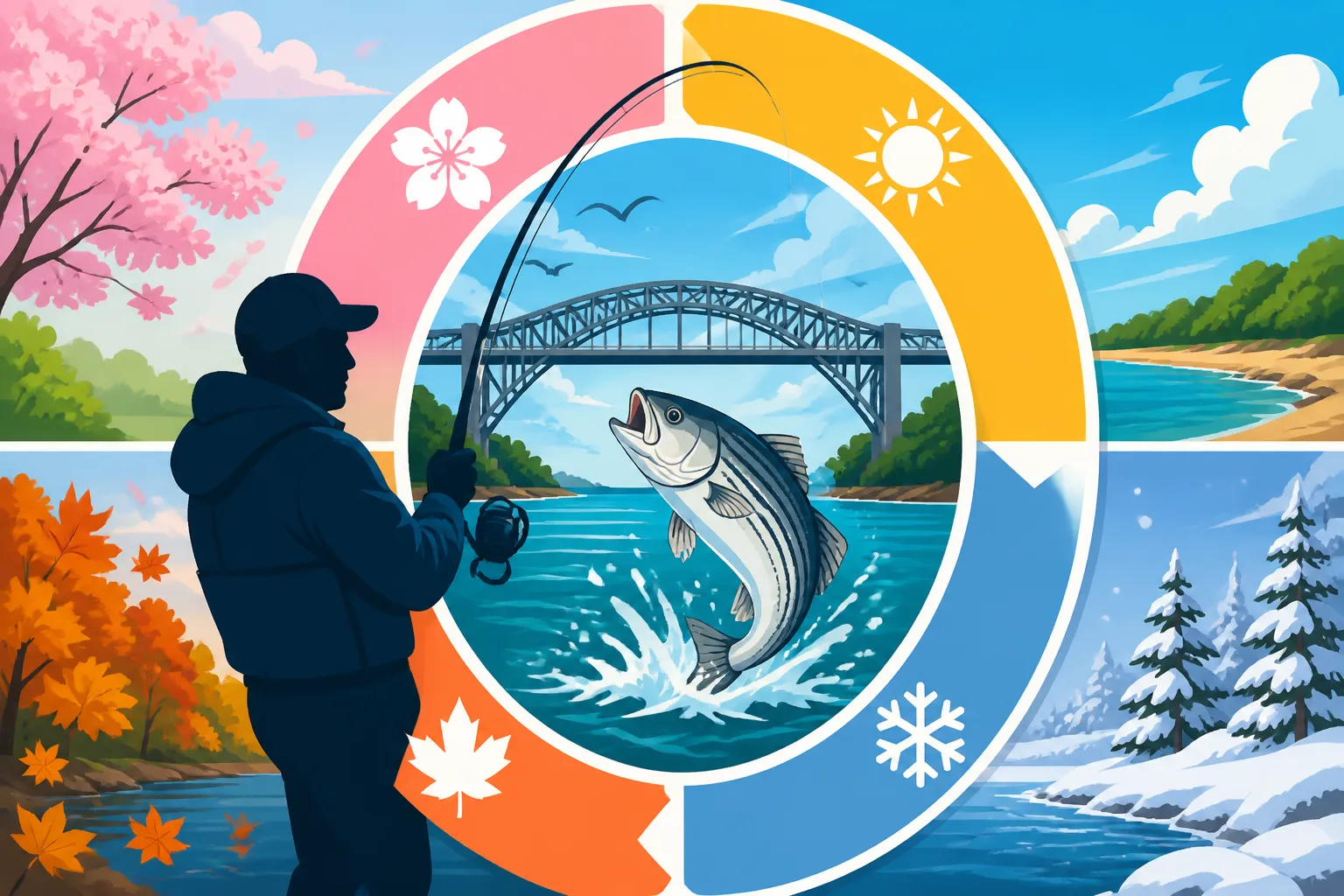
Best time of year to fish the Cape Cod Canal
Many anglers, both seasoned and novice, often find themselves scratching their heads, wondering when exactly the Cape Cod Canal truly comes alive for fishing. It can be a notoriously challenging body of water, with its incredibly strong currents and ever-shifting conditions, leading to frustrating hit-or-miss trips if you don't know the ropes. This comprehensive guide is here to cut through the confusion, breaking down the best times of year to target specific, sought-after species in this iconic Massachusetts waterway, helping you maximize your chances of a memorable catch.
Understanding the Cape Cod Canal's Dynamic Fishery
The Cape Cod Canal isn't just a waterway; it's a superhighway for fish and bait, dictated by powerful tidal flows. To truly understand the best time to fish here, you first need to grasp what makes this place tick. It's a unique environment where freshwater principles often meet saltwater realities, all driven by the moon.
The Rhythmic Power of the Tides
You can't talk about fishing the Cape Cod Canal without immediately discussing the tides. This 7-mile-long, man-made channel connects Buzzards Bay to Cape Cod Bay, creating a funnel for massive volumes of water. The tides here are unlike almost anywhere else on the East Coast, pushing currents that can reach speeds of up to 4-5 knots, sometimes even faster during peak lunar cycles. It's this rhythmic, surging water that acts as a conveyor belt, bringing baitfish from one bay to the other and, in turn, drawing in hungry predators.
When the tide is running hard, it creates rips, eddies, and upwellings that concentrate baitfish, making them an easy target for striped bass, bluefish, and other species. Anglers often focus on the period when the current is slowing down or just beginning to switch directions, known as the "slack tide," or the hour or two leading up to and after the peak current. These transitional periods can be incredibly productive, as fish take advantage of the slightly less turbulent water to feed actively. Understanding the Best Tides for Striped Bass Fishing in Massachusetts is absolutely paramount here; it's more important than the time of day or even the specific spot.
Primary Target Species Throughout the Year
While the Canal sees a variety of fish pass through, a few species consistently steal the show and are the main focus for most anglers. Striped bass are, without a doubt, the undisputed kings of the Canal, attracting anglers from all over the country. They follow the bait, using the Canal as a migration route and a feeding ground. Bluefish are another major player, known for their aggressive strikes and brutal fighting style. They typically arrive a bit later than stripers and can be found throughout the warmer months.
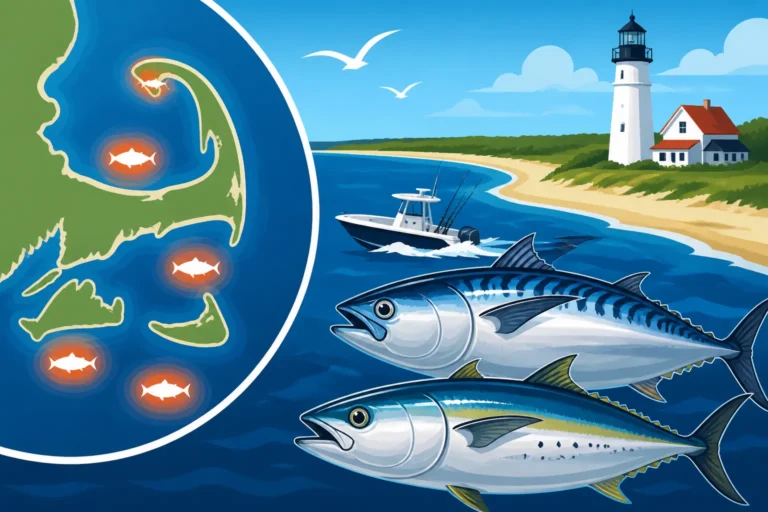
As the summer progresses into fall, the Canal can also become a hotspot for hard-fighting pelagic species like bonito and false albacore. These speedsters offer an entirely different kind of challenge, testing your gear and your reflexes with their blistering runs. Knowing which fish are likely to be present at certain times of the year allows you to tailor your approach, from your tackle selection to your choice of lures, significantly increasing your chances of success.
Seasonal Breakdown for Cape Cod Canal Fishing
Fishing the Cape Cod Canal isn't a static activity; it changes dramatically with the seasons. Each period offers its own unique opportunities and challenges, and what works in May might be completely ineffective in August.
Spring's Awakening: The Arrival of Stripers
When does Massachusetts trout stocking starts in 2026? While many of us are still thinking about the last snow, serious Canal anglers are eagerly anticipating the first signs of spring, which usually means the arrival of striped bass. Typically, the first schoolie stripers, smaller fish that are often just passing through, begin to show up in late April or early May. These are the vanguard, heralding the start of the season. As the water temperatures steadily climb and baitfish like herring and mackerel start their migrations, larger, more desirable striped bass follow close behind.
By mid-May and into early June, the Canal can be absolutely brimming with actively feeding stripers. The air is still crisp, and the crowds haven't reached their summer peak, making for some truly fantastic fishing. This is often when you'll hear whispers of the first "big fish" being landed. Anglers will be focusing on the beginning and end of the tide, trying to intercept fish moving with the current or holding in eddies. Jigging soft plastics or throwing subsurface plugs can be incredibly effective during this time, especially when targeting those hungry, migrating fish.
Summer's Peak: Diverse Action and Strong Currents
Ah, summer in Massachusetts! While many flock to the beaches, dedicated anglers head to the Canal for its consistent action, albeit with a few more challenges. From July through August, the Canal is in full swing. Striped bass are still a primary target, though their behavior might change with the warmer water. They often become more active during low-light conditions, meaning dawn, dusk, and even night fishing can be incredibly productive. Bluefish are also abundant during these months, providing explosive strikes and a thrilling fight. They're often found in the same areas as stripers, sometimes even chasing the same schools of bait.
The summer also marks the prime time for bonito and false albacore to make their appearance, particularly from late July through September. These pelagic visitors are notoriously fast and require specialized tackle and techniques, often involving small, fast-moving metal lures or soft plastics. The biggest challenge in summer, besides the heat, is the increased boat traffic and shore angler crowds. Popular spots can get packed, so patience and courtesy are essential. Mornings are generally quieter, offering a better chance at a peaceful fishing experience, and if you're looking for guidance, platforms like FishingBooker can help you find local guides who know the quieter spots and specific techniques for crowded times.
Fall's Grand Finale: The Epic Run
For many dedicated Cape Cod Canal anglers, the fall run—from September through November—is the absolute pinnacle of the fishing season. This is when the magic truly happens. As water temperatures begin to drop, vast schools of baitfish, including menhaden (pogies), mackerel, and squid, begin their southward migration through the Canal. And where the bait goes, the predators follow, often in massive numbers and with incredible aggression. This is the time when some of the largest striped bass of the year are caught, as they gorge themselves in preparation for their winter migration.
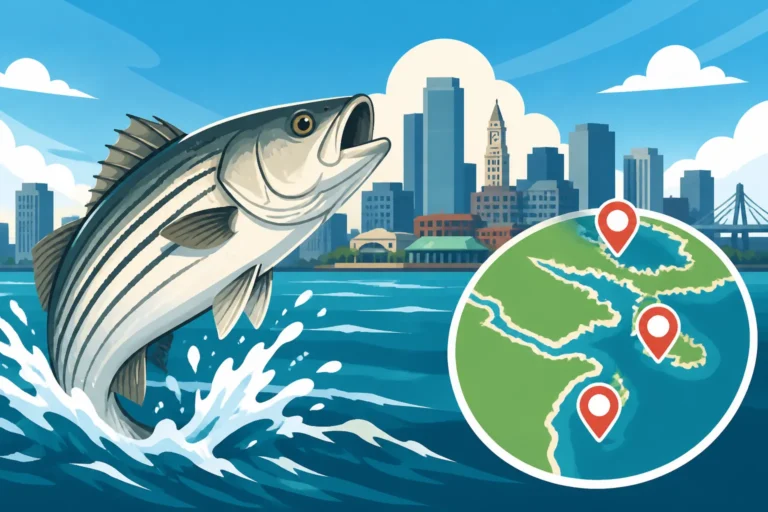
Bluefish are still very present, often mixed in with the stripers, creating frenzied feeding events where the water erupts with activity. The anticipation of the When striped bass arrive in Massachusetts waters and then their departure fuels the passion of anglers during this time. The energy during the fall run is palpable; it's a sense of urgency, knowing that this incredible bite won't last forever. Anglers are often throwing large plugs, live-lining eels or pogies, or jigging heavy metals to mimic the abundant bait. The weather can be more unpredictable, but the potential for a trophy fish makes braving cooler temperatures well worth it. This is often considered the Best time of year to catch striped bass at the Cape Cod Canal.
Here’s a quick overview of what you can expect throughout the year:
| Season | Months | Primary Target Species | Key Considerations |
|---|---|---|---|
| Spring | Late April – June | Striped Bass (schoolies & keepers) | First major migrations, cooler water, fewer crowds early on, excellent jigging. |
| Summer | July – August | Striped Bass, Bluefish, Bonito, False Albacore | Consistent action, warmer water, heavier crowds, best night/low-light fishing for stripers, pelagics arrive. |
| Fall | September – November | Striped Bass (large), Bluefish, False Albacore | The "Fall Run," massive bait migrations, potential for trophy fish, cooler weather, declining crowds later. |
| Winter | December – March | Minimal | Very limited fishing; most species have migrated south or into deeper waters. |
Strategies for Maximizing Your Canal Experience
Simply showing up at the Canal isn't enough; you need a strategy. This iconic fishing destination demands respect and understanding of its unique characteristics.
Tides, Bait, and Presentation
As mentioned, tides are everything. Knowing How to fish a falling tide at the Cape Cod Canal versus a rising tide, and understanding the nuances of how the current affects different stretches of the Canal, is a game-changer. Generally, the strong moving tides are what concentrate bait and predators, but the period around slack tide can also be excellent for fish that are waiting for the current to pick up or slow down.
The choice of bait and lure should directly mimic what the fish are feeding on. Early season might see herring and mackerel as primary forage, making swimming plugs and soft plastics in those profiles very effective. As summer progresses, smaller baitfish, squid, and even crabs become prevalent, calling for different lure sizes and types, such as jigs and topwater lures for bluefish. Live-lining eels at night is a legendary technique for large striped bass. Remember, the fish are often looking for an easy meal in that powerful current, so a natural, well-presented offering is key. Consider exploring Best Lures for Striped Bass in Massachusetts for more specific recommendations.
Essential Gear and Local Wisdom
Fishing the Cape Cod Canal is not for light tackle. You'll need sturdy gear capable of handling strong currents and powerful fish. Long rods (9-11 feet for shore casting) with a heavy action are standard, paired with reels that have excellent drag systems and can hold plenty of braided line (30-60 lb test). Heavy jigs (up to 6 oz or more) are often necessary to get your offering down to where the fish are in the fast current.
Beyond the gear, local wisdom is invaluable. Take the time to visit local tackle shops in towns like Sagamore, Bourne, or Buzzards Bay. The folks working there live and breathe Canal fishing and can provide up-to-the-minute reports on what's biting, where, and on what. They can also advise on specific spots like Cape Cod Canal Striped Bass Fishing Spots. If you're new to the Canal or want to learn the ropes quickly, hiring a local guide through resources like FishingBooker can give you an incredible advantage. These guides spend countless hours on the water and can teach you the subtle nuances of reading the currents, understanding fish behavior, and mastering the specialized techniques that are so crucial for success in this challenging, yet rewarding, fishery. Learning Jigging Techniques for Cape Cod Canal Stripers from an expert can save you years of trial and error.
Disclaimer
The information provided in this guide is for general informational purposes only and is based on typical seasonal patterns and common fishing practices. Fishing conditions, regulations, and fish behavior can vary significantly due to environmental factors, migration patterns, and changes in local rules. Always check current Massachusetts fishing regulations, weather forecasts, and tidal charts before heading out. Fishing involves inherent risks, and safety precautions should always be observed.