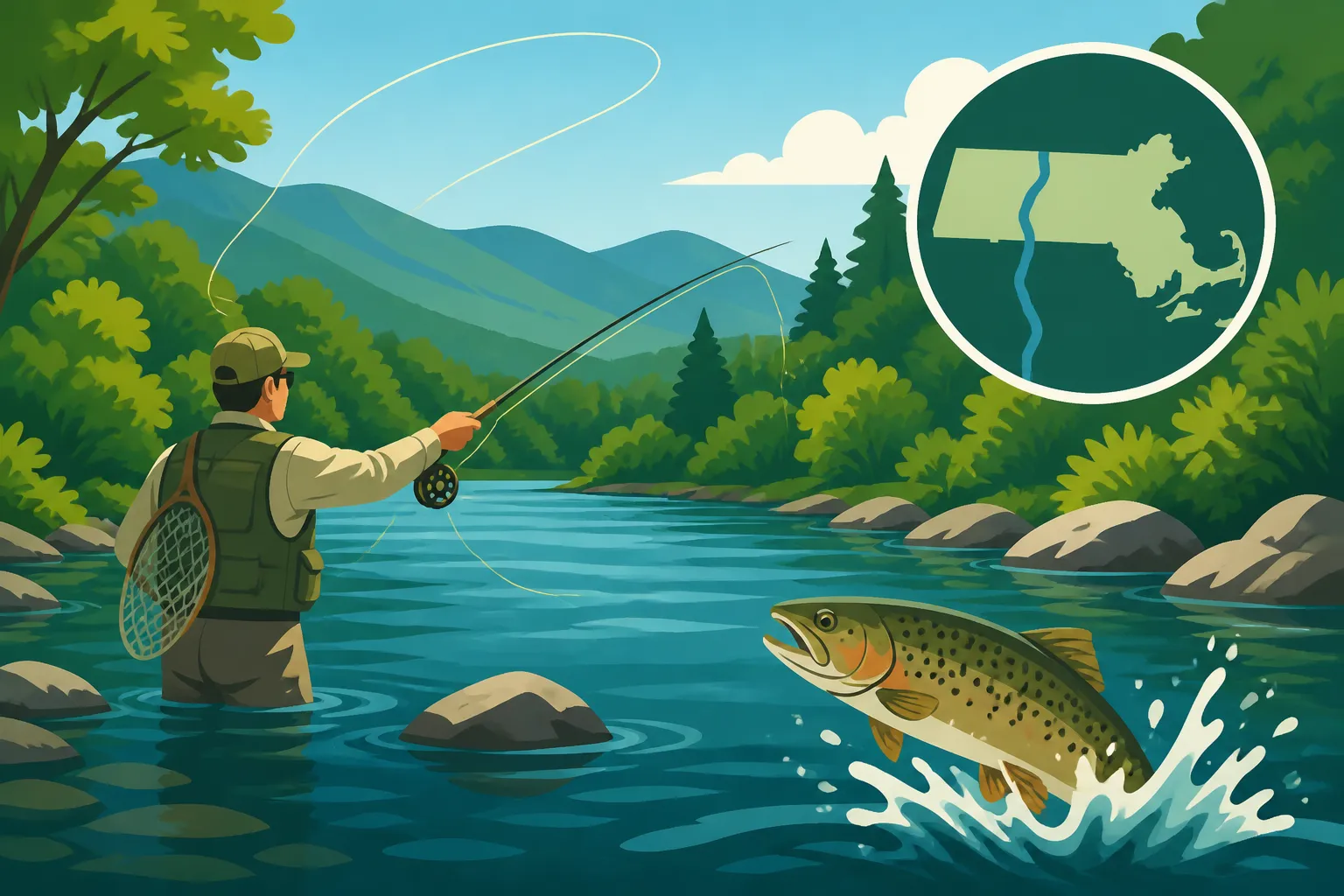
Best fly fishing spots on the Housatonic River
There's nothing quite like the gentle hum of a fly line slicing through the air, the focused concentration as your fly lands softly on the water, and the sudden thrill of a trout rising to meet it. But for many fly anglers, especially those new to the area or seeking new adventures, pinpointing those truly productive and rewarding spots on a large, revered river like the Housatonic in Massachusetts can feel like searching for a needle in a haystack. This comprehensive guide is here to untangle that frustration, offering detailed insights into the best fly fishing spots on the Housatonic River in Massachusetts, equipping you with the knowledge to make your next outing a memorable one.
Understanding the Housatonic River's Fly Fishing Appeal
The Housatonic River, particularly its stretches flowing through Western Massachusetts, is a true gem for fly anglers. It's not just a river; it's an ecosystem, a testament to dedicated conservation efforts, and a playground for those who appreciate the delicate art of fly fishing. Its reputation isn't built on hype but on the consistent quality of its waters and the vibrant life within them.
A Legacy of Wild Trout and Pristine Waters
What truly sets the Massachusetts section of the Housatonic River apart is its classification and the unique characteristics that flow from it. This river is recognized for its exceptional water quality and its ability to sustain a healthy population of wild, naturally reproducing trout. Unlike many other rivers that rely heavily on hatchery stocking, the Housatonic boasts a strong population of wild brown trout, offering a challenge and a reward that stocked fish often can't match. The cold, oxygen-rich waters, fed by numerous tributaries and springs, create an ideal habitat.
Beyond the wild trout, the river also sees periodic stocking by the Massachusetts Division of Fisheries and Wildlife (MassWildlife) in certain accessible areas, supplementing the wild populations and providing additional opportunities for anglers. However, the allure for many fly anglers lies in the pursuit of those wily, native fish. The varied river bottom, with its gravel, rocks, and occasional deeper pockets, combined with abundant aquatic insect life, creates a perfect environment. This river isn't just a place to catch fish; it's a place to connect with a wilder side of Massachusetts, a true natural treasure within the Housatonic River Fishing in the Massachusetts Berkshires region.
Target Species for Fly Anglers
When you head out to the Housatonic with your fly rod, you're primarily targeting a few key species, each offering its own unique fight and challenge. Understanding what you're casting for can greatly influence your fly selection and technique.
- Brown Trout (Salmo trutta): These are the stars of the Housatonic for many fly anglers. Known for their elusive nature and powerful fights, wild brown trout thrive in the river's varied structure. They can grow to impressive sizes, with fish over 20 inches not uncommon in the deeper pools and runs. They're opportunistic feeders, meaning they'll hit everything from tiny nymphs to large streamers, depending on the conditions and their mood. For dedicated anglers, learning more about Brown Trout Fishing in Massachusetts can significantly improve your chances.
- Rainbow Trout (Oncorhynchus mykiss): While often stocked, rainbow trout are also present and can provide exhilarating battles, frequently leaping out of the water. They tend to prefer faster-moving water and are often found in riffles and runs. They're typically eager to take a well-presented nymph or dry fly, especially during active insect hatches.
- Brook Trout (Salvelinus fontinalis): Massachusetts' native trout, brook trout, are found in the colder, smaller tributaries that feed into the Housatonic, and sometimes in the main stem itself, particularly in the upper reaches. While generally smaller, their vibrant colors and willingness to hit a dry fly make them a favorite. Exploring the nuances of Brook Trout in Massachusetts Streams can lead you to some truly picturesque and rewarding experiences.
- Smallmouth Bass (Micropterus dolomieu): As you move further downstream, particularly after Great Barrington, the river's character changes, becoming warmer in some sections. Here, smallmouth bass become a viable and exciting target. These hard-fighting fish are aggressive and will readily strike streamers, poppers, and large nymphs, offering a different kind of fly fishing thrill.
Always remember that fishing for these species requires a valid Massachusetts Fishing License Guide, and it's essential to be familiar with the current Massachusetts Recreational Fishing Rules and Bag Limits, especially concerning trout and bass.
Key Fly Fishing Hotspots on the Massachusetts Housatonic
The Housatonic River in Massachusetts offers a diverse array of fly fishing opportunities, from easily accessible stretches to more challenging, secluded spots. Knowing where to focus your efforts can make all the difference, transforming a hopeful cast into a memorable catch.
The West Stockbridge to Great Barrington Stretch
This is arguably the most popular and productive section of the Housatonic for fly anglers, and for good reason. It offers a fantastic mix of accessibility and rich fish habitat.
From the picturesque town of West Stockbridge, as the river begins its journey southward, you'll find a series of public access points and bridge crossings that allow anglers to reach the water. One of the most favored areas is near Ice Glen Road in Stockbridge, where the river flows through a mix of private and public lands, but ample access can be found. This section is characterized by a healthy gradient, creating a beautiful patchwork of riffles, runs, and deeper pools. The oxygenated water here is prime trout habitat.
Further downstream, as you approach Great Barrington, the river continues to offer excellent opportunities. Look for pull-offs and designated parking areas along Route 7 and other secondary roads. The Housatonic here is often wide enough to allow for comfortable casting, with plenty of room for backcasts. This stretch is a haven for insects, meaning strong hatches are common throughout the spring and fall. Expect to find caddisflies, mayflies (such as Hendrickson and Sulphur), and stoneflies, which get the trout actively feeding on the surface or just below. Wading is generally manageable in many areas, but always exercise caution and use a wading staff, as currents can be strong, and the bottom can be slippery. This specific area is well-regarded for its robust populations of both wild brown and stocked rainbow trout.
The Lee/Tyringham Section and its Hidden Gems
While the West Stockbridge to Great Barrington area might draw more attention, the sections around Lee and Tyringham hold their own unique charm and offer fantastic fly fishing, often with fewer crowds. These areas tend to be a bit more intimate, requiring a keen eye for access and a willingness to explore.
Around the town of Lee, the river can be a bit tighter in some spots, flowing through wooded areas and past some private properties. However, patient anglers can find excellent seams and pools. Access near Columbia Mill Road or closer to the village center, where you can often park and walk, can yield good results. The river here maintains its cold-water characteristics, supporting strong trout populations. You might find some excellent pocket water fishing in these stretches, where quick, accurate casts into small, broken currents can surprise a hungry trout.
Moving towards Tyringham, the river becomes even more secluded in places. This is where the Housatonic truly feels wild. Access might involve a bit more walking along unmarked paths or exploring small feeder streams that eventually merge with the main river. These "hidden gems" are perfect for anglers seeking solitude and the challenge of finding unpressured fish. The brook trout often thrive in these smaller, colder tributaries, making them ideal for lighter fly rods and more delicate presentations. Always respect private property signs and consult local maps or a good guidebook to identify legal access points. The reward for this extra effort is often a truly pristine fishing experience with very little competition.
Downstream from Great Barrington: Transitioning Waters
As the Housatonic River flows south past Great Barrington, its character gradually begins to change. The overall gradient might lessen, the river can become wider, and in some areas, the water temperatures may begin to rise slightly, especially during the warmer summer months. This transition opens up opportunities for different species and techniques.
In the stretches immediately south of Great Barrington, trout fishing can still be excellent, particularly in the spring and fall. Look for deeper runs and pools that offer cold water refuges for trout. Areas around Sheffield and the Massachusetts-Connecticut border can still hold respectable trout numbers. However, as the water warms, you'll start to encounter more warm-water species, most notably smallmouth bass. These bronze bombers offer a fantastic fly fishing alternative, especially through the summer when trout might be less active due to higher water temperatures.
For smallmouth bass, concentrate on rocky bottoms, submerged structure, and areas with faster current breaks. They are aggressive predators and will readily hit larger streamers, poppers, and even crayfish imitations. This transition means you might need to adapt your gear and fly selection from delicate trout patterns to more robust bass flies. It's a great opportunity to broaden your fly fishing horizons and enjoy the diversity the Housatonic offers across its length in Massachusetts.
Here's a quick overview of some key Housatonic fly fishing sections:
| Section | Primary Species Targeted | Key Characteristics | Accessibility | Best Times |
|---|---|---|---|---|
| West Stockbridge | Brown Trout, Rainbow Trout | Riffles, runs, deep pools, strong hatches | Good; road access, bridge crossings | Spring, Fall |
| Stockbridge (Ice Glen Rd) | Brown Trout, Rainbow Trout | Varied structure, excellent insect life | Moderate; parking, some walking | Spring, Fall |
| Great Barrington | Brown Trout, Rainbow Trout | Wider river, ample casting room, consistent hatches | Good; multiple public access points | Spring, Fall |
| Lee | Brown Trout, Rainbow Trout | Tighter sections, pocket water, more secluded | Moderate; some walking required | Spring, Fall |
| Tyringham | Brown Trout, Brook Trout | Very secluded, smaller tributaries, wilder feel | Challenging; requires exploration | Spring, Early Summer |
| Sheffield (Downstream) | Smallmouth Bass, Trout (seasonal) | Wider, warmer sections, rocky bottom, structure | Good; road access, some wading | Summer (Bass), Spring/Fall (Trout) |
Essential Gear and Techniques for Housatonic Fly Fishing
Venturing onto the Housatonic River for fly fishing is an experience best enjoyed with the right tools and a solid understanding of how to use them. The river's diverse character demands a versatile approach, from the gear you carry to the way you present your fly.
Rods, Reels, and Lines for Success
Choosing the correct setup is paramount for an enjoyable and effective day on the Housatonic. You'll want a versatile combination that can handle the river's varied conditions and the different fish species you might encounter.
For most trout fishing on the Housatonic, a 9-foot, 4-weight or 5-weight fly rod is the workhorse. A 4-weight offers a more delicate presentation for wary wild trout and smaller dry flies, while a 5-weight provides a bit more backbone for casting larger nymphs, streamers, or fighting bigger fish in heavier currents. If you're specifically targeting larger brown trout or smallmouth bass in the lower sections, a 6-weight rod might be more appropriate, giving you extra power.
Pair your rod with a reliable fly reel that has a smooth drag system. While trout typically don't strip line off the reel aggressively on a regular basis, a good drag is crucial for those unexpected larger fish and protecting light tippets. For your fly line, a weight-forward floating line is the most versatile choice. It handles dry flies, nymphs under an indicator, and even lighter streamers effectively. Consider carrying an extra spool with a sinking tip line if you plan to fish larger streamers in deeper, faster water, especially for big browns or smallmouth bass. Don't forget an appropriate leader (9-12 feet, tapered) and spools of fluorocarbon tippet in various sizes (e.g., 3X, 4X, 5X) to match your flies and the conditions.
Go-To Flies for the Housatonic
Having the right selection of flies is like having the right keys to unlock the Housatonic's fishing potential. The river has a rich aquatic insect population, so matching the hatch or offering generalist patterns is often the ticket to success.
- Nymphs: These are often the most consistent producers, as trout spend the majority of their time feeding subsurface. Essential patterns include the Pheasant Tail Nymph (sizes 14-20), Hare's Ear Nymph (sizes 12-18), and Prince Nymph (sizes 12-16). Don't forget stonefly imitations (e.g., Pat's Rubber Legs or Golden Stone Nymphs) in sizes 8-12, especially in the spring. Varying the weight of your nymphs (beadhead vs. unweighted) is important for getting to the right depth.
- Dry Flies: When trout are rising, there's nothing more exciting than a dry fly take. Keep an eye out for hatches of Blue-Winged Olives (BWO) (sizes 18-22), various Caddis patterns (e.g., Elk Hair Caddis in sizes 12-18), Sulphurs (sizes 14-16), and Hendricksons (sizes 12-14) in spring. General attractor patterns like a Parachute Adams (sizes 12-20) or a Stimulator (sizes 10-16) are also great to have for prospecting when no specific hatch is occurring.
- Streamers: For targeting larger brown trout, especially in deeper pools or during overcast conditions, streamers are incredibly effective. Classic patterns like the Woolly Bugger (black, olive, brown in sizes 6-10), Clouser Minnow (olive/white, chartreuse/white in sizes 4-8), and Muddler Minnow (sizes 6-10) are excellent choices. Stripping these flies through likely holding water can provoke aggressive strikes from territorial fish. For those pursuing Fly Fishing in Massachusetts, a well-stocked fly box with these staples is a must.
Reading the Water and Presentation Tips
Catching fish on a fly rod is often less about brute force and more about finesse and understanding the water in front of you. The Housatonic provides a masterclass in reading trout habitat.
- Identify Holding Water: Trout, especially wild ones, are highly efficient. They'll position themselves in places where food is abundant but the current allows them to conserve energy. Look for:
- Seams: The boundary where fast and slow currents meet.
- Current Breaks: Behind large rocks, fallen trees, or bends in the river.
- Riffles: The turbulent, shallow sections where oxygen is high and nymphs are dislodged. Fish often hold in the slower water below the riffle.
- Pools: Deeper, slower-moving sections, especially their heads (where faster water enters) and tails (where water exits).
- Undercut Banks: Overhanging banks provide shelter and a prime ambush point.
- Presentation is Key:
- Dry Flies: Aim for a drag-free drift. Cast upstream and slightly across, allowing your fly to float naturally with the current as if it were a real insect. Mend your line as needed to prevent drag.
- Nymphing: Get your nymphs down to the fish. Use split shot or weighted flies, and often a strike indicator to detect subtle takes. Dead-drifting nymphs upstream of likely holding lies is a highly effective technique.
- Streamers: Cast across or slightly downstream and retrieve with varied strips and pauses. This mimics a baitfish or leeches, enticing predatory strikes. Experiment with retrieve speed until you find what triggers a response.
Always approach the water stealthily, especially in clear conditions. Trout are easily spooked by heavy footsteps, bright clothing, or shadows cast over their holding lies. A quiet approach and accurate cast will significantly increase your success rate.
Seasonal Strategies and Conservation Ethic
The Housatonic River's character and fishing opportunities shift with the seasons, requiring anglers to adapt their strategies. Beyond the tactical aspects, understanding regulations and practicing responsible angling are crucial for preserving this precious resource for generations to come.
Best Times to Fish: Spring, Summer, and Fall
Each season on the Housatonic offers distinct advantages and challenges for fly anglers, largely dictated by water temperature, insect activity, and fish behavior.
- Spring (April – June): This is often considered prime time. As the snow melts and water temperatures begin to rise, trout become highly active. Early spring can see strong stonefly hatches, followed by excellent caddisfly and mayfly (Hendrickson, Sulphur, BWO) hatches. The trout are eager feeders after a long winter. This is a great time for both nymphing and dry fly fishing. Be mindful of high water levels from spring runoff, especially early in the season. Checking the Massachusetts Trout Stocking Schedule might also give you an idea of when to expect fresh fish in areas that receive supplements, although the Housatonic is largely wild.
- Summer (July – August): Summer can be challenging due to warmer water temperatures, which can stress trout. Focus your efforts during early mornings, late evenings, or after a rain shower when water temperatures are cooler. Look for cold spring inputs or shaded sections. Terrestrial insects (grasshoppers, ants, beetles) become important dry fly patterns. In the lower sections, smallmouth bass fishing heats up and can provide fantastic action during the day. During periods of high heat, it's often best to give the trout a break.
- Fall (September – November): Fall is another exceptional season, rivalling spring in terms of productivity and offering breathtaking scenery. Water temperatures cool, and trout, particularly brown trout, become very active as they prepare for spawning. You'll encounter renewed hatches of BWOs and caddis, but streamer fishing can be incredibly effective for larger, aggressive fish. This is the time to chase a trophy brown. Just remember to respect spawning fish and avoid disturbing redds (spawning beds).
Always check current weather and water conditions before heading out. Online river gauges can provide real-time information on water levels and temperatures, helping you plan your trip effectively.
Navigating Access and Regulations
Understanding where you can legally fish and what the rules are is fundamental to responsible angling on the Housatonic.
- Public Access: MassWildlife and local land trusts have worked to secure public fishing access points along the Housatonic. These are often marked with signs or are at bridge crossings. However, much of the river flows through private land, and respecting "No Trespassing" signs is paramount. Always confirm access before stepping into the water or onto the riverbanks. Public access maps, often available from MassWildlife, are invaluable resources.
- Regulations: The Housatonic River, particularly certain stretches, can have special regulations regarding tackle, catch-and-release, or specific seasons for trout. For example, some sections may be designated "Catch and Release Only" or "Artificial Lures Only." It is your responsibility as an angler to know and follow these rules. You can find detailed information in the annual Massachusetts fishing regulations pamphlet, which is available online through MassWildlife or at license vendors. Be sure to understand your Massachusetts Freshwater Daily Catch Limits for any fish you intend to keep.
- Catch and Release: Given the presence of wild, naturally reproducing trout in the Housatonic, practicing catch-and-release with proper handling techniques is highly encouraged, especially for brown trout. Use barbless hooks, minimize handling time, keep the fish in the water as much as possible, and revive it gently before release. This helps ensure the long-term health of the fishery.
Hiring a Local Guide for an Edge
For anglers new to the Housatonic, or those looking to refine their skills and gain insider knowledge, hiring a local fly fishing guide can be an invaluable investment. A good guide knows the river intimately: its currents, its hidden pools, the best flies for the day, and where the fish are holding.
A guide can teach you local techniques, help you understand the nuances of the hatches, and navigate private property rules while ensuring you fish legally and safely. They provide all the necessary gear if you don't have your own, and often offer instruction on casting and presentation. This can significantly shorten the learning curve and greatly enhance your overall experience. If you're looking to connect with experienced local guides, resources like FishingBooker can be a great starting point, allowing you to browse available guides and charter options specifically for fly fishing in the Berkshires region. They can help you find guides specializing in the Housatonic, providing a personalized and productive day on the water. For more general information on finding expert help, check out our guide to the Best Fishing Guides in Massachusetts.
Remember to always carry your Massachusetts Freshwater Fishing License Costs and Rules documentation, whether it's a physical copy or an electronic version on your phone. Being prepared and respectful of the rules and the environment ensures a positive experience for everyone on the Housatonic.
Disclaimer
The information provided in this guide is for general informational purposes only and is subject to change. Fishing regulations, access points, and conditions can vary. Always consult the latest official Massachusetts Division of Fisheries and Wildlife (MassWildlife) regulations before fishing. Adhere to all local laws, respect private property, and practice safe and ethical angling.