Where to fish Provincetown Harbor
Standing at the very tip of Cape Cod, Provincetown Harbor offers some truly fantastic fishing opportunities, but for many anglers, especially those visiting for the first time, it can feel a bit overwhelming trying to figure out where to drop a line. The sheer variety of water, from the bustling pier to the quiet inner flats, can make it tough to know where to start or what to target. If you've ever felt that mix of excitement and uncertainty looking out at those beautiful waters, you're not alone. This comprehensive guide is here to unravel the secrets of fishing Provincetown Harbor, giving you the insider knowledge you need to make your next trip a success, whether you're a seasoned pro or just starting out.
Why Provincetown Harbor is a Gem for Anglers
Provincetown, or "P-Town" as many affectionately call it, is more than just a charming coastal town; it's a strategically perfect location for fishing. Nestled at the very end of Cape Cod, its unique geographical features create an ecosystem that acts like a magnet for a huge variety of marine life, making it a truly special place for anyone with a rod and reel.
Unique Geography and Ecosystem
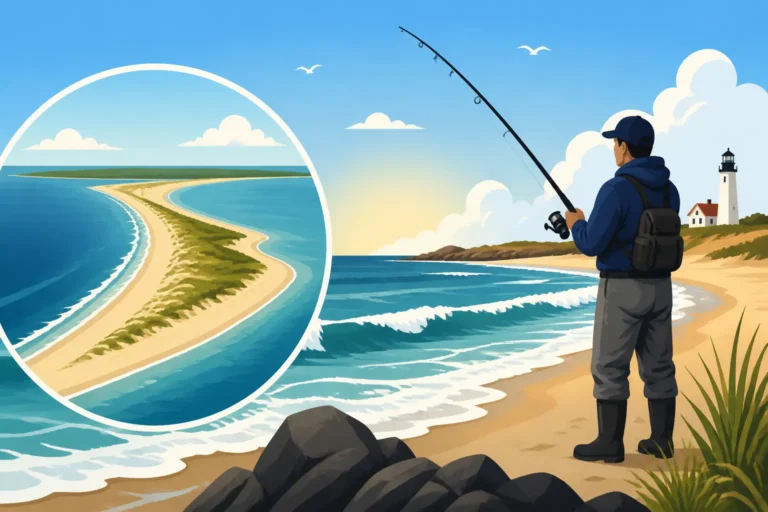
Imagine the northern tip of a long, curving arm reaching out into the Atlantic – that's Cape Cod. Provincetown Harbor sits right in the crook of that arm, a deep, natural harbor almost completely enclosed by the sandy hook of the Cape itself. This means it's incredibly sheltered from the strong ocean swells and winds that batter the open coastline just beyond its mouth. This protection is a huge bonus, especially for those in smaller boats or even just casting from shore, as it provides far calmer waters to navigate and fish.
But it’s not just about calm waters. The strategic location means it's a crossroads for different currents and water temperatures. Warm inshore waters mix with cooler, nutrient-rich currents from the deeper ocean, creating a vibrant feeding ground. This blend of environments supports an incredibly diverse food chain, from tiny plankton to schools of baitfish, which in turn attract larger predatory fish. Think of it as a natural buffet that keeps drawing in the good stuff, year after year.
Sheltered Waters and Accessibility
One of the biggest advantages of Provincetown Harbor is how accessible it makes fishing for everyone. Unlike the challenging surf fishing along the Outer Cape, the harbor provides relatively calm, manageable conditions. This makes it an ideal spot for families with kids, beginners learning the ropes, or even experienced anglers who just want a more relaxed day on the water without battling huge waves.
If you're into kayak fishing, the sheltered waters here are a dream. You can paddle out with confidence, exploring the numerous coves, flats, and channel edges without worrying about getting swamped. Small boats also thrive here, able to motor out to prime spots that might be too exposed in other locations. And for those who prefer to keep their feet on solid ground, the extensive MacMillan Pier and other shoreline access points offer ample opportunities to cast a line directly into productive waters. It’s truly a welcoming environment for all levels and styles of angling.
Target Species in Provincetown Harbor
Provincetown Harbor is a dynamic fishery, with different species moving in and out with the seasons, tides, and baitfish migrations. Knowing what to expect and when to expect it is key to a successful trip. The diversity here is part of the fun, offering something for every angler’s preference.
Striped Bass and Bluefish
Ah, the kings of New England inshore fishing! Striped bass and bluefish are, without a doubt, the two most sought-after game fish in Provincetown Harbor. They flock to these waters from late spring through early fall, drawn by the abundance of baitfish. Stripers, with their strong fighting spirit, cruise the harbor's edges, breakwaters, and channel drop-offs, especially during dawn, dusk, and even into the night. You'll often find them lurking near structures or ambushing bait schools in the currents.
For these magnificent fish, live bait such as mackerel or eels is often king, especially for trophy-sized stripers. Many anglers will also find success with chunk bait like menhaden or mackerel fished on the bottom. If you prefer artificial lures, large swimming plugs, soft plastic paddletails, and topwater poppers can be incredibly effective, particularly when cast around rocky outcrops or areas with good current. Remember to check the current Massachusetts Bluefish Bag Limit and Season and learn How to Catch Striped Bass in Massachusetts before you head out. Bluefish, with their razor-sharp teeth and aggressive strikes, often show up a bit later in the season than stripers but can provide explosive action. They'll hit almost anything with gusto, often chopping lures or bait in half, so use a strong leader!
Flounder, Tautog, and Other Bottom Dwellers
Beyond the pelagic predators, Provincetown Harbor offers excellent opportunities for bottom fishing, too. Flounder, particularly summer flounder (fluke), are a popular target during the warmer months. These flatfish love to bury themselves in the sandy or muddy bottoms, waiting to ambush passing bait. The shallower flats of the inner harbor and the edges of channels are prime spots for them.
To catch flounder, a simple rig with a lead sinker and a snelled hook baited with squid strips, clam, or small pieces of a sand worm works wonders. You want to drift slowly over the bottom to cover ground, allowing your bait to bounce along where flounder lie in wait. Another fantastic bottom dweller, especially around rocky areas and jetties, is the tautog. These hard-fighting fish are structure-oriented, feeding on crabs and mussels. They can be tricky to catch due to their subtle bite, but once hooked, they put up a tremendous fight. Green crabs are the go-to bait for tautog, fished on a specialized tautog rig directly against the structure. Always be mindful of the Massachusetts Fluke Size Limits Explained and the varying seasonal rules for Massachusetts Tautog Size and Bag Limit by Season to ensure you're fishing legally.
Mackerel, Pollock, and Baitfish
While not always the main target, mackerel and other baitfish like sand eels and herring are incredibly important to the Provincetown Harbor ecosystem and, by extension, to your fishing success. Mackerel often show up in spring and early summer, schooling in huge numbers, and can be caught easily on sabiki rigs. This is fantastic news because they make for some of the best live bait for those trophy striped bass and bluefish.
Pollock, while perhaps not as glamorous as a striper, are also common in the harbor, especially around deeper pockets and structures. They offer good light tackle fun and are surprisingly good eating. Anglers often catch them while targeting other species with jigs or bait. Understanding where and when these smaller baitfish are present is crucial, as the bigger predators are never far behind. If you see birds diving or baitfish rippling on the surface, chances are there are game fish below.
Best Fishing Locations Within the Harbor
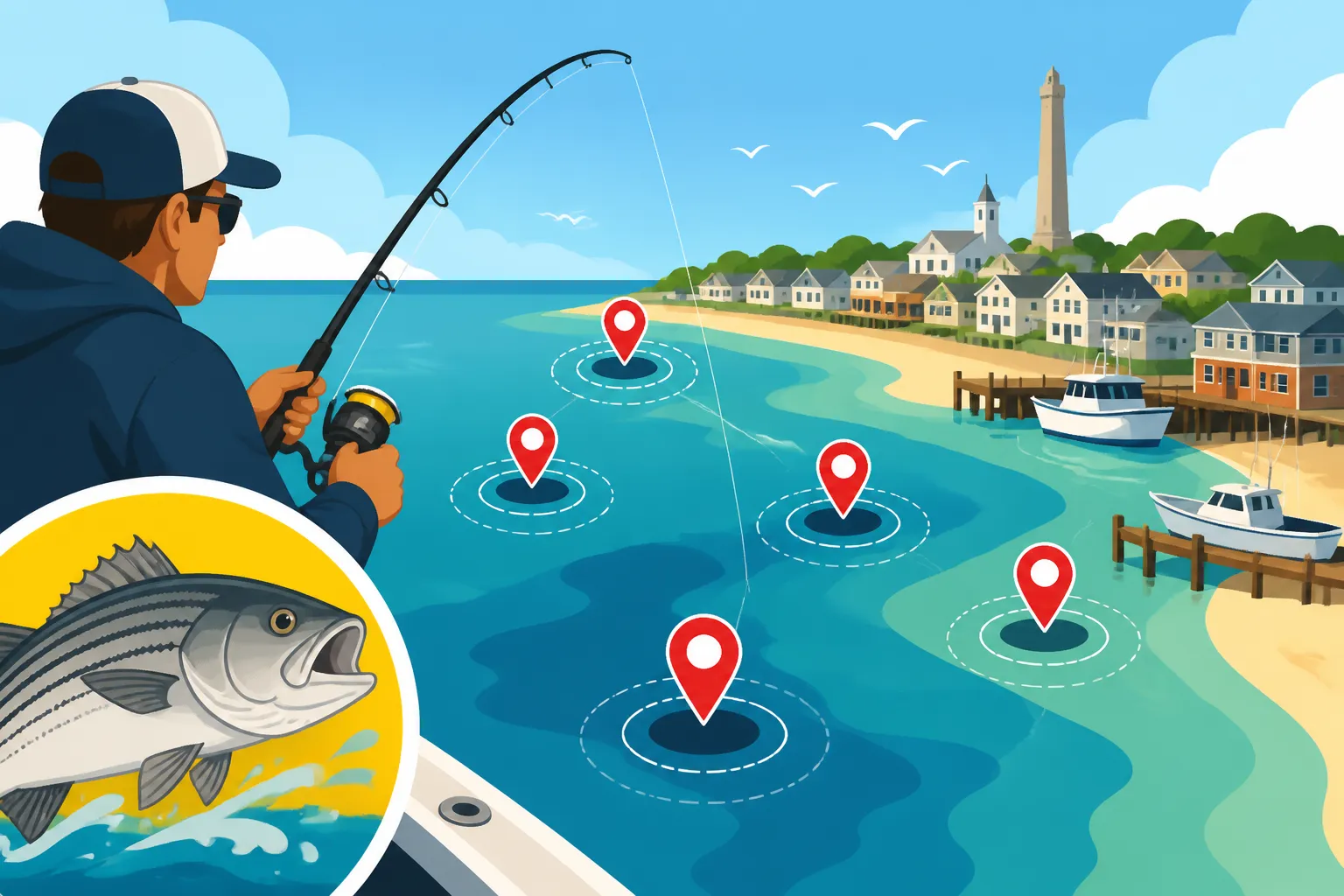
Provincetown Harbor is a mosaic of different fishing environments, each with its own charm and opportunities. From bustling piers to quiet, hidden coves, knowing the lay of the land (or, in this case, the water) will significantly boost your chances of finding fish.
MacMillan Pier and Town Wharf
For many visitors, and even some locals, the MacMillan Pier is the heart of Provincetown's fishing scene. This iconic pier stretches a considerable distance into the harbor, offering fantastic access to deeper waters without needing a boat. It's a truly social fishing experience, often bustling with people, especially in summer. You can cast out for mackerel, scup, and even smaller striped bass right off the pier. The area around the pier pilings can hold some surprising fish, as they offer shelter and a feeding ground for many species.
When fishing here, a simple bottom rig with bait like clam, squid, or seaworms will catch a variety of panfish and bottom dwellers. For those looking for something larger, casting lures or chunk bait further out can yield striped bass or bluefish, particularly during strong tides. The town wharf area adjacent to the pier also provides excellent shore access, especially for families. Always be mindful of boat traffic and other anglers, and be sure to understand Massachusetts Rules for Fishing From a Pier or Bridge to ensure a safe and enjoyable experience for everyone.
Breakwater and Rock Piles
Stretching out from the west end of town, the historic Provincetown Breakwater is a prominent feature that also happens to be a fantastic fishing spot. While a long walk, it provides access to deeper water and rocky habitat that attracts a different class of fish. The rocks themselves are home to crabs and mussels, which are a primary food source for tautog. Fishing around the base of the breakwater, especially on the harbor side, can be incredibly productive for these elusive bottom dwellers.
Beyond tautog, the currents and eddies created by the breakwater itself are prime ambush points for striped bass and bluefish. Anglers casting large swimming plugs, jigs, or live eels along the breakwater's edge, particularly at higher tides or during strong current flows, often encounter some of the biggest stripers. Further into the harbor, there are various submerged rock piles and mussel beds that serve as natural fish habitats. These areas are best approached by boat or kayak and are excellent for targeting both stripers and tautog. A local fishing chart or a good sonar unit can help you pinpoint these underwater structures.
Inner Harbor Flats and Channels
The vast, shallower flats and intricate network of channels within the inner Provincetown Harbor offer a completely different fishing experience, primarily suited for kayaks or small boats. These areas are incredibly productive, especially for species like flounder, scup, and smaller schoolie striped bass. The key here is stealth and understanding the tides. As the tide pushes in, fish move onto the flats to feed on crabs, worms, and baitfish exposed by the rising water.
Drifting quietly over these flats with light tackle and baited rigs or small jigs can be incredibly effective for flounder. Along the edges of the deeper channels, where the current is a bit stronger, you'll find striped bass waiting for bait to be swept by. Kayak anglers, in particular, can have a field day here, sneaking into areas that larger boats can't access, sight-casting to cruising fish. If you're exploring these areas by paddle power, remember to check out some Best Kayak Fishing Spots on Cape Cod for additional insights and safety tips. The tranquil beauty of these inner harbor spots, combined with the often-solitary fishing experience, makes them a favorite for many.
Essential Gear and Techniques for Provincetown Harbor
Having the right tools for the job can make all the difference, especially in a diverse fishery like Provincetown Harbor. While you don't need a boatload of expensive gear, a thoughtful selection will open up more opportunities and lead to more hook-ups.
Rods, Reels, and Line Recommendations
For the variety of fishing you'll encounter in Provincetown Harbor, a versatile rod and reel setup is highly recommended. A medium-heavy spinning rod, typically in the 7 to 8-foot range, paired with a matching spinning reel (like a 4000 to 6000 series) spooled with 20-30 lb braided line, will cover most situations. This setup provides enough backbone to fight a decent-sized striped bass or bluefish, while still being sensitive enough for flounder or tautog. The braided line offers superior casting distance and sensitivity, which is crucial for detecting subtle bites.
For pier fishing or targeting smaller species, a lighter medium-action spinning rod (6.5 to 7 feet) with a 2500-3000 series reel and 10-15 lb braid is perfect. This lighter setup enhances the fun of catching mackerel or scup and is less fatiguing for a full day of casting. Always remember to use a fluorocarbon leader (20-40 lb for stripers/bluefish, 10-20 lb for bottom fish) to protect your main line from abrasive structures and the fish's teeth, as well as to offer a bit of invisibility in clear harbor waters.
Baits and Lures That Work Best
When it comes to bait, the local bait shops near the harbor (often found right on MacMillan Pier or just off Commercial Street) are your best friends. Fresh clams and seaworms are perennial favorites for a wide range of species, especially flounder, scup, and even smaller stripers. Strips of fresh squid are also incredibly versatile and durable, catching everything from flounder to pollock. For targeting larger striped bass and bluefish, live mackerel or eels, if you can get them, are often irresistible. Chunked bunker (menhaden) or mackerel are also excellent choices for a scent trail.
On the artificial side, a diverse tackle box will serve you well. For striped bass and bluefish, consider a selection of swimming plugs (both floating and sinking), topwater poppers for exciting surface strikes, and soft plastic paddletails (like those from Guppy Lures or Tsunami) rigged on jig heads. These are fantastic for mimicking baitfish. For bottom fishing, lead jigs tipped with a Gulp! shrimp or a piece of clam can be effective for flounder and pollock. Don't forget a few sabiki rigs for catching your own baitfish, which is not only fun but also incredibly effective. If you’re serious about landing some big stripers, checking out some Best Lures for Striped Bass in Massachusetts can provide more specific insights. Similarly, for tautog, you really can’t beat green crabs, which is detailed further in our guide on Best Bait for Tautog Fishing in Massachusetts.
Navigating Tides and Weather
Fishing in Provincetown Harbor, like anywhere along the coast, is heavily influenced by the tides and weather. Understanding these forces isn't just about maximizing your catch; it's also about safety. The harbor's unique shape means that while it's generally sheltered, currents can still be quite strong, especially around the mouth and along the breakwater.
Often, the incoming or outgoing tide (known as a "moving tide") is the most productive for predatory fish like stripers and bluefish, as baitfish are swept along, making them easier targets. Slack tide, when the water movement is minimal, can be slower for these species but sometimes better for bottom fish like flounder. Always check the local tide charts before heading out. Weather, particularly wind direction and speed, can drastically affect your day. Strong onshore winds can make casting difficult and create choppy conditions, even within the harbor. Fog, which is common on Cape Cod, can also pose a serious navigation hazard, especially if you're in a boat. Always prioritize safety, and if conditions look iffy, it’s always better to stay ashore and try another day.
Planning Your Provincetown Harbor Fishing Trip
A successful fishing trip, especially to a new or complex area, often hinges on good planning. From understanding the rules to knowing your options for getting out on the water, a little preparation goes a long way.
Regulations and Licensing You Need to Know
Massachusetts takes its fisheries management seriously, and it’s up to every angler to be informed and compliant. For saltwater fishing in Provincetown Harbor, you absolutely need a Massachusetts saltwater recreational fishing permit. This permit is required for anyone age 16 or older. It's not just a formality; it funds vital conservation efforts and ensures the sustainability of the fishery for future generations.
Beyond the permit, you'll need to be intimately familiar with the specific regulations for the species you're targeting. These include size limits, bag limits (how many fish you can keep), and sometimes seasonal closures. For example, striped bass have a specific slot limit, meaning only fish within a certain size range can be kept. These regulations can change annually, so it's critical to check the most current MassWildlife and Division of Marine Fisheries guidelines before each season. You can easily find information on the Massachusetts Saltwater Recreational Fishing Permit Explained and detailed Massachusetts Recreational Fishing Rules and Bag Limits online. If you're new to fishing in the Bay State, a great starting point is our comprehensive Massachusetts Fishing License Guide.
Chartering a Boat or Guided Trip
If you’re visiting Provincetown and don’t have your own boat, or if you simply want the benefit of local expertise, chartering a boat or hiring a guide is an excellent option. A local captain knows the harbor like the back of their hand – where the fish are hiding, what baits they’re hitting, and how the tides are running on any given day. This can significantly increase your chances of a successful and enjoyable trip, especially for targeting specific species like trophy striped bass or bluefin tuna just outside the harbor's mouth.
You can find numerous reputable charter operators directly from MacMillan Pier or through online platforms. A great resource to explore options and read reviews from other anglers is FishingBooker. They list many local captains in Provincetown, allowing you to compare boats, target species, and pricing, making it easy to book a trip that fits your preferences and budget. Whether you're interested in a half-day inshore trip or a full-day offshore adventure, FishingBooker can connect you with the right captain. Always confirm what's included (gear, bait, licenses) and ask about their catch policy. It’s important to note that a fishing charter is a different experience than a Provincetown Whale Watch vs Fishing Charters, though both operate from the same harbor. Understanding Massachusetts Fishing Charter Costs can help you budget appropriately.
Local Amenities and Resources
Provincetown, being a popular tourist destination, is well-equipped with amenities that cater to anglers. Right around the MacMillan Pier and along Commercial Street, you’ll find several tackle and bait shops. These local establishments are invaluable resources, not just for gear and bait, but also for up-to-the-minute fishing reports and local advice. The folks working there are often anglers themselves and can tell you what’s biting and where.
For those bringing their own boats, there are public boat ramps available, though they can get busy during peak season. Always check parking availability and ramp conditions beforehand. Additionally, many local restaurants are happy to cook your fresh catch, providing a fantastic way to enjoy the fruits of your labor. Before you head out, grab a coffee and chat with some locals; you’d be surprised how much valuable information you can glean about where the fish are running or what the best tide is for a particular spot. When planning, consider looking up options on FishingBooker for charters, which often include all necessary gear and local expertise.
Provincetown Harbor Fishing Quick Reference
| Species | Best Locations | Recommended Bait/Lure | Best Time to Fish | Key Gear |
|---|---|---|---|---|
| Striped Bass | Breakwater, Channel Edges, Piers | Live Mackerel/Eels, Plugs, Jigs, Soft Plastics | Dawn/Dusk, Moving Tides | Medium-Heavy Spinning, 20-30lb Braid |
| Bluefish | Harbor Mouth, Channel Edges | Live Mackerel, Topwater Poppers, Spoons | Daytime, Moving Tides | Medium-Heavy Spinning, Wire Leader |
| Flounder (Fluke) | Inner Flats, Channel Drop-offs | Squid Strips, Clam, Sand Worms, Small Jigs | Slack Tide, Daytime | Light-Medium Spinning, 10-20lb Braid |
| Tautog | Breakwater Rocks, Pier Pilings | Green Crabs | Moving Tides | Medium Spinning, Strong Leader, Tautog Rig |
| Mackerel/Pollock | MacMillan Pier, Deeper Water | Sabiki Rigs, Small Jigs | Anytime | Light Spinning, Sabiki Rig |
| Scup | MacMillan Pier, Rocky Areas | Clam, Squid, Worms | Daytime, Moving Tides | Light Spinning, High-Low Rig |
Disclaimer
Please remember that fishing regulations, conditions, and fish populations are subject to change. Always consult the most current Massachusetts Division of Fisheries and Wildlife (MassWildlife) and Division of Marine Fisheries (DMF) regulations before any fishing trip. This guide is for informational purposes only and does not constitute official legal advice. Be aware of weather conditions, practice safe boating and fishing, and always prioritize your personal safety and the well-being of the environment.