Best fishing spots near Quincy
Finding that perfect fishing spot near Quincy, Massachusetts, can sometimes feel like searching for a needle in a haystack, especially with the city's unique blend of urban landscape and stunning coastline. You want to cast a line without driving for hours, and you need to know where the fish are biting without wasting precious angling time. This comprehensive guide is here to help you navigate the best fishing locations in and around Quincy, offering insider tips to make your next outing a success.
Why Quincy Offers Fantastic Fishing Opportunities
Quincy, often called the "City of Presidents," is more than just a historical gem; it's a prime location for anglers seeking diverse fishing experiences. Nestled right on Quincy Bay and bordering Boston Harbor, it offers unparalleled access to saltwater species, while its inland areas provide surprising freshwater options. The beauty of fishing near Quincy is the sheer variety available within a short drive, catering to different preferences and skill levels.
A Mix of Freshwater and Saltwater Opportunities
What makes Quincy truly special for fishing enthusiasts is its unique geographical position. You can literally be chasing striped bass along the coast in the morning and targeting largemouth bass or panfish in a nearby pond by the afternoon. The city's extensive shoreline, including public beaches and parks, provides ample opportunities for surfcasting or pier fishing, bringing the thrill of the ocean right to your doorstep. Meanwhile, hidden ponds and lakes within Quincy and its adjacent towns offer a quieter, often more relaxed, freshwater experience. This dual access means you're never short of options, regardless of what kind of fishing mood strikes you.
Proximity to Iconic Fishing Grounds
Beyond its immediate shores, Quincy acts as a fantastic launchpad to some of Massachusetts' most renowned fishing destinations. Just a stone's throw away are the rich waters of Boston Harbor, teeming with diverse marine life. This proximity means that anglers in Quincy aren't limited to local spots; they can easily access the broader harbor, including the productive waters around the Boston Harbor Islands. This opens up possibilities for targeting larger migratory species and exploring more challenging fishing scenarios. For those without their own boat, the convenience of finding local charters through services like FishingBooker makes exploring these wider areas surprisingly easy, connecting you with experienced captains who know the best spots for species like striped bass, bluefish, and even bottom fish.
Top Saltwater Fishing Spots Near Quincy
When it comes to saltwater fishing, Quincy truly shines. Its coastline, bays, and proximity to the main harbor offer a wealth of opportunities for anglers of all stripes. From easily accessible shore spots to prime boating grounds, there's a salty adventure waiting for everyone.
Wollaston Beach and Black's Creek
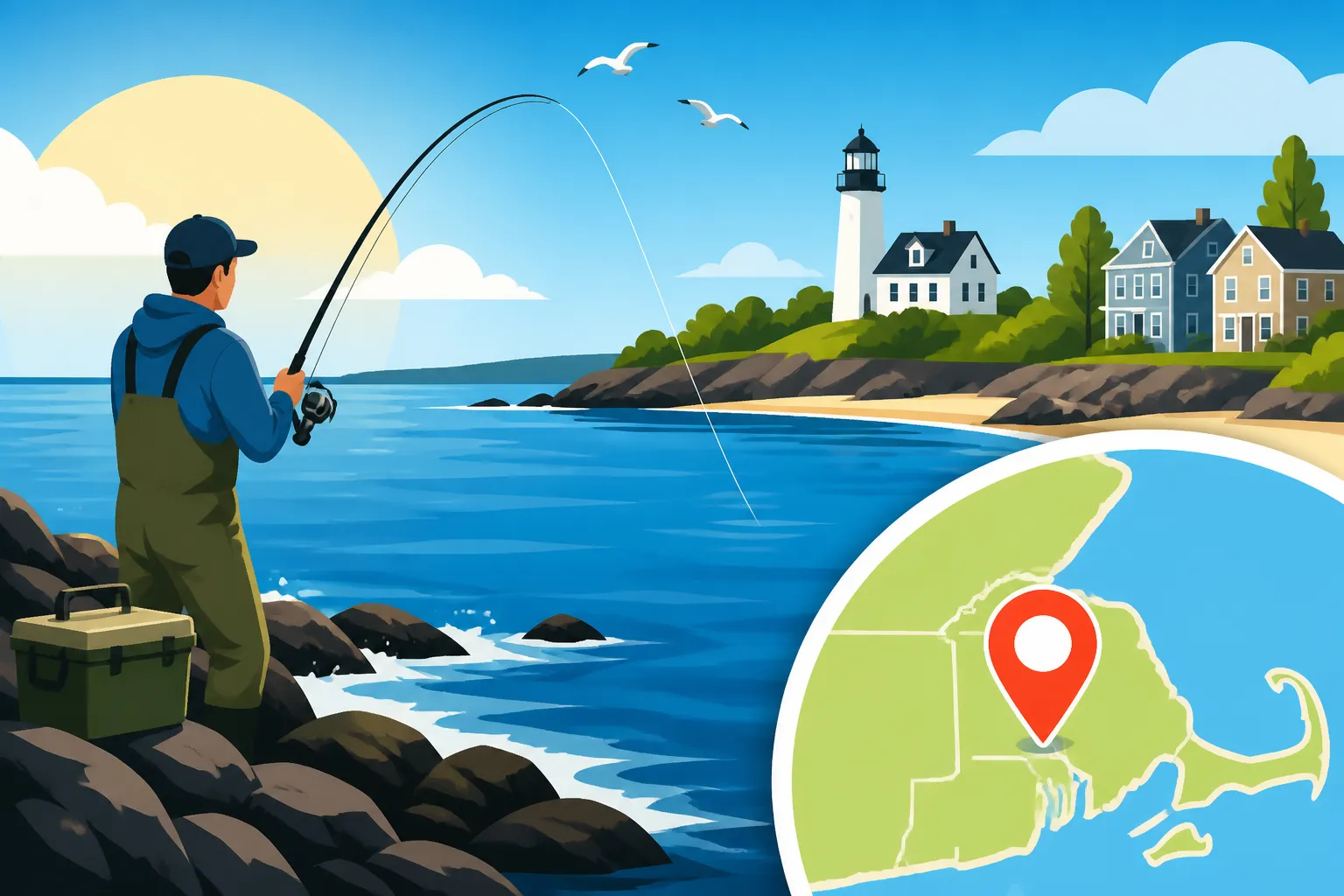
Wollaston Beach, a classic Quincy landmark, isn't just for sunbathers and strollers; it's a legitimate fishing spot, especially for surfcasters. This crescent-shaped beach stretches for miles along Quincy Bay, offering plenty of room to spread out. Anglers here often target striped bass, especially during the spring and fall migrations, and bluefish, which can provide an exhilarating fight. The key to fishing Wollaston is often timing – dawn and dusk, or fishing around high tide, can be particularly productive. Light tackle with lures like soft plastics, topwater plugs, or even bait like seaworms or chunks of mackerel can yield good results.
Adjacent to Wollaston Beach, Black's Creek offers a slightly different, often more sheltered, environment. The creek mouth and surrounding marshy areas are excellent for finding smaller striped bass, especially schoolies, and sometimes even winter flounder. It's a great spot for beginners or those looking for consistent action. Wading along the creek banks or casting from the small bridges can be effective. Keep an eye out for baitfish schools, as the predatory fish are never far behind. Remember that while this area is publicly accessible, respecting private property and local conservation efforts is crucial.
Nut Island Park
Nut Island Park, located at the very end of the Squantum peninsula, is arguably one of Quincy's best and most accessible fishing piers. This beautifully maintained park offers breathtaking views of Boston Harbor and a fantastic public pier that extends into the productive waters. The pier is a hub of activity, with anglers targeting a wide array of species depending on the season. Striped bass and bluefish are common catches, particularly during their migratory periods. You'll also find scup, tautog (blackfish), and winter flounder, which are popular bottom-dwelling species.
The beauty of Nut Island is its ease of access and the comfortable fishing experience it provides, even for families. There are benches, restrooms, and plenty of parking. For bait, squid, clam, and seaworms are usually effective for bottom fish, while jigs, poppers, and live bait (like mackerel or eels) work well for stripers and bluefish. When planning your trip, it's a good idea to check the tides, as incoming and outgoing tides often concentrate baitfish and, consequently, the predators. This spot is also perfect for those who want to try different techniques throughout the day.
Quincy Bay and Boston Harbor Islands
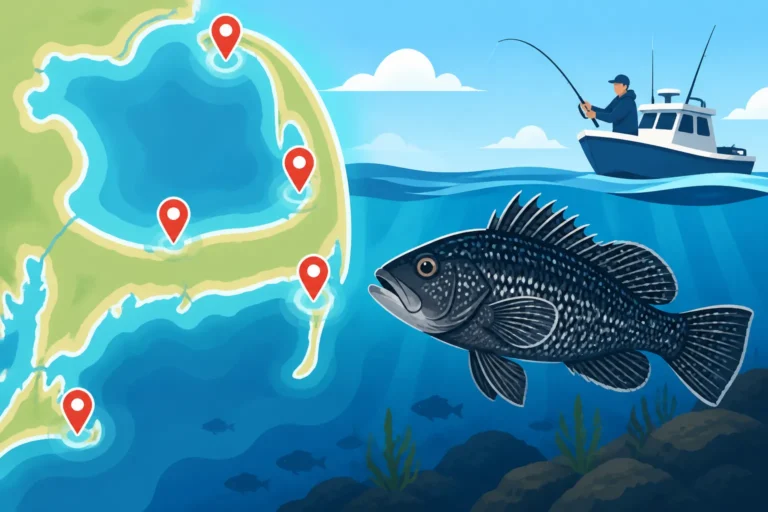
For anglers with access to a boat, Quincy Bay opens up a whole new world of opportunities. The bay itself is rich with structure, including rocky outcrops, submerged ledges, and channels, which attract baitfish and larger predators. Cruising the bay, you can troll for striped bass or bluefish, or anchor up and try bottom fishing for flounder, scup, and even black sea bass when in season.
But the real treasure lies beyond the immediate bay, stretching into the vast expanse of Boston Harbor and its famous Boston Harbor Islands. These islands create a complex underwater environment with reefs, ledges, and current breaks that hold incredible numbers of fish. Popular islands like Spectacle Island, Long Island, and Peddocks Island are known hotspots. Here, you can experience some truly epic striped bass fishing, often catching larger fish than from shore. Live lining mackerel or eels is a favored technique for big stripers, as is jigging with soft plastics or bucktails near structure.
If you don't own a boat, don't fret! Quincy's proximity to various marinas means you can easily find a charter boat. Using platforms like FishingBooker can help you connect with local captains operating out of Quincy, Boston, or nearby towns, offering guided trips specifically tailored for targeting striped bass, bluefish, or even offshore species further out in Massachusetts' coastal waters. Many of these charters will provide all the necessary gear and bait, making it a hassle-free way to explore the deeper, more productive areas of the harbor. When choosing a trip, consider what you want to catch; a dedicated striped bass charter might focus on specific tides and techniques, while a general bottom fishing trip will target multiple species. Remember that rules for keeping fish like striped bass, including the Massachusetts Striped Bass Slot Limit Explained, are strictly enforced, so always be aware of the current regulations.
Freshwater Fishing Options Around Quincy
While saltwater fishing often steals the spotlight in Quincy, there are still some lovely freshwater spots within easy reach that provide a different kind of angling experience. These locations are perfect for a quiet afternoon, introducing kids to fishing, or simply enjoying the serenity of a freshwater setting.
Local Ponds and Reservoirs
Within Quincy itself, and in the immediate surrounding towns, you'll find a handful of ponds that offer decent fishing for species like largemouth bass, yellow perch, chain pickerel, and various panfish like bluegill and sunfish. These spots are often smaller, easily accessible, and provide a calmer alternative to the sometimes bustling saltwater scene.
One notable spot is Cunningham Park Pond in Quincy. While relatively small, it's known to hold panfish and sometimes bass. It's a great place for kids to learn, using simple bobber-and-worm setups. Another excellent option just a short drive away in Milton is Houghton's Pond within the Blue Hills Reservation. This picturesque pond is regularly stocked with trout by MassWildlife, especially in the spring and fall, making it a popular spot for rainbow, brook, and brown trout. Beyond trout, Houghton's Pond also supports a population of largemouth bass, pickerel, and various panfish. Fishing from shore is popular, and small boats or kayaks are permitted (check regulations for motors). Worms, PowerBait, and small spinners are effective for trout, while plastic worms and jigs work well for bass.
When fishing these freshwater ponds, it's important to be mindful of local park rules and regulations. Always practice "leave no trace" principles, and be aware of any posted signs regarding fishing access or specific species limits.
Small Rivers and Brooks
Though less prominent than the larger rivers in other parts of the state, the small rivers and brooks winding through Quincy's suburban landscape can offer some surprising catches. These waterways, often overlooked, can be fantastic for targeting smaller panfish, occasional pickerel, and even some hardy bass. The Neponset River, which forms part of Quincy's border, is a significant waterway that offers both freshwater and tidal influences. Upstream from the saltwater barrier, its freshwater sections can hold largemouth and smallmouth bass, pickerel, and panfish. These spots require a bit more exploration but can reward patient anglers.
Fishing these smaller waterways often involves lighter tackle, stealth, and an understanding of the local geography. Small jigs, spinnerbaits, and live worms are excellent choices. While these aren't typically trophy fisheries, they provide a peaceful escape and a chance to connect with nature right on the city's doorstep. Always check the specific regulations for any river or brook you plan to fish, as rules can vary even within different sections of the same waterway.
Essential Tips for Fishing Near Quincy
Fishing in and around Quincy, with its diverse environments, requires a bit of planning to ensure a successful and enjoyable trip. From understanding the rules to knowing what gear to bring, these tips will help you make the most of your angling adventures.
Navigating Licenses and Regulations
This is probably the most crucial tip: always make sure you have the correct fishing license. Massachusetts has distinct requirements for freshwater and saltwater fishing. If you plan to fish in a pond like Houghton's Pond, you'll need a Massachusetts freshwater fishing license. For any saltwater spots like Wollaston Beach or Nut Island Park, you'll need a Massachusetts Saltwater Recreational Fishing Permit. It's a common misconception that you don't need a license for certain areas or just for catch and release, but that's generally not true in Massachusetts. You can easily purchase these licenses online through the MassFishHunt system, and it's always wise to review the full Massachusetts Fishing License Guide to understand all the nuances, including costs and specific requirements, especially if you're a nonresident. Don't forget to check the Massachusetts Fishing License Requirements by Age as well, as age plays a role in who needs a license.
Beyond licenses, familiarize yourself with the current Massachusetts Recreational Fishing Rules and Bag Limits. These regulations are in place to protect fish populations and ensure sustainable fishing for everyone. For example, striped bass has a strict slot limit, meaning you can only keep fish within a specific size range, not too small and not too big. Ignoring these rules can lead to significant fines. You can often find a current regulations pamphlet at bait shops or on the MassWildlife website.
Best Seasons and Times to Fish
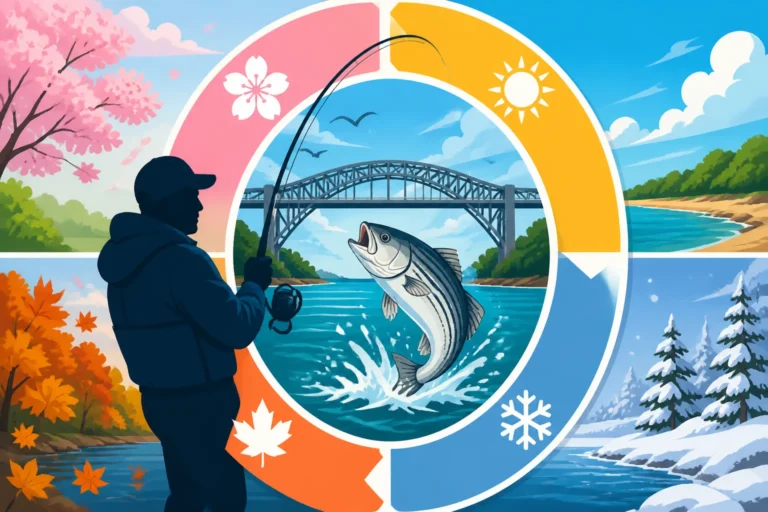
Understanding the seasons is key to successful fishing in Quincy. For saltwater species like striped bass and bluefish, the prime seasons are spring (late April/May through June) and fall (September through October/early November) during their migratory periods. Summer also offers good fishing, especially early morning and late evening, but fish might move to deeper, cooler waters during the day. Bottom fish like scup and flounder are typically caught during the warmer months, from late spring through early fall.
For freshwater fishing in local ponds, trout fishing is best in spring right after MassWildlife stockings, and again in the fall. Warmwater species like largemouth bass and pickerel are active from late spring through early fall, with early mornings and evenings often being the most productive times, especially during hot summer days. Ice fishing is also popular in some ponds during the winter months, provided the ice is safe. Understanding the Massachusetts Fishing Seasons Explained, including the best times to target specific species, will significantly increase your chances of a productive outing.
Gear and Bait Recommendations
Having the right gear makes all the difference. For saltwater shore fishing, a medium to heavy spinning rod (7-10 feet) paired with a reel spooled with 20-40 lb braided line is versatile enough for most situations. For lures, pack an assortment of soft plastic paddle tails, topwater poppers (especially for bluefish and surface-feeding stripers), and some Kastmasters or similar spoons for casting distance. If bait fishing, bring a bait cooler for fresh mackerel, squid, or seaworms.
For freshwater pond fishing, a lighter spinning rod (6-7 feet) with 6-10 lb test line is generally sufficient. A variety of small lures like spinners, small plastic worms, and jigs will cover most species. For bait, live worms or PowerBait are excellent for trout and panfish. Always bring a small tackle box with essential terminal tackle (hooks, weights, swivels), a pair of pliers, and a tape measure to check fish sizes. A comfortable pair of shoes, sunscreen, a hat, and plenty of water are also must-haves for any fishing trip, regardless of location.
Remember, if you're looking for an easier way to get out on the water, especially for saltwater adventures, consider booking a charter. Platforms like FishingBooker can help you find and reserve trips with local captains who provide all the necessary gear and expertise, making for a stress-free and productive day on the water.
Here's a quick overview of some top spots near Quincy:
| Fishing Spot | Type of Water | Primary Target Species | Best Access Method | Key Features |
|---|---|---|---|---|
| Wollaston Beach | Saltwater | Striped Bass, Bluefish | Shore | Long sandy beach, good for surfcasting, accessible. |
| Black's Creek | Saltwater | Striped Bass (schoolies), Winter Flounder | Shore | Sheltered creek mouth, marshy areas, easy access. |
| Nut Island Park Pier | Saltwater | Striped Bass, Bluefish, Scup, Tautog, Winter Flounder | Pier | Public pier with facilities, deep water access, great views. |
| Quincy Bay | Saltwater | Striped Bass, Bluefish, Flounder, Scup | Boat | Diverse structure, access to deeper channels, boat launches available. |
| Boston Harbor Islands | Saltwater | Striped Bass (trophy), Bluefish, Cod (seasonal) | Boat (Charter) | Reefs, ledges, strong currents, highly productive, many species. |
| Houghton's Pond | Freshwater | Trout (stocked), Largemouth Bass, Pickerel, Panfish | Shore/Small Boat | Picturesque pond in Blue Hills, regularly stocked, family-friendly. |
| Cunningham Park Pond | Freshwater | Panfish, Small Largemouth Bass | Shore | Small, accessible pond, ideal for kids and beginners. |
| Neponset River | Fresh/Brackish | Largemouth Bass, Smallmouth Bass, Pickerel, Panfish | Shore/Small Boat | Explore upstream sections for freshwater, tidal lower sections. |
Disclaimer
The information provided in this guide is for general informational purposes only and is subject to change. Fishing regulations, seasons, and access points can vary and are often updated by the Massachusetts Division of Fisheries and Wildlife (MassWildlife) and other governing bodies. Always consult the official MassWildlife website, local bylaws, and any posted signage at your chosen fishing location before heading out. It is the angler's responsibility to know and follow all current licensing requirements, size limits, and bag limits. Always prioritize safety, especially when fishing near water, and be mindful of weather conditions.