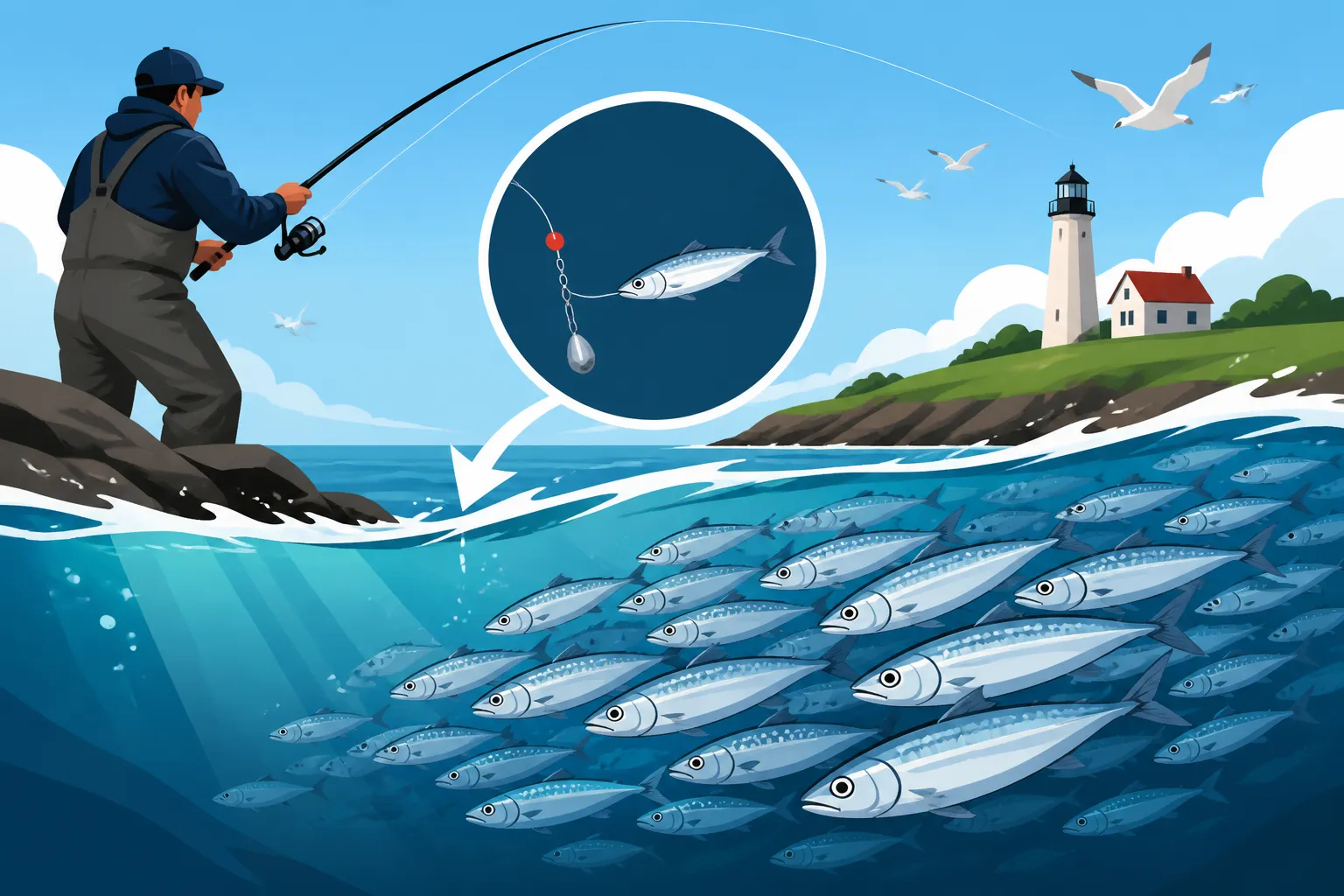
Best technique for herring runs in Massachusetts
If you've ever stood by a river in early spring, watching the water churn with what seems like an endless parade of fish, but couldn't quite figure out how to get them to bite, you're not alone. Herring runs in Massachusetts are a truly incredible natural phenomenon, but they can be incredibly frustrating if you don't know the specific techniques to use. This guide will walk you through everything you need to know, from understanding the herring's behavior to selecting the right gear and mastering the most effective methods, so you can make the most of this exciting annual event.
Understanding River Herring Runs in Massachusetts
River herring runs are one of the most anticipated natural events for anglers and wildlife enthusiasts alike across Massachusetts. These incredible migrations involve alewives and blueback herring, two species of anadromous fish that leave the ocean and swim upstream into freshwater rivers and ponds to spawn. It's a spectacular display of nature, but it's also a time when many anglers find themselves scratching their heads, wondering why these abundant fish seem to ignore every lure.
The Phenomenon of Anadromous Fish Migration
For these herring, their lives begin in freshwater, but they spend the majority of their adult lives foraging and growing in the vastness of the Atlantic Ocean. When spring arrives and water temperatures begin to rise, an internal clock or instinct compels them to return to the very freshwater systems where they were born. They navigate complex river systems, sometimes even overcoming obstacles like fish ladders, to reach shallow, calmer waters to deposit their eggs. It's a journey fueled by pure instinct and an incredible drive to reproduce. Many communities in Massachusetts, particularly on the South Shore and Cape Cod, have historic herring runs that have been managed and observed for centuries.
The sheer volume of fish can be astounding. You might see thousands upon thousands of herring densely packed into a narrow section of a river, creating a silver, shimmering mass. This concentration makes them a vital food source for larger predatory fish like striped bass, bluefish, and even some freshwater species like largemouth bass, which will follow the herring into the lower reaches of rivers. This is why understanding "River Herring Runs in Massachusetts" is so important not just for catching herring (which is largely prohibited), but for targeting the predators that follow them.
Why You Can't Keep Most River Herring
It's crucial to understand that for the vast majority of river herring runs in Massachusetts, it is illegal to intentionally catch or possess alewives and blueback herring. These species have faced significant population declines in the past due to habitat loss, damming, and overfishing, leading to strict conservation efforts. MassWildlife and the Division of Marine Fisheries work tirelessly to monitor and protect these populations, and that includes regulations against recreational harvest. You'll often see signs posted at popular herring runs clearly stating that fishing for herring is prohibited.
So, why bother fishing the runs if you can't keep them? The answer lies in the predators. While you can't target the herring themselves, the presence of such a massive food source draws in larger game fish, creating prime opportunities for anglers. The real technique here isn't about catching herring directly, but about leveraging their presence to find and catch other species that are feeding on them. It's a subtle but important distinction that often confuses new anglers. Always check the "Massachusetts Recreational Fishing Rules and Bag Limits" for the most up-to-date information before heading out.
Essential Gear for Fishing the Herring Runs
Approaching a herring run requires a specific setup if you want to be successful at catching the predatory fish that feed on them. You're not casting for small panfish here; you're often targeting powerful species like striped bass or even opportunistic freshwater bass. Having the right rod, reel, line, and lures tailored to mimicking herring is key to getting a bite.
Rod and Reel Setup for Predatory Fish
When you're looking to cast around a herring run, you need a setup that can handle a larger, heavier lure and potentially a hard-fighting fish. For freshwater sections where bigger bass might be lurking, a medium-heavy to heavy power spinning rod, typically 6'6" to 7'6" in length, paired with a 3000-5000 series spinning reel is a good starting point. This combo gives you the backbone to cast heavier baits and enough retrieve power to handle a decent fish. If you're near tidal areas or the mouth of a river where striped bass are likely, you might even consider a longer, heavier surfcasting rod – something in the 9-11 foot range with a 5000-8000 series reel, especially if you need to cast long distances to reach active fish.
You want a reel with a smooth drag system, as a big striper or a bulldog largemouth can peel line off quickly. Don't skimp on quality here; a cheap reel can lock up or seize when you hook into something substantial, leading to heartbreak. Many anglers find reliable options from brands available on platforms like Amazon, where you can read reviews and compare specs to find a durable setup.
Line Selection and Leader Material
Braided line is almost always the preferred choice when fishing around herring runs, primarily for its strength, sensitivity, and lack of stretch. For most freshwater applications, 20-30 lb test braided line is sufficient. For saltwater and larger stripers, bump that up to 30-50 lb test. The lack of stretch in braid allows you to feel even the slightest tap from a fish mouthing your lure, which can be crucial when predators are being finicky. It also provides excellent hook-setting power.
However, braid is highly visible in the water, and fish, especially in clearer conditions, can be line-shy. This is where a fluorocarbon leader comes into play. Fluorocarbon is nearly invisible underwater, extremely abrasion-resistant, and has enough stiffness to prevent tangles with your main line. A 20-40 lb test fluorocarbon leader, typically 2-4 feet long, tied to your braid with a strong knot like an FG knot or an Albright knot, is essential. For freshwater applications, a 15-20 lb leader might be enough, but for stripers, 30 lb or even 40 lb test gives you a better chance against their rough mouths and gill plates. You can find spools of fluorocarbon leader material easily on Amazon.
Lures and Baits Mimicking Herring
The key to success around a herring run is "match the hatch." Your lures or bait should closely resemble the size, shape, and color of the herring that are making their way upstream. This means focusing on slim-profile lures in silver, blue, green, or white hues.
Here’s a breakdown of effective options:
- Soft Plastic Swimbaits: These are incredibly versatile. Paddle tail swimbaits, often 4-7 inches long, rigged on a weighted jig head (1/2 to 1.5 oz depending on current) are deadly. The vibrating tail action perfectly mimics a swimming baitfish. Colors like pearl white, olive green, or silver flake are usually effective. You can buy jig heads and swimbait bodies in bulk from retailers, including those available on Amazon.
- Spoons: Classic metal spoons, particularly those with a wobbling action, are excellent for imitating injured or struggling baitfish. Silver, chrome, or blue/silver spoons are top choices. They cast a mile and can be worked at various depths.
- Lipless Crankbaits/Vibration Baits: These lures sink quickly and have a tight wobbling action with a distinct rattle. They're great for covering water and calling in fish. Look for models in herring-like patterns.
- Plugs and Stickbaits: For surface or subsurface action, especially when fish are actively busting on herring, a spook or a pencil popper can be thrilling. Subsurface stickbaits that can be twitched to dart and glide are also very effective at imitating a disoriented herring.
- Flies: Fly anglers can have incredible success with large streamer patterns that imitate herring. Clouser Minnows, Deceivers, or other baitfish imitations tied on strong hooks are perfect. Colors mirroring the baitfish are best.
Remember, the goal is to make your presentation look like an easy meal for a hungry predator.
Effective Techniques for Herring Run Predators
Once you have your gear ready and you've found a promising spot along a herring run, it's time to put some techniques into action. The behavior of predatory fish around a herring run can be dynamic, so being adaptable and trying different approaches is crucial.
Casting and Retrieval Methods
The way you cast and retrieve your lure is just as important as the lure itself. You're trying to fool a predator into thinking your offering is an easy target.
- Fan Casting and Covering Water: Don't just cast to one spot. "Fan cast," meaning you cast in a wide arc, covering different angles of the water. Start by casting upstream and letting your lure drift down with the current, retrieving it just fast enough to impart action. Then cast across the current, and finally, slightly downstream, working your way around any structure like rocks, fallen trees, or bridge pilings where fish might be ambushing herring. Predators will often hold in slack water areas or current seams, waiting for herring to swim by.
- Vary Your Retrieve: Predators are not always looking for a perfectly swimming fish. Sometimes, an injured or struggling herring is more appealing. Experiment with your retrieve speed. Try a steady, moderate retrieve, then pause, twitch, and resume. Fast retrieves can trigger reactionary strikes, while slower retrieves might be better if the fish are lethargic. With soft plastics, a slow, steady retrieve with occasional twitches or short hops along the bottom can be very effective, mimicking a herring struggling in the current.
- Depth Control: Herring runs often happen in varying depths. Pay attention to where the herring are concentrated. If they're near the surface, use lighter jig heads or floating plugs. If they're deeper, opt for heavier jig heads, lipless crankbaits, or sinking plugs to get your lure into the strike zone. Sometimes, predators will sit right on the bottom, letting the herring come to them, so presenting your lure just above the bottom can be key.
Targeting Key Locations Along the Run
Not all spots along a herring run are created equal. Predators will position themselves strategically to conserve energy and maximize their feeding efficiency.
- Current Seams and Eddies: These are prime ambush points. Current seams are where fast-moving water meets slower water, creating a distinct line. Eddies are swirling pockets of calm water behind obstacles. Predators will sit in the slower water, waiting for herring to be swept past the seam or into the eddy, making them an easy target. Cast your lure into the faster current upstream and let it wash into the seam or eddy, or cast directly into the eddy itself.
- Structure and Cover: Any form of structure, whether natural or man-made, can hold fish. This includes bridge pilings, fallen trees, large rocks, culverts, and changes in bottom contour. These provide cover and a break from the current. Fish your lures close to these structures, paying extra attention to the downstream side where fish often lie in wait.
- Bottlenecks and Choke Points: Areas where the river narrows, or where there's a significant obstruction like a dam or fish ladder, can create a funnel effect for the herring. This concentrates the baitfish, making it easier for predators to feed. These can be very active areas, but often have strong currents, so adjust your lure weight accordingly. Remember, while the activity is high, adhere to "Massachusetts Freshwater Fishing License Costs and Rules" and any posted signs regarding herring.
Night Fishing Opportunities
While daytime fishing can be productive, don't overlook the power of night fishing during a herring run, especially for striped bass. Stripers are often more active and less wary under the cover of darkness. They use their lateral line to detect vibrations, making noise and movement from your lure even more critical.
- Topwater Plugs: At night, topwater lures like noisy poppers or slow-wobbling swimmers can be incredibly effective. The silhouette of a lure against the moonlit sky, combined with the disturbance it creates on the surface, can be irresistible to a hungry striper.
- Darker Lures: While bright colors work in daylight, sometimes darker colors (black, dark purple, dark blue) are better at night. They create a more defined silhouette against the lighter night sky or water surface, making them easier for fish to detect.
- Slow and Steady: Often, a slower, more deliberate retrieve is best at night. Give the fish time to find your lure in the dark. A slow, steady retrieve with a swimming plug or a soft plastic can often entice a strike when nothing else will. Just be extra careful navigating and casting in the dark; always wear a headlamp (red light setting is less disruptive to your night vision and to the fish) and bring a friend.
| Lure Type | Best Use Case | Retrieve Style | Target Species | Amazon Availability |
|---|---|---|---|---|
| Soft Plastic Swimbaits | All depths, imitating injured baitfish | Slow steady, twitch & pause, jigging | Striped Bass, Lg. Bass | High |
| Metal Spoons | Long casts, deep water, injured baitfish | Steady retrieve, occasional flutter on the fall | Striped Bass, Bluefish | High |
| Lipless Crankbaits | Covering water, deep water, noisy attraction | Fast retrieve, rip-pause, yo-yo | Lg. Bass, Striped Bass | High |
| Topwater Plugs (Poppers) | Low light, active surface feeding, calm conditions | Walk-the-dog, pop-and-pause | Striped Bass, Bluefish | High |
| Subsurface Stickbaits | Mimicking fleeing bait, various depths | Twitch, reel, pause, darting action | Striped Bass | High |
| Large Streamers (Fly) | Fly fishing for sight feeders or deeper presentations | Strip & pause, quick retrieves | Trout, Striped Bass | High |
Best Practices for a Successful and Responsible Trip
Fishing the herring runs isn't just about catching fish; it's also about respecting the environment, the regulations, and other anglers. Being prepared and mindful of your impact ensures these incredible natural events can be enjoyed for generations to come.
Safety and Preparedness
Spring weather in Massachusetts can be unpredictable, especially near moving water. Dressing in layers is always a smart move. Even if the day starts warm, temperatures can drop quickly, or a stiff breeze can pick up. Waterproof outerwear is also highly recommended, as you might encounter sudden rain showers or splashes from the water. Always wear appropriate footwear with good grip, especially if you're navigating rocky or muddy riverbanks.
When fishing near rivers, especially those with strong currents during the herring run, safety should be your top priority. If you're wading, be extremely cautious of slippery rocks and sudden drop-offs. Never wade alone, and consider wearing a personal flotation device (PFD) if the water is swift or unfamiliar. A fishing vest or pack can help keep your essential gear organized and accessible, reducing the need to fumble around near the water's edge.
Beyond personal safety, remember to be prepared for the actual fishing. Bring extra lures, leaders, and tools like pliers and hook removers. A small cooler with water and snacks is always a good idea for longer trips. If you plan to fish at night, reliable lighting, such as a headlamp with a red light option, is absolutely essential for visibility and safety.
Respecting Regulations and Conservation Efforts
As mentioned earlier, the most critical aspect of fishing during herring runs is understanding and respecting the regulations. In Massachusetts, it is generally illegal to intentionally catch or possess river herring (alewives and blueback herring). These regulations are in place to protect and rebuild populations that have faced significant challenges. Always consult the official MassWildlife and Division of Marine Fisheries websites for the most current rules before you go. This information is usually available in the "Massachusetts Fishing Regulations Pamphlet, Explained."
If you accidentally catch a river herring, release it immediately and with the utmost care. Minimize handling time, and if possible, use a de-hooking tool to remove the hook without touching the fish. If you're catching them frequently while targeting other species, consider changing your lure or location. The goal is to avoid harming these vital baitfish.
Beyond herring, remember that all other species you target during the run (like striped bass or largemouth bass) are subject to their own size and bag limits. Know these rules, measure your fish accurately, and be prepared to release anything that doesn't meet the legal requirements.
Leave No Trace Principles
Part of being a responsible angler means practicing "Leave No Trace" principles. This simply means leaving the fishing spot in the same, or better, condition than you found it. Pack out all your trash, including discarded fishing line, lure packaging, and food wrappers. Monofilament and braided line can be particularly harmful to wildlife if left behind. Many fishing access points even have recycling bins specifically for fishing line.
Be mindful of your surroundings and other people. Herring runs often attract not just anglers, but also birdwatchers, photographers, and families coming to observe the natural spectacle. Be courteous, keep noise levels down, and respect private property. Parking can sometimes be an issue in popular spots, so park responsibly and avoid blocking access points or driveways.
By following these best practices, you contribute to a positive angling experience for everyone and help ensure the long-term health of Massachusetts's natural resources and the incredible phenomenon of its herring runs. It's truly a unique opportunity to connect with nature, and doing so responsibly makes it all the more rewarding.
Disclaimer
This article is for general informational purposes only and does not constitute professional advice. Laws, prices and regulations vary by location and change over time. Consult a qualified professional for guidance on your specific situation.