Best month to catch trophy trout in Massachusetts
Trying to land a truly massive trout in Massachusetts can feel like chasing a ghost, especially if you're hitting the water at the wrong time of year. We all dream of that photo-worthy lunker, but knowing when to cast your line can make all the difference between a nice catch and a true trophy. This guide will walk you through the prime months for trophy trout in the Bay State, explaining the conditions, techniques, and locations that give you the best shot at that fish of a lifetime.
Understanding What Makes a "Trophy" Trout in Massachusetts
Before we dive into the calendar, let's clarify what we mean by "trophy" trout here in Massachusetts. For many anglers, it's not just about meeting a minimum legal size, but about catching a fish that genuinely stands out, either due to its sheer length, impressive girth, or the challenge involved in coaxing it to bite.
Defining Your Trophy Expectations
In Massachusetts, a "trophy" trout could mean a few different things. It might be one of the larger, older broodstock trout that MassWildlife sometimes includes in their stocking programs, particularly in the spring. These fish are already big when they hit the water, offering an immediate challenge. Or, it could be a naturally grown brown or rainbow trout that has survived several seasons in a rich habitat like the Quabbin or Wachusett Reservoirs, or a robust river system like the Deerfield, growing to impressive sizes on natural forage. For brook trout, which typically don't grow as large, a trophy might be anything over 15 or 16 inches, particularly if it's a wild fish from a remote stream.
Ultimately, your definition of a trophy might be personal, but generally, we're talking about trout that push past the average catch, often exceeding 18-20 inches for rainbows and browns, and sometimes much larger in specific, well-managed waters. The excitement of battling a powerful fish that has seen a few seasons, or one that's just been released and is full of fight, is what keeps us coming back.
The Impact of Stocking vs. Wild Growth
Massachusetts relies heavily on its extensive trout stocking program to provide abundant fishing opportunities. Many of the larger trout caught, especially early in the season, are direct results of these efforts. MassWildlife often stocks larger "broodstock" trout that were used for breeding, and these fish can be hefty, often in the 3-5 pound range or even larger. These are fantastic targets for anglers seeking an immediate trophy experience. You can find detailed information on these programs in our Massachusetts Trout Stocking Schedule article.
However, true "wild" trophy trout, particularly browns and rainbows that have adapted and grown large in specific rivers and lakes, are a different beast. These fish are warier, have developed keen survival instincts, and often require more finesse and knowledge of their habitat. They've learned to avoid standard baits and lures, making them a more challenging, and in many ways, more rewarding catch. Catching one of these fish often requires understanding the intricate details of their preferred feeding lanes, cover, and seasonal movements.
Spring: The Golden Window for Stocked Trophy Trout
Without a doubt, late March through May stands out as a prime period for catching large trout in Massachusetts, particularly those "trophy" size fish that are part of the state's stocking program. This is when water temperatures are ideal, and the fish are most active.
March and April: Post-Stocking Blitz
As soon as the ice melts and the first warm rains begin to swell our rivers and ponds, MassWildlife kicks into high gear with its spring trout stocking program. This is the absolute best time for sheer numbers of fish, and crucially, for those larger, retired broodstock trout that are mixed in with the smaller catchables.
The waters are cold, highly oxygenated, and the trout are often disoriented but hungry. They haven't been pressured much, and their metabolisms are starting to pick up after the winter. This means they're often willing to hit a variety of baits and lures. You'll find these larger fish in places they might not normally hold, often close to the stocking points or along easily accessible shorelines as they adjust to their new environment.
- Tactics: Think about covering water thoroughly. Standard baits like powerbait, corn, or worms fished on the bottom or under a bobber are often incredibly effective, especially for freshly stocked fish. Spinners and spoons, like a Kastmaster or Phoebes, can also entice aggressive strikes. If you're fly fishing, heavier nymph patterns or streamer patterns that imitate baitfish can work wonders. Remember that the trout are often still lethargic from transport and the cold water, so a slower retrieve might be more effective than a fast one. Keep an eye on the MassWildlife stocking reports; knowing when and where big fish have been stocked is half the battle. Amazon is an excellent resource for picking up these tried-and-true trout baits and lures before the season kicks off.
- Locations: Focus on larger ponds and lakes that receive significant spring stockings, as well as medium-to-large rivers. Look for deeper pockets, eddies, and areas with submerged structure where these fish might seek cover. Popular spots like the Swift River (below Quabbin), the Deerfield River, and many of the larger state-stocked ponds are excellent choices. You can often find a good selection of trout gear, from rods to waders, on Amazon to prepare for these early season outings.
May: Settling In and Adapting
By May, the initial stocking frenzy might have subsided, but the fishing can still be phenomenal, especially for those larger fish that have now had a few weeks to acclimate. These trout are often smarter, more dispersed, and have started to settle into their natural feeding patterns. The water temperatures are steadily rising, encouraging more active feeding.
- Tactics: You might need to refine your approach. If the fish have been pressured, switching to more natural presentations or lighter lines can make a difference. Fly anglers will find May to be a fantastic month, with various insect hatches beginning to occur. Look for caddis, mayflies, and stoneflies. Matching the hatch with dry flies or emerger patterns can be incredibly productive for larger, more selective trout. For spin fishermen, small crankbaits, swimbaits, or even delicate jig-and-grub combinations can fool wary fish. The key here is observation: look for rises, insect activity, and try to present your offering as naturally as possible.
- Locations: Trout will have spread out more. Seek them in areas with good cover like fallen trees, undercut banks, or deeper holes in rivers. In lakes and ponds, they might move to areas with cooler springs or deeper thermoclines as the water warms. Places like the Westfield River, Nashua River, and specific designated trout ponds continue to be productive. Our guide on Best Time of Day to Catch Stocked Trout in Massachusetts provides more insights into optimizing your fishing during this period.
Fall: The Hunt for Wilder, Larger Trout
While spring gets all the glory for sheer numbers, the fall season (typically late September through November) offers a unique and often overlooked opportunity for true trophy trout in Massachusetts. This is when brown trout, in particular, become highly aggressive as they prepare for their spawning rituals.
September and October: Cooler Waters, Aggressive Fish
As the scorching summer heat gives way to crisp autumn air, water temperatures in rivers and lakes begin to drop. This signals a change in trout behavior. Their metabolisms, which slowed down during the summer's heat, kick back into high gear. They become much more active, feeding heavily to build up energy reserves for the coming winter and, for brown trout, for spawning.
This is a fantastic time to target larger, wilder trout that have spent the summer growing. These fish are often found in areas with good current and cover, actively hunting baitfish, insects, and other forage.
- Tactics: For brown trout, imitating baitfish is often key. Streamers for fly anglers (think Woolly Buggers, Clouser Minnows, or sculpin patterns) or small jerkbaits, swimbaits, and larger spinners for spin anglers can be deadly. These fish are often looking for a substantial meal. Fly fishing can also be excellent with terrestrial patterns (hoppers, ants, beetles) dropping into the water, and later, with various late-season aquatic insect hatches. Focus on fishing near structure and current breaks where larger trout ambush prey. Understanding Fly Fishing for Trout in Massachusetts Rivers can significantly boost your success during this prime season.
- Locations: Rivers known for their wild or holdover trout populations, such as the Deerfield River, Miller's River, and the upper reaches of the Connecticut River, become prime destinations. Large lakes and reservoirs like the Quabbin and Wachusett also hold substantial populations of large brown and rainbow trout that are very active in the fall. Make sure you're familiar with the specific rules for Quabbin Reservoir Fishing Permits and Rules in Massachusetts if you plan to fish there, as regulations can be unique.
November: Pre-Winter Feeding Frenzy
By November, the brown trout spawning season is often in full swing, making these fish particularly vulnerable and aggressive. While anglers should always prioritize ethical fishing practices, catch-and-release is often recommended during this sensitive time. However, the opportunity to encounter very large, beautifully colored brown trout is at its peak.
Water temperatures continue to drop, pushing other fish species into deeper, less active states, but trout, especially brown trout, remain active. They're still feeding voraciously, trying to pack on as much weight as possible before winter truly sets in.
- Tactics: Big streamers and baitfish imitations continue to be effective. Egg patterns can also be incredibly successful for fly anglers, as brown trout will key in on the eggs of other spawning trout. For spin fishing, slowly retrieved crankbaits or even bait like shiners can trigger strikes from large, territorial fish. Focus on slower, deeper pools, transition areas, and near known spawning grounds (while respecting any regulations or sensitive areas). Fishing on cloudy days or during low light conditions can often yield the best results as large trout are less wary. Remember to pack warm layers, a good thermos, and perhaps some hand warmers from Amazon for these colder outings.
- Locations: Continue to target the same river systems and large lakes as October. Look for shallower gravel areas in rivers where brown trout typically spawn. In lakes, larger trout may still be found deeper, but they will come into shallower areas to feed. Checking out our Best Time of Year to Fish in Massachusetts guide can offer broader seasonal context to these specific recommendations.
Top Locations for Massachusetts Trophy Trout
While trout can be found throughout the state, some waters are simply renowned for producing larger fish, either through consistent stocking of big broodstock or through excellent natural habitat that allows trout to thrive and grow.
The Quabbin Reservoir: A Goldmine for Lakers and Browns
The Quabbin Reservoir is an absolute gem for trophy trout anglers. While often associated with landlocked salmon and lake trout, it also harbors a significant population of large brown and rainbow trout. These fish benefit from the vast, deep waters, abundant forage, and protective regulations.
- Species: Landlocked salmon, lake trout, brown trout, rainbow trout.
- Best Times: Early spring (April-May) for aggressive browns and rainbows, and fall (September-November) for very active brown trout as they prepare for spawning. Lake trout and salmon are often deep during summer, requiring specific tactics.
- Considerations: Fishing at Quabbin requires a specific permit in addition to your standard Massachusetts fishing license. Boat access is restricted, often requiring DCR-approved boats or rentals. Shore access is limited but can be productive. Check the DCR website for current regulations and Quabbin Reservoir Daily Fishing Permit Cost before you go. This reservoir is truly a unique challenge, and a place where you might want to invest in specialized gear, perhaps found on Amazon, for deep-water trolling or large streamer fishing.
Wachusett Reservoir: Giants Close to Home
Another colossal body of water, Wachusett Reservoir, is well-known for producing truly gargantuan brown trout. It’s also home to healthy populations of rainbow trout, lake trout, and landlocked salmon. The sheer size and depth of Wachusett, combined with its forage base, allow trout to grow to impressive sizes.
- Species: Brown trout, rainbow trout, lake trout, landlocked salmon.
- Best Times: Similar to Quabbin, spring (April-May) for post-winter feeding, and fall (September-November) for aggressive brown trout.
- Considerations: Wachusett also has strict fishing regulations and limited access points. Shore fishing is popular, but boat fishing is prohibited. Understanding Wachusett Reservoir Fishing Access Rules in Massachusetts is crucial. Early morning and late evening often provide the best opportunities, particularly for larger, wary fish near shore.
Deerfield River: Wild Trout Mecca
For those who prefer moving water and the challenge of wild trout, the Deerfield River, particularly its "trophy trout sections" in Western Massachusetts, is legendary. These sections are managed for catch-and-release, flies-and-lures-only, fostering a population of larger, smarter brown and rainbow trout.
- Species: Brown trout, rainbow trout, brook trout (primarily wild).
- Best Times: Spring (April-June) for active feeding and excellent hatches, and fall (September-November) when brown trout are aggressive. Summer can be good in cooler, deeper sections.
- Considerations: This is primarily a fly-fishing destination, but spin anglers using appropriate lures can also find success. Navigating the river requires wading skills, and being aware of dam release schedules is vital for safety. Many anglers consider this river a prime spot to deploy high-quality fly fishing gear, which can be researched and purchased through Amazon or local fly shops.
Other Notable Waters
While Quabbin, Wachusett, and the Deerfield are trophy havens, many other Massachusetts waters can yield impressive trout. Look for larger, deeper ponds and lakes that receive consistent stockings and have good natural forage. Examples include Lake Cochituate, South Pond in Plymouth, and the Westfield River. Local knowledge from bait shops or fishing forums can often point you to lesser-known spots that might hold a surprise lunker.
Strategies for Targeting Trophy Trout
Catching a trophy trout isn't usually a matter of luck; it often involves intentional strategies, patience, and a bit of angler savvy.
Matching the Hatch and Forage
Trophy trout are often older, wiser, and more selective eaters. They're not just going to hit anything that moves. Pay close attention to what the fish are feeding on.
- Insects: If you see insect hatches (mayflies, caddis, stoneflies), try to "match the hatch" with flies of similar size, color, and profile. Even spin anglers can benefit by using lures that mimic aquatic insects or their larvae.
- Baitfish: Larger trout often become piscivorous, meaning they feed on smaller fish. Minnows, shiners, sculpins, and even juvenile trout are all on the menu. Using lures like swimbaits, jerkbaits, or streamers that imitate these baitfish can be incredibly effective. Live bait, such as shiners, can also be a game-changer for big trout in certain regulated areas.
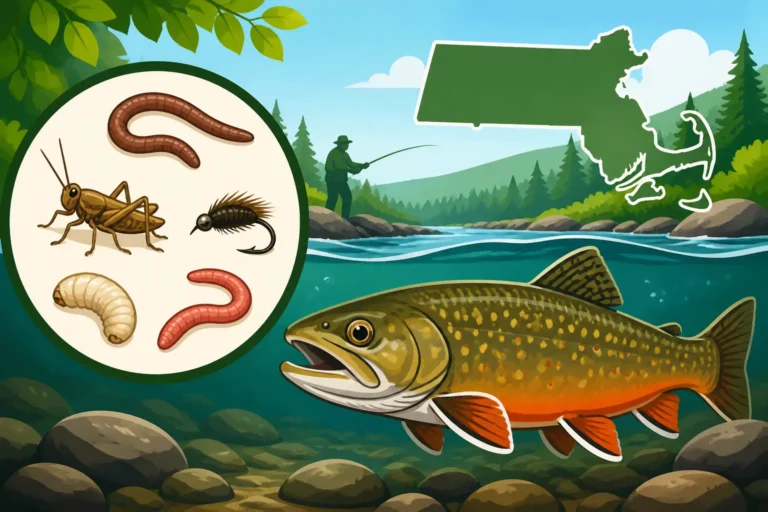
- Other Forage: Don't forget terrestrials (grasshoppers, crickets, ants) in late summer and fall, or even leeches and crayfish. These can be significant food sources for larger trout.
Fishing During Low Light Conditions
Big trout, especially in heavily pressured waters, are often most active and least wary during low light conditions. Dawn, dusk, and even night fishing can produce phenomenal results.
- Dawn Patrol: Getting on the water before sunrise means you're there when the fish are typically finishing their nocturnal feeding or starting their morning hunt. The light is soft, and there's less activity from other anglers or recreational users.
- Dusk and Night: As the sun sets, large trout often move into shallower water to feed. This is especially true for brown trout. Using large, dark streamers or surface lures (poppers, mice patterns) after dark can be an exhilarating way to target truly massive fish. Always prioritize safety when fishing at night, and be sure to check regulations for night fishing in specific bodies of water. A good headlamp, easily found on Amazon, is an absolute necessity.
Presentation and Patience
Trophy trout have seen it all. A perfect cast and presentation can be more important than the exact lure or bait.
- Stealth: Approach your fishing spot quietly and carefully. Large trout are easily spooked by vibrations, shadows, or sudden movements.
- Natural Drift: Whether fly fishing with nymphs or spin fishing with a worm, try to get your offering to drift naturally with the current. This makes it look like an easy, unsuspecting meal.
- Work the Water Thoroughly: Don't just cast a few times and move on. Fan cast, explore different depths, and try different retrieves. Sometimes, a subtle change in retrieve speed or depth is all it takes to trigger a strike.
- Patience: Landing a trophy takes time. You might have to make hundreds of casts, or wait hours for that one perfect bite. The reward is well worth the persistence. This is where comfortable gear, like a reliable fishing chair or a well-stocked tackle box (both available on Amazon), helps you endure the wait.
Seasonal Trophy Trout Opportunities
The table below summarizes the prime windows for different trophy trout species in Massachusetts.
| Species | Prime Month(s) for Trophy Potential | Key Conditions & Notes | Best Tactics |
|---|---|---|---|
| Rainbow Trout | April, May, early June | Post-stocking, cooler water, abundant food, often aggressive strikes. | Spinners, spoons, powerbait, worms, nymphs, streamers. |
| September, October | Cooler water, preparing for winter, some larger holdovers. | Small jerkbaits, streamers, terrestrials. | |
| Brown Trout | May, early June | Acclimated holdovers, feeding actively as water warms slightly. | Streamers, large nymphs, small crankbaits. |
| October, November | Pre-spawn aggression, actively hunting, some of the largest fish caught this time. | Large streamers, baitfish imitations, egg patterns, shiners. | |
| Brook Trout | April, May | Active in colder streams, willing to hit a variety of offerings. | Small spinners, worms, dry flies, nymphs. |
| September | Cooler water in remote streams, beautiful spawning colors. | Small dries, nymphs, careful stealth. | |
| Lake Trout | April, May, June | More accessible in shallower waters post-ice out, before retreating deep for summer. | Deep jigging, trolling spoons, large streamers. |
| October, November | Can come shallower as water cools, aggressive feeding. | Deep jigging, trolling spoons, large streamers. |
No matter when you decide to chase that Massachusetts trophy trout, remember that preparation and perseverance are your best allies. Tight lines!
Disclaimer
This article is for general informational purposes only and does not constitute professional advice. Laws, prices and regulations vary by location and change over time. Consult a qualified professional for guidance on your specific situation.