Best season for winter flounder near Boston
It can feel incredibly frustrating to hit the water near Boston hoping for some delicious winter flounder, only to come up empty-handed or catch the wrong species. These bottom-dwelling beauties are a fantastic quarry, offering both a fun fight and a tasty reward, but knowing exactly when and where to target them in the bustling Boston area can make all the difference. This guide will walk you through the optimal season for winter flounder fishing right around Boston, helping you refine your approach and increase your chances of a successful outing.
Understanding the Allure of Winter Flounder Near Boston
For many anglers in Massachusetts, especially those calling the Boston area home, the winter flounder holds a special place. They might not be the flashiest fish in the sea, nor do they put up the most aggressive fight, but there's a certain satisfaction that comes from patiently working a piece of bottom and feeling that subtle, tell-tale tap on your line. Plus, when it comes to table fare, a fresh-caught winter flounder is simply unbeatable – delicate, flaky, and absolutely delicious.
Why These Flatfish are a Favorite Catch
One of the primary reasons winter flounder are so beloved is their accessibility. You don't necessarily need a fancy boat to target them; many excellent spots are reachable from shore, piers, or even small kayaks within Boston Harbor and its surrounding estuaries. This makes them a perfect target for anglers of all skill levels and means you can often squeeze in a quick trip after work or on a weekend without a huge logistical effort. They're also quite prolific when conditions are right, offering a rewarding experience for those who learn their habits.
Beyond accessibility, the winter flounder truly shines on the dinner plate. Their mild flavor and tender white meat make them a versatile ingredient, whether you're pan-frying, baking, or broiling. Many anglers consider them superior to other common flatfish, and the thought of a fresh flounder dinner is often enough motivation to brave the cooler temperatures of their peak season. It’s a classic New England fish, deeply tied to the coastal fishing tradition here.
Their Unique Habitat and Behavior in Coastal Waters
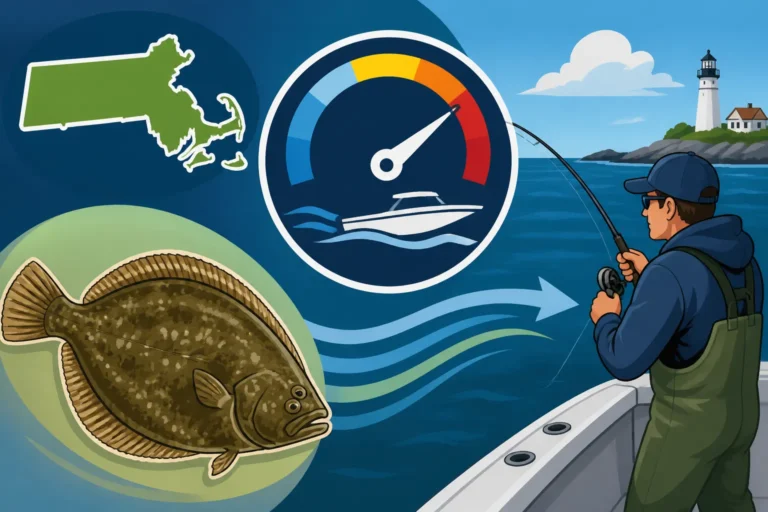
Winter flounder, true to their name, are cool-water fish. They tend to prefer sandy or muddy bottoms in relatively shallow waters, especially in estuaries, bays, and harbors. This makes the extensive coastline and numerous sheltered coves around Boston an ideal habitat for them. Unlike some species that roam widely, flounder are often found congregating in specific areas, especially during their spawning migrations.
Their behavior is largely dictated by water temperature. As temperatures cool down in late fall, they begin to move into deeper, offshore waters to overwinter. Then, as spring approaches and the water gradually warms, they migrate back into shallower, inshore areas to feed and spawn. Understanding this annual migration pattern is absolutely key to knowing when and where to find them, making your fishing efforts far more efficient. This is precisely why timing your outing with the best season for winter flounder near Boston is so critical.
The Prime Seasons for Winter Flounder Fishing Around Boston
When it comes to targeting winter flounder in the bustling waters around Boston, timing is everything. While they are, indeed, a "winter" flounder, their active fishing season in our coastal waters doesn't necessarily align with the coldest months. Instead, we're looking for those sweet spots in the year when they are moving inshore, feeding actively, and preparing to spawn.
Spring: The Peak of the Action
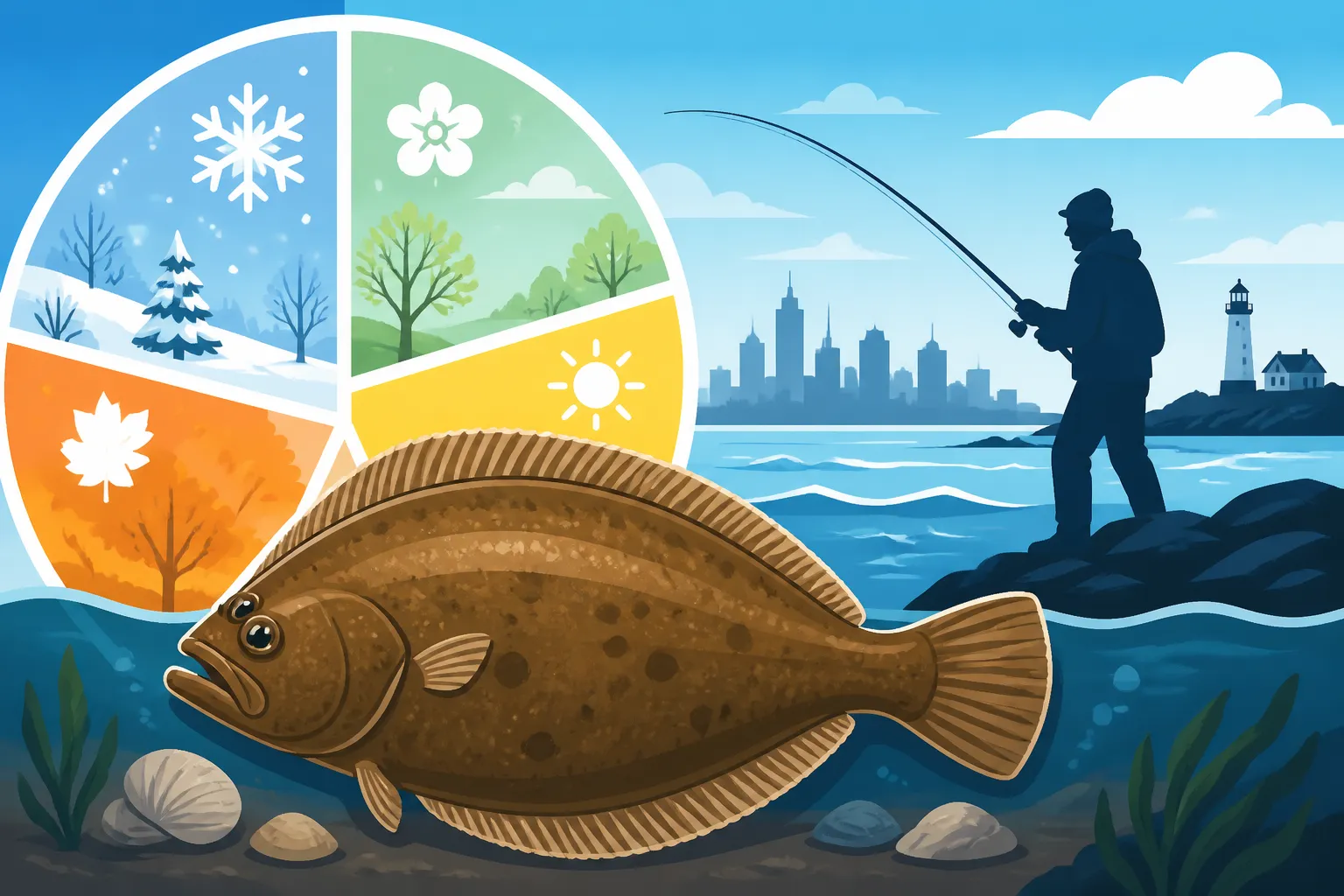
Without a doubt, spring is the absolute prime season for winter flounder fishing near Boston. This period typically kicks off around late March, intensifies through April, and can extend well into May, depending on how quickly the water temperatures rise. As the bay and harbor waters begin to warm after the long winter, flounder migrate from their deeper overwintering grounds into shallower bays, estuaries, and protected coves. They are here for one main reason: to spawn and then to feed voraciously after their energy-intensive reproductive cycle.
During these months, you'll find flounder concentrated in areas with soft, muddy, or sandy bottoms that warm up quicker in the sun. They'll be on the hunt for small worms, crustaceans, and baitfish. This post-spawn feeding frenzy makes them quite aggressive and much more willing to take a bait. Many anglers consider early to mid-April to be the sweet spot, as the water is just warm enough to bring them in, but not yet so warm that they start dispersing or getting lethargic. You’ll definitely want to check the Massachusetts Saltwater Fishing Seasons to get a broader understanding of what to expect.
Late Fall/Early Winter: A Secondary Opportunity
While spring steals the show, there's a respectable secondary window for winter flounder fishing that occurs in late fall and early winter. As the days shorten and the water temperatures start to drop significantly in October and November, flounder begin their move out of the shallow inshore areas and head for deeper, offshore waters where they'll spend the coldest months. This migration offers another opportunity to intercept them as they transition.
This fall run can be a bit more challenging than the spring bite, as the fish are often more spread out and less aggressively feeding compared to their post-spawn hunger. However, dedicated anglers can still find success, especially in deeper channels and at the mouths of estuaries as the flounder prepare to depart. You might need to work a bit harder for your catches, but the reward of a fresh flounder on a crisp autumn day is well worth the effort. Always remember to check on specific state guidelines outlined in the Massachusetts Recreational Fishing Rules and Bag Limits before heading out.
How Water Temperature Dictates Flounder Movement
Water temperature is the single most critical factor influencing winter flounder behavior and their presence in the inshore waters around Boston. They thrive in cooler temperatures, typically between 40-55°F (4-13°C). Any colder, and they become lethargic and move offshore; much warmer, and they'll either move deeper, further offshore, or become less active during the day.
In spring, the magic happens when the inshore waters hit that lower end of the ideal range, signaling to the flounder that it's time to move in and spawn. They'll linger as long as the temperatures remain favorable for feeding and recuperation. In fall, the cooling waters trigger their instinct to depart for deeper, more stable environments. Keeping an eye on local water temperature reports can give you a significant advantage in pinpointing the best days to fish. A good quality waterproof thermometer can be a valuable addition to your tackle box, readily available on Amazon.
Top Spots and Techniques for Boston-Area Winter Flounder
Now that we know when to chase these elusive flatfish, let's talk about the where and how. The Boston area offers a surprising number of accessible spots, and employing the right tactics can dramatically improve your success rate.
Prime Fishing Grounds in Boston Harbor and Beyond
Boston Harbor itself is a fantastic starting point for winter flounder. Its numerous coves, channels, and relatively shallow, muddy bottoms provide excellent habitat. Areas like the inner harbor around Fort Point Channel, Dorchester Bay, and Quincy Bay are historically productive. Islands within the harbor, such as Long Island or Spectacle Island, often have productive edges. Specific spots where you might find softer bottoms and slightly warmer water, especially in the spring, are always worth exploring. For more detailed information on specific locations, be sure to check out Best Places to Fish in Boston Harbor, Massachusetts.
Beyond Boston Harbor, nearby estuaries and shallow coastal areas also hold promise. Places like the waters around Hingham, Weymouth, and parts of the South Shore offer similar bottom compositions and protective environments that attract flounder. When fishing from shore, look for public piers, jetties, or beaches that drop off into muddy or sandy flats. If you have access to a boat or kayak, exploring the edges of navigation channels and deeper holes within bays can be incredibly rewarding. The key is seeking out those soft, dark bottoms where their favorite foods reside. For those interested in a wider range of shore-based options, Best Shore Fishing Spots in Massachusetts offers great insights.
Essential Gear and Baits for Success
Winter flounder fishing doesn't require highly specialized or expensive gear, which is great news for both beginners and seasoned anglers. A medium-light spinning rod, around 6-7 feet in length, paired with a reel spooled with 8-15 pound monofilament or braided line is perfect. The sensitivity of a good rod helps you detect those subtle flounder bites, which can sometimes feel like nothing more than a slight pressure or weight.
The most effective rig is typically a simple two-hook bottom rig, often called a "flounder rig." This consists of a sinker (usually 1-3 ounces, depending on current and depth) at the bottom, with two snelled hooks (size 4 to 8, often baitholder style) spaced above it on short leaders. You can find pre-tied flounder rigs at most tackle shops or easily order components to tie your own on Amazon.
When it comes to bait, hands down, the champion for winter flounder is sea worms (also known as sandworms or bloodworms). Their scent trail and wriggling action are irresistible to flounder. Other effective baits include small pieces of clam, shrimp, or squid, but worms usually out-perform them. Using a small piece of brightly colored synthetic bait, like a Berkley Gulp! teaser, on your hook in conjunction with a piece of natural bait can also increase your appeal and trigger more bites.
Here's a quick reference table for essential gear:
| Item | Description | Key Considerations |
|---|---|---|
| Rod | Medium-light spinning, 6-7 feet | Sensitive tip for detecting subtle bites |
| Reel | Spinning reel, size 2500-4000 | Smooth drag, reliable |
| Line | 8-15 lb monofilament or braid | Braid for sensitivity, mono for stretch and shock absorption |
| Sinker | Pyramid or bank sinker, 1-3 oz | Match to current and depth |
| Hooks | Size 4 to 8 baitholder or Aberdeen | Sharp, small enough for flounder mouths |
| Leader Material | 10-20 lb fluorocarbon or monofilament | Abrasion resistant, nearly invisible underwater |
| Bait | Sea worms (sandworms/bloodworms), clam, shrimp, squid | Sea worms are most effective |
| Optional Teasers | Small, brightly colored beads or synthetic baits (e.g., Gulp! strips) | Adds visual appeal |
Mastering the Art of Flounder Fishing
Catching winter flounder is often described as a patient angler's game. Once your rig is cast out, let it settle on the bottom. The key is to keep your bait moving slowly to attract attention and cover ground. If fishing from shore, a slow retrieve with occasional pauses is effective. From a boat, the best technique is often a slow drift. This allows your bait to sweep across the bottom, covering a wider area and presenting a natural appearance. For those who enjoy boat fishing, understanding Drift Fishing Techniques for Summer Flounder can offer transferable skills.
When you feel a bite – which can range from a light tap to a sudden weight – resist the urge to immediately yank the rod. Flounder often mouth the bait first. Give them a few seconds to fully take the bait into their flat mouths, then set the hook with a gentle, sweeping motion. Too hard, and you might pull the bait away; too soft, and you might miss them. Once hooked, retrieve steadily. They don't fight with spectacular runs, but they can surprise you with a stubborn resistance as they try to use their flat body against the current. This is when you'll be glad you picked up some strong leader material, perhaps from a reputable brand like Seaguar, also available on Amazon.
Regulations, Conservation, and Responsible Angling
Before you even think about dropping a line for winter flounder near Boston, it's absolutely crucial to understand the rules and regulations. Massachusetts has specific guidelines in place to ensure the health of our fish populations, and ignoring them can lead to hefty fines and impact the future of the fishery.
Navigating Massachusetts Flounder Rules
Every angler fishing in Massachusetts saltwater needs to possess a valid recreational saltwater fishing permit. This applies whether you're fishing from a boat, pier, or the beach. Make sure you have this permit sorted before your trip; you can usually purchase it online through the MassFishHunt system. If you're wondering about the specifics, the Massachusetts Saltwater Recreational Fishing Permit Explained article provides a comprehensive overview. There are also specific size and bag limits for winter flounder that can vary by season, so always consult the most current regulations published by the Massachusetts Division of Marine Fisheries (MassDMF). These limits are designed to protect spawning fish and allow juveniles to mature, ensuring sustainable fishing for years to come. Do you need a general license too? Our Massachusetts Fishing License Guide can clarify that for you.
For instance, there will be a minimum legal length a flounder must meet before you can keep it, and a daily bag limit (how many fish you can keep per person per day). Keeping an undersized fish or exceeding the bag limit isn't just illegal; it actively harms the stock. It’s also wise to be able to correctly identify your catch. If you’re ever unsure, our Massachusetts Fish Identification Guide can be a handy resource.
Practicing Sustainable Winter Flounder Fishing
Conservation isn't just about following the rules; it's about adopting practices that minimize your impact on the environment and the fish. Here are a few tips for responsible angling:
- Handle with Care: If you catch a flounder that is undersized or that you don't intend to keep, handle it gently. Minimize its time out of the water, support its body, and release it quickly. Wetting your hands before handling fish helps protect their protective slime coat.
- Use Appropriate Gear: Employing tackle that matches the size of the fish you're targeting can help reduce stress on released fish. For flounder, a light to medium-light setup is usually perfect.
- Dispose of Waste Properly: Never leave monofilament line, hooks, bait containers, or any other trash behind. Fishing line in particular can be a deadly hazard for marine wildlife. Carry out everything you carry in.
- Respect Private Property and Other Anglers: When fishing from shore or piers, be mindful of local property rights and give fellow anglers space. Understanding Massachusetts Rules for Fishing From a Pier or Bridge can help ensure a smooth experience for everyone.
Ensuring Safety and Enjoyment on the Water
Even in relatively sheltered areas like Boston Harbor, safety should always be a priority. If you're fishing from a boat or kayak, ensure you have all required safety equipment, including life jackets, and check the marine weather forecast before heading out. Conditions can change rapidly, especially in coastal environments.
If fishing from shore or a pier, be aware of your surroundings, especially if fishing near busy navigation channels or industrial areas. Wear appropriate clothing for the weather – spring mornings near Boston can still be quite chilly, even if the sun is out. Proper footwear with good grip is also important, especially on wet docks or rocky areas. Remember, fishing is meant to be an enjoyable pastime, and taking these precautions ensures it remains that way for you and for the marine life we cherish.
This article is for general informational purposes only and does not constitute professional advice. Laws, prices and regulations vary by location and change over time. Consult a qualified professional for guidance on your specific situation.