Yellow Perch Fishing in Massachusetts
Many anglers, whether seasoned veterans or just starting out with their kids, find immense joy in targeting yellow perch. They're abundant, cooperative, and frankly, quite delicious. But don't let their eager bites fool you; consistently finding and catching these striped beauties, especially the bigger ones, requires a bit of local knowledge and the right approach. This guide is here to share those secrets, helping you unlock the full potential of yellow perch fishing across Massachusetts.
Understanding Yellow Perch in Massachusetts
Yellow perch are a cornerstone of freshwater fishing here in Massachusetts, offering consistent action and a tasty reward. They're often one of the first fish a new angler catches, instilling a love for the sport that lasts a lifetime. But there's more to these striped beauties than just being easy to catch; understanding their biology and habits can dramatically improve your success.
What Makes Yellow Perch Unique?
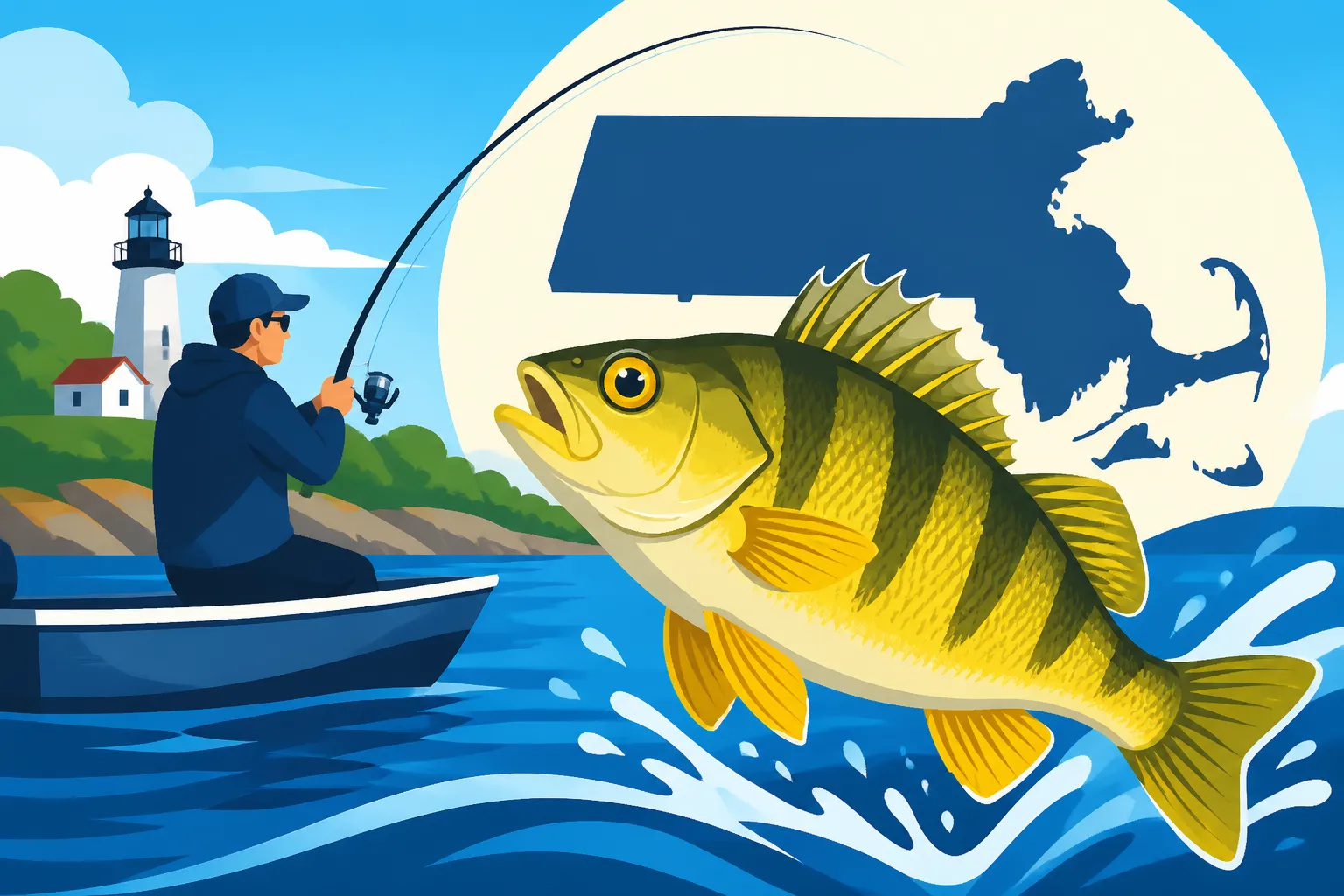
Yellow perch, or Perca flavescens, are truly distinctive. They boast a beautiful golden-yellow to brassy green body, adorned with six to eight prominent dark vertical stripes along their sides, which give them that classic "perch" look. Their bellies are typically white, and their fins, particularly the anal and caudal fins, often have an orangish tint, especially in breeding males. They might not grow to massive sizes like some other game fish, but their chunky bodies and aggressive nature on the line make them a blast to catch.
Typically, yellow perch in Massachusetts range from 6 to 10 inches, though larger specimens, sometimes called "jumbos," can reach 12 to 14 inches or even more in certain waters. These larger fish are highly prized by anglers. They have a relatively small, spiny dorsal fin and a distinct forked tail. Their mouths are somewhat small, which is why tiny baits and lures are often the most effective. Learning How big yellow perch get in Massachusetts ponds can give you a better idea of what to expect from your local waters.
Beyond their appearance, yellow perch are incredibly social fish, almost always found in schools. This schooling behavior is a huge advantage for anglers because if you catch one, you're likely to catch more. This social nature influences everything from their feeding patterns to their migratory movements within a lake or pond, making them a fun and often predictable target once you locate a school.
Where to Find Yellow Perch Across the Commonwealth
Yellow perch are incredibly widespread throughout Massachusetts' freshwater systems. You'd be hard-pressed to find a pond, lake, or slow-moving river section that doesn't hold at least some population of them. They thrive in a variety of habitats, showing a preference for cooler, clear waters with some vegetation or structure. Think about areas with submerged logs, rock piles, weed beds, or even gradual drop-offs that lead to deeper water.
From the sprawling waters of Quabbin and Wachusett Reservoirs to countless smaller ponds in the Berkshires, Central Massachusetts, and the southeastern part of the state, yellow perch are truly ubiquitous. Lakes like Lake Quinsigamond Fishing Spots in Massachusetts, Assawompset Pond Fishing Guide, Otis Reservoir Fishing Spots, and Long Pond Fishing in Southeastern Massachusetts are all well-known for their robust perch populations. Even smaller, unnamed ponds can be teeming with them.
When scouting a new spot, look for areas where these fish can find both food and shelter. Shady spots near lily pads, the edges of aquatic grass, or around submerged timber are always good bets. In larger bodies of water, they might suspend over deeper channels, especially during the warmer months, making them a bit trickier to pinpoint. Using a fish finder can be invaluable in these situations.
Yellow Perch Lifecycle and Habits
The annual cycle of a yellow perch is largely dictated by water temperature and food availability. Their spawning season is typically in the early spring, often in April or May, when water temperatures reach the high 40s to low 50s Fahrenheit. They prefer shallow, vegetated areas for spawning, laying long, jelly-like strings of eggs over submerged branches, weeds, or brush. During this pre-spawn and spawn period, they can be found in very shallow water, often making them easier targets for shore anglers.
After spawning, perch will spread out a bit, but they retain their schooling behavior. Throughout the summer, they tend to move to deeper, cooler waters during the day, often suspending or congregating around structure, and then moving shallower to feed during dawn and dusk. Their diet is quite varied, consisting of insect larvae, aquatic worms, small crustaceans, and even the fry of other fish species. This adaptability in diet means a wide range of baits and lures can be effective.
As autumn arrives, yellow perch become incredibly active, feeding aggressively to build up fat reserves for the winter. This is a fantastic time for shore and boat anglers alike. Then, when the ice covers our ponds and lakes, they remain active, often schooling tightly in deeper basins or along drop-offs, making them a prime target for ice fishing enthusiasts. Understanding these seasonal movements and dietary preferences is key to consistent success.
Best Times and Seasons for Yellow Perch
One of the great joys of yellow perch fishing in Massachusetts is that it's truly a four-season pursuit. Each time of year presents unique opportunities and requires slightly different tactics, but the constant is that there are always perch to be caught. It’s a wonderful fish for anyone who loves spending time on the water, no matter the weather.
Springtime Perch Action
Spring is arguably one of the most exciting times to target yellow perch, largely due to their pre-spawn and spawning movements. As the ice melts and water temperatures begin to rise, perch move from their deeper wintering grounds into shallower bays, coves, and flats. They're focused on feeding heavily before and during the spawn, making them very aggressive. This is when you can find them in surprisingly shallow water, sometimes just a few feet deep, in areas with emergent vegetation or woody debris.
During early spring, consider focusing your efforts in northern bays and shallow sections that warm up fastest from the sun. Small jigs tipped with a grub, a piece of worm, or a minnow fished under a bobber can be incredibly effective. As the spawn approaches, they'll congregate in huge numbers, and if you find a school, you're in for some fast and furious action. Don't be afraid to try different depths in these shallow areas until you locate the sweet spot where the schools are holding.
Post-spawn, the fish might be a little sluggish for a brief period, but they quickly resume feeding to recover their energy. They'll start to spread out more, but still remain relatively shallow before the summer heat drives them deeper. This makes spring an ideal time for anglers of all skill levels, especially those who enjoy fishing from shore or a small boat.
Summer Strategies for Deeper Waters
As the Massachusetts summer heats up, yellow perch generally retreat to cooler, deeper water, especially during the brightest parts of the day. This doesn't mean they disappear; it just means you need to adjust your strategy. They'll often suspend in the water column over deeper basins or relate to structure like submerged humps, rock piles, or deep weed edges. Early mornings and late evenings, when temperatures are cooler and light levels are lower, are prime times for them to move shallower to feed.
During these warmer months, a good fish finder becomes an invaluable tool for locating schools of suspended perch. Once you find a school, vertical jigging with small spoons or blade baits can be highly effective. If you're fishing from shore, target areas where deeper water is accessible, such as drop-offs near points or along the face of a dam. Drift fishing with live bait, like a small shiner or worm, can also cover a lot of water and help you locate scattered schools.
Remember, yellow perch are constantly searching for comfortable temperatures and food. So, if your usual shallow spring spots are quiet, don't hesitate to move out to the deeper sections of the lake or pond. Pay attention to changes in bottom contour, and any thermocline layers you might detect, as these are often where the fish will congregate for comfort.
Fall Feeds and Winter Wonders
Autumn in Massachusetts brings a renewed vigor to yellow perch fishing. As water temperatures begin to cool, perch start their aggressive feeding binge, preparing for the lean winter months. They'll often return to shallower and mid-depth areas, actively chasing baitfish and foraging for insects. This "fall feed" can be one of the most productive times of the year, with perch readily hitting a wide range of baits and lures.
Look for them around weed lines that are still green, rocky points, and submerged timber. Fishing with small jigs, spoons, or even crankbaits that mimic baitfish can yield excellent results. The fish are often more spread out than in spring, but their aggressive nature makes them easier to entice. This period lasts right up until the ice forms.
And then comes the magic of winter, ushering in the ice fishing season. Yellow perch are among the most popular targets for ice anglers in Massachusetts, and for good reason! They remain active under the ice, often schooling in deeper water or along prominent structure. Using tip-ups with live shiners or jigging with tiny spoons and tungsten jigs tipped with wax worms or spikes can lead to incredible days on the ice. Ice Fishing in Massachusetts is a fantastic experience, and perch are a huge part of it. Knowing Best ice fishing ponds in Massachusetts can set you up for success.
Gear and Techniques for Successful Perch Fishing
Catching yellow perch doesn't require an arsenal of expensive, specialized equipment. In fact, one of their charms is how accessible they are to anglers with even basic tackle. However, optimizing your gear and understanding effective techniques can significantly increase your catch rates and enjoyment, especially when targeting those prized "jumbos."
Rods, Reels, and Lines: The Right Setup
For yellow perch, finesse is often more important than brute strength. This means opting for lighter tackle that allows you to feel those subtle bites and present your baits naturally. An ultralight or light action spinning rod, typically 5 to 6.5 feet long, is absolutely perfect. These rods have a sensitive tip that will register even the slightest tap, yet enough backbone to handle a feisty 12-inch perch. You can find many suitable options on Amazon that offer great performance without breaking the bank.
Pair your ultralight rod with a small spinning reel, sized 1000 or 2000. These reels are lightweight and balance well with smaller rods, making them comfortable for a full day of fishing. For line, I highly recommend using a light monofilament or fluorocarbon line, typically 4 to 6-pound test. Monofilament is a classic choice, offering good knot strength and stretch, which can be forgiving. Fluorocarbon, on the other hand, is nearly invisible underwater and has less stretch, providing excellent sensitivity. Sometimes a thin braided line with a fluorocarbon leader is also a great option for maximum sensitivity, especially in deeper water.
The key is balance. You want a setup that feels comfortable in your hand, allows for delicate presentations, and provides the sensitivity needed to detect those light bites that perch sometimes give.
Baits and Lures That Yellow Perch Can't Resist
Yellow perch aren't terribly picky eaters, which is another reason they're so popular. However, some baits and lures consistently outperform others. Live bait is almost always a winner. Small shiners or fathead minnows, fished either still or under a bobber, are deadly. Worms, particularly nightcrawlers (even just a piece of one), red worms, or wax worms, are universally effective and easy to find. For ice fishing, spikes (maggots) are also incredibly productive, especially when tipped on a small jig.
When it comes to artificial lures, think small and flashy. Tiny jigs, often 1/32 to 1/16 ounce, are staples. They can be tipped with a small plastic grub, a piece of PowerBait, or even a live wax worm. Colors like white, chartreuse, pink, and orange are often very effective. Small spoons, especially those with a bit of flash or painted in bright colors, also work wonders, particularly when jigged vertically. Blade baits, micro crankbaits, and even small inline spinners can also tempt aggressive perch. Many anglers stock up on these versatile lures from online retailers like Amazon.
The trick is to match the hatch, so to speak, but also to experiment. Sometimes, a subtle presentation with a small worm is all it takes, while other times a flashy spoon will trigger a feeding frenzy. Don't be afraid to try different things until you find what the perch are keying in on that particular day. For more specific insights, check out Best Bait for Yellow Perch.
Effective Fishing Techniques
Yellow perch fishing techniques are as varied as the seasons. For open water, still fishing or fishing with a bobber is perhaps the simplest and most effective. Cast your bait (live minnow or worm) to a promising spot, set your bobber to the desired depth, and wait. This works exceptionally well when perch are in shallower areas or when you've located a school. If the bite slows, try a different depth or slowly retrieve your bobber to cover more water.
Jigging is another incredibly productive method, especially when fishing from a boat or through the ice. Drop a small jig or spoon to the bottom, then lift and drop it with a subtle cadence, imparting action to the lure. Perch often strike on the fall or when the lure is paused. Vary your jigging retrieve – sometimes a fast, aggressive jig is best, other times a slow, gentle lift and drop is preferred. Vertical jigging directly over a school you've located on a fish finder can lead to non-stop action.
Drift fishing, where you allow your boat or kayak to drift slowly over a promising area while dragging a baited hook, is excellent for covering large areas and finding scattered schools, particularly in summer. For ice fishing, tip-ups are fantastic for passive fishing with live bait, allowing you to set multiple lines and cover more ground, while actively jigging another hole nearby. Always remember to check Massachusetts Freshwater Daily Catch Limits before heading out.
Top Yellow Perch Fishing Spots in Massachusetts
Massachusetts is truly blessed with an abundance of freshwater bodies, many of which host thriving populations of yellow perch. From large, well-known reservoirs to small, unassuming ponds, there's a perch hotspot waiting for every angler. Knowing where to start can make all the difference between a slow day and a bucket full of delicious fish.
Popular Ponds and Lakes
When most anglers think about great yellow perch fishing in Massachusetts, certain names immediately come to mind. These larger bodies of water are popular for a reason: they consistently produce good numbers of perch, often including those sought-after "jumbo" specimens.
Quabbin Reservoir, while famous for its trout and salmon, also holds a healthy population of yellow perch, especially in its shallower coves and bays accessible to boaters and shore anglers. These perch often grow large due to the abundant forage. Similarly, Wachusett Reservoir, another major drinking water supply, offers excellent perch fishing from its accessible shorelines and designated fishing areas. The perch here can also reach impressive sizes. Remember to always check specific access and permit rules for these reservoirs before you go.
Beyond the big reservoirs, several large lakes and ponds across the state are perennial favorites. Lake Quinsigamond in Worcester, for instance, is a fantastic multi-species lake with strong perch numbers, particularly in its weed lines and drop-offs. Down in southeastern Massachusetts, Assawompset Pond Fishing Guide, Long Pond in Lakeville, and Otis Reservoir in the Berkshires are also renowned for their perch fishing. These larger water bodies provide diverse habitats, from shallow flats to deep channels, offering excellent fishing throughout the year, including fantastic ice fishing opportunities. Many of these larger bodies of water are highlighted in general guides like Best Fishing Spots in Massachusetts.
Lesser-Known Gems and Local Hotspots
While the big names draw a lot of attention, some of the most consistent and enjoyable yellow perch fishing can be found in smaller, lesser-known ponds and local hotspots. These are often easier to access, less crowded, and can hold surprisingly large fish. The key is to explore and ask around your local bait shops – they're treasure troves of information!
Look for ponds between 50 and 200 acres that have a good mix of structure: weed beds, submerged timber, and varying depths. Many municipal ponds or smaller state park ponds fit this description perfectly. Often, the smaller bodies of water warm up faster in spring and cool down quicker in fall, which can concentrate perch in predictable areas. These spots might not be prominently featured on statewide fishing maps, but they are often cherished by local anglers.
For instance, many towns have smaller ponds that are perfect for a quick evening fish from shore or a kayak, and these can be absolutely loaded with perch. In these smaller waters, even a slight change in bottom contour or a single submerged tree can act as a major fish magnet. Don't overlook these spots, especially if you're looking for a peaceful outing without the crowds.
Ice Fishing Havens
When winter blankets Massachusetts, yellow perch become a primary target for ice anglers. Their willingness to bite and their schooling nature make them ideal for a day on the hard water. Many of the larger lakes and ponds mentioned above, such as Lake Quinsigamond and Long Pond, become major ice fishing destinations for perch.
However, countless smaller, shallower ponds throughout the state also offer phenomenal ice fishing for perch. These ponds often freeze solid earlier and provide safe ice for longer periods. Look for ponds with healthy weed beds (which provide oxygen and shelter under the ice) and gradual drop-offs. Perch will often cruise the edges of these weed lines or congregate in the deepest basins.
Ponds near metropolitan areas can be fantastic for perch ice fishing, offering convenient access. Many state parks and local conservation areas also feature ponds that, while not famous for giant trout, are teeming with respectable-sized yellow perch through the ice. Just be sure to check ice conditions thoroughly, and prioritize safety above all else, as covered in guides on Massachusetts Ice Fishing Safety and Ice Thickness.
Regulations and Conservation for Yellow Perch
Fishing for yellow perch in Massachusetts is generally quite accessible, with regulations designed to ensure healthy populations for years to come. While they might not be as strictly managed as some other game fish, understanding the rules and practicing responsible angling is vital for maintaining this fantastic fishery.
Massachusetts Yellow Perch Limits
Massachusetts generally has very liberal regulations for yellow perch, a testament to their robust populations across the state. Typically, there is no minimum size limit, and generous daily possession limits are in place. However, it is crucial for every angler to consult the most current Massachusetts fishing regulations, often published annually by MassWildlife, before heading out. These regulations are subject to change, and specific rules can vary for certain bodies of water, particularly large reservoirs like Quabbin or Wachusett.
While there might not be a closed season for yellow perch, which allows for year-round fishing including ice fishing, daily bag limits do apply. These limits are designed to prevent overharvesting while still allowing anglers to keep a good number of fish for the table. Ignorance of the rules is never an excuse, so make sure your understanding is current. This information can typically be found in the official Massachusetts Fishing License Guide or the annual freshwater fishing rulebook.
Remember, these regulations are in place for a reason: to protect the long-term health of our fisheries. By adhering to them, you're not only avoiding potential penalties but also contributing to the sustainability of this wonderful resource for future generations of anglers.
Promoting Sustainable Perch Fishing
Catching yellow perch is a fantastic experience, but doing so responsibly is paramount. Sustainable angling practices ensure that our waters remain vibrant and full of fish. One key aspect is practicing selective harvesting. While there might be no minimum size limit, consider releasing the largest "jumbo" perch, especially females, as they are crucial for maintaining a healthy breeding population. They are the future of the fishery, after all!
For the fish you do decide to keep, handle them with care. If you're going to release a perch, try to minimize its time out of water. Wet your hands before handling fish to protect their protective slime coat. Use de-barbed hooks or circle hooks, which can reduce the chance of deep hooking, making release easier and less traumatic for the fish. When keeping fish, dispatch them quickly and humanely.
Beyond handling fish, responsible angling also extends to our environment. Always pack out everything you pack in, leaving no trace of your visit. Dispose of old fishing line properly, as it can be incredibly harmful to wildlife. Consider using lead-free tackle, which is becoming increasingly popular and helps protect aquatic ecosystems. By adopting these practices, we ensure that yellow perch continue to thrive in Massachusetts waters, providing enjoyment for all who cast a line.
| Yellow Perch Baits & Lures by Season | Spring | Summer | Fall | Winter (Ice Fishing) |
|---|---|---|---|---|
| Live Bait | Worms, Small Minnows | Small Minnows, Worms | Minnows, Worms | Minnows, Wax Worms |
| Jigs (1/32-1/16 oz) | Grub-tipped, Marabou | Small Plastic Grubs | Grub-tipped, Feather Jigs | Tungsten, Spikes, Plastics |
| Spoons | Small Casting Spoons | Small Casting Spoons | Jigging Spoons | Small Jigging Spoons |
| Inline Spinners | Small (e.g., Rooster Tail) | Small (e.g., Mepps) | Small (e.g., Panther Martin) | N/A (generally) |
| Blade Baits | N/A | Small | Small | Small |
| PowerBait/Scented Plastics | Yes | Yes | Yes | Yes (tipped on jigs) |
Disclaimer
This article is for general informational purposes only and does not constitute professional advice. Laws, prices and regulations vary by location and change over time. Consult a qualified professional for guidance on your specific situation.