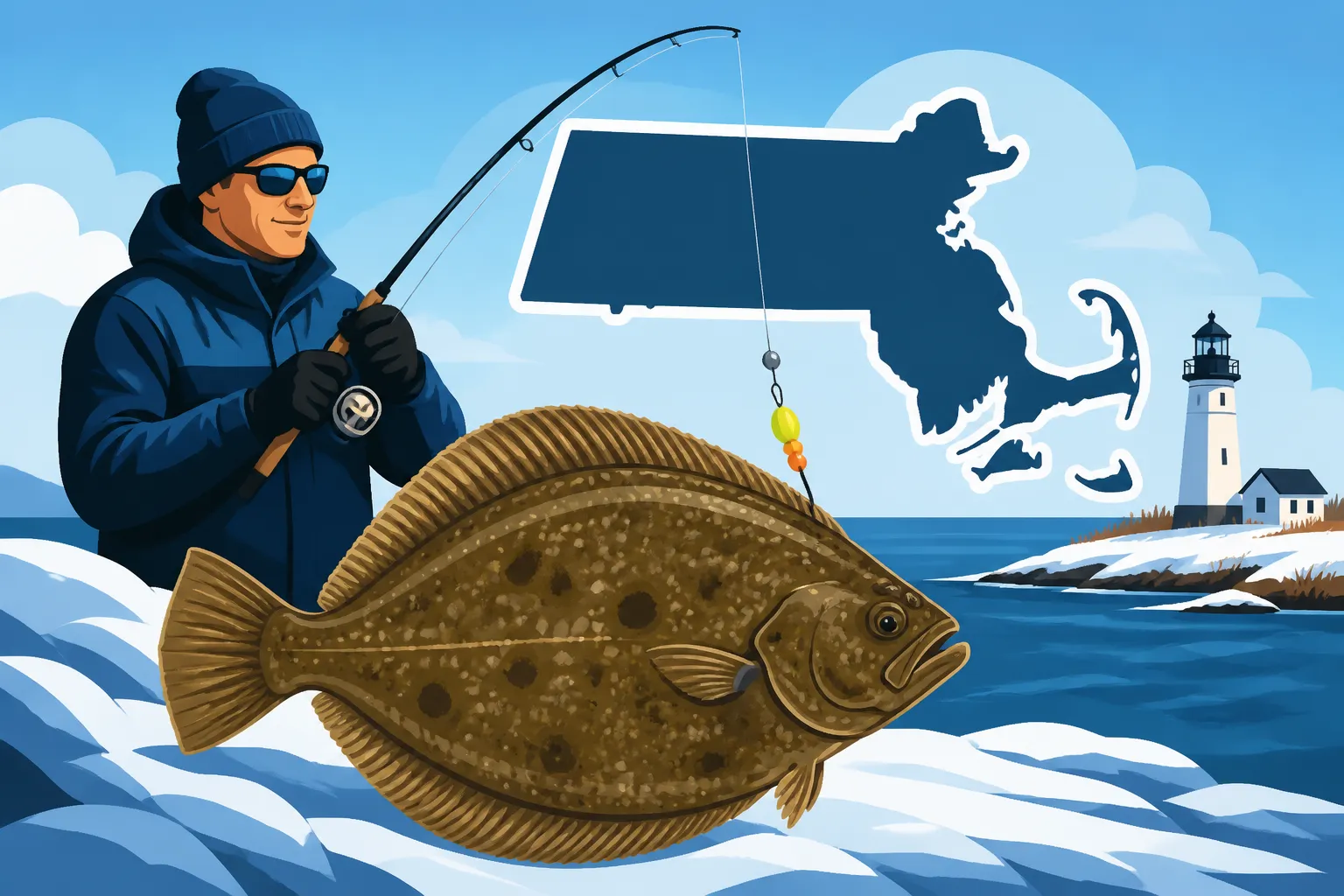
Winter Flounder Fishing in Massachusetts
For many anglers in Massachusetts, the mention of winter flounder evokes a mix of fond memories and a bit of a challenge. These flatfish, often overshadowed by their more famous striped bass cousins, offer a unique and rewarding fishing experience, especially as the colder months set in or just begin to fade. If you've ever felt the subtle tug of a flounder bite and wondered how to consistently find these elusive bottom dwellers, this guide is for you. We're diving deep into everything you need to know to successfully target winter flounder in the Bay State.
Understanding Massachusetts Winter Flounder
Before you can hope to catch winter flounder, it helps to understand who these fish are and what makes them tick. They're a fascinating species, perfectly adapted to their sandy, muddy homes, and knowing a bit about their biology and behavior can significantly improve your chances on the water.
What Exactly is a Winter Flounder?
The winter flounder, Pseudopleuronectes americanus, is a true flatfish, meaning it starts life swimming upright like a typical fish, but then undergoes a remarkable metamorphosis. One eye migrates to the other side of its head, and the fish flattens out, adapting to life on the seafloor. What's truly neat is that winter flounder are "right-eyed," meaning their eyes end up on the right side of their body when viewed from above, with the left side facing down. They typically sport a mottled brownish-olive coloration on their eyed side, helping them blend seamlessly with the ocean floor, while their blind side is usually white.
These fish are prized for their delicate, white flesh, making them a popular target for anglers who enjoy a good meal after a successful outing. They don't grow to massive sizes, usually topping out around 18-20 inches, but their subtle fight and delicious reward make them a highly sought-after species. When you reel in a plump winter flounder, you truly feel a sense of accomplishment, especially when they've been playing hard to get all day.
Winter Flounder Habitat and Behavior
Winter flounder are quintessential bottom dwellers. They love soft, muddy, or sandy bottoms in estuaries, bays, and shallow coastal waters. Think of quiet coves, harbor flats, and the protected areas within sounds — places where there’s a good mix of sediment and often some eelgrass beds. They're often found in relatively shallow depths, sometimes as little as 5-10 feet, but can also be in deeper channels or holes. One of their most interesting behaviors is their ability to burrow partially into the bottom, camouflaging themselves from predators and ambushing prey.
As their name suggests, these fish tolerate colder water temperatures, often migrating into deeper offshore waters during the heat of summer and returning to shallower, inshore areas as autumn progresses and into spring for spawning. This makes them a prime target during seasons when other popular species might be less active or have moved on. They're not aggressive hunters; instead, they lie in wait, feeding on small crustaceans, marine worms, and other invertebrates that scuttle or swim near the bottom. Their feeding strategy means patience is key when targeting them, as their bites can be incredibly subtle – sometimes just a slight tick on the line.
When and Where to Find Winter Flounder in Massachusetts
Timing and location are absolutely crucial when it comes to winter flounder fishing in Massachusetts. Knowing when they're inshore and where they prefer to congregate can make the difference between a frustrating day and a fantastic catch.
Peak Seasons for Winter Flounder Fishing
While they're called "winter" flounder, the peak fishing seasons in Massachusetts are really during the cooler shoulder months: late fall, early spring, and sometimes even into early summer. As the water temperatures begin to drop in the fall, winter flounder migrate from deeper offshore waters back into shallower bays and estuaries. This is when they start to feed actively, fattening up before the coldest parts of winter. November can be excellent in many parts of the state.
The spring run, however, is often considered the prime time. Starting around March and extending into May, as the water temperatures climb into the 40s and 50s Fahrenheit, flounder move into even shallower waters for spawning. They become very concentrated during this period, offering some of the best fishing opportunities of the year. You'll often find them just outside the estuaries, in channels, and over muddy flats. As summer really heats up, usually by late June or July, they'll typically move back to deeper, cooler waters, making them harder to target inshore. For a comprehensive overview of when different species are biting, check out Massachusetts Fishing Seasons Explained.
Prime Massachusetts Fishing Grounds for Flounder
Massachusetts boasts an incredible coastline with numerous bays, estuaries, and harbors that are perfect winter flounder habitat. Boston Harbor, with its many coves, channels, and soft bottoms, is a historical hotspot. Areas like Quincy Bay, Hull Gut, and the flats around the inner harbor islands can be incredibly productive. Anglers often launch from public ramps or head out with local guides who know the specific "honey holes."
Further south, Buzzards Bay offers excellent opportunities, particularly the shallower coves and the areas around the Elizabeth Islands. The back bays and estuaries of Cape Cod, such as Waquoit Bay, Barnstable Harbor, and the protected waters of Nantucket Sound, are also renowned for their spring flounder runs. Even smaller, less famous harbors up and down the coast, like those around the North Shore near Gloucester and Salem, can hold good numbers of flounder, especially if they have soft, muddy bottoms and some tidal flow. Always be sure to consult local charts and look for those telltale mud and sand flats, often delineated by channels or deeper holes nearby. Sometimes, the best spots are just a short boat ride from a busy marina, but they feel like a world away. For more on navigating Massachusetts fishing spots, you might find Best Fishing Spots in Massachusetts helpful.
Essential Gear and Tackle for Winter Flounder
You don't need a massive arsenal of specialized gear to catch winter flounder, but having the right setup can definitely make your day more productive and enjoyable. It's all about sensitivity and getting your bait to where the fish are on the bottom.
Rods, Reels, and Line Selection
For winter flounder, a light to medium-light spinning rod, around 6 to 7 feet in length, is ideal. You want something with a sensitive tip to detect those subtle bites, but enough backbone to set the hook and handle a decent-sized fish. A rod rated for 6-12 lb test line is generally a good starting point. Matching this with a small to medium-sized spinning reel (2500-3000 series) that's smooth and has a reliable drag will serve you well. You're not usually fighting a monster, but a smooth drag is always a plus.
When it comes to line, a high-visibility monofilament line in 8-10 lb test is a classic choice. The slight stretch of mono can be forgiving, and its buoyancy can help keep your bait from digging too deep into soft mud. However, many modern anglers prefer braided line, often 10-15 lb test, because of its incredible sensitivity. With braid, you can feel every bump, every weed, and most importantly, every tiny nibble. If you go with braid, consider adding a 3-5 foot fluorocarbon leader of 8-10 lb test. Fluorocarbon is nearly invisible underwater and is more abrasion-resistant than mono, which is great when fishing over rocky or shell-laden bottoms. You can find a wide selection of these lines and reels on platforms like Amazon, often with helpful reviews from other anglers.
Terminal Tackle: Hooks, Sinkers, and Rigs
This is where the magic happens for flounder. Your terminal tackle needs to be presented effectively on the bottom. The classic flounder rig is a simple yet effective setup. It typically involves a sinker at the very bottom, followed by one or two snelled hooks on short leaders positioned above the sinker.
For hooks, snelled Kahle hooks or Aberdeen hooks in sizes #4 to #1/0 are popular choices. Aberdeen hooks are thin-wired, making them less likely to get snagged, and if they do, they often bend out, allowing you to retrieve your rig. Snelled hooks come pre-tied on a leader, which saves time and ensures a strong knot. The leader length for each hook can vary, but generally, 6-12 inches is a good range, allowing the bait to flutter naturally just above the bottom. Beads, often yellow or green, are frequently added above the hook. Many anglers swear by the attractiveness of these beads, believing they mimic marine worms or add visual appeal that triggers a strike. A standard three-way swivel rig is also very common: tie your main line to one eye, a short leader (12-18 inches) with a hook to another, and a longer leader (18-24 inches) with your sinker to the third. This keeps everything untangled and the bait off the bottom, wafting in the current.
Sinkers are crucial for keeping your bait anchored in the current. Pyramid sinkers or bank sinkers, ranging from 1/2 ounce to 2 ounces, are standard. The weight you choose will depend on the current and depth. Always use just enough weight to hold bottom without dragging excessively. You can find all these essential terminal tackle items, including pre-made flounder rigs, readily available at most tackle shops or online retailers like Amazon.
Here's a quick look at common flounder rigs:
| Rig Type | Main Line Connection | Hook Leader Length | Sinker Placement | Key Feature |
|---|---|---|---|---|
| Simple Snelled | Main line to swivel | 6-12 inches (above) | At bottom of rig | Basic, effective, easy to tie. |
| Three-Way Swivel | Main line to 1st eye | 12-18 inches (2nd eye) | 18-24 inches (3rd eye) | Keeps bait off bottom, reduces tangles. |
| High-Low Rig | Main line to swivel | Two hooks, various lengths | At bottom of rig | Allows for two different baits/presentations. |
Baits, Lures, and Effective Techniques
Knowing what to put on your hook and how to present it are perhaps the most critical aspects of successful winter flounder fishing. These fish aren't usually chasing down fast-moving targets, so subtlety and natural presentation are key.
Top Baits for Enticing Winter Flounder
Winter flounder are primarily scavengers and opportunistic feeders, so natural baits are almost always your best bet. Marine worms, particularly bloodworms and sandworms, are hands down the most effective bait for flounder. Their scent trail and wiggling action are irresistible. You can thread a whole worm onto your hook, letting the ends dangle, or cut larger worms into smaller, bite-sized pieces if they're particularly large. Keeping your worms fresh is vital; they should be lively and vibrant.
Clams are another excellent choice, especially sea clams or surf clams. Chop them into small, chewable pieces and hook them securely. The milky scent trail they leave in the water can draw flounder in from a distance. Small strips of squid, cut into narrow, worm-like shapes, also work well, offering durability and a subtle movement. Some anglers will even tip a worm with a small strip of squid for added visual and scent appeal. Fish bites, typically from species like mackerel or herring, cut into small cubes, can also be effective, especially if you're looking to add a bit more scent to the water. A good tactic is to try a combination of baits on a high-low rig to see what they prefer on any given day.
Mastering the Art of Flounder Fishing
Flounder fishing is less about casting long distances and more about precise bait presentation and feel. Once your rig is cast, allow it to settle firmly on the bottom. The goal is to keep your bait in the strike zone, often directly on the bottom or just a few inches above it, allowing the current to impart a natural movement. If you're drifting from a boat, let your line out slowly, allowing the sinker to tap the bottom every few seconds. This "ticking" action stirs up a little puff of mud or sand, which can attract curious flounder.
When fishing from shore or anchored, a slight, slow retrieve with occasional pauses is often effective. Lift your rod tip gently a foot or two, then slowly drop it back, taking up slack as your sinker settles. This motion mimics a natural foraging action and keeps your bait moving just enough to be noticed. The most challenging part is detecting the bite. Flounder bites are notoriously light – sometimes it feels like a slight resistance, a mushy weight, or just a tiny "tick-tick" on your line. It's rarely a hard tug. When you feel something, resist the urge to set the hook immediately. Give them a second or two to mouth the bait and commit. Then, a gentle but firm sweep of the rod tip is usually all it takes to set the hook. Overly aggressive hooksets can pull the bait right out of their mouths. Always remember to check Massachusetts Recreational Fishing Rules and Bag Limits for current regulations on specific species.
Massachusetts Regulations and Conservation Efforts
Fishing for winter flounder, like all species in Massachusetts, is governed by specific regulations designed to ensure healthy fish populations for future generations. Understanding and adhering to these rules is part of being a responsible angler.
Understanding Flounder Fishing Rules
Regulations for winter flounder in Massachusetts typically cover aspects like minimum size limits, daily bag limits (how many fish you can keep per day), and sometimes specific seasons when fishing is allowed or prohibited. These rules can change, so it's absolutely vital to consult the latest Massachusetts Division of Marine Fisheries (MassDMF) guidelines before you head out. You can often find a current regulations pamphlet at bait and tackle shops, or by visiting the official Mass.gov website.
For example, there might be a minimum length that a winter flounder must be to be considered a "keeper." If you catch a fish that is under the legal size, it must be released immediately and carefully, minimizing harm. Similarly, daily bag limits specify the maximum number of legal-sized flounder an individual angler can possess in a 24-hour period. These regulations are put in place based on scientific assessments of the fish stock and are crucial for the long-term sustainability of the fishery. Ignorance of the law is never an excuse, and penalties for violations can range from fines to loss of fishing privileges. Remember that while regulations apply to all anglers, there might be different rules for commercial versus recreational fishing, so always ensure you're referencing the correct set of guidelines. Check out Massachusetts Saltwater Recreational Fishing Permit Explained for details on general saltwater fishing requirements.
Practicing Responsible Flounder Fishing
Beyond simply following the letter of the law, practicing responsible fishing techniques is essential for the health of the winter flounder population. This includes proper catch and release techniques for undersized or unwanted fish. When handling flounder, try to minimize their time out of the water. Use a dehooking tool if the hook is deep, or simply cut the line as close to the hook as possible if you can't easily remove it, rather than tearing their delicate mouths. Avoid touching their eyes or gills, and support their body horizontally if you need to hold them for a quick photograph before release.
Consider using circle hooks when possible, as they are designed to hook fish in the corner of the mouth, reducing gut-hooking and improving survival rates. Also, be mindful of your impact on the environment. Don't leave trash or discarded fishing line behind, as these can harm marine wildlife. Respect private property and always be courteous to other anglers on the water. Conservation efforts aren't just about what the state mandates; they're also about the collective actions of individual anglers. By all of us doing our part, we can ensure that future generations can also enjoy the quiet thrill of Winter Flounder Fishing in Massachusetts. For information specific to permit requirements, you might want to read Massachusetts Fishing License Guide.
Disclaimer
This article is for general informational purposes only and does not constitute professional advice. Laws, prices and regulations vary by location and change over time. Consult a qualified professional for guidance on your specific situation.