How many striped bass anglers can keep in one day in Massachusetts
It can be incredibly frustrating to head out for a peaceful day of fishing, only to worry if you're truly up to date on all the ever-changing regulations. When it comes to chasing striped bass in Massachusetts, there's a specific daily limit that every angler needs to know and understand to avoid hefty fines and, more importantly, to contribute to the health of this iconic fishery. This guide will meticulously break down exactly how many striped bass you can keep in Massachusetts, how to measure them correctly, and why these rules are so vital.
The Massachusetts Striped Bass Daily Bag Limit: One Fish Rule
Let's cut right to it: for recreational anglers in Massachusetts, the daily bag limit for striped bass is a strict one fish per person, per day. This rule applies whether you're fishing from shore, a private boat, or even on a for-hire charter. It's not just a suggestion; it's a legal requirement designed to protect the striped bass population and ensure that future generations can enjoy the same incredible fishing experiences we do today.
Understanding the "One Fish" Rule in Practice
Imagine you're out on a glorious morning, the sun is just rising over the Atlantic, and you hook into a beautiful striper. You land it, measure it, and it falls perfectly within the legal slot limit (which we'll dive into next). That's your one fish for the day. Even if you continue to fish and catch another legal-sized striped bass, you must immediately release it. This can be a hard pill to swallow, especially when the bite is hot, but it's crucial for conservation. Many anglers will switch to artificial lures with single, barbless hooks after retaining their one fish, making catch and release much less stressful for the fish. This simple act helps ensure that released fish have the best chance of survival. You can find more details on general fishing rules in our Massachusetts Recreational Fishing Rules and Bag Limits guide.
Distinctions for Charter and Party Boats
While the general rule is one fish per person, per day, there can sometimes be nuances that confuse anglers, especially those on commercial for-hire vessels like charter boats or party boats. However, the recreational limit still applies to each individual angler on board. The captain and crew, if they are recreational anglers themselves, are also subject to the same one-fish-per-day limit. There isn't a "boat limit" that allows for more fish overall simply because more people are on board. Each person's kept fish counts toward their individual daily bag. Charter captains are usually very good about explaining these rules at the beginning of the trip, but it's always wise to clarify if you have any doubts. They're often equipped with the right measuring tools, which you can easily find on Amazon if you need your own. Keep in mind that Massachusetts commercial versus recreational striped bass rules are very different.
The All-Important Slot Limit for Striped Bass
Simply catching one striped bass isn't enough; it also has to be the right size. Massachusetts implements a "slot limit" for striped bass. This means there's a minimum and a maximum length a striped bass can be to be legally kept. This regulation is designed to protect the most prolific breeders in the population – both the younger fish that haven't had a chance to spawn yet and the very large, older fish that are crucial for reproduction.
The Current Massachusetts Striped Bass Slot Limit Explained
Currently, recreational anglers may only keep one striped bass per day that measures between 28 inches and less than 31 inches total length. This is a crucial detail that often trips up new anglers. "Less than 31 inches" means a fish that measures exactly 31 inches cannot be kept. It must be 30.999… inches or shorter. Similarly, a fish under 28 inches must also be released. This slot ensures that juvenile fish have a chance to mature and reproduce, and that the largest, most valuable breeding stock continues to contribute to future generations. For a deeper dive into this specific rule, check out our article on the Massachusetts Striped Bass Slot Limit Explained.
Let's look at it simply:
| Fish Length (Total Length) | Legality for Recreational Anglers | Reason |
|---|---|---|
| Less than 28 inches | Illegal to keep | Too young, needs to mature and reproduce. |
| 28 inches to < 31 inches | Legal to keep (1 per day) | The designated "slot" for sustainable harvest. |
| 31 inches or greater | Illegal to keep | Crucial large breeding stock, needs protection. |
This table is a good quick reference, but remember the "one per day" rule applies to the legal fish. If you catch a 29-inch striper, keep it, then catch another 29-inch striper, the second one must be released.
How to Accurately Measure Your Striped Bass
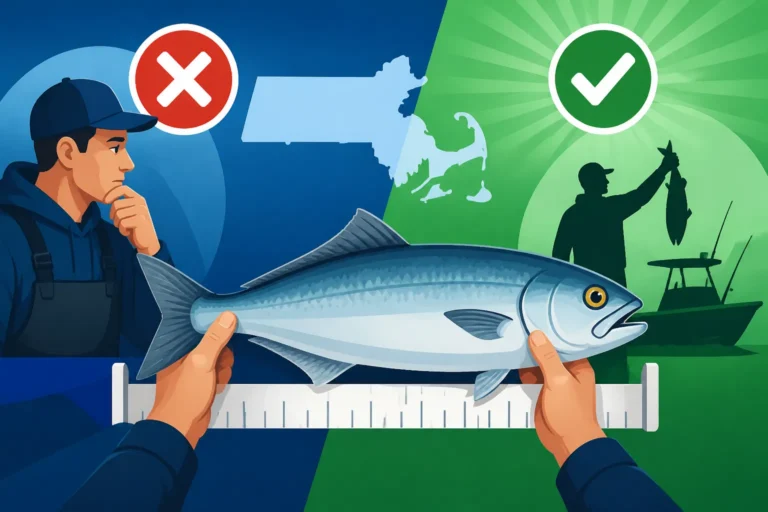
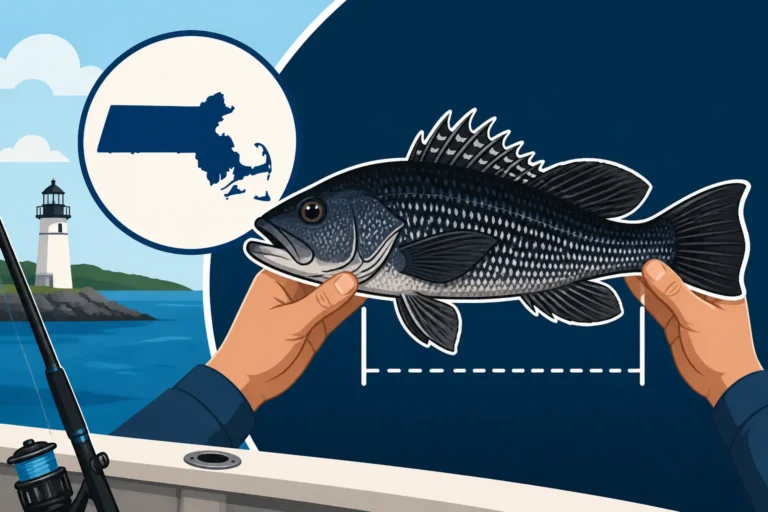
Measuring a striped bass correctly is not just good practice; it's a legal necessity. The measurement for striped bass is taken from the tip of the snout to the end of the tail (total length), with the tail compressed. This means you gently push the tail fin together to get the maximum length.
Here’s a step-by-step guide to ensure accuracy:
- Use a Reliable Measuring Device: A stiff, flat measuring tape or board is best. Flexible tape measures can be inaccurate if the fish is squirming or if you don't lay it perfectly straight. Many tackle shops and online retailers like Amazon sell specialized fish measuring boards that are perfect for this task.
- Lay the Fish Flat: Gently lay the fish on its side on a flat surface, such as a measuring board, boat deck, or even alongside your cooler if you don't have a dedicated board.
- Position the Snout: Place the tip of the fish's snout firmly against the zero-point of your measuring device.
- Compress the Tail: Gently squeeze the tail lobes together (compress them) to achieve the maximum possible length.
- Read the Measurement: Note where the compressed tail tip lands on your ruler or board.
- Quickly Release Illegal Fish: If the fish does not meet the slot limit, unhook it carefully and release it as quickly as possible to maximize its survival chances. Avoid unnecessary handling and keep it in the water as much as possible.
Remember, a fish that is "just barely" in the slot might be borderline, and an enforcement officer might measure it slightly differently. It's always better to err on the side of caution. For more in-depth instruction, read our guide on How to measure a striped bass for the slot limit.
Why These Regulations Are So Important for Striped Bass
You might wonder why these specific rules – one fish, a precise slot limit – are in place. It's not to make fishing harder; it's entirely about conservation and ensuring the long-term health of the striped bass population, which has faced significant challenges over the years. This isn't just a Massachusetts issue; it's a regional effort up and down the Atlantic coast.
The Science Behind Sustainable Harvest
Striped bass are an anadromous species, meaning they spend most of their lives in saltwater but return to freshwater to spawn. They are long-lived and migratory, making their management complex. The "one fish" daily limit directly reduces the overall harvest, giving more fish a chance to survive and contribute to spawning. The slot limit is even more sophisticated:
- Protecting Young Fish: By releasing fish under 28 inches, we allow them to grow to maturity and participate in at least one, if not several, spawning cycles. These younger fish are still developing their reproductive capabilities.
- Protecting Large, Older Breeders: The "less than 31 inches" upper limit protects the largest, most fecund (fertile) females. These older, larger females produce significantly more and healthier eggs than smaller fish, making them incredibly valuable to the population's future. Removing them would have a disproportionately negative impact on spawning success.
These measures are informed by scientific research and population assessments. Anglers who follow these rules are directly contributing to the recovery and sustainability of this beloved species.
The Role of Anglers in Conservation
Every time you head out to fish for striped bass, you become a steward of the resource. Adhering to bag and slot limits is the most direct way to contribute. But beyond that, practicing good catch and release techniques for fish outside the slot is equally important. Using appropriate tackle, landing fish quickly, minimizing air exposure, and handling fish gently (especially avoiding contact with their gills and eyes) can drastically improve their chances of survival. Consider using circle hooks, especially when fishing with bait, as they are proven to reduce gut hooking. You might even find specialized release tools and circle hooks on Amazon that can help ensure a quick and safe release.
Penalties and Best Practices for Angling
Nobody wants to face fines or legal trouble while enjoying a day on the water. Understanding the consequences of violating fishing regulations and adopting best practices can help you stay compliant and enhance your overall fishing experience. The Daily striped bass limit in Massachusetts is something every angler should know by heart.
Consequences of Violating Striped Bass Regulations
Fishing without a proper license or keeping fish that are outside the legal limits can lead to significant penalties in Massachusetts. These aren't just minor slaps on the wrist; they can include substantial fines, confiscation of your gear (including your catch, rods, and even your boat in serious cases), and potentially even suspension of your fishing privileges. Enforcement officers from the Massachusetts Environmental Police regularly patrol coastal waters, rivers, and access points, and they are well-versed in identifying violations. Ignorance of the law is generally not considered a valid defense. It’s far easier and cheaper to simply know and follow the rules. For a comprehensive look at what happens when you don't follow the rules, see our article on Penalties for Fishing Without a License in Massachusetts.
Tips for Responsible Striped Bass Angling
To make your striped bass fishing as enjoyable and compliant as possible, here are some practical tips:
- Stay Informed: Regulations can change. Before each season, or even before a specific trip, double-check the latest Massachusetts Division of Marine Fisheries (DMF) regulations. They publish an annual guide, and you can often find updates on their website. Our guide on the Massachusetts Fishing Regulations Pamphlet, Explained can help you navigate this.
- Carry Your Measuring Device: Always have a reliable measuring tape or board readily accessible. Make sure it's accurate and easy to use, even with a lively fish. Many anglers mark the legal slot directly on their boat or cooler for quick reference.
- Practice Quick Release: If you're planning to catch and release after keeping your one fish, or if you consistently catch fish outside the slot, refine your release techniques. Consider de-barbing hooks to make removal easier and quicker.
- Know Your Location: While the main rules are statewide, certain areas might have specific rules or advisories. For instance, knowing When striped bass season starts in Massachusetts can prevent an early misstep.
- Consider a Fishing License: Ensure you have the appropriate Massachusetts Saltwater Recreational Fishing Permit Explained before heading out. It's a fundamental requirement.
- Think Beyond the Limit: While the limit allows you to keep one fish, there's no rule saying you must keep one. Many dedicated catch-and-release anglers choose to release all their striped bass, further contributing to conservation.
- Respect Other Anglers and the Environment: This goes without saying, but always practice good angling etiquette and leave no trace behind. Pack out what you pack in, and be considerate of others sharing the water.
By understanding and adhering to these rules, you're not just avoiding trouble; you're actively participating in the conservation of one of Massachusetts' most prized fishing resources. Happy fishing!
Disclaimer
This article is for general informational purposes only and does not constitute professional advice. Laws, prices and regulations vary by location and change over time. Consult a qualified professional for guidance on your specific situation.