Are There Atlantic Salmon in Massachusetts?
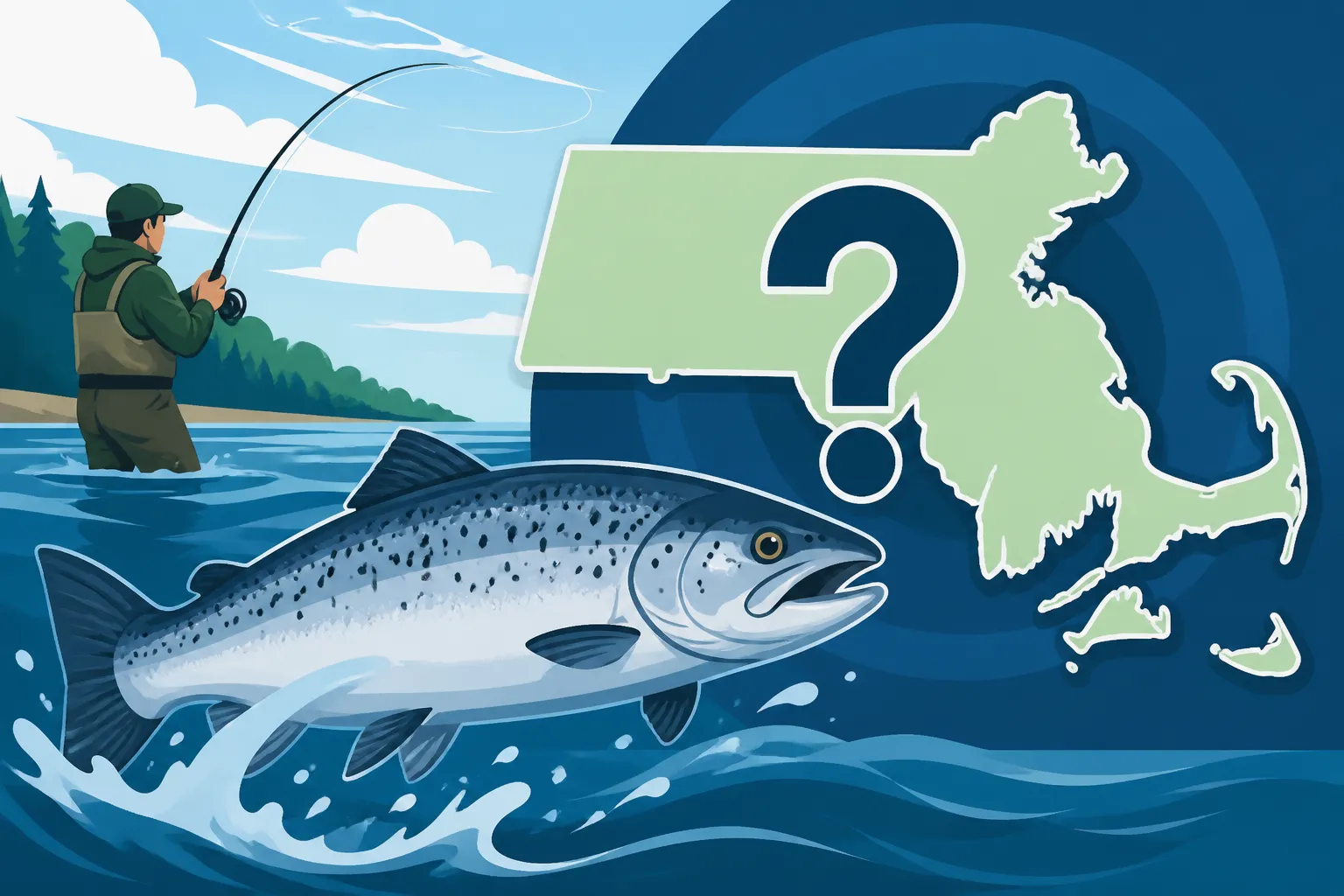
It's a question many passionate anglers ask when they think of prime fishing destinations: "Are there Atlantic Salmon in Massachusetts?" The dream of hooking into one of these magnificent, powerful fish is undeniably alluring. Unfortunately, the simple answer for true, wild, sea-run Atlantic Salmon in the Bay State is that they are incredibly rare, almost non-existent in their historical migratory form. This guide will explore the fascinating, and at times heartbreaking, history of Atlantic Salmon in Massachusetts, the ongoing efforts to bring them back, and where you can find a different kind of salmon angling experience today.
The Historical Presence of Atlantic Salmon in Massachusetts
For centuries, before the industrial revolution dramatically altered our waterways, Atlantic Salmon were a vibrant and essential part of Massachusetts's ecosystems. They were a true icon of our rivers.
A Legacy of Abundance
Imagine a time when rivers like the Connecticut and the Merrimack teemed with powerful, silvery fish making their annual spawning runs from the ocean. This wasn't a fairy tale; it was a reality in Massachusetts for thousands of years. Native American communities relied on these fish as a vital food source, and early European settlers were astonished by their sheer numbers. These anadromous fish, meaning they are born in freshwater, migrate to the ocean to grow, and then return to freshwater to spawn, were a symbol of healthy, interconnected aquatic environments. They were apex predators in their freshwater phases and brought nutrient-rich marine biomass far inland. Their presence supported a whole web of life, from bears and eagles to countless smaller organisms. The stories passed down through generations speak of rivers so full of salmon that you could almost walk across their backs – a stark contrast to today's reality.
The Vanishing Act: Reasons for Decline
Sadly, this era of abundance came to a crashing halt, largely due to human activity. The 18th and 19th centuries brought rapid industrialization to Massachusetts. Factories and mills sprung up along virtually every major river and stream, powering their operations with water. This meant building dams – hundreds of them, large and small. These dams, while crucial for industry, were catastrophic for migratory fish like Atlantic Salmon. They blocked the salmon's pathways to their ancestral spawning grounds upstream, effectively severing their life cycle. A salmon couldn't jump a 30-foot mill dam, and even smaller ones, combined with insufficient or non-existent fish ladders, spelled doom.
On top of the physical barriers, pollution became rampant. Industrial waste, untreated sewage from growing towns, and agricultural runoff poured directly into rivers, degrading water quality to lethal levels for sensitive species. Habitat destruction wasn't just about dams; it included deforestation that led to increased water temperatures and siltation in spawning gravel. Overfishing, though less impactful than habitat loss, also played a role as dwindling populations became easier targets. By the late 1800s and early 1900s, the once-thriving populations of sea-run Atlantic Salmon in Massachusetts were decimated, effectively extirpated from most of their native range. It was a rapid and tragic loss, a powerful lesson in how human progress can inadvertently devastate natural resources.
Reintroduction Efforts and Their Challenges
For decades, state and federal agencies have put immense effort into trying to reverse the historical damage and bring Atlantic Salmon back to their native rivers in New England. It's been a long, often frustrating, but profoundly important endeavor.
The Ambitious Dream of Restoration
The dream of restoring self-sustaining populations of wild Atlantic Salmon is a powerful one, driven by conservationists, biologists, and passionate anglers. Programs led by entities like the U.S. Fish and Wildlife Service, in partnership with MassWildlife and other state agencies, have invested millions into this monumental task. The primary focus has been on major river systems where salmon historically thrived, such as the Connecticut River and the Merrimack River. These efforts typically involve stocking juvenile salmon (smolts) that have been raised in hatcheries, hoping they will imprint on the river, migrate to the ocean, mature, and eventually return to spawn naturally.
A huge component of this work also involves improving fish passage. This means building modern, effective fish ladders or removing outdated, non-essential dams that impede migration. The goal is to create unobstructed pathways for salmon to reach high-quality spawning and rearing habitats that still exist in the headwaters of these river systems. It's a testament to our collective responsibility to rectify past mistakes and restore ecological balance. However, the path to restoration is far from easy, and the challenges are formidable.
Hurdles to Overcome
Despite the dedication and resources poured into restoration, the hurdles for true migratory Atlantic Salmon are immense. One of the biggest challenges remains fish passage. While some dams have been removed or fitted with fish ladders, many significant barriers still exist. Even with modern fishways, the journey is arduous, and not all salmon successfully navigate them, especially when multiple dams are involved. Each dam is a gauntlet, physically taxing and exposing salmon to predators.
Water quality, though vastly improved since the industrial era, is still a concern in some areas, particularly after heavy rainfall when runoff can introduce pollutants or sediment. Predation has also become a more significant factor; as stocked smolts navigate rivers and estuaries, they face increased pressure from birds like cormorants and other fish. The ocean environment itself presents its own mysteries and challenges. Scientists are still working to fully understand what happens to salmon once they reach the vastness of the Atlantic – changes in ocean currents, prey availability, and even increased encounters with predators like seals or commercial fishing operations in international waters can significantly impact survival rates.
And then there's climate change, an overarching threat. Warming river temperatures can stress juvenile salmon, reduce oxygen levels, and alter their migratory timing. It's a complex puzzle with many pieces, and while progress is being made in understanding parts of the salmon's life cycle, establishing a truly self-sustaining, wild population capable of navigating all these obstacles remains one of the grandest conservation challenges.
Where You Might Encounter Atlantic Salmon Today
Given the struggles of migratory Atlantic Salmon, you might be wondering if there's any realistic chance of encountering one in Massachusetts. The answer, while nuanced, offers some hope, particularly in one very specific location.
The Quabbin Reservoir Anomaly
While the story of sea-run Atlantic Salmon in Massachusetts is one of rarity and painstaking restoration, there's a unique and successful chapter involving landlocked Atlantic Salmon. If you're an angler in Massachusetts hoping to target salmon, the Quabbin Reservoir is hands down your best, and really, only, bet. The Quabbin is an anomaly – a massive, pristine drinking water supply that supports a thriving population of landlocked salmon. These aren't the same fish that migrate to the ocean; they complete their entire life cycle within the reservoir and its feeder streams. MassWildlife actively manages this fishery, stocking these salmon and maintaining strict regulations to ensure their health.
The presence of landlocked salmon at Quabbin means that anglers can experience the thrill of catching an Atlantic Salmon right here in Massachusetts. They're hard-fighting, beautiful fish, often silver with dark spots, much like their sea-run cousins. The deep, cold waters of Quabbin, combined with a robust forage base of rainbow smelt, provide the ideal habitat for these impressive fish to grow large and strong. While not the ancestral, ocean-going fish that once filled the Merrimack or Connecticut, they offer a fantastic salmon fishing opportunity. To fish here, you'll definitely need to be familiar with the unique rules and regulations, including Quabbin Reservoir Fishing Permits and Rules in Massachusetts and What license you need to fish at Quabbin Reservoir.
The Rare Sight: Migratory Salmon in Restoration Rivers
Now, for the true sea-run Atlantic Salmon, the ones that begin their lives in freshwater, head to the ocean, and attempt to return: seeing one in a Massachusetts river is an extraordinarily rare event, a privilege few anglers experience. While restoration efforts continue on rivers like the Connecticut and Merrimack, the numbers of returning adults are still incredibly low. For example, some years might see a handful of returning salmon at fish lifts on the Connecticut River, a fraction of historical runs.
These returning salmon are usually part of the ongoing restoration programs, and their journey is carefully monitored. If you are fishing one of these restoration rivers, like the main stem of the Connecticut or Merrimack, and you are fortunate enough to hook an Atlantic Salmon, it is absolutely critical that you understand the rules. These fish are typically protected, and catching one almost always means immediate release. There are strict protocols in place because every returning adult is vital to the fragile recovery efforts. It's a testament to the perseverance of nature and the dedicated work of conservationists that any of these incredible fish make it back at all. For general information on species and limits, you might want to review Massachusetts Recreational Fishing Rules and Bag Limits.
Fishing for Salmon in Massachusetts: Rules and Reality
Understanding the reality of Atlantic Salmon fishing in Massachusetts is key to avoiding disappointment and ensuring you're compliant with regulations. It’s a very different experience than, say, trout fishing.
The Catch-and-Release Imperative
When it comes to true, anadromous Atlantic Salmon in Massachusetts, the rule is unequivocally catch-and-release. These fish are critically endangered in their native rivers, and every single returning adult is a precious resource for potential spawning and genetic diversity. There is generally no open season for retaining wild, migratory Atlantic Salmon in Massachusetts waters. If you happen to hook one in a river like the Connecticut or Merrimack, you must release it immediately and unharmed. This policy is vital to giving these restoration programs any chance of success. This might feel frustrating, especially after a hard fight, but it's part of being a responsible angler and contributing to conservation. Always check the latest MassWildlife regulations, as rules can change, but the conservation of migratory Atlantic Salmon remains a top priority.
However, the situation is different for landlocked Atlantic Salmon, specifically at the Quabbin Reservoir. Here, MassWildlife manages a put-grow-take fishery, meaning you can often keep a limited number of these salmon. The specific Rules for keeping salmon caught at Quabbin Reservoir will detail bag limits, size restrictions, and season dates. These regulations are designed to sustain the fishery while providing angling opportunities. It's crucial to consult the most current fishing regulations pamphlet for Quabbin, as these rules are unique to the reservoir and strictly enforced. Understanding these distinctions is fundamental to ethical and legal salmon fishing in the state.
Gear and Techniques for Landlocked Salmon
If your heart is set on catching an Atlantic Salmon in Massachusetts, your best bet is to focus on the landlocked variety at Quabbin Reservoir. Targeting these fish effectively requires specific gear and techniques, as they often inhabit deeper, colder waters and are keen predators of smelt.
For open water fishing from a boat (which requires a specific Quabbin Reservoir boat permit – see How to get a Quabbin Reservoir boat permit), trolling is a hugely popular and effective method. You'll want medium-action spinning or casting rods, typically 7-8 feet long, paired with reels spooled with 8-12 lb test monofilament or fluorocarbon. Downriggers or lead core line are often essential to get your lures down to the depths where salmon are feeding, especially during warmer months when they retreat to colder water. Popular lures include spoons (like Mooselook Wobblers, Little Cleos, or DB Smelts), stickbaits (such as Rapalas or ThunderSticks), and even small plastic swimbaits that imitate smelt. Trolling speeds will vary, but a slow, steady pace often works best. You can find a wide range of these items on platforms like Amazon if you're looking to stock up before your trip.
Jigging can also be effective, particularly in certain areas or during specific times of year. Vertical jigs or blade baits dropped to the depth where fish are marked on your sonar can entice a strike. Live bait, particularly smelt (if legally obtained and used according to Quabbin regulations), can also be deadly when fished on a weighted hook or under a float near drop-offs.
For shore anglers, targeting landlocked salmon can be more challenging but certainly not impossible. Early spring and late fall, when water temperatures are cooler, bring salmon closer to shore. Casting spoons or stickbaits from points or rocky outcrops can yield results. Fly fishing can also be productive in the tributary streams that feed Quabbin during spawning runs, though regulations here are often even more restrictive, potentially requiring barbless hooks and immediate release. Always remember to check the specific Massachusetts Fishing Seasons Explained and daily catch limits before you head out, and consider consulting resources like Best technique for salmon at Quabbin Reservoir for more detailed tactics.
Anadromous vs. Landlocked Atlantic Salmon in Massachusetts
To clarify the distinct angling experiences available, here's a quick comparison:
| Feature | Anadromous Atlantic Salmon (Sea-Run) | Landlocked Atlantic Salmon (Quabbin Reservoir) |
|---|---|---|
| Habitat | Born in freshwater, migrate to ocean, return to freshwater. | Entire life cycle in large, cold freshwater lakes/reservoirs. |
| Presence in MA | Extremely rare; focus of restoration efforts. | Stocked and managed, provides a viable fishery. |
| Primary Location in MA | Connecticut River, Merrimack River (returning few). | Quabbin Reservoir. |
| Fishing Regulation | Strictly catch-and-release (statewide). | Specific bag and size limits apply (Quabbin only). |
| Conservation Status | Critically endangered (federally protected). | Healthy, managed population within Quabbin. |
| Angling Opportunity | Incidental catch; highly unlikely to target successfully. | Dedicated fishery with good chances of success. |
This table really highlights why, if you want to fish for "Atlantic Salmon" in Massachusetts, Quabbin Reservoir is where you need to be. For broader angling information in the state, don't forget to check out general guides like the Massachusetts Fishing License Guide and Best Fishing Spots in Massachusetts. While the quest for wild, migratory Atlantic Salmon in Massachusetts is largely one of hope and restoration, the thriving landlocked population at Quabbin offers a fantastic and unique opportunity to connect with these magnificent fish.
Disclaimer
This article is for general informational purposes only and does not constitute professional advice. Laws, prices and regulations vary by location and change over time. Consult a qualified professional for guidance on your specific situation.