How big fluke get in Massachusetts waters
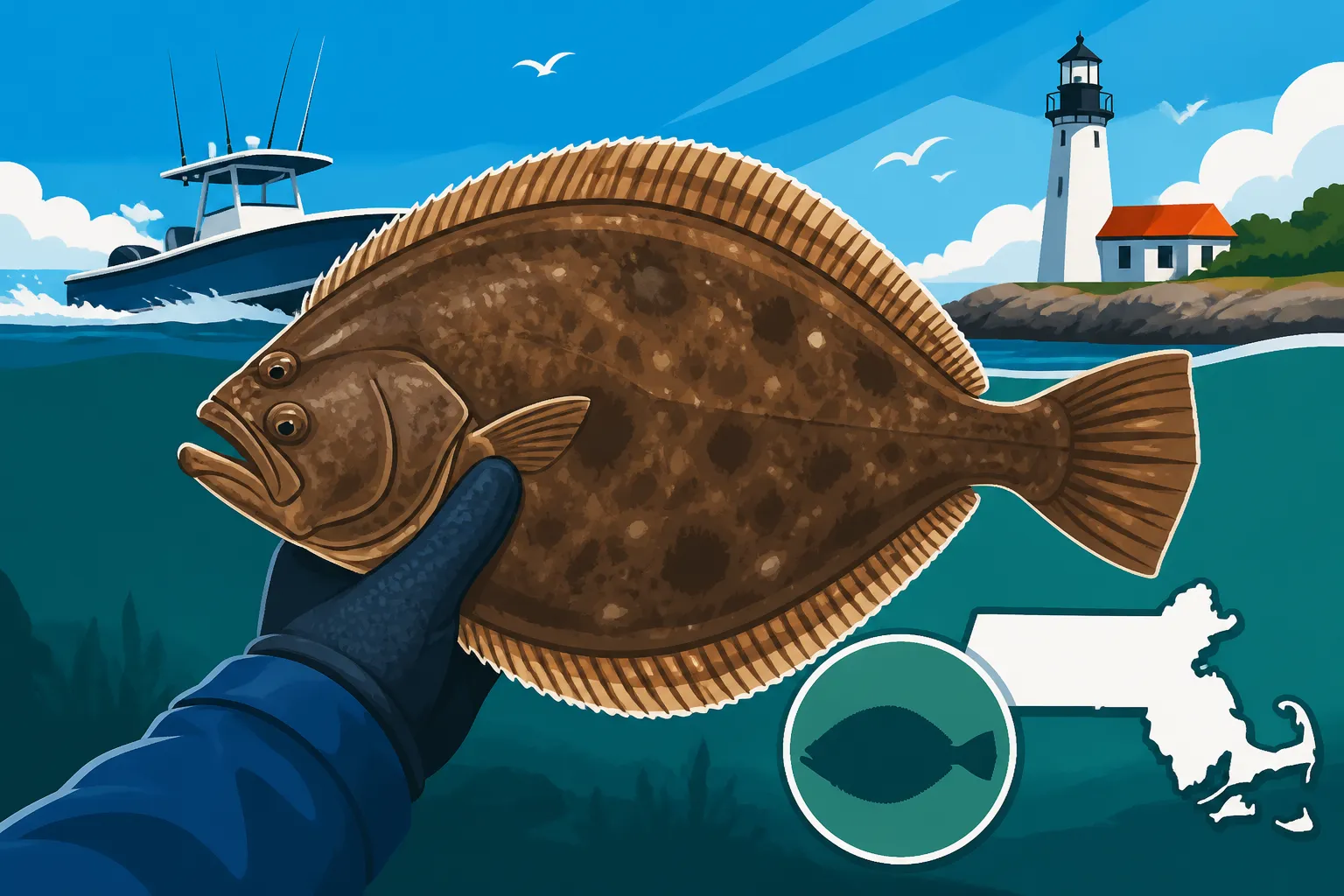
Every angler who's ever dropped a line in Massachusetts waters, especially those of us chasing summer flounder, or "fluke" as we affectionately call them, has pondered the same question: just how big do these flatfish actually get? It’s a common frustration, isn't it? You hear tales of "doormats" and monster fluke, but often you're pulling in pan-sized fish. This guide is here to demystify the maximum size potential of fluke in our local waters, what makes them grow so large, and how those regulations impact what you can legally take home.
The Growth Story of a Massachusetts Fluke
When we talk about fluke, we're really talking about summer flounder, a fascinating flatfish perfectly adapted to ambush prey from the sandy bottom. Their journey from tiny larvae to potential giants is influenced by a lot of factors, and understanding this lifecycle helps us appreciate the sheer size some of these fish can attain.
From Hatchling to Doormat: Fluke Lifespan and Potential
Fluke in Massachusetts waters start out as tiny, symmetrical larvae, eventually undergoing a remarkable metamorphosis where one eye migrates to the other side of its head, and it settles into its flat, bottom-dwelling form. From there, they grow relatively quickly in their early years, feasting on baitfish and crustaceans. A typical fluke will grow several inches each year, especially when food is abundant and water temperatures are favorable.
Most of the fluke you'll encounter on a recreational trip might be in the 15-20 inch range, which are often good eating fish, but not necessarily the "doormats" of legend. However, these fish can live for well over a decade, and during that time, given the right conditions, they can pack on some serious size and weight. While catching a fish over 30 inches is certainly a trophy, it's not unheard of for fluke to exceed that length, pushing into the upper 30s and even hitting the rare 40-inch mark. These true giants often represent older, more established fish that have evaded capture for many seasons, growing steadily larger and wiser. The dream of landing one of these truly massive fluke is what keeps many of us coming back to the water year after year, patiently drifting over promising grounds.
The Role of Diet and Habitat in Fluke Size
A big fluke needs a big diet. These aren't picky eaters, but they are opportunistic predators, and their growth directly correlates with the availability of suitable forage. In Massachusetts, their diet is incredibly diverse, ranging from sand eels and silversides to mackerel, squid, and even smaller bottom fish. When these baitfish populations are thriving, so too are the fluke. Think about areas like Nantucket Sound or Buzzards Bay where there's an abundance of bait; these are often prime spots for larger fish.
Habitat also plays a crucial role. Fluke are masters of camouflage, burying themselves in sandy or muddy bottoms, often near structure like rocky ledges, mussel beds, or even artificial reefs. These areas not only provide excellent ambush points but also tend to hold larger concentrations of bait. A fluke that finds a rich feeding ground with plenty of hiding spots and isn't pressured too heavily can grow consistently. Access to diverse habitats, from shallow bays and estuaries to deeper offshore wrecks and reefs, allows fluke to find optimal feeding and refuge throughout their life, contributing to their impressive growth potential.
Factors Influencing Fluke Size in Massachusetts Waters
It's not just about what they eat or where they live; a whole host of environmental and human factors contribute to how large fluke ultimately grow in our Massachusetts waters. Understanding these can help you better predict where and when you might encounter those larger specimens.
Water Temperature and Food Availability
Fluke are "summer flounder" for a reason – they thrive in warmer waters. As water temperatures rise in the spring and through the summer, their metabolism increases, making them more active and hungrier. This is a critical period for their growth. If we have a prolonged period of warm, consistent water temperatures, coupled with abundant baitfish schools, fluke can experience significant growth spurts. Conversely, a cooler-than-average summer or a scarcity of forage can lead to slower growth rates.
Think about the migration patterns; fluke move into our shallower, warmer coastal waters in spring and summer to feed and spawn, before heading to deeper, offshore waters for the colder months. These seasonal movements are directly tied to temperature and food availability, both essential for reaching impressive sizes. A lot of anglers keep an eye on water temperature charts, much like they would check their Amazon weather app for rain, knowing that the right conditions can make all the difference in finding active, feeding fish.
Fishing Pressure and Management Practices
Let's be real: fishing pressure absolutely impacts the average size of fish we catch. If a particular area sees heavy angling, especially if anglers are effectively targeting and removing larger, older fish, it stands to reason that the average size of the remaining population might skew smaller. Massachusetts, like many coastal states, implements various management practices, including size limits and bag limits, specifically to protect and enhance fish stocks, including fluke. These regulations are designed to allow a certain percentage of fish to reach maturity and spawn, contributing to the next generation, and to allow some to grow to larger sizes.
The minimum size limits, which can sometimes differ for shore anglers versus boat anglers (check out Massachusetts Fluke Size Limits Explained for more specifics), mean that many smaller fluke are released, giving them a chance to grow. While it can be frustrating to release a dozen sub-legal fish, it’s a necessary part of conservation that allows those "doormats" to develop. These regulations are periodically reviewed and adjusted, aiming for a balance between recreational opportunity and sustainable fish populations, which ultimately benefits the growth potential of future fluke.
Massachusetts Fluke Size Limits and Regulations: The Keepers
It’s one thing to talk about how big fluke can get, and quite another to discuss how big they need to be for you to legally take them home. Understanding the current regulations is paramount for any responsible angler fishing in Massachusetts.
The Nuances of Shore vs. Boat Limits
One of the most common points of confusion for fluke anglers in Massachusetts is that the minimum size limit can sometimes vary depending on whether you're fishing from shore or from a boat. This isn't always the case for every species, but for fluke, it has been a consideration in the past, designed to spread out the harvest pressure and account for different fishing experiences. Shore anglers, for example, might have slightly different regulations than those heading offshore on a private vessel or a Massachusetts Party Boat and Head Boat Fishing trip.
It’s crucial to know which rules apply to you before you even cast a line. Imagine you’ve just landed a beautiful fluke that you know is a "keeper" by boat standards, only to realize you’re fishing from a pier and the shore limit is an inch higher! That's a gut punch no one wants. Always consult the most current Massachusetts Marine Fisheries regulations pamphlet, which you can often find online or at tackle shops. This will detail the specific length requirements and daily bag limits, which are subject to change.
Why Size Limits Matter for Fluke Populations
Minimum size limits aren't just arbitrary numbers; they are a critical tool in fisheries management. For fluke, these limits are set to ensure that a significant portion of the population has the opportunity to spawn at least once, if not multiple times, before being harvested. Allowing fish to reproduce helps maintain healthy population levels, which in turn means more fluke for future generations of anglers. If we were to keep every small fluke caught, the reproductive capacity of the stock would be severely diminished, leading to a decline in fish numbers and, consequently, fewer opportunities to catch those larger fish we all dream about.
The regulations also help prevent "growth overfishing," where too many young fish are removed before they've had a chance to grow to their full potential. It's a balancing act: allowing anglers to enjoy their sport while protecting the resource. While it can be tough to release a perfectly good-looking fish, it’s a small price to pay for ensuring the long-term health of our fluke fishery. So, when you're out there, remember that respecting these limits is a direct contribution to keeping our waters stocked with thriving fish populations. For a broader overview of all fishing rules, check out the Massachusetts Recreational Fishing Rules and Bag Limits.
Targeting and Catching Larger Fluke in Massachusetts
Okay, so we know fluke can get big, and we know the rules for keeping them. Now, let’s talk about how you can increase your chances of actually hooking into one of those impressive "doormats" in Massachusetts. It’s a mix of technique, location, and a little bit of patience.
Baits, Lures, and Rigs for Bigger Fluke
To catch bigger fluke, you often need to think like a bigger fluke. They’re looking for a substantial meal. While smaller baits and lures will catch smaller fish, upsizing your offering can make a difference. Live bait is often king when targeting large fluke. Big mummichogs (killifish), peanut bunker, or even small legal squid can be incredibly effective. Many anglers swear by a frisky live bait fished on a traditional three-way swivel rig or a Carolina rig, allowing the bait to swim freely near the bottom.
For artificials, think larger bucktail jigs, often tipped with a Berkley Gulp! Swimming Mullet or a strip of natural bait like squid or real fish belly. Colors like white, chartreuse, or pink are perennial favorites. Jig weights should match the current and depth, allowing your offering to hug the bottom without dragging too much. You can find a huge variety of these proven baits and lures on platforms like Amazon, perfect for stocking up before your next trip. Don't be afraid to experiment, but remember that a larger profile often means a larger fish. Consider the insights from How to Catch Fluke in Massachusetts for more detailed techniques.
Prime Locations and Conditions for Doormats
Catching big fluke isn't usually a random event; it often involves targeting specific types of structure and fishing during optimal conditions. Look for areas with a mix of sandy or muddy bottoms adjacent to some form of structure. This could be rock piles, mussel beds, drop-offs, channels, or even wrecks and reefs. These structures attract baitfish and provide ambush points for predatory fluke. Places like Buzzards Bay, Nantucket Sound, and even certain areas off Cape Cod are renowned for holding good numbers of quality fluke. Best Saltwater Fishing Spots on Cape Cod, Massachusetts might give you some specific ideas.
Tides and currents are also crucial. Fluke often position themselves facing into the current, waiting for food to be swept past them. A strong drift allows you to cover more ground, presenting your bait to a wider area. Many anglers prefer a slower drift, around 0.5 to 1.5 knots, which gives the fluke time to react to your offering without it zooming by too quickly. The best time of year is generally late spring through early fall when fluke are most active in our coastal waters. Pay attention to water depth; while they can be in surprisingly shallow water, many larger fluke are found in slightly deeper channels or near distinct depth changes. Mastering Drift Fishing Techniques for Summer Flounder will be a game changer for finding those big ones.
Essential Gear for Serious Fluke Fishing
Having the right gear makes a huge difference, especially when you hook into a true doormat. You'll want a rod with a sensitive tip to detect subtle bites but enough backbone to handle a powerful fish. A medium to medium-heavy spinning or conventional rod, typically 7 to 7.5 feet long, is a good all-around choice. Pair this with a reliable reel spooled with braided line, which offers superior sensitivity and strength compared to monofilament. A 15-20 lb test braid is common, with a fluorocarbon leader of 20-30 lb test to resist abrasion and provide stealth.
Don't forget the terminal tackle! A good selection of bucktails, jig heads, and appropriate hooks (often 3/0 to 5/0 octopus or Kahle hooks for live bait) are essential. Having a quality landing net with a wide hoop is non-negotiable for securing those big fluke once they come boat-side – trying to swing a 25-inch fluke over the rail often ends in disappointment. You can easily find high-quality fluke rigs, bucktails, and leaders on Amazon, ensuring you're ready for anything.
Here's a quick reference table for general fluke characteristics in Massachusetts:
| Characteristic | Typical Range (Recreational Catch) | Trophy Size (Rare but Possible) | Key Influencing Factors |
|---|---|---|---|
| Length | 15 – 24 inches | 25 – 35+ inches | Age, diet, habitat, water temperature |
| Weight | 1 – 5 lbs | 6 – 15+ lbs | Length, diet, overall health |
| Lifespan | 5 – 10 years | 10 – 15+ years | Fishing pressure, predation, environmental |
| Diet | Sand eels, squid, crustaceans | Larger baitfish (mackerel, bunker) | Abundance of local forage |
| Habitat Preference | Sandy/muddy bottoms, structure | Deeper channels, wrecks, reefs | Food availability, camouflage |
Remember, every time you head out, there’s always that chance of connecting with a truly giant fluke. It's what makes Fluke Fishing in Massachusetts such an exciting pursuit!
Disclaimer
This article is for general informational purposes only and does not constitute professional advice. Laws, prices and regulations vary by location and change over time. Consult a qualified professional for guidance on your specific situation.