Is Cod Fishing Still Allowed in Massachusetts?
Oh, the legendary Atlantic cod! For so many of us who grew up fishing in Massachusetts, cod was a staple, almost a rite of passage. But lately, trying to figure out if you can even still fish for cod in our waters feels like navigating a maze blindfolded. The rules seem to change constantly, leaving many anglers scratching their heads, feeling confused and more than a little frustrated. Well, take a deep breath; this guide is here to untangle the confusion, lay out the current situation for recreational cod fishing in Massachusetts, explain why things are the way they are, and offer some clear paths forward so you can fish with confidence, even if your target isn't always cod.
The Current State of Cod Fishing in Massachusetts: What You Need to Know
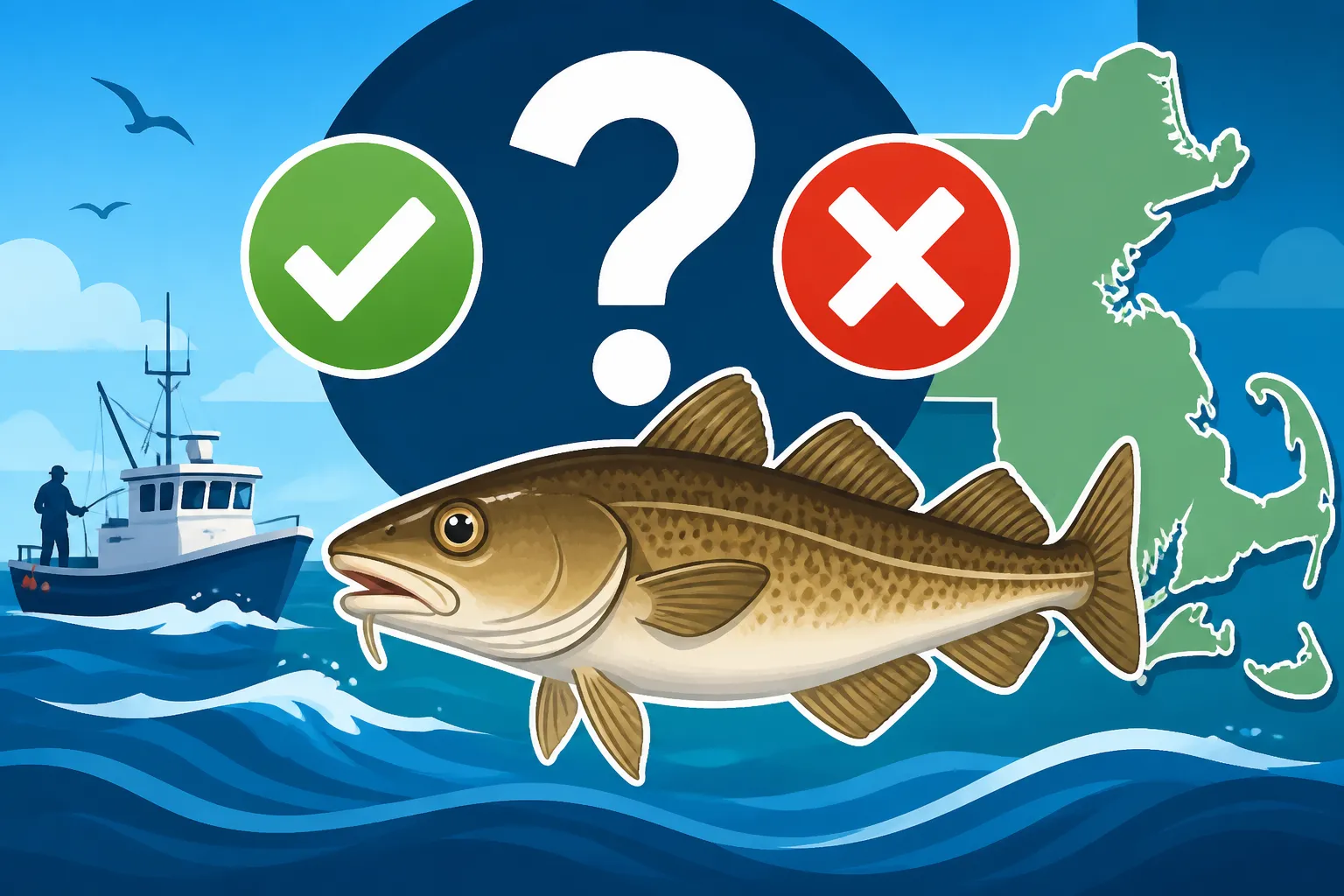
Let's get right to it: the days of heading out from Gloucester or Plymouth with the expectation of filling a cooler with cod are, unfortunately, largely a thing of the past for recreational anglers. The short answer to "Is cod fishing still allowed?" is yes, but under extremely strict and often changing regulations. It’s not a complete ban, but it’s certainly not open season. This distinction is really important, because while you can technically still catch a cod, the circumstances under which you can keep it are incredibly narrow.
Recreational Cod Fishing: Is It Open to You?
For years now, both federal and state agencies have implemented severe restrictions on Atlantic cod due to critically low stock levels, particularly in the Gulf of Maine. This means that recreational anglers in Massachusetts, by and large, face significant limitations. In some years, we've seen outright closures for significant portions of the year, while in others, there might be a brief, highly restrictive open season.
It’s a tough pill to swallow, especially for those of us who remember catching these powerful fish regularly. The problem isn't usually a lack of cod altogether – you might still encounter them while targeting other species – but rather the legal ability to harvest them. The science tells us the stocks need time to rebuild, and that means tough choices for regulators. The result is often a moratorium on retention, or what feels like a blink-and-you-miss-it opportunity to keep even a single fish.
Understanding Catch Limits and Seasons
When recreational cod fishing is permitted, the regulations are typically defined by specific management areas: the Gulf of Maine (which includes most of Massachusetts's inshore waters) and Georges Bank (further offshore). The rules for each area can differ significantly, and both are subject to federal oversight by NOAA Fisheries and the New England Fishery Management Council (NEFMC), with state regulations often mirroring or adding to these federal rules.
Typically, when a recreational season for cod is open, it comes with a tiny bag limit – often just one fish per person per day – and a strict minimum size requirement. These open seasons are usually very short, sometimes only a few weeks out of the entire year, and they are usually highly publicized (or lamented) by the angling community. For example, you might see an announcement that Gulf of Maine recreational cod will be open for a few days in September with a one-fish limit and a minimum length. Missing that narrow window means any cod you catch the rest of the year must be immediately released, regardless of its size. It's a very different scenario from the more liberal Massachusetts Recreational Fishing Rules and Bag Limits you might find for other species.
Commercial Cod Fishing: A Different Ballgame
While this guide focuses on recreational fishing, it's worth noting that commercial cod fishing faces even more stringent rules. Commercial vessels are subject to complex quotas, sector management, and area closures designed to ensure that even the limited commercial harvest contributes to rebuilding efforts rather than further depleting the stocks. These commercial restrictions have profoundly impacted fishing communities, and it's why you rarely see "fresh local cod" on restaurant menus or at fish markets anymore unless it's sourced from healthier stocks outside our region or caught during very specific, small-scale opportunities. The overarching goal, for both recreational and commercial sectors, is the same: to allow the once-bountiful cod populations to recover.
Why Cod Fishing Became So Restricted in Massachusetts
The current state of cod fishing is a direct consequence of a long history of fishing pressure and the biological realities of fish populations. It's a story of abundance, overexploitation, and the difficult, ongoing efforts to bring a keystone species back from the brink. It’s certainly frustrating for us anglers, but understanding the ‘why’ can help put the current rules into perspective.
The History of Cod Overfishing in New England
For centuries, cod was king in New England. The waters off Massachusetts, from the inshore ledges to the offshore banks, teemed with these bottom-dwelling fish. Early European settlers established fishing industries here largely because of the cod. The fishery grew steadily, transforming from sail-powered schooners to powerful trawlers, and eventually, highly efficient commercial fleets. Advancements in fishing technology – from larger nets to sophisticated navigation and fish-finding electronics – meant that fewer fish had places to hide, and more fish could be caught faster than ever before.
This industrial-scale fishing, coupled with less developed scientific understanding and regulatory frameworks at the time, led to a classic case of overfishing. Scientists began noticing declines in the 1980s and 90s, but it took time for the full extent of the problem to be understood and for effective, albeit painful, management measures to be put in place. By the early 2000s, the writing was on the wall: the cod stocks, especially in the Gulf of Maine, were in serious trouble. The long and storied history of cod in our region had reached a critical juncture.
Conservation Efforts and Stock Rebuilding
In response to the alarming decline, federal and state agencies stepped in with increasingly restrictive conservation measures. These efforts are guided by scientific stock assessments that analyze cod populations, reproductive rates, and mortality levels. Based on these assessments, the NEFMC, in coordination with NOAA Fisheries, develops management plans that include everything from harvest limits (quotas) and minimum sizes to gear restrictions and seasonal closures. The goal is to reduce fishing mortality to a level that allows the cod population to grow and recover to a sustainable level.
This isn't a simple or quick fix. Fish populations take time to rebuild, and the process is often hampered by environmental factors like changing ocean temperatures and predation. Anglers often feel the brunt of these changes, and it's completely valid to feel frustrated when you see fish on your sonar but can't keep them. However, these tough decisions are made with the long-term health of the fishery in mind, aiming to ensure that future generations can once again enjoy a robust cod fishery. Without these measures, the iconic Atlantic cod could face an even bleaker future.
The Impact on Anglers and Communities
The severe restrictions on cod fishing have had a ripple effect throughout Massachusetts, touching everything from individual anglers to coastal communities and businesses. For many veteran anglers, the decline of cod fishing represents a loss of tradition and a cherished pastime. They remember the thrill of pulling up a big "market cod" and the delicious meals that followed. Now, a deep-sea fishing trip might still yield a cod or two, but the emphasis has shifted dramatically to other species.
Local bait and tackle shops have had to adapt, stocking more gear for species like haddock, pollock, or even black sea bass which have more consistent seasons. Charter and party boat operators, particularly those specializing in groundfishing, have also faced immense challenges. Many have pivoted to targeting more abundant species or offering different types of trips, recognizing that the demand for pure "cod trips" is no longer sustainable. It's a testament to the resilience of our fishing community, but it doesn't diminish the emotional and economic impact these changes have wrought.
Practical Advice for Cod Enthusiasts and Groundfish Anglers
So, what’s an angler to do when your favorite target is under such tight restrictions? Giving up fishing isn't an option for most of us! Instead, it’s about adapting, staying informed, and perhaps broadening your horizons to other exciting species that inhabit the same cold, productive waters.
Targeting Cod When Regulations Allow
First and foremost, if you truly want to target cod, you must be hyper-aware of the current regulations. These can literally change from year to year, or even within a season, so relying on last year's knowledge is a recipe for disappointment or, worse, a violation. Always check the official Massachusetts Division of Marine Fisheries (MassDMF) website and NOAA Fisheries announcements just before you plan your trip. Pay close attention to the open season dates, minimum size limits, and bag limits for the specific management area you'll be fishing (Gulf of Maine vs. Georges Bank).
When an open season does occur, targeting methods remain consistent:
- Jigging: Vertical jigging with heavy metal jigs (like diamond jigs or Norwegian jigs) is highly effective. You drop the jig to the bottom and work it up and down to attract cod. Many anglers also tip their jigs with a strip of bait like clam or squid for added attraction. You can find robust jigging rods and reels perfect for deep-water groundfishing on Amazon, ensuring you have the right setup for those powerful bottom dwellers.
- Bait Fishing: Traditional bait setups using fresh clams, squid, or even mackerel strips are also very productive. A simple high-low rig with heavy sinkers to reach the bottom is common.
- Location: Cod prefer cold, rocky bottoms, ledges, and wrecks. Look for these features on your sonar or consult local fishing charts. Offshore areas and deeper spots will typically hold more fish.
Remember, even during open seasons, the limits are often very restrictive, so practice good catch-and-release techniques for any fish you can't keep, ensuring they have the best chance of survival.
Exploring Other Groundfish Opportunities
One silver lining to the cod situation is that many other fantastic groundfish species thrive in Massachusetts waters, often in the same areas where you might encounter cod. These species offer excellent fishing opportunities and are delicious table fare, making them superb alternatives.
- Haddock: Often considered the "new cod," haddock are plentiful, strong fighters, and incredibly tasty. They are frequently found on similar bottom structures as cod and respond well to jigs and bait (especially clam). Their regulations are generally much more liberal than cod, with a generous bag limit and consistent season, making them a primary target for many deep-sea charters.
- Pollock: These hard-fighting fish are another great option, often schooling in deeper waters over rocky terrain. They hit jigs and bait aggressively and offer excellent sport.
- Winter Flounder: While not a deep-water groundfish like cod or haddock, winter flounder are abundant in sandy and muddy bottoms closer to shore and are a favorite target in the spring. Their delicate white meat is highly prized. You can find more specific information on Massachusetts fluke minimum size, shore versus boat for flounder species.
- Black Sea Bass: These feisty, colorful fish are a blast to catch and offer some of the best eating in the ocean. They prefer rocky bottoms, wrecks, and mussel beds. While typically found in warmer waters than cod, they overlap in certain areas, particularly on offshore structures. Check out the Massachusetts black sea bass season dates to plan your trip.
Even if cod is off the table, you might want to upgrade your tackle box. Sites like Amazon offer a wide array of jigs, scent strips, and durable leader materials suitable for haddock, pollock, or even big tautog. Having versatile gear means you're ready for whatever the ocean decides to offer.
Staying Informed About Changing Regulations
The most important piece of advice for any angler in Massachusetts, especially concerning species with sensitive stocks like cod, is to always check the latest regulations before you head out. Regulatory agencies like the Massachusetts Division of Marine Fisheries (MassDMF) and NOAA Fisheries are your go-to sources.
- MassDMF Website: This is the official state resource for all Massachusetts fishing regulations. They publish regulatory updates, seasonal changes, and detailed guides.
- NOAA Fisheries Website: For federally managed species like cod, NOAA Fisheries provides the overarching federal rules, which state regulations typically align with.
- Local Bait & Tackle Shops: These are invaluable local resources. Shop owners and staff are often the first to hear about rule changes and can provide practical, real-time advice specific to your fishing area.
- Fishing Regulations Pamphlet: MassWildlife usually publishes an annual pamphlet, often found at license vendors or available online, that summarizes key regulations. While helpful, always cross-reference with online sources for the most up-to-the-minute changes. You can learn more about this essential document in our guide, Massachusetts Fishing Regulations Pamphlet, Explained.
Staying informed is paramount. Consider grabbing a good fishing knot guide or a regional species identification book, many of which are readily available on Amazon, to enhance your knowledge for all types of fishing. This proactive approach will not only keep you compliant but will also help you make the most of your time on the water, targeting species that are currently open and thriving. The rules for Massachusetts Recreational Fishing Rules and Bag Limits are always worth reviewing, especially if you're hitting the open ocean.
We know it's not the cod fishery it once was, and that can sting for those of us who remember the glory days. But by understanding the reasons for the restrictions and being willing to adapt our targets and techniques, we can still enjoy incredible fishing experiences in the diverse and vibrant waters of Massachusetts. For more comprehensive information on getting your license, be sure to check out our Massachusetts Fishing License Guide and if you're hitting saltwater, don't miss our detailed explanation of the Massachusetts Saltwater Recreational Fishing Permit Explained. While we eagerly await the recovery of cod stocks, there's still a whole ocean of opportunity out there!
Disclaimer
This article is for general informational purposes only and does not constitute professional advice. Laws, prices and regulations vary by location and change over time. Consult a qualified professional for guidance on your specific situation.