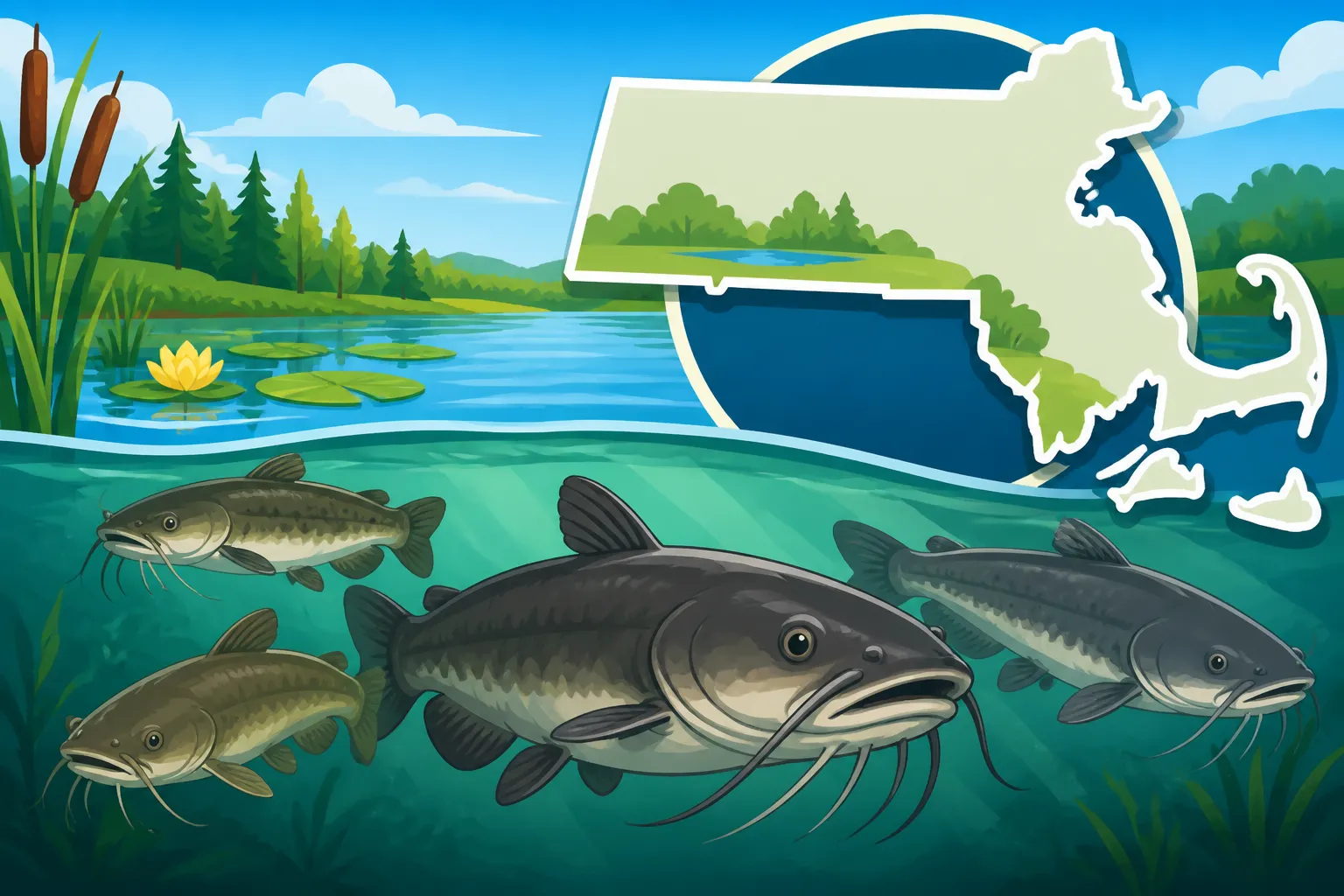
Which catfish species live in Massachusetts ponds
It's a common question among anglers, especially those new to fishing in the Bay State: "Are there even catfish in Massachusetts?" Many associate these whiskered bottom-dwellers with warmer southern waters, imagining murky rivers and giant blues. But I'm here to tell you, Massachusetts absolutely has catfish, and they offer some fantastic fishing opportunities for those willing to seek them out! This guide will dive deep into the specific species you can find, where they like to hang out in our ponds and lakes, and how you can go about catching them.
The Main Catfish Species You'll Find in Massachusetts
When people talk about catfish in Massachusetts, they are almost exclusively referring to two main types: the Channel Catfish and various species of Bullhead. While you might not find the gargantuan flatheads or blue catfish of other regions here, our local catfish provide plenty of fight and fun, especially for recreational anglers and families. Understanding which species you're targeting can definitely help you refine your approach.
Channel Catfish: The Whiskered Warriors
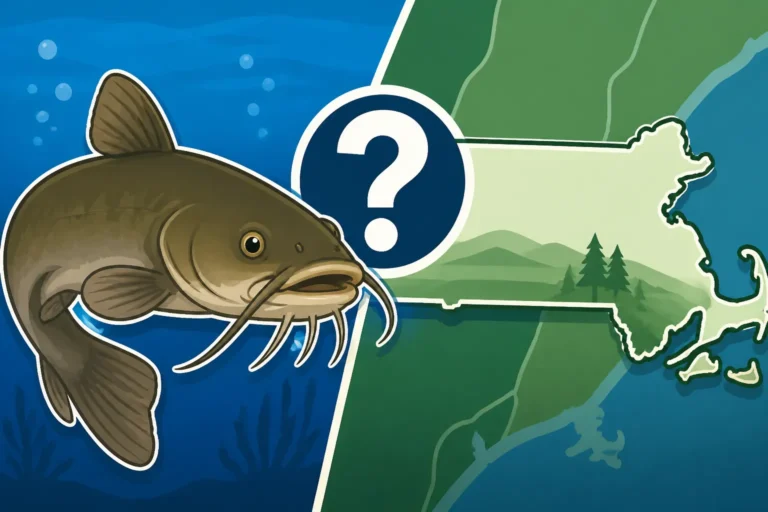
The Channel Catfish (Ictalurus punctatus) is probably the most sought-after catfish species in Massachusetts, and for good reason. These fish are known for their strong fighting ability, decent size, and a surprisingly good reputation on the dinner table. They're often stocked by MassWildlife in various ponds and lakes across the state to provide diverse fishing opportunities.
You can typically identify a Channel Catfish by its deeply forked tail, smooth, scaleless skin, and those tell-tale barbels (whiskers) around its mouth. Their coloration can vary, from olive-green to silvery-gray, often with scattered dark spots, especially when they're younger. As they mature, these spots might fade. They are true omnivores, eating everything from insects and crustaceans to smaller fish and even vegetation. This varied diet makes them adaptable to many environments and, thankfully, quite eager to bite a variety of baits. If you're wondering How big channel catfish get in Massachusetts, you'll be happy to know they can reach impressive sizes here, often weighing several pounds, with some trophy catches pushing double digits! They offer a powerful tug on the line that can really get your heart pumping.
Bullhead Catfish: The Hardy Bottom-Dwellers
Massachusetts is home to several species of bullheads, with the Brown Bullhead (Ameiurus nebulosus) being the most prevalent, though you might also encounter Yellow Bullheads (Ameiurus natalis) and even a few Black Bullheads (Ameiurus melas) in certain areas. These are the smaller, stouter cousins of the channel catfish, but don't let their size fool you; they can be incredibly feisty and are an absolute blast to catch.
Bullheads are easily distinguished from channel catfish by their square or slightly rounded tail, as opposed to the deeply forked tail of a channel cat. Their bodies are typically dark brown, olive, or yellowish, and they usually lack the spots seen on younger channel catfish. Like their larger relatives, they have smooth, scaleless skin and prominent barbels. Bullheads are incredibly hardy fish, capable of tolerating lower oxygen levels and murkier waters than many other species. This makes them common inhabitants of many shallow, weedy ponds and slow-moving rivers throughout the state. They're also less picky eaters, willing to gobble up almost anything that fits in their mouth. Many anglers specifically target bullheads for their sheer abundance and the reliable action they provide, especially for kids or beginners. You might even find yourself asking Are Bullhead Catfish Native to Massachusetts?, and the answer is yes, they've been a staple of our freshwater systems for a long, long time.
Where Massachusetts Catfish Love to Call Home
Knowing what species you're after is just the first step; knowing where to find them is key. Catfish, whether channel cats or bullheads, generally prefer similar types of habitats, though channel catfish often thrive in larger, deeper bodies of water, while bullheads are perfectly content in smaller, shallower, and sometimes less pristine ponds.
Ideal Habitats for Channel Catfish
Channel catfish in Massachusetts tend to favor lakes, larger ponds, and slower sections of rivers with soft, muddy, or sandy bottoms. They appreciate areas with some structure, such as submerged logs, weed beds, rock piles, or even artificial structures like old tires or sunken boats. These spots offer cover from predators, ambush points for prey, and comfortable resting areas.
For instance, some of the larger, deeper ponds and lakes across Massachusetts are regularly stocked with channel catfish, and these are often your best bets. Places like Lake Quinsigamond near Worcester, parts of the Connecticut River, and larger impoundments are known for their channel cat populations. They are often most active during low-light conditions, like dusk, dawn, or even throughout the night, especially in warmer months. During the day, they might retreat to deeper holes or dense cover. Best Freshwater Ponds and Lakes in Massachusetts will often highlight spots where these whiskered wonders thrive.
Prime Locations for Bullhead Catfish
Bullheads are far less particular about their accommodations. You'll find them in virtually any pond, lake, or slow-moving stream across Massachusetts, from small farm ponds to large recreational lakes. They are incredibly adaptable and can tolerate a wide range of water conditions, including those that might be less appealing to other game fish.
Look for bullheads in shallow, weedy coves, muddy flats, and slow-moving backwaters. They don't need significant depth and often congregate near lily pads, submerged vegetation, or any cover that provides shade and a sense of security. They are particularly active after dark, but unlike channel cats, they are often quite willing to bite throughout the day, especially in overcast weather or in water with some turbidity. Many small, local ponds that might not be renowned for trout or bass fishing can be absolute bullhead hotspots, making them perfect for a casual afternoon outing with the family. You might even find them in surprising numbers in urban ponds.
Gear and Techniques for Massachusetts Catfish
Catching catfish in Massachusetts doesn't require a huge investment in specialized gear, which is part of their appeal. A basic spinning setup is often all you need, along with some commonly found baits.
Essential Gear for Catfishing
- Rod and Reel: A medium-action spinning rod, about 6-7 feet long, paired with a reliable spinning reel spooled with 8-15 pound test monofilament or braided line, is perfectly adequate for most Massachusetts catfish. You don't need anything too heavy-duty unless you're specifically targeting the biggest channel cats in deep water. You can find excellent, affordable options on Amazon that will get the job done.
- Hooks: Circle hooks are highly recommended for catfish. They are designed to hook fish in the corner of the mouth, which minimizes gut-hooking and makes releasing fish much easier if you choose to do so. Sizes from 2/0 to 4/0 are generally good for channel cats, while smaller sizes like #2 or #1 are better for bullheads.
- Sinkers: A few split shot or egg sinkers (1/4 to 1/2 ounce) will help get your bait to the bottom. The weight will depend on how much current there is and how far you need to cast.
- Bobbers/Floats: While many catfish anglers prefer to fish directly on the bottom, a slip bobber can be very effective, especially when fishing near structure or in areas where you want to keep your bait just off the bottom or suspended in a specific depth.
- Other Essentials: Don't forget a pair of pliers for hook removal, a small cooler with ice if you plan to keep any fish, and a towel to handle the slimy fish. A headlamp is also invaluable if you're fishing after dark, which, as we discussed, is often prime time.
Baits That Catfish Can't Resist
Catfish are opportunistic feeders, meaning they'll eat just about anything that looks, smells, or feels like food. This makes them relatively easy to bait.
- Worms: Nightcrawlers or earthworms are classic catfish baits and consistently effective for both channel cats and bullheads. A big juicy gob of worms on a hook is hard for any bottom-feeder to resist. You can find these at almost any bait shop or even dig them up in your own backyard!
- Cut Bait: Chunks of oily fish like mackerel, herring, or even smaller panfish (check local regulations on using live/dead baitfish) are fantastic for channel catfish. The scent trail they leave in the water is a powerful attractant.
- Stink Baits: Commercial stink baits, dough balls, and prepared catfish baits are designed specifically to appeal to a catfish's strong sense of smell. There are countless varieties out there, some of which are very effective. Many anglers swear by these, especially for channel catfish.
- Chicken Livers: A time-honored favorite, chicken livers are incredibly smelly and soft, making them irresistible to catfish. The downside is they can be tricky to keep on the hook, so many anglers use small pieces and thread them on carefully or use bait holders.
- Other Options: Hot dogs, corn, shrimp, and even marshmallows can surprisingly entice a bite from a curious catfish, particularly bullheads. Don't be afraid to experiment! For specific recommendations, check out Best bait for channel catfish.
| Species | Typical Size (Massachusetts) | Tail Shape | Preferred Habitat | Best Time to Fish | Common Baits |
|---|---|---|---|---|---|
| Channel Catfish | 1-10 lbs (can be larger) | Deeply Forked | Larger lakes, ponds, slow rivers; soft bottom, structure | Night, Dawn/Dusk | Cut bait, Stink bait, Worms, Chicken Livers |
| Brown Bullhead | 0.5-2 lbs | Rounded/Square | Smaller ponds, shallow weeds, muddy bottoms, slow streams | Day & Night | Worms, Corn, Hot dogs, Small cut bait |
| Yellow Bullhead | 0.5-2 lbs | Rounded/Square | Similar to Brown, often in clearer waters | Day & Night | Worms, Corn, Small cut bait |
Catfishing Techniques
- Bottom Fishing: This is the most common and often most effective method. Rig your line with a sinker heavy enough to hold your bait on the bottom, a swivel, and a leader with your hook. Cast it out, let it sink, and wait for a bite. Keep your rod in a holder or watch your line carefully for any movement.
- Slip Bobber Rig: For fishing over submerged structure or if you want to keep your bait off a particularly mucky bottom, a slip bobber allows you to adjust your bait's depth while still casting a good distance. Set the bobber stop so your bait is suspended a few inches to a foot or two off the bottom.
- Patience is Key: Catfish, especially larger ones, can sometimes be subtle biters. Don't be too quick to set the hook at the first tap. Let them take the bait firmly before reeling in the slack and setting the hook with a steady sweep of the rod.
Remember, fishing regulations in Massachusetts require you to have a valid fishing license. Make sure you understand the rules for freshwater fishing, which species are open, and any specific bag limits for catfish. You can find all the details in the Massachusetts Freshwater Fishing License Costs and Rules guide, or learn How to Buy a Massachusetts Fishing License Online.
Why Catfish are a Great Target for Massachusetts Anglers
Beyond just being present, catfish offer a unique and rewarding fishing experience that many Massachusetts anglers overlook. They're a fantastic species to target for a multitude of reasons, appealing to everyone from seasoned veterans to those just getting their feet wet.
Abundant and Accessible Fishing
One of the biggest advantages of fishing for catfish in Massachusetts is their sheer abundance and accessibility. As we've discussed, bullheads are virtually everywhere, and channel catfish are stocked in many popular spots. This means you don't always have to travel far or have specialized equipment to find them. Many local ponds and lakes, especially those that might be overlooked by trout or bass enthusiasts, can hold thriving populations of catfish. This accessibility makes them perfect for impromptu fishing trips after work or quick weekend outings with the kids. In fact, if you're looking for simple, consistent action, catfish are often your best bet.
They're also generally less finicky than some other popular game fish. While conditions always play a role, a well-placed, smelly bait on the bottom is often too much for a hungry catfish to pass up. This makes them a great confidence booster for beginners, who can often get bites much more readily than when targeting more elusive species. You'll definitely want to check the Massachusetts Freshwater Daily Catch Limits before your trip to know what you can keep.
Excellent Table Fare
While often maligned, catfish, especially channel catfish from clean Massachusetts waters, are truly delicious. Their firm, white, flaky meat stands up well to frying, baking, or grilling. Many anglers swear by a classic cornmeal breading and deep fry, producing a crispy exterior and tender, flavorful interior. The key, as with any fish, is proper handling after the catch: get them on ice quickly, clean them thoroughly, and cook them fresh.
Bullheads, though smaller, also make fine eating. Some people find them a bit more "muddy" in taste, but many swear by their flavor, especially when filleted and fried. It’s all about personal preference and how they're prepared. If you're looking to bring home a fresh catch for dinner, Massachusetts catfish offer a sustainable and tasty option.
Fun for the Whole Family
Catfishing is one of those activities that truly shines as a family-friendly outing. Because they're often found in accessible spots and are relatively easy to catch, kids don't have to wait long for action. The strong pull of a channel cat on the line is an exhilarating experience for anglers of all ages, and even the smaller bullheads offer a spirited fight. Plus, the simple setup required means you don't need a boat or complex casting techniques. A bucket, some worms from Amazon, and a few basic rods are all you need for a memorable day on the water.
It's also a great way to introduce younger anglers to the joys of fishing without the pressure of catching a trophy fish every time. The anticipation, the feel of a bite, and the excitement of reeling in a fish – even a modest bullhead – can spark a lifelong love for the outdoors. Plus, handling the unique texture and whiskered face of a catfish is always an adventure!
So next time you're planning a fishing trip in Massachusetts, don't overlook our resident catfish. They might not be the flashiest fish in the pond, but they offer consistent action, a strong fight, and a delicious meal.
Disclaimer
This article is for general informational purposes only and does not constitute professional advice. Laws, prices and regulations vary by location and change over time. Consult a qualified professional for guidance on your specific situation.