Where to catch false albacore near Cape Cod
Ah, the false albacore! If you've ever spent time fishing the waters around Cape Cod in the late summer and fall, you know the thrill – and often the frustration – of pursuing these incredibly fast and powerful little tuna. They show up, they blast bait, they disappear just as quickly, leaving you wondering where they went and if you'll ever get a cast in front of them. This guide is here to cut through that mystery, sharing exactly where to focus your efforts to find and hook into some of these amazing speed demons in the waters off Massachusetts.
Understanding False Albacore and Their Habitat Around Cape Cod
False albacore, often affectionately called "albies" by local anglers, are a seasonal highlight in Massachusetts waters, especially around Cape Cod. They represent a unique challenge and an exhilarating reward, providing some of the most heart-pounding light tackle action you can find. But to catch them, you first need to understand them – their habits, their preferences, and what makes them tick.
The Elusive Nature of "Albies" and Why They Come Here
One of the biggest frustrations for anglers new to albie fishing is just how darn elusive these fish can be. You'll see massive schools of baitfish getting absolutely annihilated on the surface, casting a frenzy of birds and splashes, only for it to vanish before you can even get a lure in the water. This isn't just bad luck; it's the nature of the beast. False albacore are pelagic, highly migratory fish that move quickly, following dense schools of baitfish like bay anchovies, silversides, and peanut bunker. They come to our productive inshore waters off Cape Cod in late summer and early fall because the bait concentrations are incredibly high, providing a crucial feeding ground before they head south for the winter.
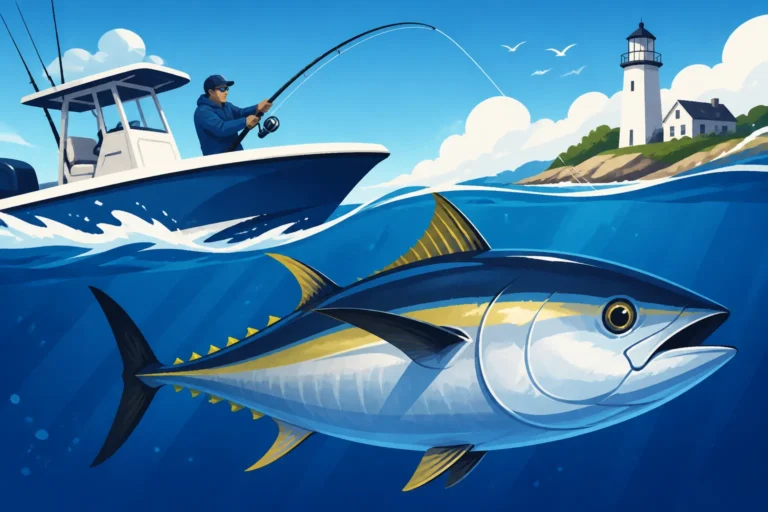
Their speed and agility are legendary. When hooked, they peel line off a reel at an astonishing rate, making powerful, sustained runs that test even the most experienced angler's drag setting and tackle. They don't have the commercial value of their larger tuna cousins, which makes them purely a sportfish – and what a sportfish they are! Their arrival signals a special time of year for many inshore anglers, a brief window where light tackle goes head-to-head with pure aquatic muscle.
Key Indicators of Albie Presence
Spotting false albacore isn't about looking for one big splash; it's about observing the entire ecosystem around you. The most tell-tale sign of albies, or any predatory fish, is bird activity. Look for terns and gulls diving purposefully into the water, often in tightly packed groups, indicating that baitfish are being pushed to the surface from below. Sometimes it's just a quick "pop" where a fish crashes bait, and then it's gone. Other times, it's a full-blown "boil" where the water looks like it's literally boiling with bait and feeding albies.
Another key indicator is the appearance of small, dark baitfish schools, often shimmering just beneath the surface or dimpling the water as they try to evade predators. Keep an eye on sonar if you're in a boat; dense schools of bait can appear as large, dark clouds on your screen. The presence of other predators, like bluefish or even striped bass, can also be a good sign. Albies sometimes feed alongside these fish, though they typically prefer smaller, more refined bait presentations. Learning to differentiate the splashes can take time – bluefish tend to be more chaotic and destructive, while albies are often faster, more precise, and create a "nervous" water appearance rather than a violent thrashing.
Preferred Water Conditions and Structure
False albacore prefer clear, clean water, typically with temperatures ranging from the mid-60s down into the low 60s Fahrenheit. While they are pelagic, they often congregate around certain types of structure that funnel or concentrate baitfish. These can include points, rips, shoals, and even the mouths of harbors or estuaries where current pushes bait out into open water. They thrive in areas with strong tidal flow, as currents naturally concentrate bait, making it easier for them to ambush their prey.
One common scenario is finding them on the edges of strong rips, where moving water creates turbulent seams. Baitfish get disoriented or trapped in these current lines, becoming easy targets. Shallow flats adjacent to deeper channels can also be productive, as albies will push bait up onto these shallower areas before corralling and attacking them. They are less likely to be found in murky, stagnant water. Understanding these preferences helps narrow down the vastness of the ocean, allowing you to focus your efforts on areas where the conditions are most favorable for a feeding frenzy. Best time of year for false albacore fishing will greatly depend on these conditions aligning.
Top Locations for False Albacore on Cape Cod
Cape Cod, with its unique geography and rich baitfish populations, offers several prime locations for false albacore fishing. Knowing where to go is half the battle, and these spots consistently produce opportunities for anglers looking to tangle with these speedsters.
| Location Category | Key Features | Accessibility | Best for | Typical Timing |
|---|---|---|---|---|
| Buzzards Bay | Strong currents, rocky structure, sheltered bays | Boat & Shore (limited) | Boaters, fly anglers | Mid-Sept to Late Oct |
| Outer Cape | Open ocean, rips, shoals, dramatic beaches | Boat & Shore (surf) | Boaters, surfcasters | Late Aug to Mid Oct |
| Nantucket Sound | Shoals, sandy bottom, strong tides | Primarily Boat | Boaters, sight fishing | Early Sept to Late Oct |
| Martha's Vineyard | Similar to Nantucket Sound, specific rips & points | Primarily Boat | Boaters, sight fishing | Early Sept to Late Oct |
Buzzards Bay Hotspots
Buzzards Bay, particularly the eastern side closer to the Cape Cod Canal and the Elizabeth Islands, is a fantastic area for false albacore. The bay's complex bottom structure, numerous islands, and strong tidal currents create perfect conditions for bait concentration and albie ambush points. Look for rips and rocky outcrops where currents accelerate and bait gets trapped. Places like the waters around Woods Hole, the rips off Cuttyhunk and the other Elizabeth Islands, and even certain sections along the mainland shore can hold significant numbers of albies when they're present.
Fishing from a boat is usually the most effective way to cover ground and reach the best rips in Buzzards Bay. Anglers often motor around, scanning the horizon for bird activity or visual disturbances on the water. When a school pops up, it's a race to get a cast in before they submerge. Shore access in Buzzards Bay for false albacore is more limited due to private property and the depth requirements, but persistent anglers can sometimes find success from jetties or public access points, especially those with strong tidal flow and deep water access. Checking out Buzzards Bay Fishing Guide, Massachusetts can provide even more context on this productive area.
Outer Cape and Nantucket Sound Opportunities
The Outer Cape, stretching from Monomoy Island up towards Provincetown, offers a different kind of albie fishing. Here, it's often more about open water and expansive beaches, though rips and shoals are still critical. Areas like the rips off Monomoy, south of Chatham, are legendary for false albacore. These waters are often fished by boat, as the shoals and shifting sands can be treacherous for those unfamiliar with them. When albies are working bait on the surface here, the action can be explosive.
Nantucket Sound, specifically the areas closer to Martha's Vineyard and Nantucket, also holds excellent opportunities. Look for shoals and rips that break up the generally sandy bottom. The strong tides here can concentrate baitfish, drawing in albies. Key areas include the rips around Muskeget Island and various unnamed shoals throughout the Sound. Sight fishing in the clear, shallower waters of Nantucket Sound can also be incredibly effective on calm days, allowing anglers to spot cruising schools before they even start busting bait. Many charter captains operating out of Falmouth, Hyannis, or Harwich will target these areas.
Martha's Vineyard and Surrounding Waters
Martha's Vineyard and its surrounding waters are perhaps the most famous and consistently productive areas for false albacore on Cape Cod. The island's geography, with its myriad points, rips, and rocky shorelines, creates an ideal environment. The waters off the Vineyard, including the infamous "Wasque Rip" and the numerous points on the island's south shore, are prime territory. Anglers often launch boats from Falmouth or other upper Cape ports and make the run across Vineyard Sound.
The accessibility from shore on Martha's Vineyard is also a major draw. Public access points, particularly around the famous "Jaws" bridge (American Legion Memorial Bridge) in Edgartown, and various beaches with deep water access, can offer fantastic shore-based opportunities. Surfcasters equipped with long casting rods can often reach breaking schools of albies from these locations. However, the competition can be fierce, especially when the fish are in. The key, whether from boat or shore, is stealth and observation. Patience is truly a virtue here, waiting for the brief windows when the albies appear within casting range. You might even find opportunities near the island by checking out Martha's Vineyard and Nantucket Fishing Charters in Massachusetts.
Essential Gear and Techniques for Albies
Successfully catching false albacore isn't just about finding them; it's about being prepared with the right tackle and employing the correct techniques. These fish are notorious for being finicky and fast, so your gear needs to be up to the task.
Rods, Reels, and Lines for Fast-Paced Action
When targeting false albacore, you want a rod and reel setup that's light enough for repeated casting but powerful enough to handle their blistering runs. A spinning rod in the 7 to 8-foot range, rated for 1/2 to 1.5 ounces, is a popular choice. Match this with a high-quality spinning reel in the 3000 to 4000 series. The reel's drag system is paramount – it needs to be smooth and consistent to prevent break-offs when an albie makes its first screaming run. Nobody wants to lose a fish because of a sticky drag!
For line, a braided main line of 15 to 20 pounds is ideal. Braid offers incredible casting distance, sensitivity, and strength relative to its diameter. However, false albacore have excellent eyesight and can be leader-shy, so you'll need a fluorocarbon leader. A 15 to 20-pound test fluorocarbon leader, about 3 to 5 feet long, is a good starting point. Connect your braid to your leader using a strong knot like an FG knot or an Albright knot – practice these at home, because you don't want to be fumbling with knots when a school of albies erupts! For those looking to stock up on reliable braided line or fluorocarbon leaders, Amazon offers a wide selection from reputable brands, making it easy to prepare for your next trip. Remember, line quality truly matters with these fish.
Lure Selection: Matching the Hatch
False albacore are incredibly focused feeders, and often key in on the size, shape, and color of the bait they are currently pursuing. This means "matching the hatch" is crucial. The primary baitfish in our waters are typically small bay anchovies, silversides, and peanut bunker. Therefore, your lures should mimic these small baitfish. Small metal jigs, often called epoxy jigs or resin jigs, in sizes ranging from 1/4 to 3/4 ounce, are incredibly effective. Colors like olive, white, silver, pink, or chartreuse can all be deadly, depending on what the albies are feeding on.
Soft plastic lures, particularly those that can be retrieved quickly and mimic a fleeing baitfish, also work wonders. Small paddle tail shads or jerk shads rigged on a light jig head can be very enticing. Fly anglers will find success with small, sparse patterns like the Bonito Bunny, Surf Candy, or various silverside imitations. Always carry a variety of sizes and colors in your tackle box. It's not uncommon to find a school of albies that will only hit one specific lure on a given day, so having options increases your chances of success. You can find a vast array of these specialized albie lures, including epoxy jigs and soft plastics, on Amazon, often with detailed reviews from other albie enthusiasts.
Effective Casting and Retrieval Strategies
Once you've spotted the albies and have your gear ready, your casting and retrieval technique becomes paramount. These fish are fast, and they're constantly on the move. When you see a school busting, aim your cast ahead of the moving fish, allowing your lure to sink slightly into the feeding zone before the school reaches it. A direct cast into the middle of a frenzy can sometimes spook the fish, causing them to sound.
The retrieve is often a high-speed burn. False albacore are pursuit predators, and they'll chase down a lure moving at a frantic pace. Reel as fast as you can, sometimes with a few twitches or pauses to imitate a wounded baitfish. Experiment with the retrieve speed and action; some days they want a constant retrieve, other days a rapid crank-and-pause works best. If you're on a boat, use the boat's drift or motor to position yourself for the best angle to cast into the feeding fish. For those pursuing these speedsters from shore, knowing How to surf cast on Cape Cod beaches effectively can make all the difference, especially when you need to cover a lot of water. If you're using a boat, a good set of polarized sunglasses, easily found on Amazon, will help you spot subtle changes in the water and approaching fish.
Timing Your Hunt: Seasons and Conditions
While false albacore are a highly sought-after species, they are also migratory, meaning their presence is dictated by specific seasons and environmental conditions. Knowing when to go and what to look for can significantly increase your chances of success.
The Peak Season for False Albacore
The false albacore season around Cape Cod is relatively short but incredibly intense. They typically begin to show up in late August, with the peak season usually running from mid-September through October. As water temperatures begin to cool from their summer highs, and baitfish schools consolidate and move closer to shore, the albies follow. Some years, they may linger into early November if the weather remains mild, but generally, by Thanksgiving, most of them have begun their southward migration.
This narrow window means that dedicated anglers often clear their schedules to take advantage of prime conditions. The early fall offers some of the most beautiful weather in Massachusetts, making a day on the water chasing albies a truly memorable experience, even if the fish are playing hard to get. Planning your trips around this peak season is essential, as venturing out too early or too late will likely result in disappointment. The Massachusetts Saltwater Fishing Seasons article provides a broader context for what other species you might encounter during this exciting time of year.
Tides, Weather, and Their Impact
False albacore fishing is highly dependent on both tides and weather. Strong tidal flow is almost always a good thing, as it concentrates baitfish and creates the rips and current seams that albies love to ambush from. Incoming and outgoing tides can both be productive, but the peak of the tide change – whether high slack or low slack – often sees a lull in activity as the current slows. The hour or two leading up to and immediately after the peak of the current are often the most productive.
Weather plays a significant role as well. Calm, sunny days with light winds are often ideal, as they make it easier to spot breaking fish and allow for better casting accuracy. However, albies can still feed in choppier conditions, especially if bait is abundant. Overcast days can sometimes extend the feeding window, as the fish are less wary of surface predators. Avoid days with heavy rain or strong, sustained winds, as these conditions can make spotting fish impossible and fishing uncomfortable, if not unsafe. Monitoring local marine forecasts is a crucial step for any successful albie hunt.
Early Morning vs. Late Afternoon Bites
Just like many other predatory fish, false albacore often exhibit feeding patterns that are tied to the time of day. The early morning bite, from first light until a few hours after sunrise, can be absolutely epic. The lower light conditions often make the albies bolder, and they will frequently push bait right up against the shore or in very shallow water. This is when shore anglers can have some of their best opportunities. The water is usually calmer, and the fish seem to be more active after the night's rest.
Similarly, the late afternoon and evening hours, as the sun begins to dip towards the horizon, can also ignite a strong bite. The diminishing light can again increase their aggression, and you'll often see them feeding right up until dusk. Mid-day can be hit or miss; sometimes they'll feed steadily all day if the bait is exceptionally dense, but more often, they'll become sporadic and more challenging to locate during the brightest hours. Planning your trip to coincide with these prime feeding windows can significantly increase your chances of a successful and memorable day chasing these incredible fish.
Disclaimer
This article is for general informational purposes only and does not constitute professional advice. Laws, prices and regulations vary by location and change over time. Consult a qualified professional for guidance on your specific situation.