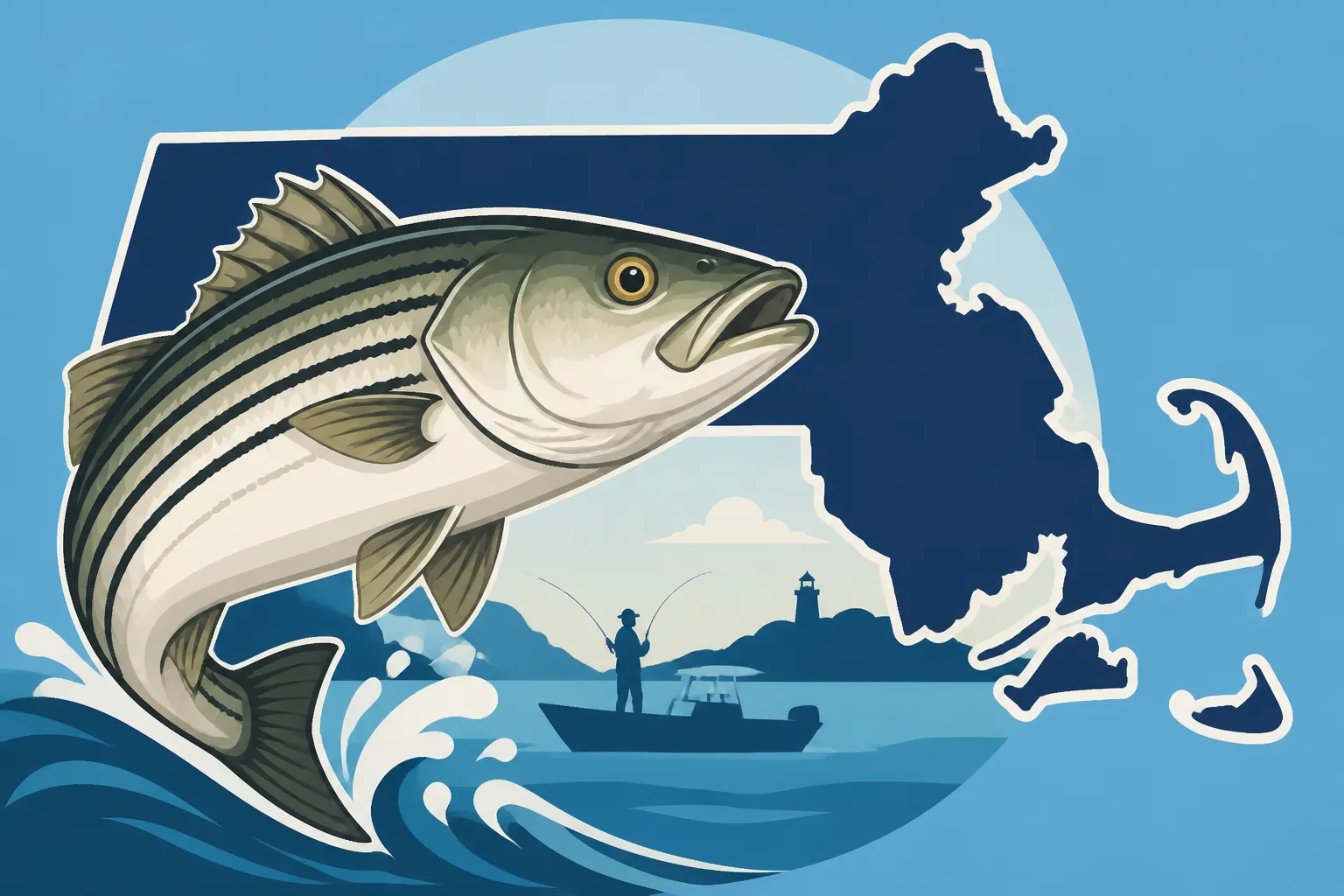
Massachusetts state fish
Many visitors and long-time residents of the Bay State often ponder the official symbols that represent its rich history and natural beauty. What exactly is the Massachusetts state fish, and why does this particular species hold such a special place in the Commonwealth's heart and heritage? It’s not just a curious fact; it’s a story deeply rooted in economics, culture, and the very identity of this coastal state. This comprehensive guide will reveal Massachusetts’s aquatic emblem, delve into its profound historical and cultural significance, and explore its current status amidst ongoing conservation efforts.
What Exactly is the Massachusetts State Fish?
When we talk about state symbols, most people might think of the state bird or tree. But for a maritime state like Massachusetts, the official state fish carries a weight of history and economic importance that few other symbols can rival. It's a choice that reflects centuries of dependence on the ocean's bounty.
Unveiling the Official Choice
The esteemed title of the Massachusetts state fish belongs to none other than the Atlantic Cod, scientifically known as Gadus morhua. This isn't a flamboyant, brightly colored tropical species, nor is it an elusive, high-flying game fish. Instead, the Atlantic Cod is a fish of immense practicality and enduring significance, deeply ingrained in the very fabric of Massachusetts's past and present. Its designation wasn't a casual decision; it was a profound acknowledgement of a species that shaped the state from its earliest colonial days.
The Atlantic Cod was officially recognized as the state fish in 1974, formalizing a relationship that had existed informally for centuries. Before this legislative act, the cod was already an unspoken symbol, its influence so pervasive that it barely needed a decree. Imagine the legislative discussions: while some states might have debated between a sleek trout or a powerful bass, Massachusetts chose the cod, a testament to the resilient and industrious spirit of its people. This choice underscores the deep connection between the land, its people, and the productive waters of the North Atlantic.
This designation, therefore, isn't merely a line item in a list of state symbols. It serves as a powerful reminder of a bygone era when entire coastal communities thrived—or, indeed, struggled—based on the health and abundance of the cod fishery. From the bustling wharves of Boston to the rugged shores of Gloucester, and from the fishing grounds off Cape Ann to the markets of New Bedford, the cod was paramount, feeding families and fueling an expanding economy. Its story continues to resonate, evolving with the changing tides of the ocean and the ongoing challenges of conservation.
More Than Just a Fish: A Symbol of Identity
The Atlantic Cod transcends its biological form to become a powerful emblem of Massachusetts itself. Its image isn't confined to textbooks; it is prominently displayed in the heart of the state's governance. The famous "Sacred Cod," a five-foot-long, exquisitely carved wooden effigy, hangs with profound pride in the House of Representatives chamber within the Massachusetts State House. This historical carving, present since 1784, is a tangible representation of the wealth and influence that flowed from the thriving cod fishery. It has a storied past, having been moved, hidden, and even briefly "kidnapped" in a collegiate prank, only to be returned each time to its rightful and revered place. Such a symbol is truly unique, speaking volumes about the cod’s unparalleled importance.
To gaze upon the "Sacred Cod" is to connect with a living piece of history, predating many of the modern institutions we take for granted. It narrates a compelling saga of perseverance, prosperity, and the vital, inextricable link between the land and the vast ocean that surrounds it. For countless generations, the people of Massachusetts did not merely consume cod; their lives, their livelihoods, and their very existence were intertwined with it. Brave sailors navigated treacherous seas, skilled fishermen honed their craft over decades, and astute merchants built considerable fortunes, all on the back of this abundant and invaluable resource.
This profound, historical connection means that even today, discussions surrounding the cod fishery in Massachusetts stir deep-seated emotions. These conversations extend far beyond mere fish stocks; they touch upon heritage, ancestral traditions, and the livelihoods that continue to depend, even marginally, on the sea. The cod, in its silent sentinel role, serves as a constant and powerful reminder of Massachusetts’s origins and the formidable challenges it now faces in safeguarding its natural marine resources for the generations yet to come.
Why the Cod? A Look at Its Historical Significance
The choice of the Atlantic Cod as the state fish is not arbitrary; it's a direct reflection of its colossal historical impact, shaping the very foundation and future of the Commonwealth.
Early Colonial Economy and Sustenance
From the earliest moments of European settlement in Massachusetts, the Atlantic Cod proved to be an indispensable resource, quite literally a lifesaver. The Pilgrims, confronting the harsh realities of a new and unforgiving land, quickly discovered the astonishing abundance of cod teeming just offshore. Unlike the arduous and often unyielding agricultural pursuits on New England’s rocky, unforgiving soil, the sea presented a seemingly boundless and readily accessible supply of vital protein. This wasn't merely a convenient food source; salted and dried cod swiftly became a fundamental dietary staple, crucial for the early colonists' survival through long, brutal, and often starvation-threatening winters.
Beyond simply providing sustenance, cod rapidly evolved into Massachusetts's first significant export commodity. Picture a vibrant colonial port, teeming with activity as fishing vessels, laden to the gunwales, returned with their massive hauls. The fresh catch was then meticulously processed—gutted, heavily salted, and laid out to dry on vast wooden structures known as "flakes" that stretched along the shore. This preserved fish, with its impressive shelf life, was then shipped across the vast Atlantic to eager markets in Europe, particularly to Catholic nations where fish consumption was culturally significant, and southward to the West Indies, where it provided sustenance for enslaved populations. This robust trade brought essential wealth, goods, and resources back to Massachusetts, directly fueling its nascent growth and development.
This powerful economic engine spurred the creation of entire ancillary industries. Skilled shipbuilders crafted sturdy fishing vessels, coopers meticulously fashioned barrels for salalting and transport, and ambitious merchants developed intricate, far-reaching trade networks. Towns such as Gloucester, Marblehead, and Boston flourished, their identities and fortunes inextricably linked to the prosperity of the cod fishery. The success of the cod industry wasn't just about catching fish; it was about building a foundational economy and establishing Massachusetts as a formidable economic and maritime power in the burgeoning New World. If you're interested in the deep history, there are many excellent historical accounts available on Amazon that detail this era.
From Food Source to Economic Engine
The immense economic impact of cod was far from a transient colonial phenomenon; it grew exponentially and cemented its status over centuries. By the 18th and 19th centuries, the Massachusetts cod fishery had matured into a global enterprise. Majestic Grand Bank schooners, setting sail from Gloucester's busy harbor, would embark on months-long voyages, their courageous crews enduring unimaginable hardships and dangers to bring back colossal hauls of cod. The fish processing plants, particularly those in and around Boston, became veritable economic behemoths, providing employment for thousands and driving unprecedented prosperity.
This sustained prosperity directly funded the development of crucial infrastructure, supported educational institutions, and even fostered the growth of cultural landmarks throughout Massachusetts. The wealth generated by the cod trade built grand coastal homes, endowed universities, and laid the unshakeable foundation for the state's enduring influence and intellectual leadership. It was far more than just fish on a plate; it was the very currency of progress, enabling social advancement and regional dominance. The adage "as sound as a cod" wasn't merely a commentary on the fish's quality; it eloquently reflected the robust health and stability of the economy it so profoundly underpinned.
For countless generations, numerous families derived their entire livelihoods, directly or indirectly, from the cod industry. It was a common, cherished tradition for sons to follow their fathers and grandfathers into the fishing trade, learning the intricate and often perilous art of locating, catching, and processing these crucial fish. This intergenerational continuity fostered a rich oral tradition, a deep-seated respect for the sea, and an unbreakable connection to the marine environment that continues to define much of Massachusetts's unique coastal culture even to this day.
Understanding the Atlantic Cod: Characteristics and Habitat
To truly appreciate the state fish, it helps to know a bit about its biology and lifestyle. The Atlantic Cod is a fascinating creature, perfectly adapted to its marine environment.
Key Identification Features
So, what exactly does an Atlantic Cod look like when you pull it from the ocean? It's a robust, stout-bodied fish, typically sporting a coloration that ranges from brownish to greenish on its back, often adorned with distinctive spots. This coloration provides excellent camouflage against the varied seabed, fading to a much lighter, almost white, belly. One of its most easily recognizable features, and a key identifier, is the prominent barbel—a whisker-like appendage—situated directly under its chin. This barbel is not merely decorative; it's a highly sensitive sensory organ, crucial for detecting food along the often dark and cluttered seabed, much like the whiskers of a cat. The cod also possesses three distinct dorsal fins and two anal fins, all characterized by their soft, flexible rays. You'll often find images on Amazon depicting these features in fish identification guides, which can be invaluable for anglers.
While impressive, the average size of cod caught today is significantly smaller than those recorded in historical accounts. Historically, cod weighing upwards of 100 pounds were not uncommon, earning them revered nicknames like "market cod" or "steakers" due to their immense size and yield. Today, a recreational angler is far more likely to encounter fish in the 5-20 pound range. Knowing how to accurately identify different species, and how to differentiate cod from other bottom fish, is incredibly important, especially when you consider Massachusetts Recreational Fishing Rules and Bag Limits which can vary significantly by species and size.
The size, coloration, and even the prominence of spots can vary slightly among individual cod, influenced by their specific habitat, diet, and age. However, the consistent general body shape, the typical brownish-green hue, and most importantly, the unmistakable presence of the chin barbel, remain reliable identification markers. For anyone looking to confirm a catch or simply deepen their understanding of marine life, having a reliable field guide or familiarity with these key traits can prove immensely beneficial. A sturdy spinning rod and reel combo, perhaps something you've seen reviewed on Amazon, is generally a good starting point for targeting cod.
Where Massachusetts Cod Call Home
Atlantic Cod are intrinsically bottom-dwellers, exhibiting a strong preference for the cold, deep waters characteristic of the North Atlantic. Off the coast of Massachusetts, they can be found distributed throughout vast marine territories, including the bountiful Gulf of Maine, the prolific Georges Bank, and extending southward into the waters around the iconic Cape Cod peninsula. These fish tend to congregate in areas characterized by rocky bottoms, submerged ledges, and around shipwrecks, where they find both ample cover from predators and rich foraging grounds. If you're seeking to pinpoint their likely locations, consulting a comprehensive guide like Best Fishing Spots in Massachusetts can offer valuable insights into offshore opportunities where cod might be found.
While cod are exclusively a saltwater species, their geographical distribution and depth preferences can shift noticeably throughout the year. These seasonal movements are primarily influenced by fluctuations in water temperature and the availability of their prey. During the colder months of the year, cod may migrate closer to shore or inhabit shallower depths, making them more accessible to certain types of fishing operations, particularly recreational shore anglers in specific locations. Conversely, as ocean waters begin to warm with the advent of summer, they typically retreat to deeper, cooler offshore sanctuaries where conditions are more favorable.
For anglers with aspirations of catching this venerable state fish, a thorough understanding of these habitat preferences and seasonal migrations is absolutely paramount. Whether you are contemplating booking one of the many Massachusetts Deep Sea Fishing Charters that ply the offshore waters, or attempting to master the nuanced techniques described in How to Catch Cod off Massachusetts in winter, knowing precisely where cod are most likely to be found is the crucial first step toward a successful outing.
Diet and Behavior
Atlantic Cod are classic opportunistic feeders, boasting a highly varied diet that positions them as a critical component of the complex marine food web. Their primary prey consists of an array of smaller fish species, including abundant herring, swift mackerel, and slender sand eels. Beyond fish, their diet also extensively features crustaceans like crabs and various species of shrimp, as well as squid. Their distinctive chin barbel, as mentioned earlier, is an invaluable tool, enabling them to effectively detect and locate food items even on the dark, often murky seabed, and in conditions of low light or poor visibility.
These fish are well-known for their voracious appetites, and they often gather in large, dense schools, particularly when prey is abundant and easily accessible. This schooling behavior, while a natural part of their life cycle, historically rendered them highly susceptible to large-scale commercial fishing operations. When a fishing fleet located a school of cod, it often meant an extremely productive and substantial haul for the boats involved, making them an easy target.
Spawning activity typically takes place during the late winter and early spring months. During this period, female cod can release millions of tiny eggs, which then drift passively in the water column. The ultimate survival rates of these eggs and the subsequent larval cod are heavily dependent on a multitude of environmental conditions, which can fluctuate significantly from one year to the next. Understanding these intricate life cycle details is an essential part of comprehending why regulations such as Massachusetts Fishing Seasons Explained often incorporate specific rules and seasonal closures tailored to the biology of different species, including cod.
Current Status and Conservation of Cod in Massachusetts
The story of the Atlantic Cod in Massachusetts has taken a somber turn, evolving from one of boundless abundance to one of critical concern and concerted conservation.
Challenges Facing the Fishery
Regrettably, the narrative surrounding the Atlantic Cod in Massachusetts waters is now predominantly one of severe decline. Decades of relentless and intensive fishing pressure, coupled with a series of significant environmental changes, have collectively driven cod populations down to alarmingly low, historically unprecedented levels. The sheer efficiency and technological prowess of modern fishing vessels, combined with a historical lack of understanding regarding sustainable stock limits and ecosystem dynamics, led to harvesting practices that were fundamentally unsustainable. This serves as a stark and sobering reminder that even seemingly limitless natural resources can, and will, be depleted if not managed with foresight and respect.
Furthermore, a complex interplay of environmental factors exacerbates the challenges facing cod. Habitat degradation, a consequence of various human activities, has reduced crucial nursery and feeding grounds. Perhaps even more critically, the ongoing phenomenon of ocean warming profoundly impacts cod, a species that thrives in colder waters. Elevated water temperatures can induce severe stress on cod, disrupt their metabolic processes, and compel them to migrate to new, cooler areas, thereby negatively impacting their spawning success and overall survival rates. This ecological shift presents a formidable and multifaceted challenge for both the fish themselves and the beleaguered fishing communities that depend on them.
The economic repercussions of this drastic decline have been profound and far-reaching, reverberating through Massachusetts's historic fishing towns. Many fishing families and long-standing businesses, once sustained primarily by the cod fishery, have been forced to undergo painful adaptations, shifting their focus to other species, or, in many cases, reluctantly abandoning the industry altogether. The storied "glory days" of vast cod hauls, which once defined coastal prosperity, are now, for the foreseeable future, relegated to the realm of memory, leaving a tangible void in the heart of towns that were literally built upon this once-abundant resource.
Conservation Efforts and Regulations
In direct response to these critically low population levels, stringent and comprehensive conservation measures have been meticulously implemented by both federal and state regulatory bodies, most notably the Massachusetts Division of Marine Fisheries (DMF). These measures encompass significant reductions in catch limits, impacting both commercial fishing operations and recreational anglers, and aim to severely curtail harvesting pressure. Additionally, seasonal closures have been enacted in key spawning and nursery areas, providing essential periods of undisturbed recovery for the fish. Gear restrictions have also been put in place, specifically designed to minimize bycatch—the unintended capture of non-target species. Anglers, whether seasoned veterans or newcomers, are absolutely required to pay close attention to the frequently updated Massachusetts Cod Fishing Rules and Season to ensure compliance and support conservation goals.
The overarching objective of these rigorous efforts is to enable cod stocks to gradually rebuild, a process that is recognized as both long-term and inherently challenging. Marine scientists and researchers continually monitor populations, utilizing a combination of sophisticated survey data and detailed catch reports to meticulously assess stock health. This data is critical for informing and refining management decisions, ensuring they are based on the best available science. Extensive research into cod migration patterns, precise spawning habits, and genetic diversity is also ongoing, striving to paint an ever-clearer picture of what is truly required for a robust and sustainable recovery. Many academic institutions and non-profit organizations also conduct vital research, and if you are keen to delve deeper, you can often find detailed scientific reports on their websites, or even specialized books on Amazon that synthesize this critical information.
For recreational anglers who cherish the experience of fishing in Massachusetts, understanding and diligently adhering to these regulations is not merely a suggestion; it is a paramount responsibility. This commitment extends beyond simply avoiding potential penalties; it represents a tangible dedication to being a responsible steward of this precious marine resource. Every single angler, through their adherence to the rules and their respectful engagement with the environment, plays an indispensable role in safeguarding the future of the state fish.
The Future of Cod Fishing in Massachusetts
The future trajectory of cod fishing in Massachusetts remains an area of considerable uncertainty, a subject of intense and often impassioned discussion within the fishing community, among environmentalists, and across various scientific disciplines. While there have been sporadic signs of modest recovery in very specific, localized areas, the overall populations of Atlantic Cod continue to hover far below their historical levels, and the broader marine ecosystem faces a relentless barrage of ongoing pressures from climate change and human activity. It is a delicate, precarious balance between the imperative to allow fishing livelihoods to persist and the fundamental necessity of ensuring the species has a genuine opportunity to rebound and thrive once more.
Many stakeholders and passionate conservationists harbor a fervent hope for a return to sustainable, if not historically abundant, cod populations. However, achieving this vision will undoubtedly necessitate a sustained, unwavering dedication to robust conservation efforts, the continuous implementation of adaptive and flexible management strategies, and perhaps even the pioneering of innovative approaches to fishing practices that minimize impact. The sobering lessons gleaned from the precipitous decline of the Atlantic Cod are now profoundly influencing how other commercially and recreationally significant species, such as those governed by Massachusetts Striped Bass Size and Bag Limit, are currently managed and protected. Fishing for cod is still allowed, but under very strict limitations, as detailed in articles like Is Cod Fishing Still Allowed in Massachusetts?.
For individuals who hold a deep passion for the state fish and the legacy it represents, several crucial actions can be taken. Supporting sustainable seafood initiatives helps promote responsible fishing practices across the board. Staying meticulously informed about evolving regulations ensures compliance and demonstrates a commitment to the resource. Most importantly, consistently practicing responsible angling—which includes adhering to catch limits, respecting closed seasons, and using appropriate gear—are all indispensable steps toward securing a viable future for this iconic species. It may well take multiple generations, but the earnest hope persists that one day, the revered "Sacred Cod" will once again symbolize not only the profound heritage of Massachusetts but also a renewed abundance in the bounteous waters of the Commonwealth.
| Aspect | Historical Significance (Past) | Current Status (Present) |
|---|---|---|
| Role in Economy | Cornerstone, primary export, built towns and wealth, global trade | Highly limited, strictly regulated, significantly reduced commercial value |
| Population Abundance | Vast, seemingly inexhaustible, supported massive fisheries | Severely depleted, at historical lows, under strict recovery plans |
| Cultural Symbolism | "Sacred Cod," symbol of prosperity, identity, and perseverance | Enduring symbol, but now also represents conservation challenges and hope |
| Fishing Accessibility | Widespread, relatively easy to catch, minimal regulation | Heavily restricted for both commercial and recreational, strict seasons/limits |
| Conservation Focus | Non-existent, focus solely on harvest maximization | Intensive management, scientific stock rebuilding, habitat protection |
Disclaimer
This article is for general informational purposes only and does not constitute professional advice. Laws, prices and regulations vary by location and change over time. Consult a qualified professional for guidance on your specific situation.