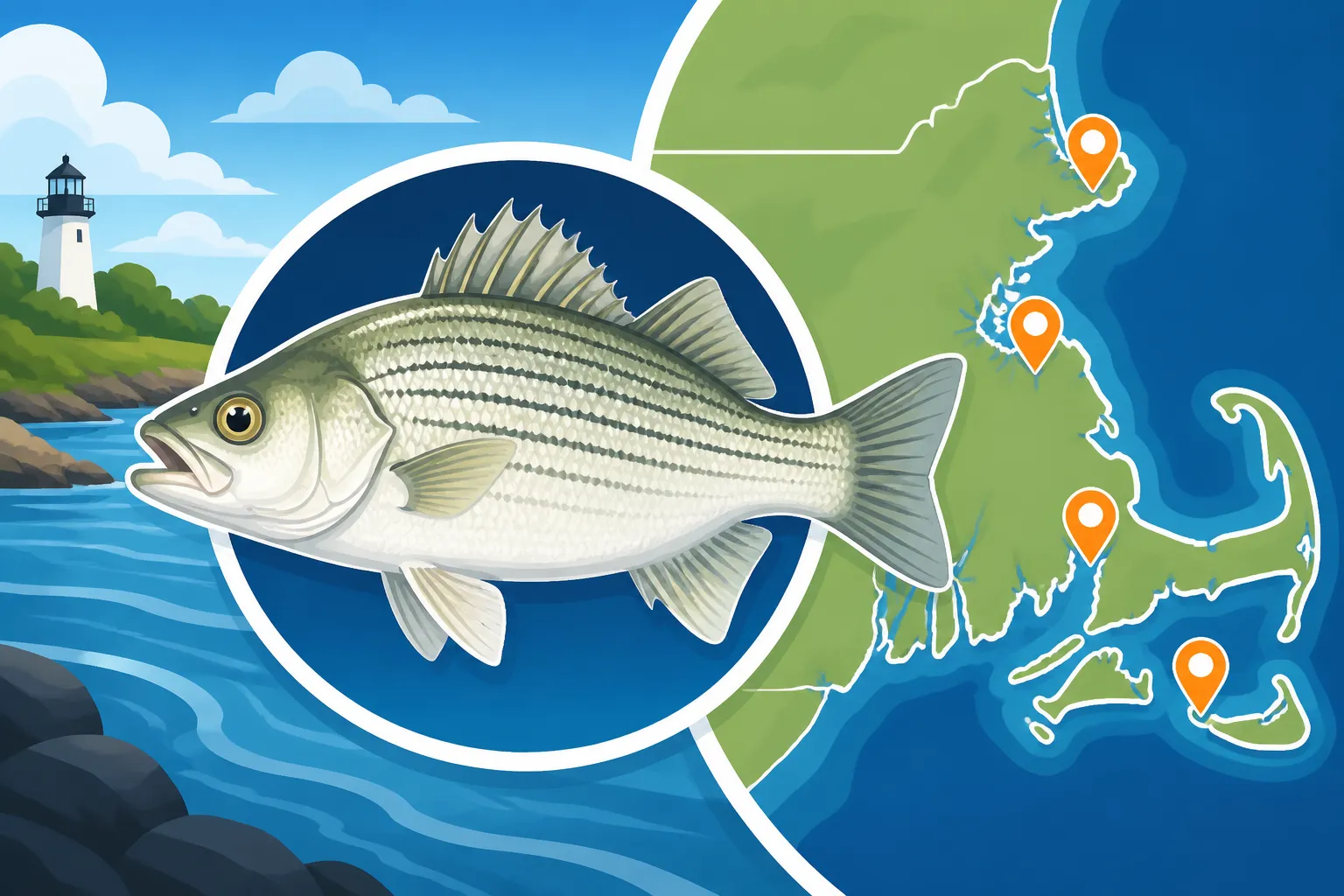
What a white perch is and where it’s found
It's easy to mistake a white perch for something else, especially a juvenile striped bass or even a small panfish, leading to confusion about what you've actually caught or what you're even targeting. This guide will clear up that confusion, diving deep into what white perch are, where you can find these abundant and often underestimated fish across Massachusetts, and how to effectively fish for them.
Understanding the White Perch: Not Just a Small Striper
The white perch ( Morone americana ) is a fascinating and often overlooked fish in Massachusetts, largely because it shares some visual characteristics with other, more popular species. Anglers new to the scene, or even seasoned ones in a hurry, might quickly dismiss them as small striped bass, or simply another panfish. But let me tell you, the white perch is its own distinct creature, with its own behaviors and preferred habitats, and understanding these differences is key to appreciating them.
What Makes a White Perch Unique?
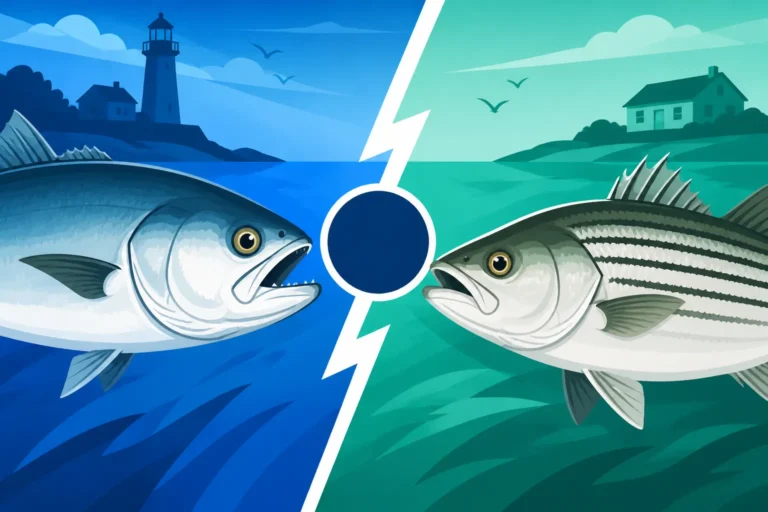
While they might resemble a young striped bass, there are some clear identifiers for white perch. They typically have a deeper, more compressed body shape compared to the more elongated torpedo-like form of a striper. Their color can vary, but generally, they are silvery with a slightly darker, olive-green to grey back, often lacking the distinct dark lateral stripes that give striped bass their name. Sometimes, you'll see faint, broken lines, but never the bold, continuous stripes of a true striper. Their dorsal fins are also notably different: white perch have two dorsal fins that are distinctly separated or barely joined at the base, whereas a striped bass has two dorsal fins that are more clearly separated. The size is another giveaway; while stripers can grow quite large, white perch typically max out at under 15 inches, with many caught in the 6-10 inch range.
It's important to know your target because fishing regulations, especially size and bag limits, can differ dramatically between species. Accidentally keeping a juvenile striped bass, thinking it's a white perch, could lead to trouble. Conversely, not recognizing a white perch means you're missing out on a fun and accessible fishery. If you're ever unsure about identification, it’s always best to consult the current Massachusetts fishing regulations pamphlet, which often includes diagrams or descriptions to help.
White Perch vs. Other Lookalikes
Let's talk about the common confusion. Besides juvenile striped bass, white perch can also be mistaken for white bass (Morone chrysops), although white bass are less common in Massachusetts' coastal waters. White bass tend to have more pronounced stripes and a slightly more robust body. Smaller white perch might also be confused with sunfish or other panfish, but their body shape, fin structure, and overall coloration usually set them apart. Understanding these subtle differences will help you correctly identify your catch. Here's a quick comparison:
| Feature | White Perch | Juvenile Striped Bass | White Bass |
|---|---|---|---|
| Body Shape | Deeper, more compressed | More elongated, torpedo-like | Slightly more robust, moderate depth |
| Coloration | Silvery, olive-green/grey back | Silvery, darker back | Silvery, often yellowish tinge |
| Stripes | Faint, broken, or absent | 7-8 distinct, continuous dark stripes | Multiple distinct, often broken stripes |
| Dorsal Fins | Two, distinctly separated or barely joined | Two, clearly separated | Two, distinctly separated |
| Max Size | ~15 inches | Can grow to several feet | ~17 inches |
| Habitat Focus | Estuarine, brackish, freshwater | Coastal, estuaries, rivers | Freshwater lakes, large rivers |
This table highlights some key visual cues, but nothing beats hands-on experience and careful observation. Remember, accurate identification is crucial for adhering to Massachusetts Recreational Fishing Rules and Bag Limits.
Where the White Perch Call Home in Massachusetts
One of the most appealing aspects of white perch is their incredible adaptability. They're often found in waters that transition between fresh and salt, making them accessible to a wide range of anglers across the state. They thrive in brackish environments but can also establish robust populations in purely freshwater systems, as well as move into full saltwater. This versatility means you can find them in many different types of Massachusetts water bodies.
Estuaries and Coastal Rivers
If you're looking for a prime white perch location, the brackish waters of estuaries and the lower reaches of coastal rivers are your best bet. Think about where freshwater rivers meet the incoming tides of the Atlantic. These areas provide a rich food source and a somewhat sheltered environment that white perch absolutely love. Rivers like the Merrimack, Charles, and Taunton, especially near their mouths, are excellent examples. You'll find them lurking around structure – docks, bridge pilings, submerged trees, and rocky areas. They often form schools, so once you find one, you're likely to find more. The tidal movements here concentrate baitfish, making it a feeding hotspot for perch.
Many anglers enjoy fishing for them from shore in these areas, particularly where there's public access near riverbanks or small coves. These environments are teeming with life, and white perch are a vital part of that ecosystem. You might even catch them alongside other popular species, which adds to the fun! For those who prefer saltwater angling, remember that Massachusetts Saltwater Recreational Fishing Permit Explained might be necessary, depending on where exactly you are fishing.
Freshwater Lakes and Ponds
While widely known for their presence in brackish water, white perch have successfully colonized many purely freshwater lakes and ponds throughout Massachusetts. These populations often become landlocked, adapting entirely to a freshwater existence. You'll find them in deeper lakes where they can escape summer heat, and often schooling up during the cooler months. Large impoundments and natural lakes with good forage bases are ideal. Think about some of the larger ponds in southeastern Massachusetts or even reservoirs that connect to river systems.
In these freshwater settings, they still prefer structure, but it might look a little different. Instead of bridge pilings, you're looking for submerged humps, weed lines, drop-offs, and rocky points. They can often be found suspended in the water column over deeper areas, especially when feeding on schools of baitfish. Many of Massachusetts' freshwater bodies are stocked with trout, but white perch can also provide excellent action. Lakes like Lake Quinsigamond and Assawompset Pond are known for good panfish populations, and white perch are often part of that mix.
Understanding Their Migratory Habits
White perch are somewhat migratory, especially those in brackish waters. They'll often move from saltier, deeper estuary areas into fresher, shallower river stretches during spring for spawning. After spawning, they disperse throughout the system, often retreating to deeper, cooler waters during the peak of summer heat. In fall, they'll congregate again, often in large schools, to feed heavily before winter. This means that where you find them can change with the seasons and even with the tides.
During the warmer months, they might be more scattered, but come fall, when the water starts to cool, you can find massive schools, providing incredible fishing action. This seasonal movement is why staying informed about Massachusetts Fishing Seasons Explained can really help you predict their behavior and increase your chances of a successful outing.
Fishing for White Perch: A Rewarding Pursuit
Fishing for white perch might not have the same "glamour" as chasing striped bass or tuna, but it offers consistently fun action, especially for beginners and families, and can be incredibly rewarding. They're eager biters, and when you find a school, the action can be non-stop. Plus, they offer surprisingly good table fare, which we'll get into shortly.
The Right Gear and Bait
You don't need heavy-duty tackle to enjoy white perch fishing. In fact, ultralight or light spinning gear with a sensitive rod and 4-6 pound test line is often ideal. This lighter setup allows you to feel their subtle bites and makes even a modest-sized perch feel like a champion fighter. You can find excellent, affordable ultralight combos on Amazon that are perfect for this type of fishing. The sensitivity helps detect the quick peck of a perch.
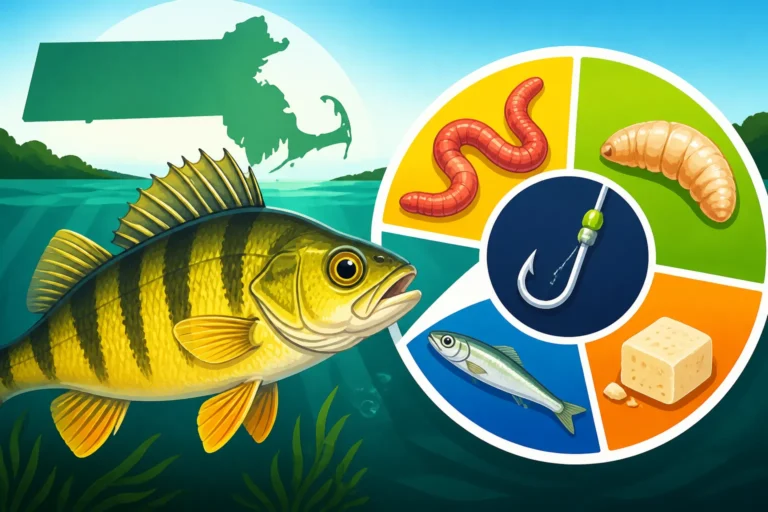
When it comes to bait, white perch aren't particularly finicky. Small pieces of worm (nightcrawlers, earthworms, or sandworms), live shiners, or even small strips of squid are all highly effective. For artificials, small jigs (1/16 to 1/8 ounce) tipped with a piece of Gulp! or a small soft plastic grub work wonders. Tiny spoons and spinners are also popular choices. The key is to present something small enough for their mouths. A small hook, size 6 or 8, is usually perfect. Don't go too big, or you'll miss a lot of bites. Many anglers swear by the effectiveness of a simple bottom rig with two small hooks, sometimes called a "hi-lo" rig, especially in current.
Effective Techniques for Angling
White perch fishing is often about finding the schools. Once you locate them, whether by sight, sonar, or simply getting a bite, stick with that area.
- Bottom Fishing: In rivers and estuaries, using a small sinker to get your bait to the bottom where they often feed is a classic approach. Let your bait sit, or slowly retrieve it with small twitches.
- Bobber Fishing: In shallower ponds or when perch are suspended, a slip bobber or fixed bobber setup allows you to present your bait at a specific depth. This is a great, relaxing way to fish, especially with kids.
- Jigging: Small jigs can be very effective, especially when worked vertically over a school. A slight lift-and-drop motion often triggers a strike. You can buy a variety of small jig heads and soft plastics from Amazon to experiment with different colors and shapes.
- Casting and Retrieving: Small spinners or spoons cast out and slowly retrieved can cover more water and entice active feeders.
Remember, white perch often school tight, so if you're catching one, keep your line in the water! They can move quickly, so be ready to follow the school if the bites stop. Pay attention to water depth and structure. They love to hide near anything that offers cover or breaks the current. For more general advice on freshwater fishing, check out topics like How to Catch Largemouth Bass in Massachusetts Ponds, even though the target is different, some principles of finding fish in structure apply.
Best Times to Target White Perch
White perch can be caught throughout the year in Massachusetts, but certain times offer better action.
- Spring: As water temperatures rise, white perch become very active, moving into shallower areas of rivers and estuaries for spawning. This is an excellent time for shore anglers.
- Summer: During the heat of summer, they often retreat to deeper, cooler waters, making boat fishing more productive. Early morning and late evening can still be good from shore.
- Fall: This is arguably the best time to target white perch. They school up in large numbers and feed aggressively in preparation for winter. The action can be phenomenal, lasting throughout the day.
- Winter (Ice Fishing): Yes, you can even ice fish for white perch! They'll still be schooled up in deeper parts of ponds and lakes. Small jigs and bait worked through the ice can be very effective. If you're into ice fishing, make sure you're aware of Massachusetts Ice Fishing Safety and Ice Thickness guidelines.
No matter the season, a good fish finder can be invaluable for locating those tight schools, especially in deeper water. Many portable fish finders, even handheld ones available on Amazon, can make a big difference.
Are White Perch Good to Eat? A Culinary Delight
After all that talk about catching them, you might be wondering, "Are white perch actually good to eat?" The answer, my friend, is a resounding yes! Despite their smaller size, white perch are a fantastic panfish, offering delicate, flaky white meat that is surprisingly delicious.
Preparing Your Catch
When you catch white perch, getting them on ice quickly is paramount to preserving their flavor. Once home, they can be cleaned by either filleting them or simply gutting and scaling them, cooking them whole. Due to their smaller size, cooking them whole is a popular and easy option, especially for those who enjoy the ritual of eating a pan-fried fish.
Filleting them yields small, boneless pieces of white meat perfect for frying or sautéing. A sharp fillet knife, also easily found on Amazon, makes the job much quicker. If you choose to cook them whole, a simple scoring of the skin can help them cook more evenly and absorb seasoning.
Simple and Delicious Recipes
The delicate flavor of white perch lends itself well to simple preparations that highlight its natural taste.
- Pan-Fried Perfection: This is a classic for a reason. Dredge the fillets or whole, scaled fish in seasoned flour or cornmeal, then pan-fry in butter or oil until golden brown and flaky. A squeeze of lemon and a sprinkle of fresh parsley is all you need.
- Baked with Herbs: For a lighter option, arrange fillets or whole fish in a baking dish, drizzle with olive oil, and sprinkle with your favorite herbs (dill, parsley, thyme) and a dash of salt and pepper. Bake until cooked through.
- Fish Tacos: For a more modern twist, pan-fry or lightly bread and fry the fillets, then serve them in warm tortillas with shredded cabbage, a creamy sauce, and fresh salsa. The mild flavor of the perch makes it an excellent choice for tacos.
White perch are truly one of Massachusetts' hidden culinary gems. They offer a rewarding fishing experience and a delicious meal, proving that you don't always need to catch the biggest fish to have the best time.
Disclaimer
This article is for general informational purposes only and does not constitute professional advice. Laws, prices and regulations vary by location and change over time. Consult a qualified professional for guidance on your specific situation.