Is Carp Fishing Popular in Massachusetts?
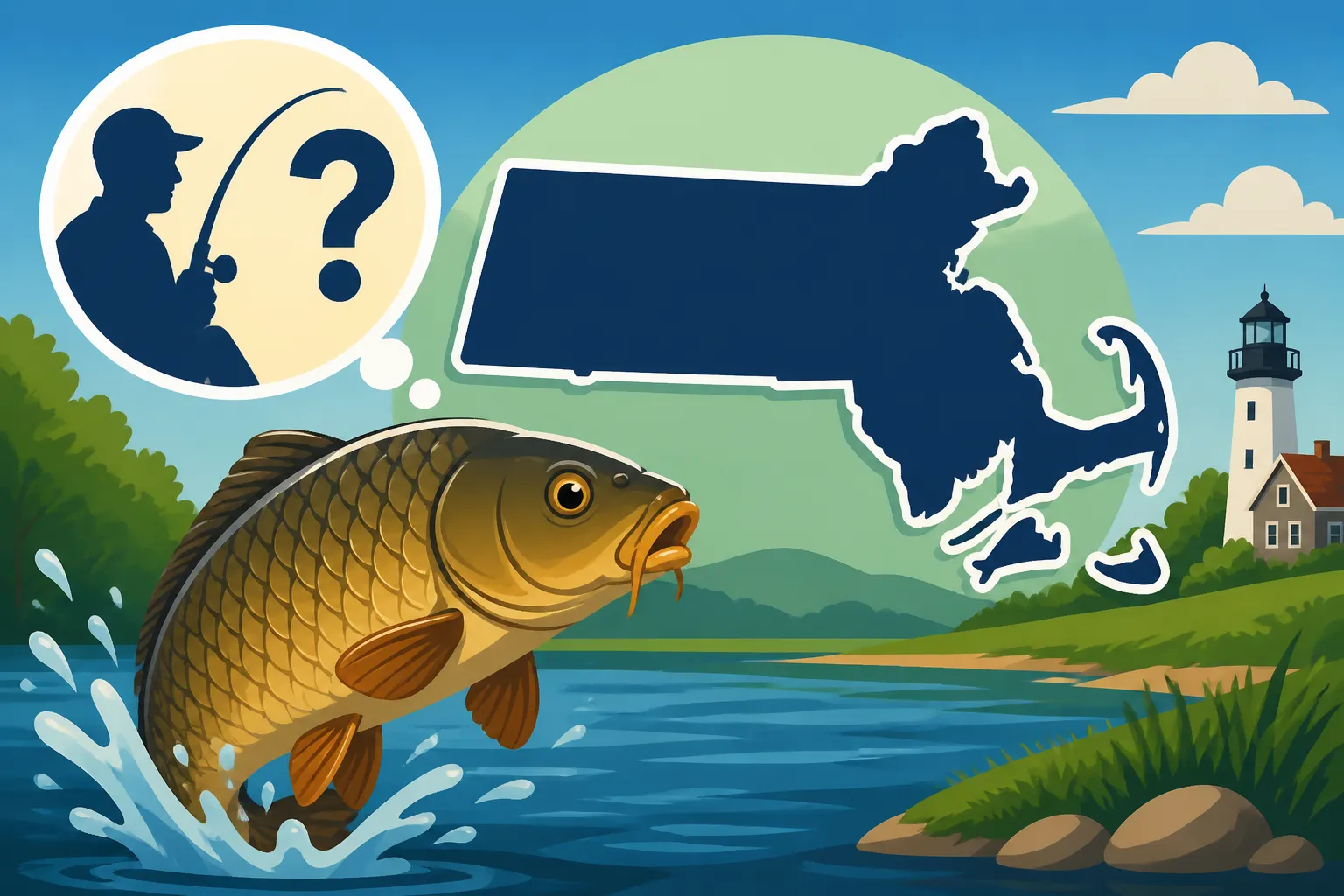
You know, for a lot of folks in Massachusetts, carp fishing isn't exactly the first thing that comes to mind when they picture a day out on the water. Many associate these powerful freshwater giants with less glamorous perceptions, sometimes even calling them "trash fish." But if you're an angler curious about a truly challenging and incredibly rewarding freshwater pursuit right here in our backyard, or if you've heard whispers of a dedicated carp community, then you're in the right place. This guide is going to peel back the layers on carp fishing in the Bay State, exploring its growing popularity, why some anglers are completely hooked, and how you can get started chasing these formidable fish.
The Carp Conundrum: Is it Popular in Massachusetts?
When you ask the average person in Massachusetts if carp fishing is popular, you'll likely get a blank stare, or perhaps a mention of trout or striped bass. For decades, carp have been largely overlooked in North American angling culture, often relegated to the status of a nuisance fish. This perception stems from various factors, including their prolific breeding, their bottom-feeding habits, and a historical lack of dedicated sporting interest compared to gamefish like salmonids or bass.
Dispelling the Myths: What Anglers Think vs. Reality
Let's be honest, the "trash fish" label is a tough one to shake. Many traditional anglers in Massachusetts grew up targeting native species, and the common carp, an introduced species, just didn't fit that mold. They're often seen as muddy, bony, and not particularly good for eating, which immediately puts them at a disadvantage in a culture that values table fare. However, this perspective entirely misses the point for the growing community of carp enthusiasts.
The reality is that while carp fishing isn't as widespread or openly celebrated as, say, Trout Fishing in Massachusetts or Striped Bass Fishing in Massachusetts, it absolutely has a dedicated and passionate following. This isn't about mass appeal; it's about a specific style of angling that prioritizes the fight, the challenge, and responsible catch-and-release practices. Think of it like a niche sport that's steadily gaining traction, especially as more anglers discover the incredible power and intelligence of these fish.
The Dedicated Niche: Who's Chasing Carp Here?
So, who are these carp anglers in Massachusetts? They're often a diverse group, frequently including individuals from European backgrounds where carp angling is a revered national pastime. These anglers bring with them a wealth of knowledge, specialized techniques, and an inherent respect for carp as a sport fish. They're not just casting a line; they're meticulously preparing baits, scouting locations, and employing tactics honed over generations.
Beyond the European influence, you'll find urban anglers seeking accessible, hard-fighting fish in local ponds and rivers where other trophy species might be scarce. There are also seasoned freshwater anglers looking for a new challenge, tired of chasing the same old bass and trout. What unites them is a shared appreciation for the carp's raw strength and often, a strict catch-and-release ethos, ensuring these magnificent fish continue to thrive for future generations. For these dedicated folks, the act of targeting and battling a powerful carp is the ultimate reward.
Why Anglers Love (or Learn to Love) Carp Fishing in Massachusetts
The shift in perception around carp fishing isn't accidental; it's driven by a genuine appreciation for what these fish offer. Once an angler truly experiences the thrill of a carp hookup, the preconceptions often melt away, replaced by respect and excitement. It's a journey from skepticism to obsession for many.
The Thrill of the Fight: Unmatched Freshwater Power
If you've never hooked a decent-sized common carp, you're missing out on one of freshwater fishing's most exhilarating battles. These fish are built like tanks, pure muscle and stamina. When a carp takes your bait and bolts, it's often a long, hard run that can strip line off your reel with surprising speed. They don't jump like a bass, but they dig deep, make powerful head shakes, and perform long, sustained runs that test your tackle and your technique.
Imagine being hooked into a 15-pound carp in a Massachusetts pond – it feels like you've latched onto a freight train. Anglers accustomed to the relatively quicker fights of largemouth bass or even stout trout are often shocked by the endurance and sheer power of a carp. This incredible fighting ability is perhaps the number one reason dedicated anglers pursue them, offering a freshwater challenge that few other species in the state can match. It's a true test of patience and strength, making every landed fish feel like a significant accomplishment.
Accessibility and Abundance: Carp Are Everywhere!
One of the undeniable advantages of carp fishing in Massachusetts is the sheer accessibility and abundance of the fish. You don't need to travel to remote wilderness lakes or expensive private waters to find them. Carp thrive in many of our urban and suburban waterways – local ponds, slow-moving rivers, and even larger reservoirs. This means that a productive carp fishery is often just a short drive away, sometimes even within city limits.
The Connecticut River Fishing in Massachusetts, for example, holds incredible numbers of carp, as do sections of the Merrimack and Charles Rivers. Many of the large, interconnected pond systems throughout central and eastern Massachusetts are also prime carp habitat. Unlike highly sought-after species that can be pressured or limited, carp are prolific and resilient, offering consistent opportunities for anglers willing to learn their habits. This widespread availability means you can enjoy excellent fishing without extensive travel, making it a perfect pursuit for a spontaneous afternoon or a dedicated weekend session. Plus, you don't typically need special permits beyond your standard Massachusetts Fishing License Guide to fish for them.
The European Influence: A Different Perspective
The growing interest in carp fishing in Massachusetts owes a lot to its deep roots in European angling traditions. Across the Atlantic, carp are highly regarded sport fish, and the techniques developed there are incredibly sophisticated and effective. These include specialized rigs like hair rigs, which present the bait alongside the hook to fool wary carp, and various feeder fishing methods designed to attract and concentrate fish. The use of "boilies" – hardened, flavored baits – is also a hallmark of European carp fishing, designed for selective targeting of larger fish.
As European anglers have settled in Massachusetts, they've brought these traditions with them, slowly introducing local anglers to the finesse and effectiveness of their methods. This cultural exchange has been pivotal in elevating carp fishing beyond a casual pursuit to a refined sport. Many anglers in Massachusetts are now adopting these advanced techniques, realizing that carp are intelligent, cautious fish that require skill and patience to catch. This blending of cultures and techniques has transformed how many perceive and pursue carp in our state, turning them into a prized catch rather than an accidental one.
Getting Started with Carp Fishing in Massachusetts
If you're intrigued by the idea of battling these freshwater powerhouses, getting started with carp fishing in Massachusetts is more accessible than you might think. While it can be as simple as a rod, reel, and a can of corn, there's also a world of specialized gear and techniques that can significantly increase your success and enjoyment.
Essential Gear for the Massachusetts Carp Angler
Unlike some other fishing styles, you don't need to break the bank to start carp fishing. However, a few key pieces of gear will make your experience much more productive and ethical. First, a sturdy medium-heavy to heavy action spinning or baitcasting rod, typically 7-10 feet long, paired with a reliable reel spooled with 10-20 lb monofilament or braided line, is a good starting point. This setup gives you the backbone needed to handle powerful runs.
For bait, common yellow corn is a classic and effective choice, as are bread or dough balls. However, if you want to get serious, specialized baits called boilies are incredibly effective. These are hardened, flavored spheres that carp adore. While not always available at every local bait shop, you can find a huge variety of boilies online, including on platforms like Amazon, or through specialized carp fishing retailers. Beyond bait, a large, deep landing net is absolutely crucial for safely landing big carp. And for truly responsible catch and release, an unhooking mat is essential to protect the fish while it's out of the water. You can find excellent options for these mats on Amazon as well, ensuring you treat these magnificent creatures with the respect they deserve.
Prime Carp Fishing Locations in Massachusetts
One of the great things about carp is their widespread distribution across Massachusetts. You don't need secret spots; they thrive in many of our public waterways. Large river systems are often prime targets, particularly slower-moving sections with muddy or silty bottoms and plenty of submerged structure. The Connecticut River in Massachusetts is renowned for its carp population, offering miles of excellent fishing opportunities. Similarly, sections of the Merrimack River and the Charles River, especially in and around urban areas, hold significant numbers of carp.
Beyond rivers, many larger ponds and reservoirs throughout the state are also carp havens. Look for waters with abundant aquatic vegetation, shallow flats that warm up quickly, and areas with inflow from streams or stormwater runoff, which often carry food. While Quabbin Reservoir Fishing Permits and Rules in Massachusetts are quite strict, other large bodies of water, particularly those that are not primarily managed for trout or salmon, often have thriving carp populations. Scouting an area means looking for visual signs like carp rolling on the surface, patches of disturbed mud where they've been feeding, or distinctive bubbling on the water's surface.
Techniques and Tips for Success
Carp fishing often demands patience and a bit of detective work. Unlike active predators, carp are often slow and deliberate feeders. A common technique involves setting up multiple rods with bait on the bottom, often using a "hair rig" where the bait sits next to the hook, allowing the carp to mouth the bait before feeling the hook. Utilizing a "method feeder" is another excellent strategy; this is a weighted feeder that holds a ball of groundbait or paste around it, attracting carp directly to your hook bait.
Pre-baiting a spot for a few days before you plan to fish can dramatically improve your success rate. This involves regularly scattering a quantity of bait (like corn or boilies) into a chosen area to get the carp accustomed to feeding there. When fishing, pay close attention to subtle rod tip movements or use electronic bite alarms, which are incredibly sensitive and will alert you to even the slightest tap. Remember, responsible handling is paramount. Once you hook a carp, play it carefully, land it swiftly in your large net, and always use an unhooking mat for photographs and release. How to Catch Largemouth Bass in Massachusetts might focus on lures and quick retrieves, but for carp, patience, observation, and static bait presentations are your best friends.
Overcoming the Challenges and Misconceptions of Carp Fishing
Even as carp fishing gains traction, there are still hurdles to overcome. The lingering stigma, the importance of responsible angling, and finding a community can sometimes feel like an uphill battle. But these challenges are part of the journey for dedicated carp anglers in Massachusetts.
The "Trash Fish" Stigma and Educating Others
The biggest obstacle carp anglers face is undoubtedly the ingrained "trash fish" stigma. It's frustrating when you've just landed a magnificent 20-pound common carp, a true freshwater trophy, only to have a fellow angler scoff because "it's just a carp." This perception often stems from a lack of understanding about the fish itself and the dedicated sport it provides. Carp are hardy, incredibly strong, and can live for many years, growing to impressive sizes. They play a vital role in many aquatic ecosystems, even if they aren't native.
To combat this, education is key. Sharing the thrill of the fight, showcasing respectful catch-and-release photos, and explaining the sophisticated techniques involved can help change minds. Many carp anglers champion their sport by demonstrating responsible practices and highlighting the incredible athletic prowess of these fish. It's about showing that while you might not eat them, the joy of the pursuit and the challenge they offer are second to none. It’s a quiet advocacy, but one that slowly chips away at old misconceptions, much like how perceptions of Bluefish Fishing in Massachusetts have evolved over time.
Responsible Angling Practices for Carp
Because carp fishing often involves targeting large, powerful fish, responsible angling practices are not just recommended, they're essential. The vast majority of carp anglers in Massachusetts practice catch-and-release, recognizing the value of these fish as a renewable resource for sport. To ensure the fish's survival, proper handling is paramount. Always use a large, soft knotless landing net to safely bring the fish ashore.
Once landed, the fish should be placed on an unhooking mat. These padded mats provide a safe, clean surface for the carp, preventing injury to its scales and fins from rough ground. Unhooking should be done quickly and carefully, ideally with specialized tools like forceps if the hook is deep. Minimal time out of the water is crucial, especially during warmer months. When returning the fish, hold it gently in the water, allowing it to regain its strength before swimming away. Following these steps helps ensure that the carp you catch today can fight another day, contributing to the health and longevity of our local fisheries. Massachusetts Fishing Regulations Pamphlet, Explained covers general rules, but good stewardship goes beyond the minimum.
Finding Your Tribe: Connecting with Other Carp Anglers
One of the great things about a niche sport is the strong sense of community that often forms around it. While carp fishing might not have the same number of adherents as bass or trout, the anglers who pursue it are often passionate and eager to share their knowledge. Finding your tribe can dramatically enhance your experience and learning curve. Online forums and social media groups dedicated to "Massachusetts carp fishing" or "Northeast carp angling" are fantastic starting points. These platforms are buzzing with shared tips, battle reports, and camaraderie.
You might also discover local informal groups or even organized clubs that hold events, clinics, or friendly competitions. Connecting with experienced anglers is invaluable for learning about local hotspots, the best baits for specific conditions, and refining your techniques. Don't be shy about reaching out; carp anglers are generally very welcoming to newcomers who show a genuine interest in the sport. Searching for specialized carp fishing books or instructional DVDs, perhaps even on Amazon, can also introduce you to global best practices and help you feel more connected to the broader carp angling world. Embracing this community will not only boost your success but also enrich your overall fishing journey in Massachusetts.
Understanding the Carp Fishing Experience in Massachusetts
To truly appreciate why carp fishing is gaining a dedicated following, it helps to see it in contrast with some of the more traditional freshwater pursuits in Massachusetts. It’s a different game with different rewards.
| Feature | Carp Fishing | Traditional Freshwater Fishing (Bass/Trout) |
|---|---|---|
| Primary Goal | Challenging fight, large fish, catch-and-release | Sport, table fare, specific species pursuit |
| Fish Size | Often large, 10-40+ lbs common | Varies, often 1-5 lbs for bass, smaller for trout, though trophy sizes exist |
| Fight Style | Long, powerful runs; deep, sustained battles | Jumps, quick bursts, aggressive strikes |
| Common Baits | Corn, boilies, dough balls, bread, specialized pastes | Worms, minnows, artificial lures (spinners, flies, soft plastics), powerbait |
| Typical Tackle | Medium-heavy to heavy rods (7-10 ft), strong reels, heavy line, bite alarms | Light to medium rods (5-7 ft), lighter reels, lighter line, more active presentation |
| Approach | Often static, multiple rods, patience, pre-baiting, advanced rigs | Active casting, retrieve, trolling, fly fishing |
| Accessibility | Highly accessible in urban/suburban rivers and ponds | Widespread, but specific species may require travel to stocked or remote waters |
| Cultural Perception | Niche, growing, overcoming "trash fish" stigma | Mainstream, established, revered |
| Ethos | Primarily catch-and-release, fish care paramount | Catch-and-release common, but keeping limits for consumption is also widespread |
As you can see, carp fishing offers a distinct and rewarding experience that stands apart. It requires a different mindset, different gear, and a different appreciation for the quarry. It's not necessarily "better" or "worse" than other forms of fishing, just a unique path for those seeking a different kind of adventure on Massachusetts' waters.
So, is carp fishing popular in Massachusetts? Perhaps not in the same way that chasing Massachusetts Striped Bass Slot Limit Explained is, but it's undoubtedly a sport with a growing, dedicated following that values the challenge, the fight, and the sheer accessibility of these remarkable freshwater giants. If you've been on the fence, I encourage you to grab a sturdy rod, a can of corn, and give it a try. You might just discover your new favorite way to fish!
Disclaimer
This article is for general informational purposes only and does not constitute professional advice. Laws, prices and regulations vary by location and change over time. Consult a qualified professional for guidance on your specific situation.