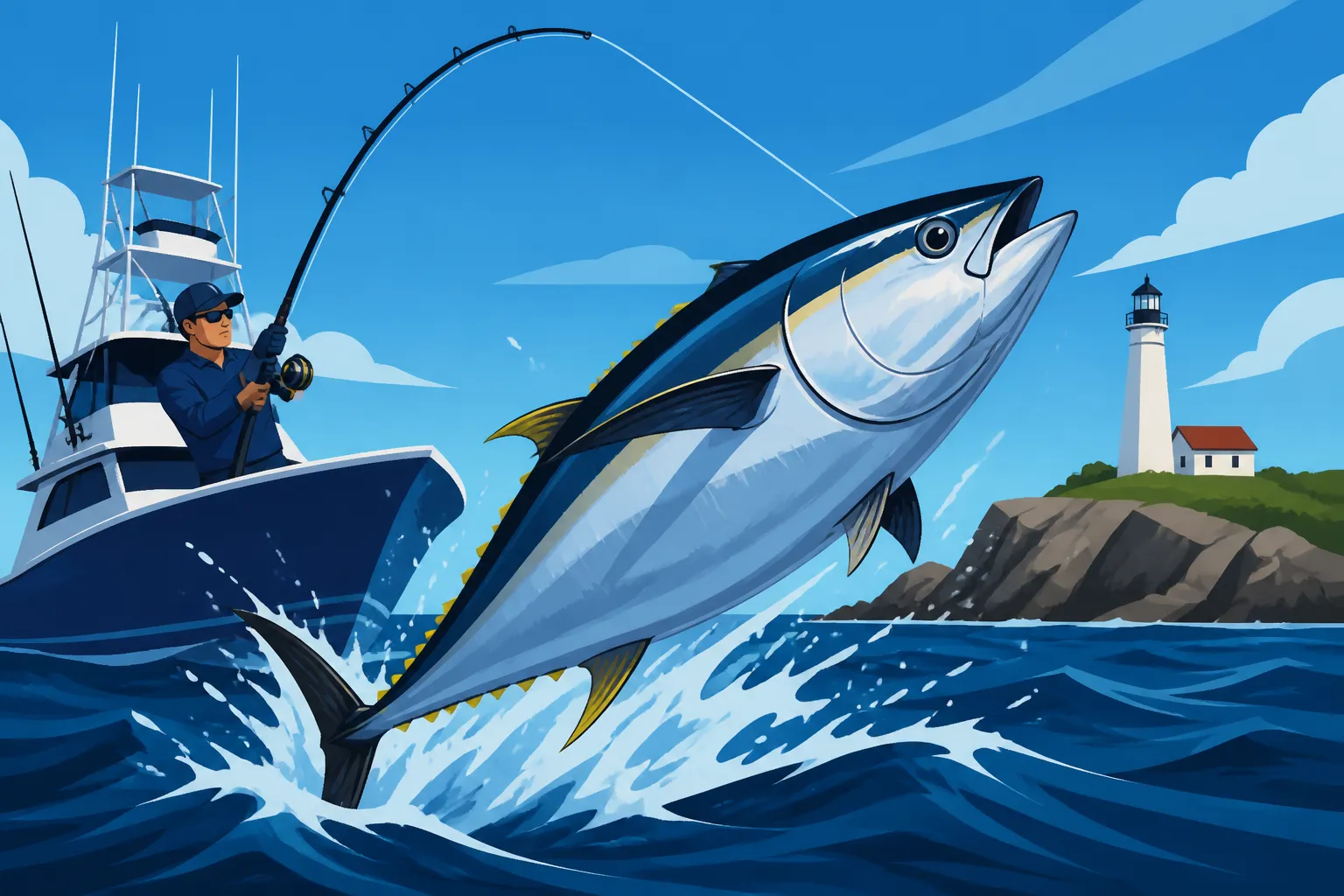
Massachusetts Bluefin Tuna Charters
There's nothing quite like the dream of heading out onto the vast expanse of the Atlantic, the salty air whipping your face, with the sole purpose of tangling with one of the ocean's most formidable predators: the bluefin tuna. For many anglers, both seasoned veterans and hopeful novices, the idea of landing a Massachusetts bluefin is the pinnacle of sportfishing. It's a challenging, often expensive, and always thrilling endeavor that demands preparation, patience, and a skilled crew. This comprehensive guide will walk you through everything you need to know about booking and experiencing a bluefin tuna charter in Massachusetts, from understanding the best seasons to what to expect on deck, so you can turn that dream into a breathtaking reality.
The Allure of Bluefin Tuna Fishing in Massachusetts
Massachusetts waters are famous, even legendary, for their bluefin tuna fishery. It’s a place where massive pelagic powerhouses migrate, offering unparalleled opportunities for anglers seeking the ultimate test of strength and skill.
Why Bluefin Tuna Are Such a Coveted Catch
Let's be honest, bluefin tuna aren't just fish; they're ocean athletes. They are incredibly powerful, notoriously fast, and possess a stamina that can push even the most experienced angler to their limits. Imagine hooking into a fish that can weigh hundreds of pounds, sometimes over a thousand, and watching your line peel off the reel at an alarming rate. The scream of the drag, the bend in the rod, the sheer physical exertion required to even begin to turn such a creature—it's an adrenaline rush unlike any other.
Many anglers spend years, even decades, chasing this elusive prize. It's not just about the size; it's about the fight, the strategy, and the respect you gain for such a magnificent animal. When you finally get one boatside, whether it's a smaller "schoolie" or a true "giant," there's an immense sense of accomplishment. It’s a testament to your endurance, your captain's expertise, and the teamwork of the entire crew. This prestige, combined with the sheer power of the fish, is what makes bluefin tuna fishing such a highly coveted experience.
The Massachusetts Bluefin Tuna Fishery: A World-Class Destination
Why Massachusetts? Simple: our coastal waters and offshore banks provide a perfect ecosystem for bluefin tuna. From the nutrient-rich waters of Cape Cod Bay and Stellwagen Bank to the deeper, warmer currents of the offshore canyons, these areas are teeming with the baitfish that bluefin feast on. Mackerel, herring, squid, and even smaller tuna species are abundant here, creating a veritable buffet that draws bluefin in.
Historically, Massachusetts has been a pivotal location for tuna fishing. Fishermen have been chasing these giants for generations, and the knowledge and techniques passed down make our captains some of the best in the world. The proximity to deep water and diverse marine habitats means that bluefin of all sizes, from footballs to granders, pass through or reside in our fishing grounds. This natural bounty and experienced fishing community cement Massachusetts' reputation as a world-class destination for anyone serious about bluefin tuna.
Understanding the Bluefin Tuna Season in Massachusetts
Knowing when to plan your trip is crucial for bluefin tuna success. While bluefin can be present for several months, specific windows offer the best chances for different sizes of fish.
Peak Season and Migration Patterns
Generally, the bluefin tuna season in Massachusetts kicks off in late spring, typically around May or early June, when the first waves of smaller "schoolie" or "football" tuna (often 50-150 pounds) start to arrive, following schools of baitfish into Cape Cod Bay and along the coast. These early arrivals provide exciting light tackle action.
As summer progresses into July and August, the larger, more mature bluefin begin to appear in greater numbers, often congregating on offshore banks like Stellwagen or out towards the canyons. This is often considered the prime time for targeting medium to large bluefin, with conditions generally more stable. September and October can be absolutely phenomenal, with a strong fall run of larger fish moving through, often feeding aggressively before migrating south. This period offers some of the best opportunities for giant tuna. The season typically winds down by late October or early November, depending on water temperatures and bait concentrations.
The bluefin's presence is directly tied to the availability of their food source. So, a good tuna captain is constantly monitoring baitfish movements and water temperatures. For a more general understanding of seasonal fishing in the state, you might want to read our guide on the Best Time of Year to Fish in Massachusetts.
Different Tuna Sizes and Seasons Within the Fishery
It's not just "bluefin tuna" as a singular entity; there are distinct size classes, and the timing and location for targeting them can vary.
- Schoolie/Football Tuna: These are the smallest bluefin caught, typically ranging from 30 to 150 pounds. They are often found closer to shore in late spring and early summer, providing fantastic light-tackle sport. While still incredibly strong, they offer a more accessible entry point for anglers.
- Medium Bluefin: Ranging from roughly 150 to 300 pounds, these fish are usually encountered from mid-summer through the fall, often on productive offshore banks. They require heavier tackle and offer a more substantial fight.
- Giant Bluefin: The holy grail for many, these are bluefin weighing over 300 pounds, often exceeding 700 or even 1000 pounds. Targeting giants is typically an offshore endeavor, requiring specialized heavy tackle, experienced crews, and a significant time commitment. The peak season for giants is generally from late summer into the fall.
Understanding these size categories is important because it dictates the type of charter you book, the tackle used, and the expected fight. Massachusetts has specific regulations regarding these different sizes, and it's good to be aware of the Bluefin Tuna Size Limits off Massachusetts before you head out.
Types of Bluefin Tuna Charters in Massachusetts
When you're ready to chase bluefin, you'll find different charter options available, each with its own advantages, catering to various budgets and preferences.
Private Charters: Tailored for Your Group
A private charter is exactly what it sounds like: you book the entire boat for your group, and the trip is customized to your desires (within reason, of course!). This is the most popular choice for bluefin tuna fishing, and for good reason. You get a dedicated captain and crew focused solely on your party, providing a highly personalized experience. This means more one-on-one instruction, flexibility in techniques used, and the ability to dictate the pace of the trip.
Private charters typically accommodate groups of 1 to 6 anglers, though some larger vessels might take more. The major benefit is that you're sharing the deck with your friends or family, creating a more intimate and memorable experience. The downside, of course, is the cost, which is borne by your group alone. However, if you split the cost among a few friends, it can become more manageable. When considering this option, you'll want to review the specifics of the Massachusetts Bluefin Tuna Charter Cost.
Open Boat Charters: Joining a Group
If you're a solo angler or part of a smaller group (say, just two of you) and a private charter feels out of reach financially, an "open boat" or "head boat" trip might be a fantastic alternative. On an open boat charter, you book individual spots, and you'll be fishing alongside other anglers you don't know. It's a great way to meet new people who share your passion for fishing.
This option is significantly more cost-effective per person, as the overall boat fee is divided among more individuals. While you won't have the same level of personalized attention or flexibility as a private charter, it still offers a legitimate shot at catching bluefin tuna with experienced crews. Finding these can sometimes require a bit more searching, but online platforms like FishingBooker often list open boat trips alongside private charters, allowing you to compare options and find available spots. It's a wonderful way to experience the thrill of tuna fishing without breaking the bank.
Inshore vs. Offshore Tuna Trips
The term "bluefin tuna charter" itself can encompass a wide range of trips, primarily distinguished by how far offshore you'll be venturing.
-
Inshore Tuna Trips: These trips typically target smaller bluefin, often referred to as "footballs" or "schoolies," which generally weigh up to about 150 pounds. These fish can often be found within a few miles of shore, in areas like Cape Cod Bay or closer sections of Stellwagen Bank. The boats for these trips might be slightly smaller, and the duration can sometimes be a bit shorter (though still a full day). The ride out to the fishing grounds is usually less arduous, making it a good option for those prone to seasickness or newer to offshore fishing. You're still battling a powerful fish, but the overall experience is less demanding in terms of travel time and potentially the sheer size of the fish.
-
Offshore Tuna Trips: This is where you go if you're seriously hunting for the giants—bluefin weighing 300 pounds or more. These trips involve traveling much further offshore, often 50 to 100 miles or more, to locations like the canyons south and east of Cape Cod or the outer reaches of Georges Bank. Offshore trips demand larger, more robust boats capable of handling rougher seas, and they are typically much longer in duration, often 10-14 hours, sometimes even overnight. The tackle is incredibly heavy, and the fight can last for hours. The cost is also significantly higher due to fuel, time, and specialized equipment. Before booking, consider how far out you want to go and what size fish you're targeting. Our article on How far offshore tuna charters travel can provide more details on the distances involved.
| Charter Type | Target Fish Size | Distance from Shore | Trip Duration (Typical) | Cost per Person | Experience Level |
|---|---|---|---|---|---|
| Private (Inshore) | Schoolie/Medium | Closer (1-20 miles) | 8-10 hours | Higher (shared by group) | Beginner to Intermediate |
| Private (Offshore) | Medium/Giant | Farther (20-100+ miles) | 10-14+ hours | Highest (shared by group) | Intermediate to Advanced |
| Open Boat (Inshore) | Schoolie/Medium | Closer (1-20 miles) | 8-10 hours | Lower (per individual) | Beginner to Intermediate |
| Open Boat (Offshore) | Medium/Giant | Farther (20-100+ miles) | 10-14+ hours | Medium (per individual) | Intermediate to Advanced |
Key Fishing Techniques Used on Bluefin Charters
Bluefin tuna are intelligent, powerful, and often finicky. Charter captains employ a variety of sophisticated techniques to entice these magnificent fish, adapting to conditions and fish behavior.
Trolling for Bluefin Tuna
Trolling is one of the most common and effective methods for locating and catching bluefin tuna, especially the smaller and medium-sized fish. This technique involves dragging multiple lines, often with a spread of lures or natural baits, behind a moving boat. The idea is to cover a lot of water, mimicking a school of baitfish or an individual struggling prey item, and provoke a strike from a cruising tuna.
On a typical tuna trolling spread, you might see everything from large spreader bars, daisy chains, and plastic squid rigs to carefully rigged natural baits like ballyhoo or mackerel. Outriggers are often deployed to spread lines wide, preventing tangles and covering a broader swath of ocean. When a tuna strikes a trolled lure, it's usually explosive – a rod bending violently, the reel screaming, and the sheer power of the fish taking off. It's an exciting method that allows the captain to systematically search for fish, especially when tuna are dispersed. While this article focuses on bluefin, some of the principles are similar to Trolling for Striped Bass in Massachusetts, just on a much larger scale!
Jigging and Popping: Active and Exciting
For anglers who prefer a more hands-on and active approach, jigging and popping for bluefin tuna can be incredibly exhilarating. These techniques often target feeding tuna that are busting on the surface or holding deeper in the water column.
- Popping: This involves casting large, buoyant surface lures (poppers) into schools of actively feeding tuna and working them aggressively across the surface. The lure creates a commotion, splashing and gurgling, mimicking a fleeing baitfish. When a bluefin explodes on a popper, it's one of the most visually spectacular strikes in fishing, often sending spray meters into the air. It's physically demanding, requiring constant casting and retrieving, but the payoff can be immense.
- Jigging: This technique uses heavy, often metallic jigs that are dropped to various depths and then worked back up through the water column with a series of aggressive rod pumps and retrieves. Vertical jigging is effective when tuna are marked on the sonar but aren't coming to the surface. It requires a lot of arm strength and stamina, but a well-presented jig can trigger a predatory strike from a deep-dwelling bluefin. If you want to delve deeper into these specific methods, check out our guide on Jigging and Popping for Bluefin Tuna.
Chunking and Live-Baiting for Giants
When targeting truly massive "giant" bluefin tuna, particularly offshore, chunking and live-baiting are often the preferred methods. These techniques rely on patience and setting up an irresistible offering.
- Chunking: This involves drifting with the current and regularly tossing out cut pieces of oily baitfish (like mackerel or herring) into the water, creating a "chum slick." This slick acts as an aromatic trail, drawing tuna from a distance directly to your boat. Once the tuna are in the slick, perfectly rigged baitfish or chunks on heavy tackle are presented to them. The takes can be subtle at first, or a slow, powerful pull as a giant inhales the bait.
- Live-Baiting: This is often done in conjunction with chunking, or as a standalone method when tuna are known to be in an area. Live baits, typically large mackerel, herring, or even small bonito, are fished from the boat, either near the surface, mid-water, or weighted deep. The natural swimming action of a live bait is often irresistible to a hungry bluefin. This method requires specialized setups, often using balloons or kites to present the baits naturally, far from the boat. Both chunking and live-baiting demand extremely heavy-duty gear and a high degree of skill from the captain and crew to ensure the bait is presented correctly and that the angler can handle the immense power of a giant bluefin once hooked.
What to Expect and How to Prepare for Your Trip
A bluefin tuna charter is a serious commitment, both physically and financially. Proper preparation will ensure you have the best possible experience.
Tackle, Gear, and Licensing: What the Charter Provides (and What You Need)
One of the biggest advantages of booking a bluefin tuna charter is that you don't need to own thousands of dollars worth of specialized tackle. Your charter captain will provide all the necessary heavy-duty rods, reels, lines, leaders, hooks, and terminal tackle designed to withstand the brutal power of a bluefin. They also supply the bait, whether it's live mackerel, cut herring, or artificial lures.
However, there are still essential items you, as the angler, are responsible for bringing to make your trip comfortable and safe:
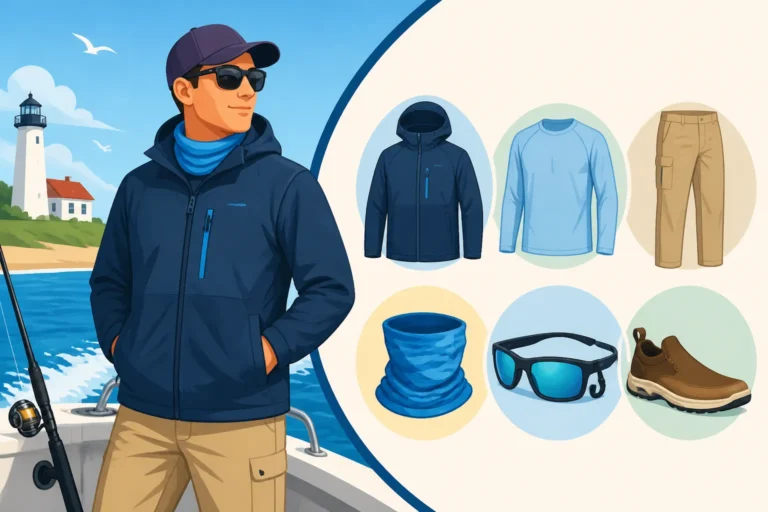
- Clothing: Layering is key, even on a sunny summer day. Offshore, temperatures can drop, and wind can be relentless. Bring waterproof outer layers, hats, gloves (for sun and cold), and non-slip, waterproof shoes.
- Sun Protection: The sun's reflection off the water can be intense. Pack high-SPF sunscreen, a wide-brimmed hat, and polarized sunglasses to protect your eyes and help you spot fish.
- Food and Drink: Bring plenty of water, soft drinks, and snacks. Long trips mean you'll need sustained energy. Alcoholic beverages are often allowed in moderation, but check with your captain beforehand.
- Personal Items: Any medications you need (especially seasickness remedies), a small backpack, and a camera (make sure it's waterproof or in a dry bag).
- Cooler: You'll want a cooler in your car to take home any legal fish you might catch. The charter will clean and bag your fish for you, but bringing your own cooler is essential for transport.
Regarding licensing, typically, when you fish on a federally permitted for-hire vessel (which all reputable bluefin tuna charters are), you, as a passenger, are covered under the boat's permit for federal waters. For state waters, the charter boat also carries the necessary permits. This means you generally do not need to purchase an individual Massachusetts saltwater recreational fishing permit. However, it's always smart to confirm this directly with your captain when booking. You can also explore more about Do Charter Passengers Need Their Own Massachusetts Saltwater Permit? for additional context. If you want a full packing list, our guide on Gear you should pack for a Massachusetts fishing charter offers some excellent advice.
Trip Duration, Costs, and Tipping Etiquette
Bluefin tuna charters are an investment, reflecting the specialized boats, extensive fuel consumption, top-tier gear, and the invaluable expertise of the captain and crew.
- Trip Duration: Expect a significant time commitment. Inshore tuna trips might be 8-10 hours, but offshore trips targeting giants often run 10-14 hours, sometimes even longer, departing well before sunrise. These are full-day adventures that require stamina and dedication.
- Costs: The price for a bluefin tuna charter in Massachusetts can vary widely based on boat size, trip duration, location, and the time of year. For specific figures, it's best to contact individual charter operations directly, or check platforms like FishingBooker for current listings. Generally, expect to pay a substantial amount for a full-day private bluefin trip, as discussed in detail in Massachusetts Bluefin Tuna Charter Cost. While it's a significant expense, remember you're paying for a world-class experience with highly skilled professionals and specialized equipment.
- Tipping Etiquette: Tipping the mate and captain is customary and highly appreciated, especially given the hard work they put in before, during, and after your trip (rigging, cleaning, assisting, cleaning up). A common guideline is to tip 15-20% of the total charter cost for good service. If the crew went above and beyond, or if you had an exceptional day, a higher tip is certainly warranted. The mate, in particular, often does the lion's share of the physical work, assisting anglers, rigging baits, and helping with fish. For more on this, check out Is Tipping Expected on a Massachusetts Fishing Charter?.
Safety First: Weather, Seasickness, and Captain's Authority
Offshore fishing, especially for bluefin tuna, involves inherent risks. Safety is paramount, and your captain is the ultimate authority on all decisions.
- Weather Conditions: The ocean can be unpredictable. While captains monitor forecasts diligently, conditions can change rapidly. Choppy seas are common, and rougher weather can lead to uncomfortable or even dangerous situations. Your captain will make the final call on whether a trip is safe to proceed or needs to be canceled. If a trip is called off due to unsafe weather, reputable charters will offer a reschedule or a full refund. This is an important detail to clarify when booking; our article on What happens if a charter is canceled for weather provides more insight.
- Seasickness: This is a real concern for many anglers, even those who don't typically get sick. The constant motion of a boat far offshore can trigger motion sickness. It's highly recommended to take preventative measures, such as medication (like Dramamine or Bonine), starting the night before your trip, even if you think you have a strong stomach. Staying hydrated and avoiding heavy, greasy foods before and during the trip can also help.
- Captain's Authority: The captain is responsible for everyone's safety and the vessel. Their decisions, whether regarding where to fish, when to return to port, or how to handle equipment, are final. Respecting their authority is crucial for a safe and successful trip.
Choosing the Right Bluefin Tuna Charter
Selecting the right charter boat and crew is paramount to a successful bluefin tuna adventure. It's not just about finding an available boat; it's about finding the right fit for your goals and expectations.
Researching and Vetting Charter Boats
The reputation and experience of your captain and crew are your greatest assets when chasing bluefin. This isn't a fishery for novices, and you want a team that lives and breathes tuna.
- Experience Matters: Look for captains who have a proven track record specifically with bluefin tuna. This means they understand migration patterns, seasonal variations, various techniques, and how to handle these powerful fish safely.
- Specialized Boats: A dedicated tuna boat will be equipped with heavy-duty tackle, state-of-the-art electronics (fish finders, radar, GPS), and safety gear. The vessel itself should be designed for offshore conditions.
- Online Reviews and Reputation: Platforms like FishingBooker are excellent resources for reading reviews from past clients. Pay attention to comments about the crew's professionalism, their ability to find fish, and their overall customer service. Word-of-mouth is also huge in the fishing community, so ask around if you know local anglers. Our general guide on How to find a good fishing guide in Massachusetts offers tips that apply directly to tuna charters.
Key Questions to Ask Before Booking
Don't be shy about asking questions before you put down a deposit. A reputable captain will appreciate your thoroughness.
- What's included in the price? Confirm bait, tackle, and fish cleaning. Some charters include snacks or drinks; others don't.
- What is your cancellation policy? Understand what happens if weather forces a cancellation, or if you need to cancel for personal reasons.
- What type of tuna fishing will we be doing? Are they targeting schoolies, medium fish, or giants? What techniques do they primarily use (trolling, jigging, chunking)? This should align with your expectations.
- How experienced is the crew? Ask about the mate's experience, as they will be working closely with you.
- What are the current regulations for keeping tuna? This changes frequently, so it's good to know what the current rules are.
- What's the best time of year to achieve my specific goals? If you want a giant, the captain can advise on the peak season.
Asking these questions helps manage expectations and ensures you're on the same page as your charter. More general advice can be found in Questions to ask before booking a charter.
Popular Departure Ports for Tuna Charters
Massachusetts offers several excellent departure ports for bluefin tuna charters, each providing unique access to different fishing grounds.
- Gloucester and Cape Ann: Often considered the epicenter of the bluefin tuna fishery, Gloucester is home to a robust fleet of tuna boats. Its proximity to Stellwagen Bank and offshore waters makes it a prime departure point, especially for those targeting larger fish. Check out Gloucester and Cape Ann Fishing Spots for more.
- Boston: While Boston Harbor itself isn't a tuna hotspot, many charters operate out of Boston, running quickly to Stellwagen Bank or other productive areas offshore. Booking from Boston can be convenient if you're staying in the city. Read Boston Fishing Charters Guide, Massachusetts for more information.
- Cape Cod Towns (Provincetown, Sandwich, Falmouth, Hyannis): Various towns along Cape Cod offer charters, with Provincetown being particularly well-situated for accessing Stellwagen Bank and the outer Cape waters. These ports offer diverse options depending on whether you're heading north to Stellwagen or south/east to the canyons.
The choice of departure port might depend on where you're staying, but also on the specific fishing grounds the captain favors or believes are most productive at that time of year.
The Conservation Aspect of Bluefin Tuna Fishing
Bluefin tuna are an apex predator and a highly migratory species that have faced significant conservation challenges over the years. Fishing for them is not just about the catch; it's also about respecting the resource and adhering to strict regulations designed for their long-term sustainability.
Regulations and Sustainable Practices
The bluefin tuna fishery is heavily managed by international and national bodies, including NOAA Fisheries in the United States, to ensure sustainable populations. This means that rules can be complex and are subject to frequent changes based on scientific assessments and quota allocations.
- Quotas: There are strict annual quotas for bluefin tuna, divided among different fishing categories (recreational, commercial, charter, etc.). Once a sub-quota is met, that category's season for retention can close, sometimes unexpectedly.
- Size Limits: Depending on the area and specific permit category, there are often minimum and maximum size limits. For example, smaller "schoolie" tuna might have different rules than larger "giants." This is a dynamic aspect, similar to the highly regulated Massachusetts Striped Bass Slot Limit Explained.
- Reporting Requirements: Charter captains are required to meticulously report all bluefin tuna caught, whether kept or released. This data is critical for monitoring the health of the stock.
- Catch-and-Release: Many anglers, especially those targeting giants, practice catch-and-release to conserve the species, particularly if they already have a fish or if regulations dictate. Ethical catch-and-release practices (minimizing fight time, proper handling, quick release) are crucial.
Reputable charter captains are experts in these regulations and will guide you to ensure all fishing is done legally and ethically. Their commitment to conservation is often as strong as their passion for fishing.
Catching, Keeping, and Consumption
So, you've battled a bluefin tuna and brought it boatside. Now what? The question of "keeping" a bluefin is not always straightforward and depends entirely on the current regulations and the boat's permit.
- Retention Rules: Whether you can keep a bluefin tuna depends on several factors: the boat's permit category (recreational, charter/headboat, commercial), the size of the fish, and whether the quota for that specific category is still open. Some trips might be strictly catch-and-release, or only allow retention of certain sizes. Your captain will clarify what is permissible before you head out. Don't assume you will be taking a tuna home, especially a giant!
- Handling and Processing: If a fish is legally kept, the crew will handle the difficult and often messy task of bleeding, gutting, and icing the fish to ensure the highest quality meat. This is a lot of work! At the dock, they will typically fillet and bag your share for you to take home in your cooler. For more details on this, you can look at Can You Keep the Fish You Catch on a Charter?.
- Consumption: Bluefin tuna is highly prized for its rich, red meat, particularly for sushi and sashimi. It's considered a delicacy worldwide. While delicious, it's also a powerful fish with a strong flavor. Responsible consumption is part of respecting the resource.
Conclusion
Embarking on a Massachusetts bluefin tuna charter is more than just a fishing trip; it's an adventure into the realm of truly magnificent marine life. It's about the thrill of the chase, the test of endurance, and the camaraderie shared on the open ocean. Whether you're dreaming of a massive giant or a hard-fighting schoolie, the waters off Massachusetts offer some of the best opportunities in the world. By understanding the seasons, types of charters, fishing techniques, and crucial preparations, you're setting yourself up for an unforgettable experience. Remember to always respect the power of these incredible fish, the expertise of your captain, and the importance of responsible fishing. Now go out there and make some memories—that bluefin is waiting!
Disclaimer
This article is for general informational purposes only and does not constitute professional advice. Laws, prices and regulations vary by location and change over time. Consult a qualified professional for guidance on your specific situation.