Bluefin Tuna Charter Season Out of Boston, Massachusetts
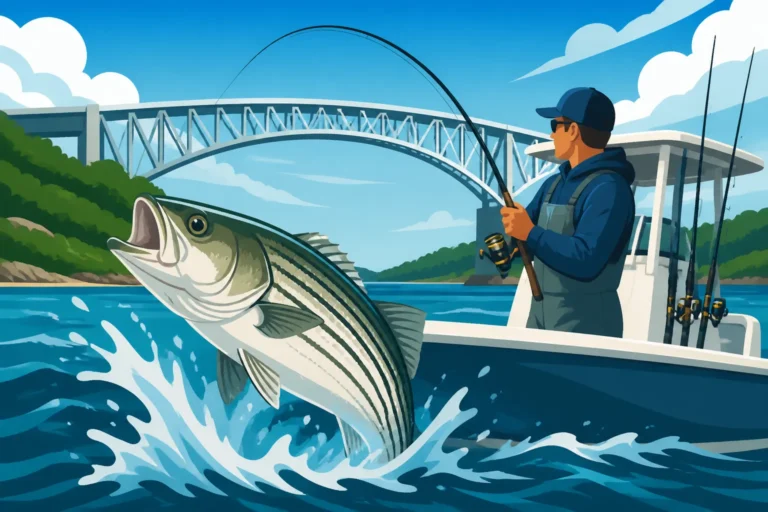
The dream of hooking into a giant bluefin tuna offshore is one that many Massachusetts anglers share, but knowing when and how to even begin planning such an epic trip from Boston can feel incredibly daunting. You hear tales of massive fish caught in certain months, but pinning down the actual bluefin tuna charter season, understanding the factors that make it successful, and navigating the world of booking a trip can be a real head-scratcher. This guide is here to unravel all those mysteries, helping you understand the prime times to chase these magnificent pelagic powerhouses out of Boston, what influences their migration, and how to prepare for an unforgettable adventure.
Understanding the Bluefin Tuna Season in Massachusetts
Bluefin tuna are migratory giants, traveling vast distances across the Atlantic, and their presence in Massachusetts waters, particularly off Boston, is highly anticipated each year. It’s not a year-round fishery; instead, it's a seasonal window dictated by ocean temperatures, bait availability, and their natural feeding patterns. Understanding this rhythm is key to planning a successful trip.
When Bluefin Tuna Arrive in Boston Waters
The earliest signs of bluefin tuna in Massachusetts waters typically begin in late spring, often around May or early June. These early arrivals are usually smaller "schoolie" tuna or "giants" just starting to move north, following warmer waters and their primary food sources like mackerel and herring. Think of it as the scouts arriving before the main army. Charters out of Boston might start venturing out, but these initial weeks can be hit or miss. It's a time for captains to shake off the rust, check their gear, and track the first movements of bait and fish. Anglers at this time might find some action, but the consistency isn't quite there yet for the larger fish. It's a period of anticipation, with captains closely monitoring water temperatures and reports from other regions to predict the main push.
Peak Season for Giant Bluefin Tuna
Without a doubt, the prime time for bluefin tuna charters out of Boston truly kicks into high gear during the summer months, specifically from July through September. This is when the offshore waters and banks become alive with activity. The baitfish have established themselves, and the warmer currents bring in a steady stream of larger tuna, including the coveted giant bluefin. During these months, conditions are often more stable, making for longer days on the water and more consistent opportunities. This is the period when you'll hear the most incredible stories and see the most impressive catches. Booking a charter during this window means higher demand, so it's crucial to plan well in advance. Many experienced anglers will tell you that late July, August, and early September offer the best combination of weather, fish presence, and the sheer number of opportunities to connect with a trophy fish. You'll find many reputable operations listed on platforms like FishingBooker that specialize in targeting these giants during the peak.
End of the Bluefin Tuna Season
As the calendar turns from September into October and sometimes even early November, the bluefin tuna season gradually winds down. The weather patterns become less predictable, with colder fronts and stronger winds making offshore trips more challenging. While large tuna can still be found, especially during the "fall run" when they are gorging themselves before their southern migration, the sheer numbers and consistency begin to decline. Anglers who venture out in these later months might face tougher conditions, but they can also be rewarded with some of the biggest fish of the season, often caught by experienced captains who know how to adapt to the changing environment. It’s a transition period where the bite can be explosive one day and quiet the next. For those looking to squeeze in one last trip, the late season can be incredibly rewarding, albeit a bit more challenging in terms of comfort and consistent catches. Many Massachusetts Bluefin Tuna Charters will still be running as long as the fish are present and the weather allows.
Factors Influencing Boston Bluefin Tuna Charters
Chasing bluefin tuna isn't like fishing for pond bass; it's a dynamic pursuit influenced by a multitude of environmental and regulatory factors. A successful bluefin tuna charter relies heavily on understanding these elements, which can shift week by week, sometimes even day by day. It's a constant puzzle that captains work to solve.
Weather and Ocean Conditions
When you're heading 20, 30, or even 50 miles offshore from Boston in search of bluefin, weather isn't just a comfort factor; it's a critical safety and success factor. Strong winds can quickly whip up dangerous seas, making it impossible (or at least very uncomfortable) to fish. A good captain is constantly monitoring marine forecasts, looking for optimal conditions: light winds, calm seas, and stable barometric pressure. Beyond safety, ocean conditions like water temperature and currents play a massive role in where tuna are found. Bluefin prefer specific temperature ranges, and sudden drops or rises can push them out of an area. Ocean currents can concentrate baitfish, creating feeding frenzies that charters aim to find. A smooth charter experience often begins days before, with the captain making the call on whether conditions will be favorable. Don't be surprised if your trip gets rescheduled; it's always for your safety and a better chance at success. For more on this, you might want to read about How rough the water gets on tuna charters.
Baitfish Availability
Tuna are apex predators, and their movements are almost entirely dictated by the presence of their food source. Off Boston, bluefin primarily feed on mackerel, herring, squid, sand eels, and sometimes butterfish. If these baitfish schools are abundant and concentrated, the tuna will be right there with them. Conversely, if bait is scarce or scattered, finding tuna becomes a much harder task, regardless of how "in season" it might be. Charters often spend a significant portion of their day actively searching for bait schools, using sonar and looking for visual cues like diving birds or splashing fish. Some captains will even stop to catch fresh bait before heading to the tuna grounds. The health of the baitfish populations is a huge driver of the bluefin fishery, and changes in these populations from year to year can dramatically impact the tuna season's success. This is a factor entirely out of a captain's control, yet it's the biggest influence on fishing success.
Regulatory Changes and Quotas
Unlike many other fisheries, bluefin tuna are highly regulated due to their migratory nature and international conservation efforts. The National Oceanic and Atmospheric Administration (NOAA) Fisheries manages the Atlantic bluefin tuna fishery with strict quotas, size limits, and reporting requirements. These regulations can change annually or even mid-season, impacting how many fish can be kept, what sizes are legal, and even the methods allowed. For example, there are often specific slot limits for general recreational permits and different rules for "charter boat" or "commercial" categories.
Captains must hold specific permits and are responsible for knowing and adhering to all current rules, which can be complex. These regulations are in place to ensure the long-term sustainability of the bluefin population, but they mean that anglers need to understand that even if they catch a giant, it might not be legal to keep based on the day's quota or the fish's size. It's always best to discuss the current regulations and the charter's policy on keeping fish with your captain before you book. For general information on tuna regulations, you can research Bluefin Tuna Size Limits off Massachusetts. The fishing world is dynamic, and staying informed about these rules is part of responsible angling.
Choosing the Right Boston Bluefin Tuna Charter
Deciding to embark on a bluefin tuna charter out of Boston is a significant investment in time and money, so selecting the right operation is paramount to a successful and enjoyable experience. It's not just about finding any boat; it's about finding the right boat and crew for your specific goals and expectations.
Types of Tuna Charters and Boats
When looking for a bluefin tuna charter, you'll generally encounter a few different types of boats and trip structures. Most dedicated tuna charters operate on offshore sportfishing boats, typically ranging from 30 to 50 feet or more. These vessels are designed for comfort, speed, and handling rough seas, equipped with powerful engines, state-of-the-art electronics (like radar and high-end sonar), outriggers, and plenty of fishing space. You'll primarily find "private charters," where you book the entire boat for your group, usually up to 6 passengers. This offers a personalized experience, allowing the captain to tailor the trip to your group's preferences and skill level.
Some areas might have "open boat" or "head boat" options that take individuals on a per-person basis, but these are less common for dedicated offshore bluefin tuna trips due to the specialized nature and cost. When browsing platforms like FishingBooker, pay attention to the boat's size, amenities, and the type of fishing they specialize in. A boat primarily designed for inshore striped bass fishing might not be the best choice for a grueling offshore tuna expedition. Make sure the vessel is well-maintained and adequately equipped for the demanding conditions of offshore fishing.
What to Look for in a Captain and Crew
The captain and crew are arguably the most critical components of a successful bluefin tuna charter. You're entrusting them with your safety and your fishing dreams. Look for a captain with extensive experience specifically targeting bluefin tuna in the waters off Boston and the surrounding banks. They should have a deep understanding of local fishing grounds, bait movements, and weather patterns. A good captain is not only skilled at finding fish but also at safely operating their vessel and providing clear instructions.
The crew (if any) should be knowledgeable, helpful, and attentive. They are there to assist with rigging baits, handling lines, gaffing fish, and ensuring your comfort. Crucially, a good crew maintains a positive and encouraging attitude, especially during the long hours when the bite might be slow. Don't hesitate to ask about their experience, their typical fishing methods, and their philosophy on catch and release. Reading reviews from previous customers on sites like FishingBooker can provide invaluable insights into a captain's reputation, professionalism, and success rate. A captain who communicates well before and during the trip is a huge plus.
Booking Your Trip: Timing and Resources
Booking your bluefin tuna charter requires strategic planning, especially if you're aiming for the peak summer months. As mentioned, these are highly sought-after trips, and popular captains get booked solid months in advance. Start your research and booking process as early as possible, ideally 6-12 months out for prime weekend dates in July and August. If you have more flexibility, consider booking during weekdays or slightly off-peak times (early June or late September) when availability might be better, and there might be less competition on the fishing grounds.
Online resources like FishingBooker are excellent starting points, offering listings of numerous charters, often with photos, detailed descriptions, pricing information, and customer reviews. Don't be afraid to call captains directly to discuss your expectations, ask specific questions about their boat and experience, and get a feel for their personality. Clarify what's included in the price (bait, tackle, licenses), cancellation policies, and what you're expected to bring. Confirming all details in writing is always a good practice. Understand that the Best Month for Bluefin Tuna Charters off Massachusetts typically sees the highest demand and therefore requires the earliest booking.
Preparing for Your Boston Bluefin Tuna Adventure
A bluefin tuna charter is an expedition, not just a casual fishing trip. Proper preparation can make the difference between a memorable adventure and a miserable experience. From what you wear to how you manage your expectations, every detail contributes to your enjoyment and safety.
Essential Gear and Clothing
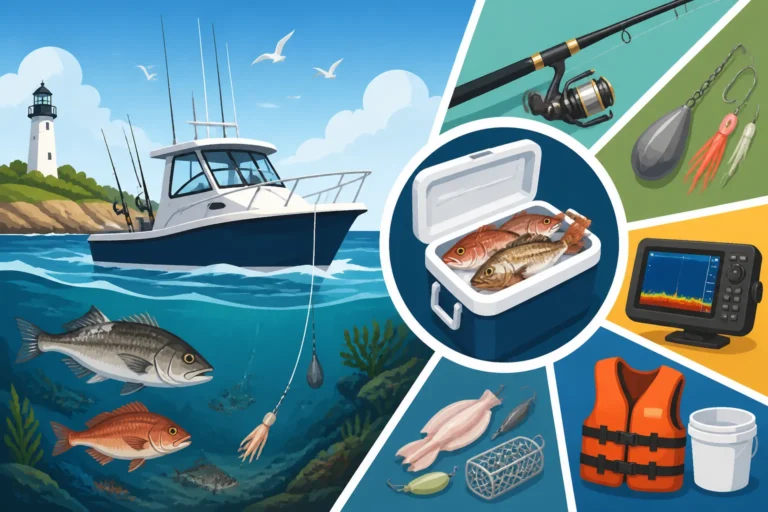
Even in the summer, offshore waters can be significantly cooler than on land, and conditions can change rapidly. Layered clothing is absolutely essential. Start with a moisture-wicking base layer, add a fleece or sweatshirt, and top it off with waterproof and windproof outerwear (jacket and pants). You'll be exposed to sun, spray, and wind, so protection is key. Sunglasses (polarized are best for spotting fish), a wide-brimmed hat, and sunscreen are non-negotiable. Wear comfortable, non-slip deck shoes or boots.
While most charters provide all the necessary fishing gear – rods, reels, lures, and bait – it's wise to confirm this beforehand. You typically won't need to bring your own high-end tuna tackle unless you have a specific, pre-arranged agreement with the captain. However, a small backpack for personal items, medications, and snacks is a good idea. Remember, less is often more on a boat where space can be limited. For a comprehensive list, consult a guide like What to Bring on a Massachusetts Fishing Charter.
Managing Expectations and Seasickness
Let's be realistic: bluefin tuna fishing is challenging. These are wild animals in a vast ocean. There are no guarantees of catching fish, let alone a giant. Going into the trip with an open mind and realistic expectations is crucial. Focus on enjoying the experience of being offshore, the camaraderie, and the thrill of the hunt, regardless of the outcome. The journey itself is often as rewarding as the catch.
Seasickness can absolutely ruin an offshore trip. If you are prone to motion sickness, or even if you're unsure, take preventative measures. Over-the-counter medications like Dramamine or Bonine work best when taken before you get on the boat, giving them time to get into your system. Acupressure wristbands can also help some individuals. Avoid alcohol and heavy, greasy foods the night before and the morning of your trip. Stay hydrated and try to focus on the horizon while on the boat. It's far better to be prepared and not need it than to suffer through hours of nausea. You can find more advice on What to take for seasickness before a charter.
Onboard Etiquette and What to Bring
Being a good guest on a charter boat contributes to a positive experience for everyone. Always listen to the captain and crew's instructions, especially regarding safety and fishing techniques. They are the experts, and their guidance is for your benefit. Be mindful of others' space and avoid cluttering the deck. When a fish is hooked, follow the crew's directions precisely; a chaotic deck can lead to lost fish or even injury.
Beyond your personal gear, consider bringing a cooler (empty, or with only drinks/snacks) to transport any fish you might be lucky enough to keep. Check with your captain about their policy on fish cleaning and filleting – some include it, others charge an extra fee, and some may not offer it at all. It's also customary to tip the captain and crew for their hard work and expertise. A general guideline is 15-20% of the trip's cost, especially if they worked hard, provided excellent service, and put you on some fish. Your appreciation goes a long way. For guidance on tipping, refer to Is Tipping Expected on a Massachusetts Fishing Charter?.
Targeting Bluefin Tuna: Techniques and Challenges
Bluefin tuna are not easily fooled. Their incredible speed, power, and intelligence demand a variety of sophisticated techniques and a profound understanding of their behavior. Fishing for them off Boston is a blend of science, art, and sheer grit.
Common Fishing Methods for Bluefin
Boston bluefin tuna charters employ several primary methods, often adapting based on conditions, bait presence, and the tuna's behavior on any given day.
-
Trolling: This involves dragging lures, natural baits (like ballyhoo or mackerel), or a combination of both behind the boat at varying speeds and depths. The idea is to cover a lot of ground and imitate baitfish swimming through the water. Trolling spreads can be elaborate, with multiple lines fished from outriggers and flat lines off the stern. This is a common method for finding scattered fish or covering large areas of open water, especially over specific offshore banks. When a fish hits a trolled bait, the reel screams, signaling an instant adrenaline rush.
-
Chunking/Drifting: Once a school of tuna is located, or in an area known to hold fish, boats might "chunk." This involves drifting with the current, regularly throwing out small pieces of cut bait (like butterfish or herring) to create a scent trail and draw tuna closer to the boat. Anglers then fish with live or dead baits presented naturally in the chum line. This method can be incredibly effective when tuna are feeding on bottom or suspended bait. It requires patience and a good sense of how the current and wind are affecting the drift.
-
Live Baiting: A highly effective method, especially for larger tuna. Charters will often spend time catching fresh live bait like mackerel or pogies (menhaden) before heading to the tuna grounds. These baits are then deployed, often under balloons or kites, to keep them struggling naturally near the surface or at a desired depth. The natural movement of a live bait can be irresistible to a hungry bluefin. This method is particularly exciting as you often see the dramatic strike on the surface. For more specific techniques, you can look into Bluefin Tuna Fishing Techniques Near Cape Cod, many of which apply to Boston waters.
-
Jigging and Popping: These are more active and aggressive forms of fishing. Jigging involves rapidly raising and lowering heavy metal jigs through the water column to imitate fleeing baitfish. Popping uses large surface lures that create a commotion when retrieved, mimicking a baitfish struggling on the surface. Both require significant physical exertion but can result in explosive, visual strikes, especially when tuna are actively feeding on the surface or near structures.
The Fight of a Lifetime
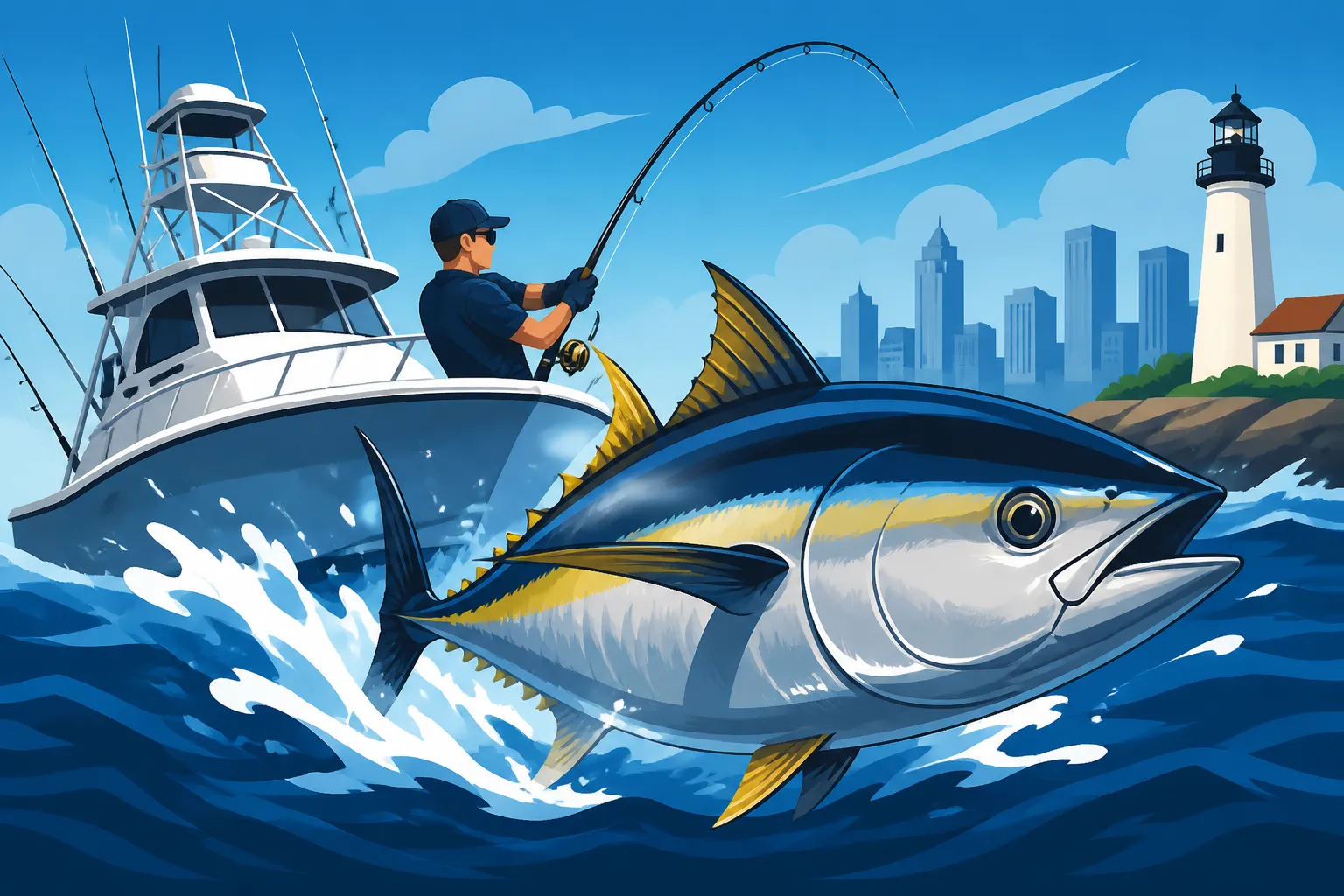
Hooking a bluefin tuna, even a "schoolie," is an experience unlike almost any other in fishing. These fish are pure muscle, built for speed and endurance, and they will test you, your tackle, and your resolve. A giant bluefin tuna can spool hundreds of yards of line off a heavy-duty reel in seconds, pulling with immense force that can feel like being connected to a small car. The fight can last anywhere from 30 minutes to several hours, involving a delicate dance between the angler and the fish, with the captain skillfully maneuvering the boat.
Anglers are often strapped into a fighting harness, which distributes the immense pressure across their core rather than just their arms. The crew will be barking instructions – "pump and reel!" "gain line!" "keep the rod up!" – guiding you through the grueling process. It's a true test of strength and stamina. Many anglers describe the experience as humbling, exhausting, and utterly exhilarating. This is why it's vital to have confidence in your captain and crew; they are essential coaches in this epic battle.
Catch and Release vs. Keeping Your Catch
The decision to keep or release a bluefin tuna often depends on a combination of factors: regulations, the fish's size, its health, and the angler's personal preference. Given the strict quotas and the high value of bluefin, many charters operate under specific guidelines. If a fish is caught within the legal size and quota for the day, and the angler wishes to keep it, the crew will typically dispatch and properly care for the fish to ensure its quality. Bluefin tuna meat is highly prized, and a legal catch can provide a substantial amount of delicious, sushi-grade fare.
However, a significant portion of bluefin tuna fishing is catch and release, especially for fish outside the legal slot limit or when quotas have been met. Responsible catch-and-release practices are crucial for the sustainability of the fishery. This involves minimizing the fight time, handling the fish as little as possible, avoiding dragging it onto the deck, and ensuring it's revived properly before release. Your captain will guide you on the best practices. It's always a good idea to discuss the charter's policy on keeping fish and potential processing options (like cleaning or filleting) before you book. Some charters may even have agreements with local buyers, offering options if you don't wish to take the entire fish home. Remember, for a fee, some charters will handle filleting; Whether the charter cleans and fillets your fish is a question to ask upfront.
| Month | Typical Bluefin Tuna Activity | Fishing Methods Dominant | Notes on Season Progression |
|---|---|---|---|
| May/Early June | Early arrivals, schoolie tuna, some giants | Trolling, searching for bait | Often inconsistent; water temps rising, bait moving in. |
| Mid-June | Increased activity, more consistent schoolie tuna | Trolling, some live baiting | Building momentum, good for initial trips. |
| July | Good numbers, schoolie and giant tuna present | Trolling, live baiting, some chunking | Season kicks off; weather generally stable. |
| August | Peak Season for Giants, high activity | Live baiting, chunking, jigging/popping | Highest chance for large fish, busy on the water. Demand is highest. |
| September | Strong numbers, good chance for giants | Live baiting, chunking, jigging/popping | Excellent fishing, but weather can start to become a factor. |
| October | Late season giants, fewer schoolies | Chunking, live baiting (if bait is present) | Good for dedicated anglers, but weather can be challenging. |
| Early Nov. | Winding down, opportunistic, weather dependent | Chunking, live baiting (last chances) | Few charters running, only for the most dedicated. |
Disclaimer
This article is for general informational purposes only and does not constitute professional advice. Laws, prices and regulations vary by location and change over time. Consult a qualified professional for guidance on your specific situation.