Can You Keep the Fish You Catch on a Charter?
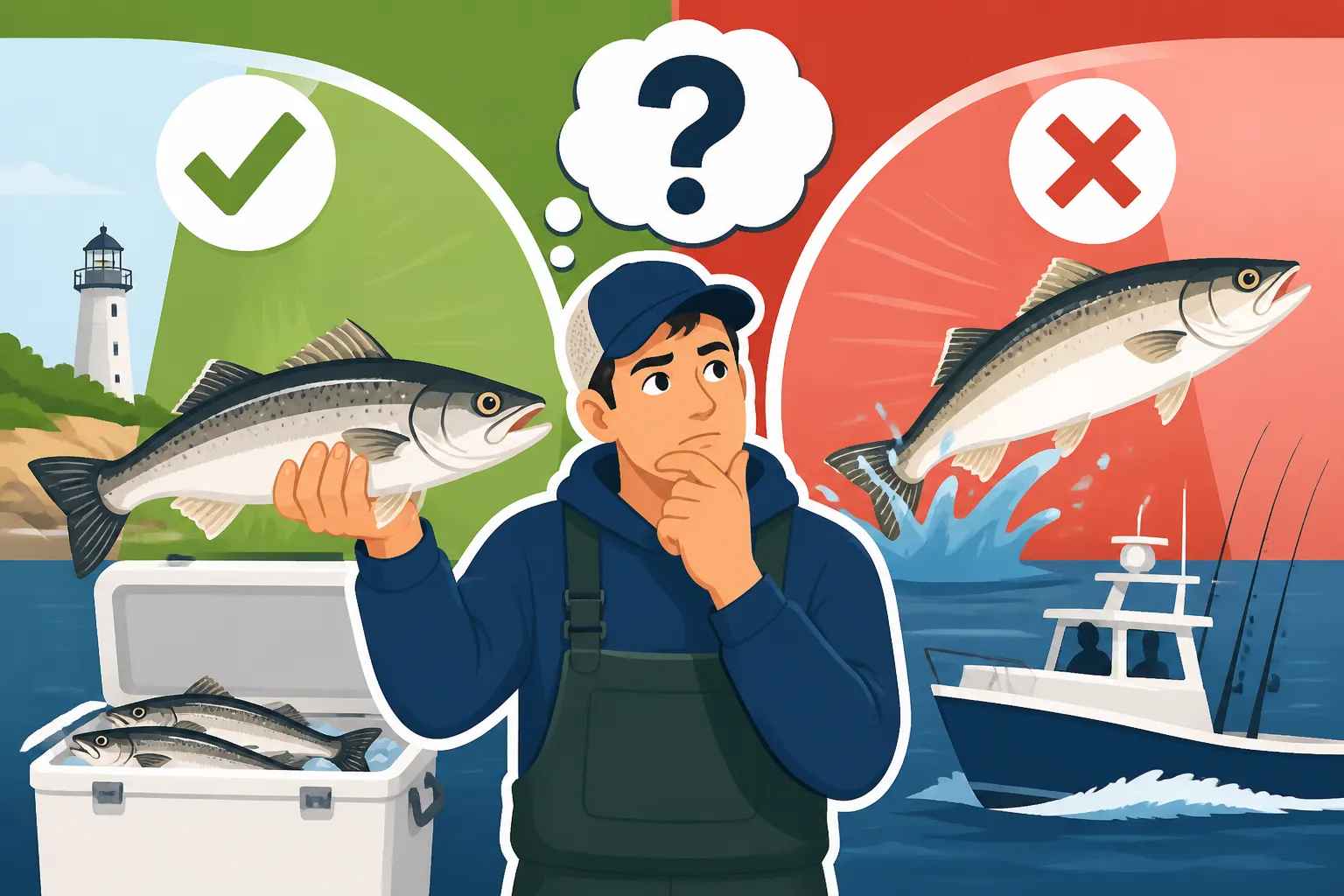
One of the most exciting parts of any fishing trip, especially a charter out on the open waters of Massachusetts, is the dream of bringing home a cooler full of fresh fish for dinner. You’ve put in the time, battled the waves, and wrestled with a feisty catch, so it’s only natural to wonder: can you actually keep the fish you land? The short answer is often "yes," but like most things in the world of angling, it's not quite that simple. This guide will walk you through the nuances of keeping your catch on a Massachusetts fishing charter, helping you understand the rules, the roles, and what to expect when that fish hits the deck.
Can You Keep Your Catch on a Massachusetts Fishing Charter?
The anticipation of a fishing charter is palpable. You imagine the tug on the line, the thrill of the fight, and then the satisfaction of a fresh fish on your plate. For many, bringing home dinner is a major reason to book a trip! Thankfully, most Massachusetts fishing charters do allow you to keep legal fish you catch. However, this isn't a blanket rule that applies to every fish, every day, or every charter. There are crucial layers of regulations and policies that dictate what can and cannot be kept.
The Captain's Authority and Your Responsibility
When you step aboard a Massachusetts fishing charter, remember that the captain is the ultimate authority on the vessel. They are not just steering the boat; they are also legally responsible for ensuring everyone on board adheres to all state and federal fishing regulations. This means they're the final arbiter of what comes over the rail and what goes back into the water. Even if you think a fish is a keeper, if the captain says it needs to go back, it goes back. This isn't them being difficult; it's them protecting their license, their business, and the fishery itself.
It's your responsibility as an angler to listen to the captain and crew. They'll often give you a quick rundown of the day's target species and the relevant size and bag limits. If you're unsure about a fish, always ask before you make a decision. They are experts and have a vested interest in following the rules, ensuring future generations can also enjoy Massachusetts Fishing.
Why the "Yes, But" Factors are So Important
The phrase "yes, but" really encapsulates the reality of keeping fish on a charter. You can keep fish, but only if they meet specific criteria. These criteria are designed for conservation, to manage fish populations, and ensure sustainable fishing practices for years to come. Ignoring these "buts" can lead to hefty fines for both you and the captain, and nobody wants that kind of memory from their fishing trip.
These factors can feel overwhelming if you're new to fishing or visiting from out of state. You might hear about slot limits, closed seasons, and different rules for different species, and it can make your head spin. But don't worry, a good charter captain will guide you every step of the way. Your job is to be receptive to their guidance and enjoy the experience, trusting that they know the ins and outs of the local Massachusetts Recreational Fishing Rules and Bag Limits.
Navigating the Regulations: Species, Seasons, and Limits
Massachusetts has a rich and diverse fishery, both in freshwater and saltwater. Each species, however, often comes with its own set of rules. These regulations are dynamic, changing based on scientific assessments of fish populations and conservation needs. What was legal last year might not be this year, and what's legal for one fish might be strictly prohibited for another.
Understanding Massachusetts Bag and Size Limits
One of the primary ways fisheries are managed is through bag limits and size limits. A bag limit refers to the number of fish of a specific species you are allowed to keep per person per day. For example, you might be allowed to keep two bluefish per person. A size limit dictates the minimum or maximum length a fish must be to be legally retained.
Sometimes, you'll encounter a slot limit, which is common for species like striped bass. A slot limit means you can only keep fish that fall within a specific size range – not too small, not too large. The idea is to protect the younger fish so they can grow and reproduce, and to protect the largest, most reproductively valuable fish, often called "breeders." If your fish is too small (undersized) or too large (oversized) for the slot, it must be released. It's crucial to understand these rules for each species you're targeting. For instance, Massachusetts Striped Bass Slot Limit Explained is a common topic of discussion on charters.
The Impact of Open and Closed Seasons
Just like hunting, many fish species have specific "open" and "closed" seasons in Massachusetts. During a closed season, keeping that particular species is strictly forbidden, even if you accidentally catch one. This measure is often in place to protect fish during critical spawning periods or to allow populations to recover.
For example, certain groundfish like cod might have very limited open seasons or strict bag limits, while others, like striped bass, have a longer season but with the aforementioned slot limits. Your charter captain will always be up-to-date on these seasonal restrictions. They'll know Massachusetts Fishing Seasons Explained inside and out and will only target species that are legally open to retention during your trip. This helps ensure that your fishing efforts are compliant and ethical.
How Charter Policies Can Affect Your Keeper Fish
While state and federal regulations are paramount, some individual charter operations might have their own policies regarding keeping fish. These are less about legality and more about the charter's business model or ethical stance. For example, some charters might specialize in "trophy" fish and encourage catch and release for all but the largest specimens. Others might focus heavily on specific species and therefore primarily adhere to those regulations.
It's also worth noting that for highly regulated or commercially valuable species, like certain tuna, the rules can be incredibly complex. Tuna charters often operate under specific commercial permits with strict boat limits, not individual angler limits. In these cases, even if you fight and land a giant tuna, the decision of whether it's kept and how it's distributed might be entirely up to the captain and the boat's permit, rather than your personal desire to take it home. When booking a trip through a service like FishingBooker, always check the charter's specific policies or ask the captain directly.
What Happens with Your Fish After the Catch?
So, you've battled a beautiful fish, brought it to the boat, and the captain confirms it's a legal keeper! Congratulations! Now what? This is where the practical side of bringing home dinner comes in. Most reputable charters offer services to handle your catch, but it's good to know what to expect.
Measuring, Identifying, and Ensuring Legality
As soon as a fish is landed and identified as a potential keeper, the crew will typically measure it to ensure it meets all size requirements. They'll use a legal measuring device and follow proper techniques. For slot limit species, they'll check both ends of the tape. If it's outside the legal range, they'll typically explain why and swiftly release the fish to maximize its chances of survival.
They'll also visually confirm the species. While seasoned anglers might be able to tell the difference between a striped bass and a white perch at a glance, the crew has to be absolutely certain to avoid any regulatory issues. This meticulous process is part of their professional duty and ensures that all fish kept are legitimate.
Filleting, Packaging, and Taking Your Fish Home
This is often one of the most appreciated services offered by a charter. Once the fishing is done, or sometimes throughout the day, the crew will clean and fillet your legal catch. They are usually incredibly skilled at this, turning a whole fish into pristine, boneless fillets ready for the cooler. This saves you a messy job at home and ensures you get the most meat from your fish.
It’s customary to tip the crew for their hard work, and this service is certainly part of that. While some charters might include filleting in the trip price, it's often seen as an extra service for which a generous tip is highly appreciated. Make sure to bring a large cooler with plenty of ice to transport your fillets home. The captain won't have extra coolers, and you'll want to keep your valuable catch fresh and cold, especially if you have a long drive ahead. Whether the charter cleans and fillets your fish is a great question to ask when booking.
Being an Informed Angler: Asking the Right Questions
The best way to ensure a smooth and enjoyable experience, especially when it comes to keeping your fish, is to be prepared and communicative. Don't be afraid to ask questions; charter captains prefer an informed client to one who might accidentally cause a problem.
Pre-Trip Conversations with Your Captain
Before you even step on the boat, have a conversation with your charter captain about what species you hope to target and what the current regulations are for keeping those fish. You can ask:
- "What fish are in season and commonly being caught right now that we can keep?"
- "What are the current size and bag limits for striped bass/bluefish/fluke (or whatever you're targeting)?"
- "Do you offer filleting services, and is there an extra charge or is a tip expected?"
- "What should I bring to store my catch?"
This pre-trip chat sets clear expectations and helps you understand what to anticipate. Many captains are happy to discuss this over the phone or email, and it shows you're a serious and responsible angler. You can often find contact information and details about their offerings on platforms like FishingBooker when you're looking to book a trip.
Resources for Staying Up-to-Date on Regulations
While your captain is your primary source of on-the-water regulation information, it's good practice to familiarize yourself with the basics beforehand. The Massachusetts Division of Marine Fisheries (DMF) and MassWildlife (for freshwater) websites are the official sources for current regulations. They publish detailed guides that outline seasons, bag limits, and size restrictions for all species.
These resources are invaluable for any angler, helping you understand Massachusetts Freshwater vs Saltwater License Differences and what kind of fishing you're getting into. Laws and regulations can change, sometimes annually, so checking the official channels is always a smart move. Being informed not only prevents issues but also deepens your understanding and appreciation for the conservation efforts that make Massachusetts fishing so exceptional.
Summary of Common Massachusetts Species & Keeping Rules
To give you a general idea, here's a quick overview of some popular species and their typical keeping rules in Massachusetts. Remember, these are general guidelines and regulations can change. Always confirm with your captain or current state resources.
| Species | Typical Keeping Rule (General) | Important Note |
|---|---|---|
| Striped Bass | Slot limit (e.g., 28-31 inches), 1 fish per angler per day. | Highly regulated. Slot limit aims to protect breeders and juvenile fish. |
| Bluefish | Bag limit (e.g., 5-10 fish per angler per day). No minimum size for recreational anglers. | Known for aggressive bites, often caught in good numbers. |
| Summer Flounder (Fluke) | Minimum size limit (e.g., 17-19 inches), bag limit (e.g., 5 fish per angler per day). | Varies significantly between shore and boat fishing, and by season. Massachusetts fluke minimum size, shore versus boat is complex. |
| Tautog | Minimum size limit (e.g., 16 inches), bag limits vary by season (e.g., 1-3 fish per angler). | Strict seasonal bag limits that can change monthly. Massachusetts tautog season dates and bag limits are critical. |
| Black Sea Bass | Minimum size limit (e.g., 15 inches), bag limit (e.g., 5-8 fish per angler per day). | Regulations often fluctuate based on stock assessment. |
| Cod | Very restrictive, often closed or extremely limited season/bag limits for recreational anglers. | Conservation concern; recreational retention is often challenging. Massachusetts recreational cod fishing rules are strict. |
| Bluefin Tuna | Highly complex, often boat limits or specific commercial permits. Very rarely an individual keep. | Recreational permits and daily retention limits are extremely rare and restrictive. Commercial value. |
| Haddock/Pollock | More lenient than cod, but still subject to size and bag limits. | Good option for bottom fishing charters when cod is restricted. |
Disclaimer
This article is for general informational purposes only and does not constitute professional advice. Laws, prices and regulations vary by location and change over time. Consult a qualified professional for guidance on your specific situation.