Where most Cape Cod charters depart from
It can be a bit overwhelming trying to plan a fishing trip to Cape Cod when you're not entirely sure where to even start looking for a charter boat. You know the Cape is huge, with so much coastline, and it feels like every town has a harbor. This guide is here to cut through that confusion, helping you understand the primary departure points for fishing charters across Cape Cod and what each area offers, so you can pick the perfect spot for your angling adventure.
Understanding Cape Cod's Fishing Geography
Cape Cod isn't just one big chunk of land; it's a dynamic, curving peninsula that creates distinct fishing environments. Thinking about the Cape's shape – often likened to a flexed arm – helps visualize why certain towns become hubs for specific types of fishing. This unique geography means captains choose their home ports strategically, based on their target species and the waters they aim to fish.
The Layout of the Hook and the Arm
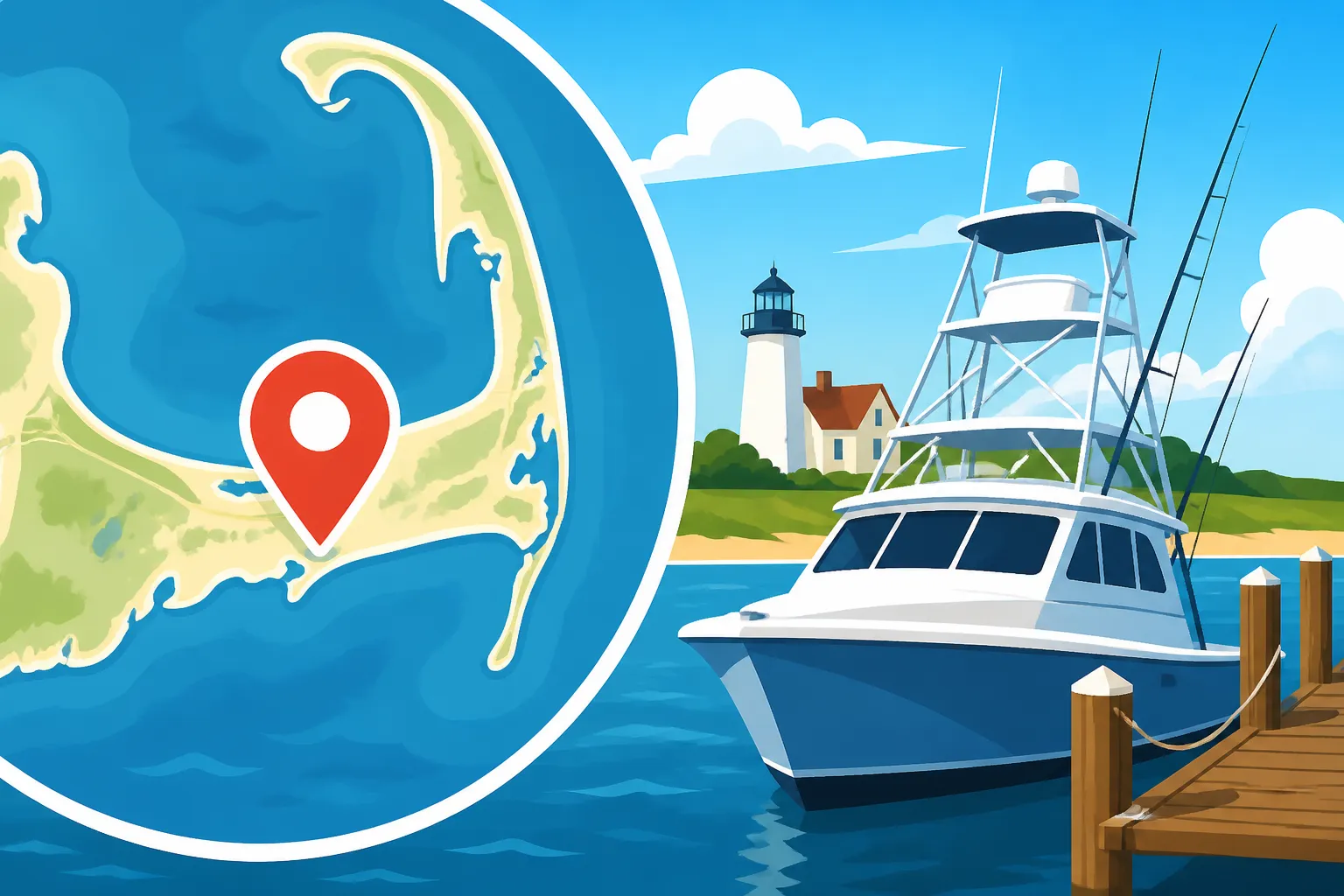
Imagine Cape Cod as a giant, bent arm. The "shoulder" connects to the mainland, the "bicep" curves south, the "forearm" extends eastward, and the "hand" or "hook" is Provincetown pointing north. Each segment of this arm offers different access points to the rich fishing grounds of New England. On the northern side, you have Cape Cod Bay, leading out to the broader Atlantic. The southern side faces Nantucket Sound and Vineyard Sound, which are generally shallower and more protected, eventually opening up to the vast offshore expanse.
This geographical diversity directly impacts charter operations. Charters departing from the southern side, for instance, often have quick access to the productive shoals and rips of Nantucket Sound, teeming with striped bass and bluefish. Meanwhile, boats leaving from the Outer Cape on the eastern side are positioned closer to the deep canyons and offshore banks, ideal for targeting tuna or shark. The "inner elbow" area, like Falmouth, might offer a quicker run to Buzzards Bay, a distinct fishery with its own charm and challenges. Understanding this fundamental layout is key to making an informed decision about your charter's departure point.
Why Proximity to Fishing Grounds Matters
For a charter captain, time is money, and fuel is a major expense. This means they are almost always looking for the most efficient path to their chosen fishing grounds. If a captain specializes in targeting giant bluefin tuna offshore, they're not going to base their boat in a harbor that requires a two-hour run through shallow, no-wake zones just to get to the open ocean. They'll want to be as close to the tuna grounds as possible. This is why you see concentrations of specific types of charters in certain areas.
For anglers, this proximity translates directly into more fishing time. A shorter run to the fishing grounds means less time cruising and more time with lines in the water. It also affects the overall cost and length of the trip, as fuel consumption and travel time are factored into charter rates. For example, a captain running a Massachusetts Bluefin Tuna Charters trip from Provincetown can be on the tuna grounds much faster than one departing from Falmouth, allowing for longer fishing windows within a full-day trip. Similarly, a captain focusing on inshore striped bass will likely prefer a port that offers sheltered waters for easy departure and immediate access to the rips and channels where those fish feed.
Key Departure Hubs for Cape Cod Fishing Charters
Cape Cod boasts several prominent towns that serve as bustling hubs for fishing charters, each offering unique advantages based on its location and access to specific fishing environments. Knowing these main departure points can significantly narrow down your search and align your trip with your fishing goals.
Upper Cape: Falmouth and Woods Hole
Down on the "shoulder" and "bicep" of the Cape, Falmouth and its neighbor Woods Hole are fantastic starting points, especially if you're coming from off-Cape and want to avoid driving too far. These towns offer convenient access to the rich waters of Vineyard Sound and Buzzards Bay, making them prime locations for a variety of inshore and nearshore trips. Charters from Falmouth typically target striped bass, bluefish, and various bottom fish like tautog, scup, and fluke. The waters here can be incredibly productive, with plenty of rips, shoals, and structure to hold fish.
Woods Hole, while smaller, is renowned for its strong currents and deep waters, which attract trophy-sized striped bass. It’s a very dynamic fishery right out of the harbor. You'll find a good mix of smaller, faster boats catering to light tackle enthusiasts and larger vessels offering traditional bait fishing. For families or those looking for a more relaxed trip without a long run offshore, these Upper Cape towns are excellent choices. They provide a quick exit from the harbor into productive waters, maximizing your time with a line in the water. If you're comparing options, platforms like FishingBooker can be incredibly useful for seeing which captains operate out of these specific ports and what their specialties are.
Mid-Cape: Barnstable, Hyannis, and Harwich
Moving eastward along the southern coast of the Cape, the Mid-Cape towns of Barnstable, Hyannis, and Harwich are central to the action. Hyannis, with its busy harbor, is often considered a major hub. These ports primarily provide access to Nantucket Sound, a vast body of water known for its relatively warmer temperatures and abundant marine life. Anglers departing from these locations can expect excellent opportunities for striped bass and bluefish, often found schooling around the numerous shoals and rips scattered across the Sound.
Beyond the Sound, some charters from these ports will venture slightly further south into the Atlantic for other species or even a bit into Cape Cod Bay, depending on where the fish are biting. Bottom fishing for fluke, scup, and sea bass is also popular here, especially in the calmer waters of Nantucket Sound. These towns are generally well-equipped with amenities, bait shops, and parking, making them practical choices for anglers. If you're looking for a good variety of trips targeting common inshore species, the Mid-Cape offers a solid base, often with competitive Cape Cod Charter Fishing Prices by Trip Length in Massachusetts. A quick search on a reputable platform like FishingBooker will show you a plethora of options departing from Hyannis, Harwich, and Barnstable, allowing you to compare boats and captains easily.
Outer Cape: Chatham, Orleans, and Provincetown
When it comes to serious offshore angling, the Outer Cape towns of Chatham, Orleans (specifically Rock Harbor or Nauset Beach access), and especially Provincetown, are the undisputed champions. Their geographical position on the "hand" or "hook" of the Cape provides the quickest routes to the deep offshore waters of the Atlantic, making them the primary departure points for Massachusetts Bluefin Tuna Charters and shark fishing expeditions.
Chatham is famous for its intricate system of sandbars and rips, making it a hotspot for striped bass and bluefish in its immediate vicinity, but also serves as a gateway to offshore grounds. Provincetown, situated at the very tip, is uniquely positioned to access both the Stellwagen Bank, known for its incredible whale watching and diverse fish populations, and the major tuna grounds to the east. Charters from Provincetown often boast the shortest runs to some of the most productive tuna waters in the North Atlantic. These ports are where you'll find larger, more robust offshore vessels, often equipped with specialized gear for big game fishing. If your dream is to battle a giant tuna, your charter will almost certainly be leaving from one of these Outer Cape towns.
What to Consider When Choosing Your Departure Port
Deciding where your Cape Cod fishing charter departs from isn't just about throwing a dart at a map. There are several practical considerations that can significantly impact your overall fishing experience, from the species you target to the convenience of your travel.
Target Species and Fishing Style
Your primary fishing goal should always be the biggest factor in choosing your departure port. Are you dreaming of a classic New England striped bass trip, casting soft plastics or live eels into rips? Then ports like Falmouth, Hyannis, or even a specialized guide for the Cape Cod Canal Fishing Guide for Massachusetts Anglers might be ideal. These areas provide excellent access to inshore and nearshore grounds where stripers and bluefish patrol. A charter from these locations will often focus on light tackle or bait fishing for these prevalent species. Knowing How to Catch Striped Bass in Massachusetts can help you determine if the charter's techniques align with your preferences.
On the other hand, if your ambition is to hook into a powerful bluefin tuna or test your mettle against sharks, then the Outer Cape is really your only viable option. Ports like Provincetown or Chatham offer the necessary proximity to the offshore canyons and banks where these pelagic giants roam. These charters are usually on larger, more powerful boats equipped for deep-sea adventures. If you're unsure where to find charters specializing in a certain fish, platforms like FishingBooker can help filter by target species, making your decision much simpler. Don't forget to review the Massachusetts Saltwater Fishing Seasons to ensure your desired species is in season during your visit!
Travel Time and Logistics
Beyond the fish, think about your travel to the Cape. Driving onto Cape Cod, especially during peak summer weekends, can be a test of patience. The Sagamore and Bourne Bridges can bottleneck traffic for miles. If you're staying on the Upper Cape, or coming from the Boston area for a day trip, departing from Falmouth or Sandwich might make more sense to minimize your pre-dawn drive. Conversely, if you're staying in Provincetown, it's illogical to drive all the way to Hyannis for a charter.
Consider parking availability at the marina, especially for early morning departures. Most charter operations have dedicated parking or can advise you on the best options. If you're coming from out of state, think about the full itinerary, including accommodations and any other activities. Remember, charter trips often start very early, so you'll want to factor in travel time to the dock. Having your What to Bring on a Massachusetts Fishing Charter ready the night before can save precious minutes.
Boat Type and Charter Offerings
The type of boat and the specific experience a charter offers can also influence your choice of departure port. While many harbors will have a mix, certain areas tend to specialize. For example, smaller, faster center consoles designed for light tackle inshore fishing might be more concentrated in the harbors closer to productive shallow water rips. Larger, heavier, and more seaworthy offshore sportfishing boats, purpose-built for tackling big waves and bigger fish, will almost exclusively operate out of the Outer Cape ports.
When you're researching, pay attention to the boat's size, amenities, and the captain's specialties. Do they offer half-day trips, full-day excursions, or even extended offshore trips? Are they equipped for Massachusetts Deep Sea Fishing Charters? Some captains are masters of bottom fishing for scup and tautog, while others live and breathe for the tuna bite. By using a service like FishingBooker, you can easily compare vessel types, read reviews, and see detailed descriptions of what each charter offers, ensuring the boat and captain are a perfect match for your angling aspirations.
Here’s a quick overview of what you can typically expect from charters departing from major Cape Cod towns:
| Departure Town | Primary Fishing Grounds | Common Target Species | Typical Charter Focus | Notes |
|---|---|---|---|---|
| Falmouth/Woods Hole | Vineyard Sound, Buzzards Bay | Striped Bass, Bluefish, Tautog, Fluke, Scup | Inshore/Nearshore, Light Tackle | Good for families, protected waters. |
| Sandwich | Cape Cod Bay | Striped Bass, Bluefish, Mackerel, Groundfish | Inshore/Bay Fishing | Good access to Canal areas, calmer bay waters. |
| Hyannis/Barnstable | Nantucket Sound | Striped Bass, Bluefish, Fluke, Scup, Sea Bass | Inshore/Nearshore, Bottom Fishing | Central location, easy access to shoals. |
| Harwich/Dennis | Nantucket Sound | Striped Bass, Bluefish, Fluke, Scup, Sea Bass | Inshore/Nearshore, Bottom Fishing | Similar to Hyannis, good access to east Nantucket Sound. |
| Chatham | Outer Cape Rips, Atlantic | Striped Bass, Bluefish, Bluefin Tuna, Cod, Haddock, Shark | Inshore/Nearshore, Offshore Tuna/Shark | Diverse fishing, gateway to deep water. |
| Orleans (Rock Harbor) | Cape Cod Bay | Striped Bass, Bluefish | Inshore Bay Fishing | Focus on northern Cape Cod Bay. |
| Provincetown | Stellwagen Bank, Offshore | Bluefin Tuna, Cod, Haddock, Pollack, Shark, Striped Bass | Offshore Big Game, Groundfishing | Closest to major tuna grounds, longer runs for groundfish. |
Ultimately, the best departure point for your Cape Cod fishing charter is the one that best aligns with your angling ambitions, logistical preferences, and the species you're most eager to pursue. Don't be afraid to read reviews, check out Booking a Fishing Charter on Cape Cod tips, and even call captains to discuss their specialties before making your final decision. The waters off Cape Cod are waiting, and with a little planning, you'll be casting your line in no time.
Disclaimer
This article is for general informational purposes only and does not constitute professional advice. Laws, prices and regulations vary by location and change over time. Consult a qualified professional for guidance on your specific situation.