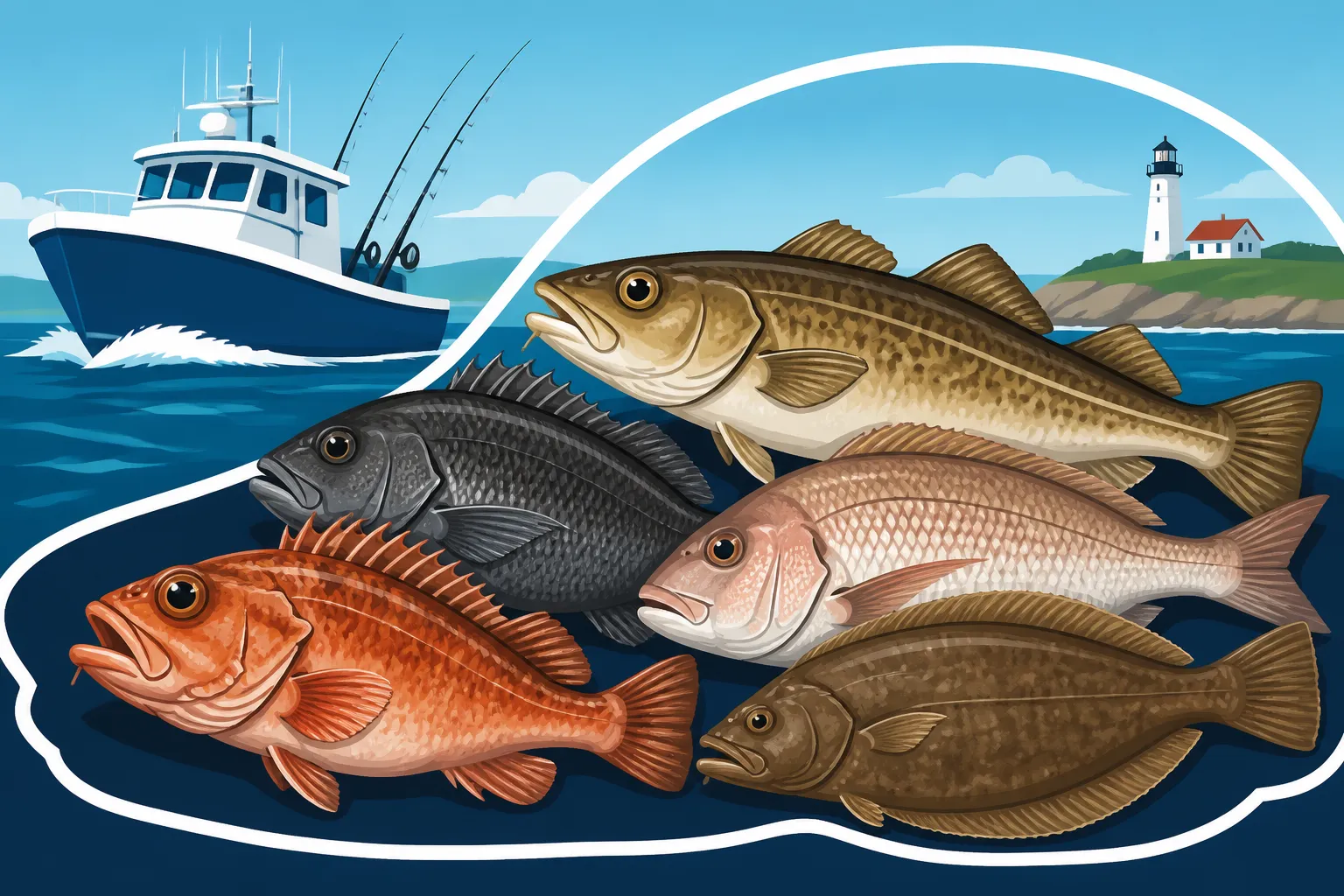
Fish you catch on a Massachusetts bottom fishing trip
There’s nothing quite like the anticipation of a Massachusetts fishing trip, especially when you’re heading out for some good old-fashioned bottom fishing. You might be dreaming of pulling up a big, delicious fish, but if you're new to the game or just curious, it's natural to wonder: what exactly am I likely to catch down there? This guide will dive deep into the species you can expect to encounter on a typical Massachusetts bottom fishing excursion, helping you prepare for a day of productive angling.
Understanding What Bottom Fishing Really Means
Before we talk about specific fish, let’s clear up what we mean by "bottom fishing." It's pretty much exactly what it sounds like: a fishing technique focused on catching fish that live, feed, or hide near the seafloor. Unlike trolling for pelagic species that swim in open water, or casting for schooling fish near the surface, bottom fishing targets those creatures that hug the contours of ledges, wrecks, reefs, and rocky structures.
The Gear and the Goal
When you're bottom fishing, your setup is usually designed to get your bait or lure down quickly and keep it there. This often means using heavier sinkers than you might for other types of fishing, paired with sturdy rods and reels capable of handling the weight and the strong pulls of bottom-dwelling fish. The goal isn't just to catch any fish, but to specifically target those species known for residing in these deeper, structured habitats. It's a hands-on, often exhilarating form of fishing where you feel every bump and nibble, and the fight is often a powerful, head-shaking tug-of-war straight off the seabed.
Why Bottom Fish?
Anglers love bottom fishing for a few reasons. First, many bottom fish are fantastic table fare, offering delicious white meat that's perfect for filleting and cooking. Second, the fight can be incredibly rewarding. These fish often have a lot of leverage against you from the bottom, making for a challenging retrieve. Third, it's often a more consistent way to catch fish, especially when other techniques might be slow. There's a certain stability in knowing that if you find the right structure, the fish are often there, waiting for a meal.
The Main Event: Key Bottom Fish Species
When you drop a line to the bottom in Massachusetts waters, there are a few star players you're most likely hoping to reel in. These are the fish that define a great bottom fishing trip, whether you're heading out of Gloucester, Plymouth, or a Cape Cod port.
Fluke (Summer Flounder)
Fluke, also known as summer flounder, are absolute favorites for bottom fishermen. These flatfish are masters of camouflage, lying patiently on sandy or muddy bottoms, waiting to ambush baitfish or crustaceans. When you hook a fluke, especially a larger one, you'll feel a distinct thumping fight as they try to shake the hook.
They are incredibly popular for their delicate, flaky white meat, making them a top choice for dinner. You'll often find fluke in estuaries, bays, and nearshore waters, particularly around structure transitions where sandy bottom meets a drop-off or weed line. Anglers typically target them by drift fishing with bait like squid strips, spearing, or silversides, often presented on a "fluke rig" with a teaser hook above a bucktail jig or a baited hook. Make sure you're familiar with the Massachusetts Fluke Size Limits Explained before you head out, as regulations are in place to protect this valuable fishery.
Scup (Porgy)
Scup, sometimes called porgy, are another ubiquitous bottom fish in Massachusetts. They're a schooling fish, so when you find them, you can often catch several in short order. Scup aren't known for a blistering fight, but they offer a consistent bend in the rod and are fantastic for families or beginner anglers because they bite readily.
These fish prefer rocky bottoms, mussel beds, and shell-covered areas. They're relatively small compared to some other game fish, but what they lack in size, they make up for in numbers and flavor. Many people consider scup excellent eating, with sweet, white flesh. Pieces of clam, seaworms, or squid are classic baits for scup, fished on a simple bottom rig with a sinker at the end and two snelled hooks above it. You'll find them abundant throughout the summer and early fall in many inshore and nearshore spots. If you're looking for more details on this particular species, you can check out Scup and Porgy Fishing in Massachusetts.
Tautog (Blackfish)
Oh, the tautog! If you're looking for a challenging fight and some serious structure fishing, tautog are your target. These fish are notorious for their powerful jaws, crushing crustaceans and shellfish. They are absolute brutes on the line, pulling hard and heading straight for the nearest rock to try and break you off. You need stout tackle and quick reflexes to get them away from their rocky homes.
Tautog are primarily found around rocky shoals, wrecks, jetties, and bridge pilings. Their preference for these snag-heavy environments means you'll lose some gear, but the reward of a fresh tautog dinner is often worth it. Green crabs, hermit crabs, and fiddler crabs are prime baits for tautog, fished directly on the bottom with a stout J-hook or circle hook. Knowing the Massachusetts Tautog Size and Bag Limit by Season is crucial, as their regulations can vary throughout the year. Many experienced bottom fishermen specifically book trips when tautog are in season, often researching captains on platforms like FishingBooker who specialize in this demanding fishery.
Black Sea Bass
Black sea bass are beautiful, hard-fighting, and delicious fish that have become increasingly popular with Massachusetts bottom anglers. They offer a respectable fight for their size and are highly prized for their firm, white meat. When you reel in a black sea bass, you'll often see them change colors, flashing vibrant blues and purples.
Like tautog, black sea bass are structure-oriented, preferring rocky reefs, wrecks, and mussel beds, but they can also be found over softer bottoms near structure. They're voracious eaters, readily taking clams, squid, crabs, and even small jigs. A high-low rig or a simple jig-and-teaser setup works wonders for black sea bass. You'll typically find them in cooler, deeper waters, often congregating in significant numbers. To learn more about targeting this species, take a look at Black Sea Bass Fishing in Massachusetts.
Beyond the Usual Suspects: Other Potential Catches
While fluke, scup, tautog, and black sea bass are the bread and butter of bottom fishing in Massachusetts, you never quite know what might grab your bait. Sometimes, other exciting species make an appearance, adding a delightful surprise to your cooler.
Cod and Haddock
Once mainstays of Massachusetts bottom fishing, cod and haddock populations have faced challenges, leading to stricter regulations. However, you can still encounter these iconic groundfish on dedicated trips, particularly in deeper, colder offshore waters. They prefer rocky or gravelly bottoms and feed on everything from crabs and worms to small fish.
Cod are known for their strong, steady pull, while haddock have a distinctive head-shaking fight. Both are exceptional eating fish, with sweet, delicate white flesh. If you're targeting them, large baited hooks with clams, squid, or jigs are the way to go. It's vital to stay updated on the latest Massachusetts Recreational Fishing Rules and Bag Limits for these species, as rules can change. Many captains, who list their services on sites like FishingBooker, will specify if their trips target cod and haddock, given the specific regulations involved.
Dogfish and Skates
Not every hookup is a prized game fish, and on a bottom fishing trip, you're almost guaranteed to encounter a few "nuisance" species like dogfish (spiny dogfish are most common) and various skates. These cartilaginous fish are abundant, often schooling in large numbers, and will readily snatch bait.
While not typically sought after for food by recreational anglers (though dogfish are commercially harvested), they can provide some entertainment and a good pull on the line. Dogfish have sharp spines, so handle them with care! Skates, with their distinctive flat bodies, also put up a decent fight. They’re usually released quickly, but they are a common part of the bottom ecosystem.
Striped Bass and Bluefish
Occasionally, while fishing for bottom dwellers, a predatory striped bass or bluefish will wander close to the bottom and snatch your bait. This is less common than catching them by casting or trolling, but it's a welcome surprise! These powerful fighters will quickly distinguish themselves with their aggressive runs and strong pulls. If you're using bottom rigs with live bait or a large chunk of cut bait, you increase your chances of hooking into one of these bruisers. A sudden, violent strike followed by a screaming reel usually signals one of these open-water predators has decided to explore the bottom buffet. For tips on battling these, our guide on How to Catch Striped Bass in Massachusetts might come in handy, even if you weren't expecting to read it on a bottom fishing article!
Planning Your Bottom Fishing Adventure in Massachusetts
Now that you know what to expect, how do you make your bottom fishing trip a reality? Massachusetts offers fantastic opportunities, whether you're bringing your own boat or hopping aboard a charter.
Choosing the Right Time and Place
The best time for bottom fishing in Massachusetts largely depends on the species you're targeting. Fluke and black sea bass are warm-water species, most abundant from late spring through early fall. Tautog fishing peaks in the spring and particularly in the fall, when water temperatures are just right. Scup are pretty reliable throughout the warmer months. You can dive deeper into seasonal patterns by checking out our Massachusetts Saltwater Fishing Seasons guide.
Location-wise, almost any port along the Massachusetts coast offers access to good bottom fishing grounds. From the rocky shores of Cape Ann to the sandy expanses of Cape Cod and the islands, structure exists where these fish thrive. Knowing the local conditions and where specific structures are is key.
Charters and Guides: Your Best Bet for Success
If you're not an experienced boater or don't have access to one, booking a fishing charter is an excellent way to experience Massachusetts bottom fishing. Captains know the local waters like the back of their hand, constantly monitoring conditions, bait movements, and fish concentrations. They provide all the necessary gear, bait, and most importantly, the expertise to put you on the fish.
When looking for a charter, don't hesitate to ask captains what species they primarily target on their bottom fishing trips. Many captains, whether found through local marinas or online booking platforms like FishingBooker, will clearly outline their specialties. A good captain can make all the difference between a few nibbles and a cooler full of delicious fish. While you're at it, it's a good idea to understand Massachusetts Fishing Charter Costs so you know what to expect.
| Species | Preferred Habitat | Common Baits | Fight Difficulty | Table Fare Rating |
|---|---|---|---|---|
| Fluke (Summer Flounder) | Sandy/muddy bottoms, structure edges | Squid strips, spearing, live killies | Moderate | Excellent |
| Scup (Porgy) | Rocky bottoms, shell beds, reefs | Clam, seaworms, squid pieces | Easy-Moderate | Good |
| Tautog (Blackfish) | Rocky shoals, wrecks, jetties | Green crabs, hermit crabs, fiddler crabs | Hard | Excellent |
| Black Sea Bass | Rocky reefs, wrecks, mussel beds | Clam, squid, crabs, small jigs | Moderate | Excellent |
| Cod | Deeper rocky/gravelly bottoms | Clam, squid, jigs | Moderate | Excellent |
| Haddock | Deeper rocky/gravelly bottoms | Clam, squid, jigs | Moderate | Excellent |
| Dogfish | Various bottom types, often schools | Any cut bait | Moderate | Poor (usually released) |
| Skates | Sandy/muddy bottoms | Any cut bait | Moderate | Poor (usually released) |
Essential Gear and Tips
Even on a charter, it's wise to bring a few essentials. Dress in layers, as New England weather can be unpredictable, even in summer. Sunscreen, a hat, and polarized sunglasses are always a good idea. Bring plenty of water and snacks. If you're prone to seasickness, take precautions before you get on the boat.
For those venturing out on their own, a medium-heavy rod with a conventional reel spooled with braided line is a solid choice for most bottom fishing scenarios. Keep your rigs simple, and don't be afraid to experiment with different baits if one isn't working. And remember, always consult the latest regulations for size and bag limits for all species before you keep any fish. Understanding Massachusetts Fishing License Requirements by Age and other regulations is critical for a legal and enjoyable trip.
Final Thoughts on Your Bottom Fishing Haul
Massachusetts bottom fishing offers a rich and diverse experience for anglers of all skill levels. From the prized fluke and tautog to the plentiful scup and sea bass, there's always something to keep your rod bent and your spirits high. The beauty of it is that every trip can be different, with unexpected catches adding to the adventure. Whether you're heading out for a day of targeting delicious table fare or simply enjoying the tug of a fighting fish, the bottom fishing grounds of Massachusetts are ready to deliver. So grab your gear, book that trip—perhaps checking out options on FishingBooker—and get ready to explore the depths!
Disclaimer
This article is for general informational purposes only and does not constitute professional advice. Laws, prices and regulations vary by location and change over time. Consult a qualified professional for guidance on your specific situation.