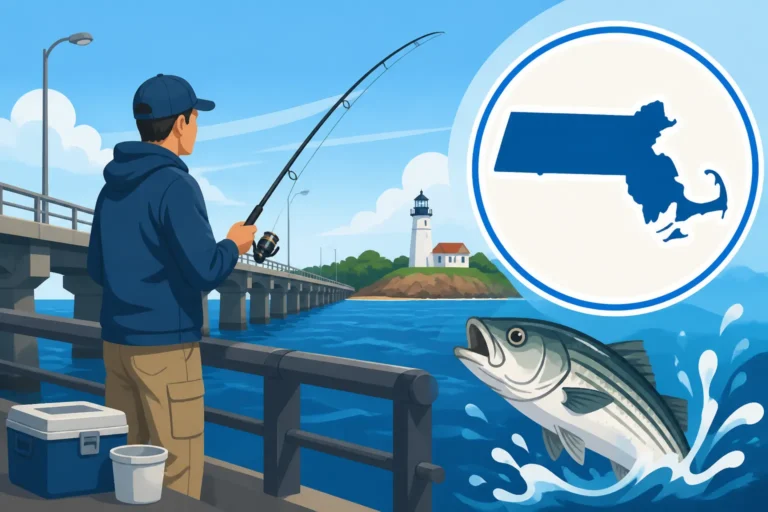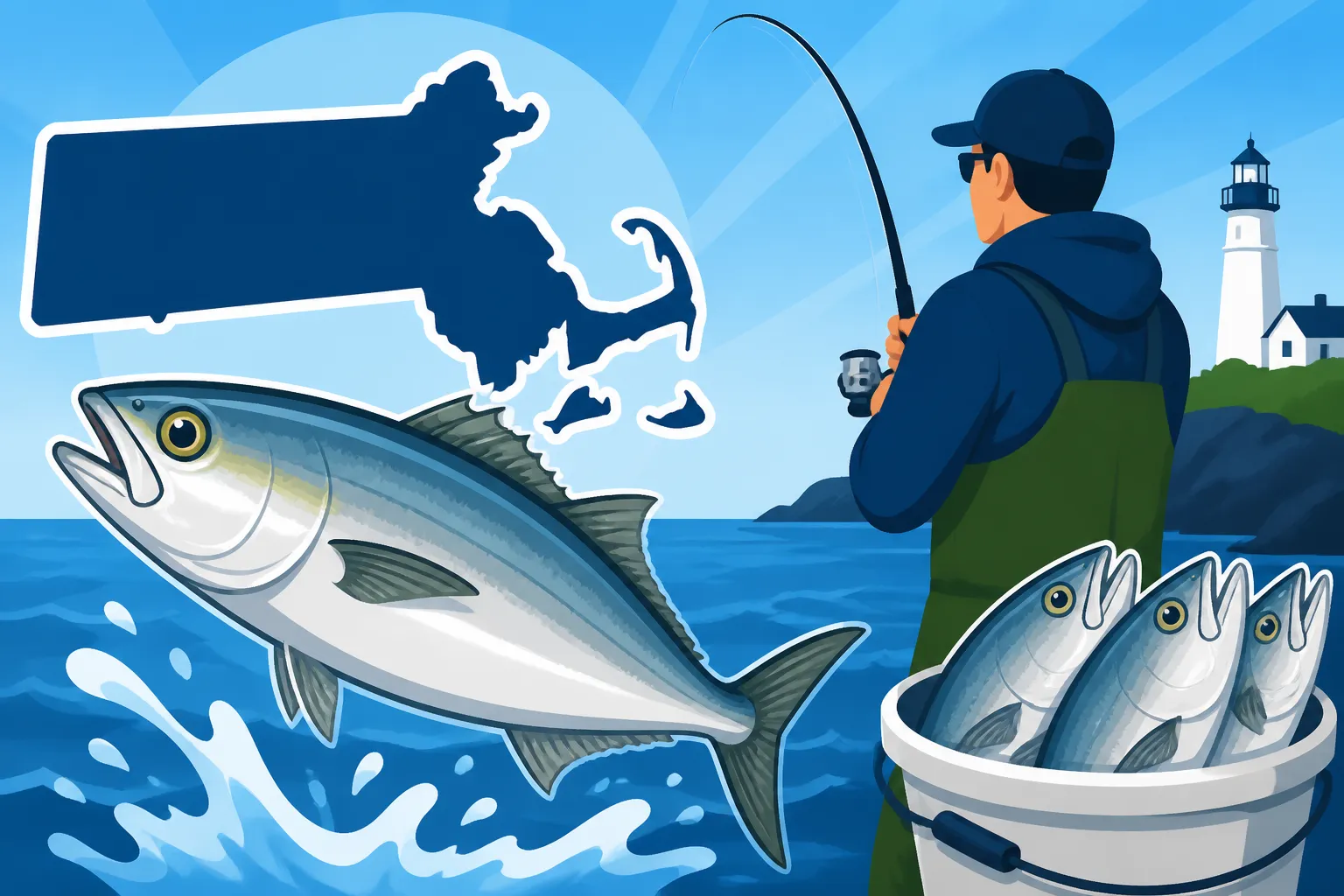
Massachusetts bluefish daily bag limit
Hey there, fellow anglers! There’s nothing quite like the thrill of a bluefish hitting your line—that aggressive strike, the powerful fight, and the sheer excitement of landing such a feisty fish. But let's be honest, keeping up with all the fishing regulations can sometimes feel like trying to untangle a backlash in the dark, especially when it comes to daily bag limits. It’s easy to get confused, and no one wants to accidentally break the rules. This comprehensive guide is here to clear up all the mystery around the Massachusetts bluefish daily bag limit, helping you fish responsibly and enjoy your time on the water without a worry.
Understanding the Massachusetts Bluefish Daily Bag Limit
Fishing in Massachusetts, especially for popular species like bluefish, comes with a set of guidelines designed to ensure these incredible fish populations remain healthy for years to come. It’s not about restricting your fun; it’s about sustainable enjoyment. For bluefish, the rules are pretty straightforward, but it’s always good to have them laid out clearly so there's no room for doubt when you're out there on the boat or casting from shore.
Current Daily Bag Limit for Recreational Anglers
As of the current regulations, recreational anglers fishing in Massachusetts waters are allowed to keep a specific number of bluefish per day. It’s a pretty generous limit, reflecting the robust nature of bluefish populations in our area. Currently, the daily bag limit for bluefish in Massachusetts is 10 bluefish per angler per day. This applies whether you're fishing from your own boat, a friend's boat, or casting from the beach or a pier.
This number might seem like a lot, and for many casual anglers, it's more than enough for a fantastic day's catch and some delicious meals. It's important to remember that this limit is per person, not per boat, unless specified otherwise for certain types of fishing, like for-hire vessels which we'll touch on later. Always make sure to check the latest MassWildlife or Massachusetts Division of Marine Fisheries (DMF) regulations, as these numbers can change. A quick search for the Massachusetts Recreational Fishing Rules and Bag Limits can help keep you updated.
Clarifying "Daily" and "Possession" Limits
You might hear terms like "daily limit" and "possession limit," and it’s crucial to understand the difference, although for bluefish in Massachusetts, they often align.
- Daily Bag Limit: This is the maximum number of fish you can catch and keep within a 24-hour period, from midnight to midnight. So, if you go out fishing first thing in the morning and catch your limit, you can't go out again that same day and keep more fish. It's about how many you can harvest in one calendar day.
- Possession Limit: This refers to the maximum number of fish you can have in your possession at any given time, whether they are on your boat, in your cooler, in your vehicle, or at your home. For many species, the possession limit is the same as the daily bag limit. This means if the daily limit is 10 bluefish, you shouldn't have more than 10 bluefish in your freezer from previous trips unless you can clearly prove they were caught on different days and within the daily limits of those respective days. This is where it can get tricky for multi-day trips, but for typical day-trip fishing, if you caught 10 bluefish, you can possess 10 bluefish.
It's generally a good practice to only keep what you intend to eat or process immediately. Bluefish are best fresh, so exceeding personal consumption needs just to hit a limit isn't always the best strategy for taste or conservation.
No Minimum Size or Closed Season for Recreational Bluefish
One of the simpler aspects of bluefish regulations in Massachusetts is the absence of a minimum size limit for recreational anglers. Unlike species like striped bass or tautog, where fish must meet specific length requirements, you can keep any size bluefish you catch, as long as you adhere to the daily bag limit. This means that even the smaller "snapper blues" or "choppers" are fair game if you want to keep them.
Additionally, there isn't a closed season for recreational bluefish fishing in Massachusetts. You can target them whenever they are present in our waters, typically from late spring through fall, when water temperatures are suitable. This makes bluefish a fantastic species to pursue throughout much of the warmer fishing months, offering consistent action when other species might be out of season or harder to find.
However, while there's no minimum size, many anglers choose to release smaller bluefish, especially if they are targeting larger ones for fillets. The choice is yours, but always prioritize the health of the fish if you're releasing it. Knowing How to Catch Bluefish in Massachusetts can often help you target the sizes you prefer.
Here's a quick summary table of the key bluefish regulations for recreational anglers in Massachusetts:
| Regulation Aspect | Current Rule in Massachusetts (Recreational) |
|---|---|
| Daily Bag Limit | 10 bluefish per angler per day |
| Possession Limit | 10 bluefish per angler |
| Minimum Size Limit | None |
| Closed Season | None (open year-round when present) |
Why These Limits Matter: Conservation and Sustainable Fishing
Understanding the specific regulations is one thing, but truly appreciating why these limits are in place can shift our perspective from merely following rules to actively participating in conservation. The Massachusetts Division of Marine Fisheries (DMF) and other agencies don't just pull numbers out of a hat; these limits are based on scientific assessments of fish stocks, population health, and broader ecosystem needs.
Protecting Bluefish Populations for Future Generations
Bluefish are incredibly important to the marine ecosystem, serving as a significant predator and prey species. Their migratory patterns bring them into our waters for much of the fishing season, and their aggressive feeding habits make them a thrill to catch. However, like any fish species, their populations can be impacted by overfishing, habitat loss, and environmental changes.
Bag limits are a primary tool used by fisheries managers to regulate harvest levels. By limiting the number of fish each angler can keep, the DMF aims to prevent overexploitation and ensure that enough bluefish survive to reproduce and contribute to future generations. This helps maintain a healthy, balanced population, ensuring that bluefish continue to thrive in Massachusetts waters for both current and future anglers. Without these thoughtful limits, we could see a decline in bluefish numbers, impacting not only our fishing opportunities but also the intricate web of life in the ocean.
The Role of Anglers in Conservation
Every angler plays a vital role in conservation. It's not just about what the government mandates; it's about personal responsibility and ethical angling. Adhering to bag limits, even when you could theoretically catch more, demonstrates a commitment to the health of the resource.
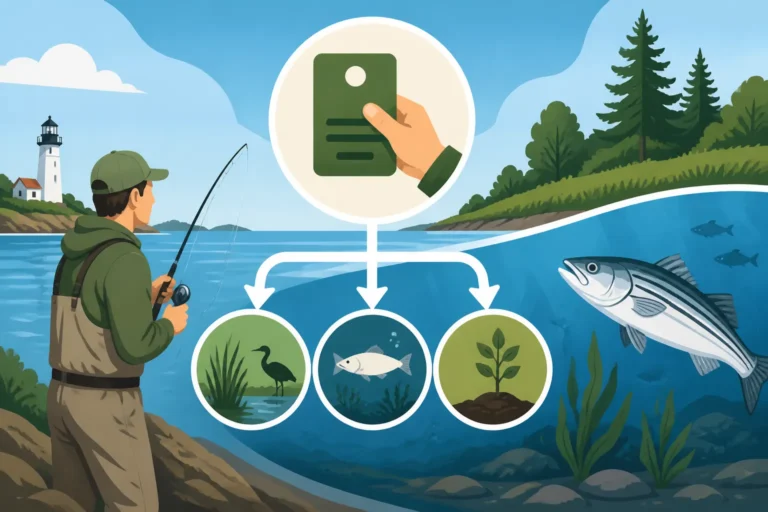
Think about it this way: if everyone decided to keep as many bluefish as they could, regardless of limits, the species wouldn't stand a chance. By respecting the 10-fish daily limit, we collectively ensure that the overall harvest remains within sustainable levels. This extends beyond bluefish, to all species that have limits in place. When you renew your Massachusetts Fishing License Guide each year, remember that a portion of those fees goes directly into conservation efforts, stocking programs, and scientific research—all of which are vital for healthy fisheries. It's a shared responsibility, and our actions on the water truly make a difference.
Practical Tips for Adhering to Bluefish Regulations
Knowing the rules is one thing, but putting them into practice effectively and responsibly while you’re focused on the thrill of the catch can be another. Here are some practical tips to help you stay compliant and make the most of your bluefish adventures in Massachusetts.
Keeping Track of Your Catch
It sounds simple, but when the bite is hot, it’s easy to lose count. Imagine a chaotic bluefish blitz where you’re landing fish one after another. Before you know it, you might have more than your 10-fish limit in the cooler.
- Designate a "Keeper" Cooler: Have a separate cooler or section of a cooler specifically for fish you intend to keep. This helps you visually track your numbers.
- Use a Clicker or Tally: Small, handheld clicker counters, often used in golf or for crowd counting, can be a simple way to keep a running tally. Every time a fish goes into the cooler, click it. You can find these easily online, perhaps even on platforms like Amazon.
- Culling and Releasing: Bluefish are tough, but proper handling is key for released fish. If you've caught a few smaller ones and later hook into a larger, more desirable bluefish, you might want to "cull" one of the smaller ones. This means releasing a fish you’ve already kept to replace it with a larger one, as long as you remain within your daily limit. For example, if you have 9 small bluefish in the cooler and catch a huge one, you can release a small one and keep the large one, maintaining your 10-fish limit. However, always ensure the fish you're releasing has a good chance of survival. Handle it minimally, get it back in the water quickly, and avoid touching its gills. A good understanding of Bluefish Fishing in Massachusetts techniques can help reduce harm to released fish.
Essential Gear for Responsible Bluefishing
Having the right gear isn't just about catching fish; it's also about complying with regulations and practicing good stewardship.
- Measuring Device: While there's no minimum size limit for bluefish, it's a good habit to carry a measuring tape or stick. You never know when you might switch targets to a species that does have a size limit, like striped bass, where knowing How to Identify a Keeper Striped Bass in Massachusetts is crucial. Plus, it's fun to know how big your fish actually are!
- De-hooking Tool: Bluefish have incredibly sharp teeth. A long-nosed pliers or a specialized de-hooking tool makes it much safer to remove hooks, especially from fish you intend to release, minimizing stress and injury to both the fish and your fingers.
- Fish Scale (Optional but handy): If you're interested in the weight of your catch, a portable digital fish scale can be a fun addition to your tackle box. These are widely available, for instance, through retailers like Amazon, and can help you track personal bests.
- MassFishHunt App/Regulations Pamphlet: Always have access to the most current regulations. The MassFishHunt mobile app is fantastic for this, providing up-to-date rules. You can also pick up a physical Massachusetts Fishing Regulations Pamphlet, Explained from local bait and tackle shops or print one from the MassWildlife website. It's your ultimate rulebook.
Staying Informed About Regulation Changes
Fisheries management is dynamic. Regulations can change annually, sometimes even mid-season, based on scientific data, stock assessments, and management goals. What was true last year might not be true today.
- Official Sources are Key: Always rely on official sources like the Massachusetts Division of Marine Fisheries (DMF) website (mass.gov/marine-fisheries) or MassWildlife (mass.gov/masswildlife). Don't just trust hearsay or old forum posts.
- MassFishHunt System: The MassFishHunt system is not just for buying your Massachusetts Fishing License Guide; it's also a great resource for current regulations. If you manage your license through this portal, you'll often find links to the latest rules.
- Local Bait & Tackle Shops: These shops are often on the front lines of regulation changes. The owners and staff are usually well-informed and can offer valuable insights. Plus, they're great places to grab bait, tackle, and local tips!
Navigating Specific Scenarios and Common Questions
Even with the basic limits clear, unique situations can arise on the water. It’s always good to be prepared for those “what if” moments, especially when it comes to shared experiences or unforeseen circumstances.
Do Kids' Catches Count Towards the Limit?
This is a common question, especially for families introducing youngsters to the joys of fishing. In Massachusetts, generally, if a child is actively fishing and is required to have a license (or would be if they were older), their catch would count towards their individual daily limit, just like an adult's.
However, the question of whether a minor needs a fishing license in Massachusetts depends on their age. Children under the age of 15 do not need a saltwater recreational fishing permit or a freshwater fishing license in Massachusetts. If they are not required to have a permit/license, and are fishing under the direct supervision of an adult who does hold a valid permit/license, there isn't usually an explicit individual bag limit for that child. Instead, their catch is often considered part of the adult's daily bag limit for that species, or it contributes to a single combined household/boat limit if only one adult is licensed.
To be absolutely safe and clear, it's best to consult the specific guidelines for Massachusetts Fishing License Requirements by Age or the Massachusetts Fishing Regulations pamphlet. The most conservative approach is to consider all fish caught on board (or by your group from shore) to contribute to the combined legal limit of the licensed individuals present. If you have two licensed adults, you can pool your 10-fish limits for a total of 20 bluefish.
What if I'm on a Charter or Party Boat?
This is where things can get a little different. When you're fishing on a for-hire vessel, like a charter boat or a party boat (also known as a head boat), the rules sometimes shift from individual angler limits to a vessel limit.
- Charter Boats: Many smaller charter boats operate under specific federal or state for-hire regulations. For bluefish, while the recreational limit is 10 per person, a charter might have a vessel limit for certain species, or they might adhere to the individual angler limits for each paying passenger who is actively fishing and holding the appropriate permit (like a Massachusetts Saltwater Recreational Fishing Permit Explained). It’s essential to clarify the bluefish limits with your captain before your trip. They are responsible for ensuring the boat's compliance and will guide you on how many fish you can keep. Remember, you generally do not need your own saltwater permit if you are a paying passenger on a properly licensed for-hire vessel, as the captain's permit covers the passengers. Check out the Do Charter Passengers Need Their Own Massachusetts Saltwater Permit? article for more on this.
- Party Boats (Head Boats): These larger vessels take many anglers out at once. They often operate under strict vessel limits for various species. For bluefish, while theoretically each person could keep 10, the boat itself might have an overall limit for bluefish per trip to stay within federal guidelines or to manage their take more conservatively. Again, the captain or crew will announce the rules at the beginning of the trip. Always listen carefully to their instructions regarding what you can keep and how they handle the counting and processing of fish.
What Are the Penalties for Exceeding the Limit?
Fishing regulations are law, and exceeding the daily bag limit for bluefish (or any other species) can lead to penalties. It's not just a slap on the wrist. Enforcement officers from the Massachusetts Environmental Police (MEP) are out on the water and patrol coastal areas to ensure compliance.
- Fines: The most common penalty is a monetary fine. These fines can vary depending on the severity of the violation, the number of fish over the limit, and whether it's a first offense or a repeat violation. Expect fines to be substantial enough to act as a deterrent.
- Confiscation: Any fish caught illegally or over the limit can be confiscated by enforcement officers. This means you lose your hard-earned catch.
- License Suspension/Revocation: In more serious or repeated cases, your fishing license or saltwater permit could be suspended or even permanently revoked. This would mean you wouldn't be able to legally fish in Massachusetts for a period of time, or ever again in severe circumstances.
- Court Appearances: For significant violations, you might be required to appear in court.
The consequences for fishing without a license, keeping undersized fish, or exceeding bag limits are serious. It is far better to err on the side of caution. If you're unsure, release the fish or clarify the rules immediately. You can find more information about potential repercussions in resources like Penalties for Fishing Without a License in Massachusetts, which often extend to other violations like exceeding bag limits.
How Bluefish Limits Compare to Other Species
It's helpful to understand that bluefish limits are part of a broader regulatory framework for saltwater species in Massachusetts. While bluefish have a fairly generous limit with no size restriction, other popular species are managed very differently.
For instance, Massachusetts Striped Bass Slot Limit Explained details a specific size window and a much tighter bag limit (typically one fish per angler per day within a certain slot). Similarly, species like tautog or fluke (summer flounder) have very specific minimum size requirements, often a smaller bag limit, and sometimes even seasonal closures. These differences highlight the tailored approach fisheries management takes for each species, based on their unique biology, population status, and fishing pressure. Always check the rules for each species you plan to target.
Final Thoughts on Responsible Bluefishing
Fishing for bluefish in Massachusetts is an exhilarating experience, offering thrilling fights and abundant opportunities. By understanding and respecting the daily bag limit of 10 bluefish per angler, with no minimum size or closed season, you're not just following rules – you're actively contributing to the health and sustainability of this incredible fishery.
Always stay informed by checking official sources like the Massachusetts Division of Marine Fisheries and MassWildlife, and make use of resources like the MassFishHunt system. Carry your Massachusetts Fishing License Guide (or proof of it!) and be mindful of your catch count. Whether you're a seasoned veteran or just starting out, responsible angling ensures that the vibrant bluefish populations continue to thrive for all of us to enjoy, now and in the future. Tight lines, and may your cooler be full within the legal limits!
Disclaimer
Please note that fishing regulations are subject to change. While this guide provides the most current information available at the time of writing, it is essential for all anglers to consult the official Massachusetts Division of Marine Fisheries (DMF) website and MassWildlife resources for the most up-to-date rules and regulations before heading out to fish. Your fishing license or permit fees directly support conservation efforts and management of Massachusetts' valuable fisheries resources.