Massachusetts fishing derby and tournament permit requirements
Organizing a fishing derby or tournament in Massachusetts can feel like navigating a winding river without a map. You're passionate about bringing anglers together, fostering community, and maybe even raising some funds for a good cause, but the thought of all the paperwork and regulations can be daunting. It's easy to get bogged down worrying about whether you've crossed every 't' and dotted every 'i' when it comes to permits. This comprehensive guide is designed to cut through that confusion, giving you a clear understanding of Massachusetts' fishing derby and tournament permit requirements so you can focus on making your event a splash.
Understanding Massachusetts Fishing Derby Regulations: Why Permits Matter
When you're planning a fishing event, whether it's a friendly competition among buddies or a large-scale charity tournament, the Commonwealth of Massachusetts takes a keen interest in ensuring it's conducted responsibly. It's not just about bureaucracy; it's about protecting our precious aquatic resources, ensuring public safety, and maintaining fair access for all anglers.
The Importance of Proper Permitting for Organizers
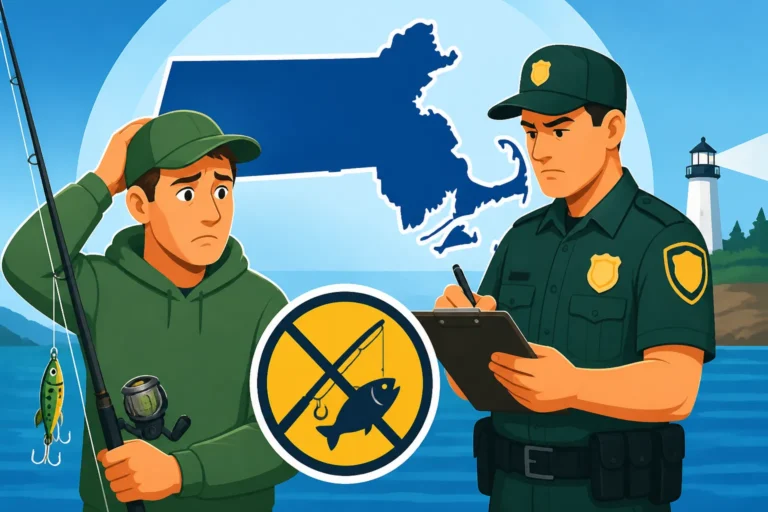
Think of a fishing tournament permit as your official green light. It signifies that your event has been reviewed by the Massachusetts Division of Fisheries and Wildlife (MassWildlife), and they've given it their blessing to proceed under certain conditions. Without this proper authorization, you're not just risking a minor infraction; you could face significant penalties. Imagine putting in all the effort to organize a fantastic event, only for it to be shut down on the day due to a lack of a permit. Or worse, facing fines and legal repercussions because an unpermitted event led to environmental damage or a safety incident.
Beyond the legal aspect, permits often come with guidelines that promote best practices. They ensure that fish handling is done ethically, especially in catch-and-release tournaments, minimizing stress and mortality. They help prevent the spread of invasive species and ensure that the event doesn't unduly impact other recreational users of the waterway. For organizers, having a permit provides peace of mind and demonstrates a commitment to responsible angling, which can even enhance the event's reputation and attract more participants and sponsors.
Who Needs to Apply for a Permit? Defining "Tournament" and "Derby"
This is often where the first wave of confusion hits. What exactly constitutes a "tournament" or "derby" that requires a permit? Generally speaking, if you are organizing a competitive fishing event that involves ten or more participants, or if you are offering prizes for fish caught (regardless of the number of participants), MassWildlife requires you to obtain a permit. This isn't just for cash prizes; it includes merchandise, trophies, or even bragging rights if that's the primary draw for the competition.
So, a casual weekend fishing trip with a few friends where you're just having fun and comparing catches wouldn't typically require a permit. However, if that friendly competition escalates to an organized "Biggest Bass Challenge" among ten or more people with a prize for the winner, then yes, you're in permit territory. Even small community events, like a local kids' fishing derby at a town pond, usually fall under these requirements because they are structured events with a competitive element and often offer prizes. Always err on the side of caution and check with MassWildlife if you're unsure.
The Role of MassWildlife in Derby Oversight
MassWildlife is the primary state agency responsible for the conservation and management of freshwater fish and wildlife in Massachusetts. When it comes to fishing derbies and tournaments, their role is paramount. They are the gatekeepers, ensuring that these events align with the state's broader conservation goals. Their objectives include protecting fish populations from overharvesting, minimizing the ecological footprint of large gatherings, and promoting ethical angling practices.
When you apply for a permit, MassWildlife reviews your proposed event plan. They'll look at the location, date, target species, rules for catch-and-release or harvest, and any measures you've put in place for fish handling and public safety. Their expertise helps ensure that your event doesn't inadvertently harm local ecosystems or create conflicts with other recreational users. Ultimately, they are there to help you run a successful and compliant event that contributes positively to the fishing community and the environment.
Navigating the Application Process for Your Massachusetts Fishing Event
The application process for a fishing tournament or derby permit might seem like a mountain to climb, but once you break it down, it's quite manageable. The key is to start early and be thorough. MassWildlife has streamlined the process over the years, but it still requires attention to detail.
Step-by-Step Guide to Applying for a Tournament Permit
Your first step should always be to visit the official MassWildlife website. There you'll find the most current "Fishing Tournament Permit Application" form and detailed instructions. Do not rely on outdated forms you might find elsewhere. Generally, the application needs to be submitted well in advance of your event – often at least 30 days prior, though more complex events might warrant even more lead time. It’s always better to apply early than late to avoid last-minute stress or potential denial.
Once you download the application, read through it carefully. You'll need to fill out all requested information accurately. This isn't like buying a Massachusetts Fishing License Guide where it's a quick online transaction. This is a detailed review. After completing the form, you’ll submit it to MassWildlife, typically via email to a dedicated address provided on the form, or sometimes by mail. Don’t just send it and forget it; keep a copy of your application and any communication for your records. Sometimes, an agent from MassWildlife might contact you for clarification or to suggest modifications to your event plan. Being responsive and cooperative during this phase is crucial.
Key Information Required for Your Application
MassWildlife's application form is comprehensive, designed to give them a complete picture of your planned event. Here’s a breakdown of the typical information you’ll need to provide:
- Organizer Contact Information: Full name, address, phone number, and email for the main organizer.
- Event Name and Description: A clear title for your derby or tournament and a brief explanation of its purpose (e.g., charity fundraiser, youth education, competitive league event).
- Event Dates and Times: Specific start and end dates and times for the fishing period.
- Location(s): Detailed information about where the event will take place. This includes the name of the water body (e.g., Lake Quinsigamond, Connecticut River), specific access points, and whether it's a freshwater or saltwater event. If you're using multiple locations or a broad area, specify that.
- Target Species: Which fish species are you targeting? Be specific (e.g., largemouth bass, rainbow trout, striped bass).
- Rules for Fish Handling: This is critical. For catch-and-release events, you’ll need to detail how fish will be measured, photographed, and released to ensure minimal harm. This often includes requirements like no stringers, immediate release, and proper handling techniques. For events where fish are kept, you’ll need to confirm adherence to all Massachusetts Recreational Fishing Rules and Bag Limits.
- Number of Participants: An estimated count of how many anglers will be participating.
- Prize Information: Details about the types of prizes offered and their value.
- Safety Plan: While not always a separate section, implicitly, MassWildlife wants to know you've considered participant safety, especially on public waterways.
- Invasive Species Prevention: What measures will you take to prevent the introduction or spread of aquatic invasive species (e.g., reminding participants to clean, drain, and dry their boats and gear)?
Having all this information ready before you start filling out the form will save you a lot of time and effort. Many organizers find it helpful to create a checklist or a draft document with all these details before transferring them to the official application.
Common Pitfalls and How to Avoid Them
Even the most well-intentioned organizers can stumble. Here are some common pitfalls and practical tips to avoid them:
- Late Submissions: The 30-day minimum is just that – a minimum. Large or complex events, especially those requiring coordination with other agencies or involving significant public access, may need more time. Aim to submit your application 60-90 days out to give yourself a buffer.
- Incomplete or Inaccurate Information: Nothing slows down an application faster than missing details or incorrect information. Double-check everything before submitting. If you’re unsure about a detail, reach out to MassWildlife for clarification rather than guessing.
- Conflicting Dates or Locations: MassWildlife tracks other permitted events. If your chosen date or location clashes with another large event, it might create undue pressure on fish populations or public access, leading to a request for you to reschedule or move. This is another benefit of applying early.
- Ignoring Conservation Guidelines: MassWildlife is heavily focused on conservation. Applications that don't clearly outline plans for responsible fish handling, live release practices, or invasive species prevention are likely to face scrutiny. For example, if you're organizing a bass tournament, you'll need a clear plan for livewells and immediate release to ensure the health of the fish. Some organizers find it useful to stock up on proper measuring devices and release tools from retailers like Amazon.
- Not Understanding Individual License Requirements: Remember, an event permit does not negate the need for individual anglers to possess their own valid Massachusetts fishing licenses. Make sure you inform all participants that they must have a Massachusetts Freshwater Fishing License Costs and Rules or Massachusetts Saltwater Recreational Fishing Permit Explained as applicable, depending on the water body. Even children might need a license depending on their age, so be sure to check the Massachusetts Fishing License Requirements by Age.
By being proactive, meticulous, and communicative, you can avoid most of these common headaches and ensure a smooth permitting process.
Special Considerations and Specific Permit Details
Not all fishing events are created equal, and Massachusetts recognizes this with certain distinctions in its permitting approach. Understanding these nuances can further streamline your planning.
Freshwater vs. Saltwater Derbies: Are There Different Rules?
Yes, there can be subtle but important differences in rules and oversight depending on whether your event is taking place in freshwater or saltwater. While MassWildlife generally handles freshwater permits, marine fisheries are primarily overseen by the Massachusetts Division of Marine Fisheries (MassDMF). However, for recreational tournaments, MassWildlife's tournament permit application often covers both, acting as a central point of contact. The application will ask you to specify freshwater or saltwater.
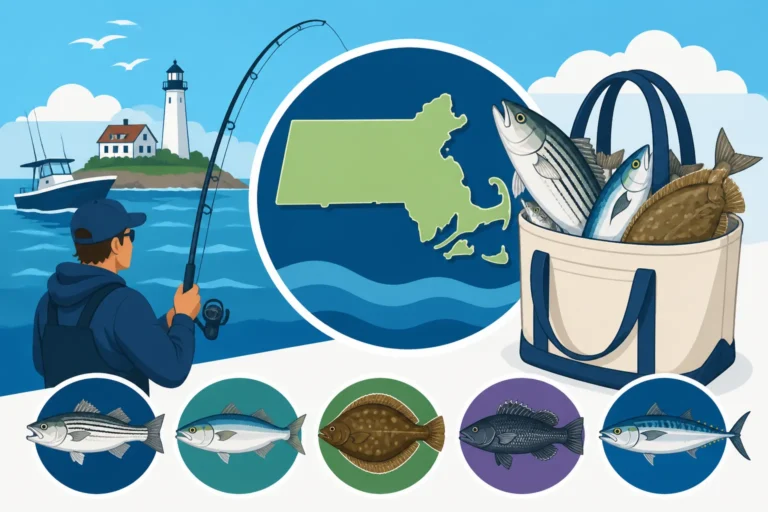
The key difference often lies in the specific regulations that apply to the fish species targeted. For instance, freshwater bass tournaments will adhere to specific MassWildlife freshwater size and bag limits, while a striped bass tournament off Cape Cod will be governed by strict MassDMF saltwater regulations, including length slot limits and daily possession limits. You, as the organizer, are responsible for knowing and communicating these rules to all participants. These regulations are detailed in the annual fishing regulations pamphlet, which can often be found or downloaded from the MassWildlife website.
Youth Derbies and Community Events: Simplified Processes or Same Requirements?
It's a common and understandable hope that youth derbies or community events might have a simplified permitting process due to their educational or charitable nature. While MassWildlife is very supportive of youth engagement in fishing, the core permitting requirements generally remain the same if the event meets the "10+ participants or prizes" criteria. The logic is that even youth events can have an impact on fish populations and require safety considerations.
However, MassWildlife is often more than willing to work with organizers of youth and community events, offering guidance and support through the application process. They might offer advice on best practices for teaching kids about responsible angling or suggest specific locations that are well-suited for beginners. The focus is still on ensuring the event is safe, environmentally sound, and educational. Make sure your application clearly states the event's purpose, especially if it's primarily for youth or a charitable cause; this context can be helpful during the review process. For these kinds of events, consider prizes like starter fishing kits, tackle boxes, or even gift cards to outdoor stores found on Amazon.
The Financial Aspect: Are There Fees Involved?
Good news on this front! For recreational fishing derbies and tournaments in Massachusetts, MassWildlife generally does not charge a fee for the permit itself. This is a deliberate choice to encourage responsible angling and allow community organizations to host events without an additional financial burden.
However, it's crucial to understand that while the permit might be free, organizing an event is rarely without costs. You might incur expenses for prizes, insurance, event signage, portable restrooms, first aid stations, or even staff to help manage the event. Some organizers choose to purchase specific scales or livewell aeration systems for competitive events, and these can be found at various sporting goods stores or online retailers like Amazon. Budgeting for all these associated costs is just as important as securing your permit. Be transparent with participants about any entry fees, explaining how these funds will be used to cover event expenses and prizes.
Ensuring a Successful and Compliant Massachusetts Fishing Tournament
Securing your permit is a monumental first step, but it’s just one piece of the puzzle. To truly ensure your Massachusetts fishing tournament or derby is a roaring success and fully compliant, you need to embed a culture of responsibility into every aspect of the event.
Essential Rules and Best Practices for Participants and Organizers
Beyond the permit itself, every fishing event operates within the existing framework of state fishing regulations. This means all participants, even with an event permit in hand, must still adhere to:
- Individual Fishing Licenses: As mentioned, every angler over the minimum age must possess a valid Massachusetts Fishing License for Nonresidents or residents, as appropriate. This should be explicitly stated in your event rules and reiterated during any pre-event briefing.
- Species-Specific Regulations: All size limits, bag limits, and season dates for the target species must be followed. For example, if you're hosting a striped bass tournament, participants must know and adhere to the Massachusetts Striped Bass Slot Limit Explained.
- Gear Restrictions: Some water bodies or species have specific gear restrictions (e.g., lead-free tackle in certain areas, single-hook artificials only).
- Live Release Protocols: For catch-and-release tournaments, rigorous live release protocols are non-negotiable. This includes using appropriate nets, handling fish with wet hands, minimizing out-of-water time, and proper release techniques. Many tournaments now require circle hooks when fishing with live bait to reduce gut-hooking.
- Invasive Species Prevention: Educate participants on the "Clean, Drain, Dry" principle for boats, trailers, and fishing gear to prevent the spread of aquatic invasive species. Provide resources or designated areas for this if possible.
- Safety First: Have a clear safety plan, especially if your event involves boating or fishing from potentially hazardous shorelines. This includes knowledge of local weather patterns, emergency contacts, and, for boaters, adherence to all Coast Guard and state boating regulations.
By clearly communicating these rules in your event materials and briefings, you empower your participants to be responsible anglers and ensure your event runs smoothly and safely.
The Value of Communication and Collaboration with MassWildlife
Think of MassWildlife not as an obstacle, but as a partner in your event's success. Proactive and open communication with them can prevent misunderstandings and facilitate a smoother process. If you have questions during the application phase, don't hesitate to reach out. If unforeseen circumstances arise after your permit is issued – like a change in location or date – inform them immediately.
Collaboration also means being open to their suggestions. MassWildlife staff are experts in fish biology and local ecosystems. They might offer valuable insights into optimizing your event for fish health or suggesting alternative strategies that better align with conservation efforts. By working together, you not only ensure compliance but also tap into a wealth of knowledge that can make your event even better and more impactful.
Promoting Responsible Angling Through Your Event
A fishing derby or tournament is more than just a competition; it's an opportunity to promote responsible angling and conservation ethics. Integrate educational components into your event, especially if it's geared towards youth. You could have a brief session on fish identification, proper knot tying, or the importance of habitat protection. Highlight catch-and-release best practices and provide tools or demonstrations on how to properly revive and release a fish.
Consider partnering with local conservation groups or inviting a MassWildlife representative to speak briefly at your awards ceremony. By emphasizing stewardship and the long-term health of our fisheries, your event becomes a powerful platform for fostering a new generation of conservation-minded anglers. This commitment to responsible angling extends to encouraging participants to properly dispose of trash and fishing line, leaving the fishing spot cleaner than they found it.
Remember, every time you organize or participate in a fishing event, you are contributing to the angling community. By understanding and respecting the rules and working collaboratively with regulatory bodies, you help ensure that Massachusetts' rich fishing traditions continue to thrive for years to come.
| Aspect of Permit | Freshwater Event | Saltwater Event | Youth/Community Event |
|---|---|---|---|
| Governing Body | MassWildlife | MassWildlife (primary contact for recreational) | MassWildlife |
| Permit Required? | Yes (if 10+ participants or prizes) | Yes (if 10+ participants or prizes) | Yes (if 10+ participants or prizes) |
| Application Form | MassWildlife Fishing Tournament Permit Application | MassWildlife Fishing Tournament Permit Application | MassWildlife Fishing Tournament Permit Application |
| Minimum Submission Time | 30 days prior (more for complex events) | 30 days prior (more for complex events) | 30 days prior (more for complex events) |
| Permit Fee | Generally No | Generally No | Generally No |
| Individual License Required? | Yes | Yes | Yes (by age, see Do Kids Need a Fishing License in Massachusetts?) |
| Key Regulations | Freshwater bag/size limits, lead tackle rules | Saltwater bag/size limits, slot limits, seasons | Standard state regulations apply |
| Special Consideration | Focus on fish health for live release, invasive species | Adherence to MassDMF species-specific rules | Emphasis on education, safe practices |
Disclaimer
Please be aware that fishing regulations and permit requirements are subject to change. While we strive to provide the most current and accurate information, it is always your responsibility to verify all rules and obtain the necessary permits by consulting the official Massachusetts Division of Fisheries and Wildlife (MassWildlife) and Division of Marine Fisheries (MassDMF) websites or directly contacting their offices before organizing or participating in any fishing derby or tournament. This guide is for informational purposes only and does not constitute legal advice.