Best Places to Fish in Boston Harbor, Massachusetts
Fishing in a bustling city like Boston Harbor might seem like a daunting prospect, full of concrete and crowded waterways, making it tough to imagine casting a line successfully. Many anglers, myself included, have felt that initial skepticism, wondering if it's even worth the effort to navigate an urban environment for fish. But let me tell you, what lies beneath the surface of this historic harbor is a surprisingly vibrant, productive, and incredibly accessible fishery, a true testament to remarkable environmental efforts. This comprehensive guide is designed to cut through that initial doubt, helping you discover the absolute best places to fish in Boston Harbor, whether you're planning a trip with a seasoned crew on a boat or simply looking for a quiet spot to drop a line from shore. We’re going to cover everything you need to know to make your Boston Harbor fishing adventure both rewarding and memorable.
Understanding Boston Harbor's Unique Fishery
When you hear "Boston Harbor," your mind might conjure images of ferries, sailboats, and historical ships, perhaps not a thriving ecosystem teeming with fish. But this perception couldn't be further from the truth today. The harbor has a fascinating story, and understanding it is key to appreciating its current angling potential.
A Rich History and Environmental Turnaround
For decades, the idea of fishing in Boston Harbor was, frankly, unthinkable. The harbor suffered from severe industrial pollution and untreated sewage, earning it the infamous title of one of the dirtiest urban waterways in the country. Anglers of a certain age will remember those days, and their skepticism about fishing here is completely understandable, rooted in a very real past. The notion of catching anything edible, or even anything at all, seemed like a pipe dream.
However, a monumental cleanup effort, one of the largest and most successful environmental projects in U.S. history, began in the 1980s and continued for decades. Billions of dollars were invested in modern wastewater treatment facilities and infrastructure, dramatically transforming the harbor's water quality. This massive undertaking has allowed marine life to flourish once again, turning a polluted eyesore into a vibrant blue-green oasis right at the city's doorstep. It's a comeback story that truly warms an angler's heart.
Today, the harbor boasts a diverse array of fish species, and while historical pollution does mean some lingering consumption advisories exist for certain bottom-dwelling species, many of the transient, migratory fish caught here are perfectly safe and delicious to eat. State agencies continuously monitor water quality and fish health, providing up-to-date guidance. So, if you’ve harbored doubts about the safety or abundance of fish in Boston Harbor, rest assured that the reality on the water today is vastly different and much more promising. The transformation is nothing short of incredible, offering urban anglers an opportunity many other cities can only dream of.
Diverse Habitats and Target Species
Boston Harbor isn't a uniform body of water; it's a wonderfully complex and varied marine environment. Imagine a mosaic of distinct habitats, each attracting different types of fish and offering unique angling opportunities. You'll find everything from shallow, sandy flats and deep shipping channels to rocky ledges, mussel beds, and an abundance of artificial structures like bridge pilings, jetties, and old wharf remnants. This variety is precisely what makes the harbor so dynamic for fishing.
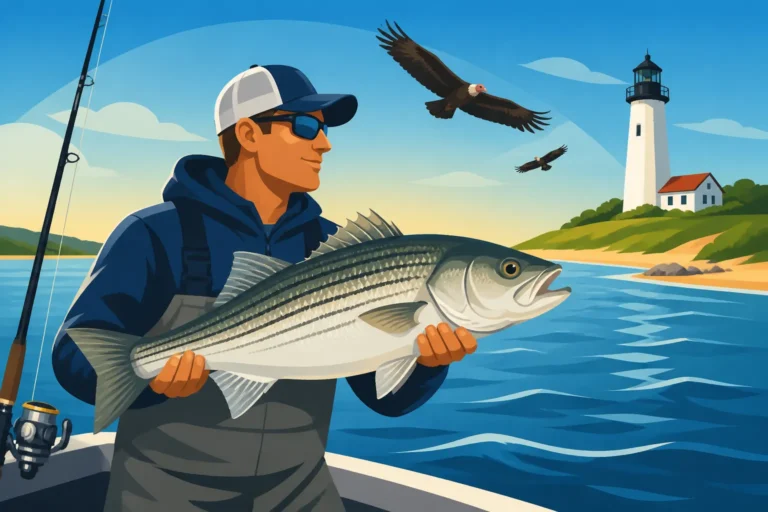
The star attraction for most anglers is undoubtedly the striped bass. These powerful, migratory predators arrive in the harbor with the warming waters of spring, typically in May, and remain a prime target through the fall. They utilize the entire harbor, from chasing baitfish in the shallow estuaries to lurking around deep-water structures. Alongside them, you'll find aggressive bluefish, especially during the warmer summer months, offering thrilling topwater action and often competing with stripers for baitfish.
But the harbor’s bounty extends far beyond just stripers and blues. Bottom fishing enthusiasts can target flounder, particularly winter flounder in the cooler months and summer flounder (fluke) as temperatures rise. Tautog, known for their powerful fights around rocky cover, and scup, a plentiful and tasty panfish, are also common catches. Even schooling fish like mackerel can make appearances, providing fast action and excellent bait. This rich tapestry of species means that no matter your preferred style of fishing or what you’re hoping to catch, Boston Harbor likely has a spot and a season for it.
Top Shore Fishing Hotspots in Boston Harbor
One of the greatest appeals of fishing in Boston Harbor is its accessibility, especially for those who prefer to cast a line from solid ground. You don't need a boat to experience some fantastic fishing here; there are several prime shore locations that consistently produce great results, often with stunning city views as your backdrop.
Castle Island and Pleasure Bay
Castle Island, located in South Boston, is arguably the most iconic and accessible shore fishing spot in all of Boston Harbor. This historic peninsula, home to the venerable Fort Independence, isn't just a popular destination for walkers, joggers, and picnickers; its extensive seawall and the adjacent Pleasure Bay offer phenomenal fishing opportunities for anglers of all skill levels. Picture yourself casting a line with the fort behind you and the vast expanse of the harbor stretching out before you – it’s a truly unique urban angling experience.
The long concrete pier that wraps around the fort and the rocky shoreline provide excellent vantage points for casting. Anglers frequently target striped bass here, especially during the dawn and dusk hours when these powerful fish actively hunt baitfish moving along the wall. Many a memorable fight has occurred right off these very rocks! In late spring and early summer, you might also find schools of mackerel, which are not only fun to catch on light tackle but also make fantastic live bait for those larger stripers lurking nearby. Pleasure Bay itself, though shallower and more protected, can hold smaller bass and flounder, making it a perfect, safe spot for kids and beginners to learn the ropes.
The sheer amount of public access at Castle Island is a major plus. You can walk for miles, trying different techniques and locations, without feeling hemmed in. Parking is generally ample, though it can fill up quickly on beautiful summer weekends, so planning an early morning or late evening trip is often wise. Just remember that it’s a public park, so always be courteous to other visitors, keep your area clean, and adhere to all park rules. Before you even head out, make sure you're up-to-date on the latest Massachusetts Recreational Fishing Rules and Bag Limits to ensure a smooth and legal outing.
Piers and Public Access Points
Beyond Castle Island, Boston Harbor is dotted with a multitude of other public piers and accessible waterfront areas that offer exciting shore fishing. These urban fishing platforms provide unique opportunities to cast into deeper channels and currents that are often out of reach from natural shorelines. Imagine landing a strong striper with the Boston skyline as your backdrop – it’s an experience that truly blends the urban environment with the thrill of fishing.
Take, for example, Fan Pier in the bustling Seaport District, or the historic piers along the Charlestown Navy Yard, even sections of the East Boston Greenway. These spots put you right in the heart of the action, allowing you to target a variety of fish right from concrete and wood. These piers are fantastic for casting artificial lures like plugs and soft plastics, or for simply soaking natural bait. Striped bass and bluefish are common catches, particularly during periods of strong tidal flow. You might also pull up bottom dwellers like flounder and scup, especially if you’re fishing with seaworms or squid.
Night fishing from these lighted piers can be incredibly productive, as many predatory fish, especially striped bass, move closer to shore under the cover of darkness, drawn to the lights that disorient baitfish. When fishing in these busy public areas, it’s crucial to practice good etiquette: be mindful of pedestrians, keep your lines clear, and always clean up your trash. Some piers may also have specific local regulations regarding fishing hours or prohibited bait types, so a quick check online or with local signage is always a good idea. Also, never forget that anyone 16 years or older needs a Massachusetts Saltwater Recreational Fishing Permit Explained to legally fish in these marine waters.
Nut Island Park, Quincy
Just a short drive south of Boston, yet very much an integral part of the outer Boston Harbor ecosystem, lies Nut Island Park in Quincy. This scenic park offers breathtaking panoramic views of the entire harbor and the Boston skyline, but for anglers, its main draw is a long, paved pier that extends impressively into the water. This pier provides exceptional casting access to some very productive currents and deeper waters, making it a consistent hotspot.
Nut Island is particularly renowned for its excellent striped bass fishing, especially during the spring and fall migratory runs. Anglers here often employ a variety of tactics, from casting large topwater plugs and swimming lures to soaking natural baits like fresh mackerel or seaworms. The strong tidal currents that sweep past the pier act as a natural conveyor belt, bringing baitfish directly to hungry predators. Bluefish also make a strong showing here throughout the summer months, providing aggressive strikes and exhilarating fights, often on the same lures or baits used for stripers. For those who enjoy bottom fishing, the rocky shoreline surrounding the park can also yield tautog and cunner.
The park is well-maintained and offers convenient amenities such as restrooms and walking trails, making it a comfortable spot for a full day out. Its strategic location at the entrance to Quincy Bay means it benefits from a dynamic mix of open harbor conditions and more protected waters, catering to diverse angling preferences. If you're looking for a reliably productive shore fishing experience within easy reach of Boston, Nut Island Park should definitely be on your list. It provides a fantastic blend of solid fishing action and stunning scenery.
Prime Boat Fishing Locations in Boston Harbor
While shore fishing offers fantastic opportunities, having a boat in Boston Harbor truly unlocks its full potential, granting access to a wealth of diverse habitats that are otherwise unreachable. From remote islands to deep channels, boat anglers can explore the harbor's most productive fishing grounds.
Boston Harbor Islands National and State Park
For those with access to a boat, the Boston Harbor Islands National and State Park is undoubtedly the jewel of the harbor's fishery. This remarkable archipelago, comprised of more than 30 islands and peninsulas, creates an incredibly diverse underwater landscape. Think of it as a natural playground with rocky ledges, submerged reefs, sandy flats, and deep channels—all within a short boat ride from downtown Boston. These complex structures, constantly scoured by strong tidal currents, are magnets for baitfish, which in turn attract an abundance of predatory species.
The waters surrounding islands such as Spectacle Island, Lovells Island, and Georges Island are legendary among local anglers for their consistent striped bass and bluefish action. Here, anglers often employ a variety of techniques: trolling tubes and worms, casting bucktails, or jigging soft plastics around the numerous points, rips, and rock piles created by the powerful tides. These areas concentrate baitfish like herring, mackerel, and menhaden, making them prime feeding grounds for larger game fish. Imagine the thrill of hooking a powerful striper while drifting past a historic island lighthouse – it’s a truly immersive experience that combines fishing with breathtaking natural beauty and rich history.
The sheer expanse and variety of the islands offer endless exploration. You can spend an entire day navigating different nooks and crannies, adapting your techniques to the specific bottom structure and current conditions. However, it's crucial to be mindful of the rapidly changing weather, strong tidal currents that can create challenging conditions, and numerous underwater hazards like rocks and shoals, especially at lower tides. Always consult up-to-date nautical charts, exercise extreme caution, and carry all appropriate safety gear. For even more specific hotspots and tactics around these magnificent islands, our detailed guide on Boston Harbor Islands Fishing Spots in Massachusetts is an invaluable resource.
Inner Harbor Channels and Structures
Don't make the mistake of thinking all the best fishing is out among the islands. The bustling inner workings of Boston Harbor itself—the main shipping channels, bridge structures, and deeper basins—are absolutely vital transit routes and feeding grounds for many species. These urban waterways, characterized by significant tidal flows and often holding abundant schools of bait, can be incredibly productive, sometimes yielding some of the largest fish in the harbor.
The deep channels leading into and out of the Inner Harbor, particularly around the perimeter of Deer Island and within President Roads, are prime locations for targeting substantial striped bass. These areas act as highways for migrating fish and are often where the largest schools of baitfish congregate. Trolling large, lipped plugs or drifting live bait, such as mackerel or eels, can be exceptionally effective here for hooking trophy-sized fish. Furthermore, the numerous bridges spanning the harbor, such as the iconic Tobin Bridge, offer a wealth of submerged structure and current breaks. These pilings and underwater debris create perfect ambush points for stripers and bluefish, providing excellent jigging and live bait opportunities.
Fishing these inner harbor locations from a boat provides unparalleled flexibility to position yourself directly over structure or in the strongest current lines, an advantage shore anglers simply don't have. However, navigating these areas demands extreme vigilance. Boston Harbor is one of the busiest ports on the East Coast, with constant commercial vessel traffic, ferries, and recreational boats. Commercial vessels and ferries always have the right of way, so always give them a wide berth. Safety should be your absolute priority, so operate your boat defensively, use proper navigation lights during low-light conditions, and stay aware of marine traffic at all times.
Outer Harbor and Bay Entrances
For boat anglers looking to venture a bit further and experience a more "open ocean" feel without traveling excessively far, the outer reaches of Boston Harbor, stretching towards the entrances of Massachusetts Bay, offer expanded opportunities. Areas off towns like Hull, Cohasset, and Nahant feature more exposed coastlines, deeper water, and direct access to the pathways of truly migratory fish coming in from the Atlantic. This transition zone between the harbor and the bay can be incredibly fruitful.
These outer harbor locations are consistently excellent for targeting larger, ocean-run striped bass and hefty bluefish, especially during the peak spring and fall migration periods when schools of baitfish are moving through. It's not uncommon to encounter impressive blitzes here, where vast numbers of fish are gorging themselves on bait. Beyond these popular game fish, bottom fishing also becomes significantly more productive in these deeper, cleaner waters. Anglers can target species like cod, haddock, tautog, and various flounders around the numerous offshore reefs, rock piles, and submerged ledges that are prevalent in this zone. You might even stumble upon schools of mackerel or pollock.
Accessing these outer harbor spots generally requires a more capable boat and a keen awareness of weather and sea conditions, as the water can be considerably rougher and choppier than within the protected inner harbor. It’s imperative to check marine forecasts diligently before heading out. However, the potential rewards—bigger fish, a wider variety of species, and a true sense of adventure—can be well worth the extra effort. If you're keen on exploring these deeper, more exposed areas but are unfamiliar with them, considering a guided trip is a fantastic option. Platforms like FishingBooker can help you find reputable charters that specialize in these prime outer harbor zones, providing expert guidance and ensuring a safe and productive day on the water.
Targeting Specific Species in Boston Harbor
Boston Harbor offers an exciting diversity of fish, each presenting its own challenges and rewards. Knowing what you're after and how to approach them effectively will significantly increase your chances of a successful and enjoyable day.
Striped Bass – The Harbor's Premier Game Fish
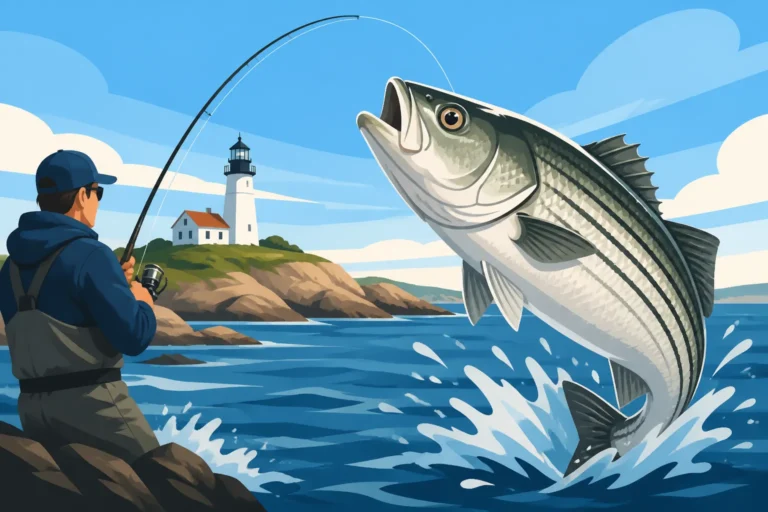
Without a shadow of a doubt, the striped bass reigns supreme as the most sought-after game fish in Boston Harbor. These magnificent, migratory fish make their grand entrance into the harbor with the warming waters of spring, typically around May, and continue to provide thrilling action right through the fall, often into November. Their powerful runs, challenging fights, and willingness to strike a wide array of baits and lures make them an irresistible target for anglers of all experience levels, from eager beginners to seasoned veterans. Catching a keeper striper in the shadow of the city skyline is a quintessential Boston fishing experience.
Successful striped bass fishing in the harbor largely hinges on understanding their feeding patterns and preferred habitats. Stripers are opportunistic predators that absolutely love structure—think rocky ledges, jetties, bridge pilings, submerged wrecks, and even channel edges. They use these features to ambush unsuspecting baitfish. Keeping a sharp eye out for signs of baitfish, such as flocks of diving birds, schools of silversides or mackerel breaking the surface, or even subtle disturbances on the water, can lead you directly to where the stripers are actively feeding. Early mornings (dawn) and late evenings (dusk) are often prime times, as are periods of strong moving tides, which concentrate bait and activate feeding. Our comprehensive guide on How to Catch Striped Bass in Massachusetts provides even more detailed strategies and techniques to help you hook into these incredible fish.
A variety of methods prove highly effective for striped bass. Casting artificial lures is incredibly popular, with topwater plugs (like poppers or "walk-the-dog" style lures) creating exciting surface strikes, while swimming plugs (minnow imitations) and soft plastics on jig heads excel for subsurface work. For those targeting larger, more elusive fish, live bait such as fresh mackerel, menhaden (pogies), or eels can be absolutely deadly. A simple fish-finder rig with a strong circle hook is often the ticket for bait fishing. When you do hook into one, remember to always be aware of the current Massachusetts Striped Bass Slot Limit Explained, which dictates the legal size range of fish you can keep, ensuring the sustainability of this cherished fishery.
Bluefish and Flounder – Seasonal Favorites
While striped bass hold the top spot, the aggressive and hard-fighting bluefish provide another incredible angling experience in Boston Harbor. Known for their voracious appetites, razor-sharp teeth, and explosive strikes, bluefish typically arrive in late spring or early summer, following the schools of baitfish that move into the harbor. They offer thrilling, action-packed fishing throughout the warmer months, often hitting lures with a ferocity that can surprise even experienced anglers. Don't be fooled by their slightly smaller average size compared to stripers; a bluefish on the line is an unforgettable fight!
Meanwhile, for those who appreciate delicious table fare and a more subtle fishing challenge, flounder are a fantastic target. Both winter flounder (caught in cooler months and early spring over muddy bottoms) and summer flounder, commonly known as fluke (preferring sandy areas and found throughout the warmer season), inhabit the harbor. While not as flashy as a striper or bluefish, their delicate bites and excellent eating quality make them a rewarding catch. Flounder fishing is often a more relaxed affair, perfect for a peaceful day on the water.
For bluefish, similar tactics to striped bass often work, though bluefish tend to be less picky and more willing to chase. Metal lures, poppers, and chunks of fresh bait are all highly effective. Just be sure to use a wire or heavy fluorocarbon leader to protect your line from their formidable teeth! For flounder, simple bottom rigs with small hooks tipped with fresh sandworms, seaworms, or small strips of squid are ideal. Drifting slowly over sandy or muddy flats, especially near channel edges, is a common and very effective technique. Always remember to consult the current Massachusetts Saltwater Bag Limits by Species for both bluefish and flounder, as these regulations can change, ensuring you're fishing responsibly.
Tautog, Mackerel, and Other Bottom Dwellers
Beyond the high-profile game fish like striped bass and bluefish, Boston Harbor offers excellent opportunities for various bottom-dwelling species that provide consistent action and delicious eating. One such species is the tautog, often affectionately called "blackfish." These hardy fish are highly sought after for their challenging, stubborn fights and superb table fare. Tautog primarily inhabit rocky areas, wrecks, and mussel beds, where they feed on crabs and shellfish, offering a unique type of structure fishing. Their season typically runs from spring through late fall, making them a reliable target for much of the year.
Mackerel are another fantastic species that frequent the harbor, especially in the springtime. These fast-swimming, schooling fish provide incredibly fast action on light tackle and are also prized as prime live bait for larger striped bass. They can be caught from both piers and boats, often in vast numbers, making for a fun and productive outing. Scup, also known as porgies, are another abundant bottom fish found in Boston Harbor during the warmer months. They offer consistent action, often biting readily, and are excellent eating, making them a favorite for families and casual anglers alike. Black sea bass are also present around rocky structures and wrecks, particularly in the outer harbor areas, adding another dimension to bottom fishing.
Targeting these diverse bottom dwellers requires specific tackle and techniques. Tautog fishing typically involves stout rods and reels, paired with bait like green crabs or hermit crabs, which are fished directly over hard bottom structure. You need to feel the subtle bite and then quickly pull them away from the snags. Mackerel are easily caught with light spinning gear and Sabiki rigs (multiple small, shiny hooks) or small metal jigs. Scup and black sea bass readily take bits of clam, squid, or seaworms presented on simple two-hook bottom rigs. The incredible diversity of the harbor means that if you’re willing to adjust your approach, there’s almost always something biting, offering endless possibilities for exploration and discovery.
Essential Gear and Tactics for Boston Harbor
Having the right equipment and understanding effective tactics can make all the difference between a frustrating day and a successful, enjoyable outing in Boston Harbor. The unique environment of the harbor—from busy urban shores to choppy open waters—demands versatile gear and adaptable approaches.
Rods, Reels, and Line Choices
Selecting the appropriate rod and reel setup is fundamental for Boston Harbor fishing, especially given the variety of species and fishing scenarios you might encounter. For shore anglers targeting formidable striped bass or aggressive bluefish, a medium-heavy action spinning rod, typically 8 to 10 feet in length, is a highly versatile choice. This longer rod provides the necessary leverage for casting lures a significant distance from shore, allowing you to reach prime feeding zones. Pair this with a robust spinning reel in the 4000-6000 size range, capable of holding ample line and delivering the smooth drag needed to handle powerful fish runs. This combination offers a balance of casting ability and the raw power required to subdue strong fighters in currents.
Boat anglers might find slightly shorter, more powerful rods (7 to 8 feet) more practical, particularly when jigging directly over structure or trolling. However, a similar medium-heavy spinning setup remains incredibly effective for casting to breaking fish or working artificials around the numerous islands. For dedicated bottom fishing, especially for species like tautog or cod that lurk near heavy structure, a medium-action boat rod paired with a conventional (baitcasting) reel can offer superior sensitivity to subtle bites and increased cranking power to quickly pull fish away from snags. This setup allows for precise bait presentation and robust performance when you need to exert maximum pressure.
When it comes to fishing line, braided line is overwhelmingly popular among seasoned Boston Harbor anglers due to its exceptional sensitivity and incredible strength-to-diameter ratio. A 20 to 40 lb test braid is a common choice, providing the backbone needed for strong fish and the ability to detect even the lightest bites. It's almost always paired with a 20 to 30 lb fluorocarbon or monofilament leader. This leader material is absolutely crucial for two main reasons: it offers excellent abrasion resistance against sharp rocks, bridge pilings, and the notorious teeth of bluefish, and its lower visibility can be key in clear harbor waters, making your presentation more stealthy to wary fish. Always ensure your knots are meticulously tied and tested; a single weak knot can be the difference between landing a trophy and losing your prize.
Baits, Lures, and Tackle Box Essentials
Your tackle box for fishing Boston Harbor should be a well-curated arsenal, ready for any situation the diverse fishery throws at you. Flexibility is key, as conditions and fish preferences can change rapidly. For lures, an assortment that covers various water columns and retrieves is essential. This should include an array of topwater plugs, such as poppers or "walk-the-dog" style lures, which create exciting surface commotion that can entice aggressive strikes, especially during low-light conditions. Subsurface swimming plugs, like minnow imitations or larger lipped swimmers, are fantastic for mimicking baitfish and are effective in a variety of current conditions. Soft plastics, such as paddletails or jerk shads rigged on sturdy jig heads, are incredibly versatile for fishing deeper water, working through currents, or bouncing along the bottom. Don't forget metal jigs; they're excellent for targeting fast-moving bluefish and mackerel, especially when you encounter schools of baitfish.
When it comes to natural bait, fresh is almost always best and often proves irresistible. Live bait, such as frisky mackerel, plump menhaden (pogies), or slithering eels, are absolute top choices for enticing larger, more cautious striped bass. These baits, fished alive, often generate the most explosive strikes. If live bait isn't readily available, fresh chunks of mackerel, pogies, or squid can also be highly effective when fished on a bottom rig or drifted. For targeting bottom dwellers like flounder, tautog, and scup, your bait options should include a good supply of succulent seaworms, sandworms, lively green crabs (especially for tautog), or tender strips of clam. The more diverse your bait selection, the better your chances of matching what the fish are actually feeding on that day.
Beyond the baits and lures, your tackle box needs essential terminal tackle: a variety of strong, sharp hooks (circle hooks are increasingly popular for their conservation benefits and are often required for certain species, reducing gut-hooking), robust swivels, and an assortment of sinkers (pyramid, egg, and bank sinkers in various weights) to match different currents and depths. Essential tools like sturdy fishing pliers (for hook removal and cutting line), a reliable measuring tape (crucial for adhering to size limits), a sharp fishing knife, and a small first-aid kit for minor cuts or hook punctures are non-negotiable. These small details can significantly enhance both your effectiveness and safety on the water.
Navigational Aids and Safety Gear for Boaters
Boston Harbor, while incredibly rewarding for fishing, is a very busy and potentially complex waterway, making reliable navigational aids and comprehensive safety gear non-negotiable for boaters. Navigating these waters safely and effectively demands more than just basic boating skills; it requires vigilance and the right tools. A high-quality GPS chart plotter, loaded with up-to-date nautical charts, is absolutely essential. This will help you identify primary shipping channels, accurately gauge water depths, pinpoint submerged structures, and, most importantly, avoid shallow areas and other hidden hazards that can quickly ruin a fishing trip. Pairing this with a good depth sounder will give you a real-time view of the bottom, helping you locate fish-holding structure and schools of bait.
When it comes to safety, there is absolutely no room for compromise. Every boat on Boston Harbor must carry properly sized and accessible life jackets for every person on board; this is not just a suggestion, it's the law. A reliable VHF marine radio is critical for communication, allowing you to monitor weather updates, hail other vessels, or make a distress call if an emergency arises. Don't rely solely on cell phones, as reception can be spotty in certain areas. Additional mandatory safety equipment includes visual distress signals (like flares), an audible signaling device (a horn or whistle), a throwable flotation device, and a fully charged fire extinguisher. Before every outing, always conduct a thorough check of all your safety equipment to ensure it's in working order.
Operating a boat in a busy harbor also requires a solid understanding of aids to navigation (the system of buoys and markers that guide mariners) and, crucially, the maritime "rules of the road." You need to be aware of channel markers, observe all posted speed limits, and strictly adhere to no-wake zones, especially when transiting through congested areas or near residential shorelines. The consequences of violating these rules, both legally and in terms of safety, can be severe. If you are new to boating in this specific area, or if you feel your navigational skills could use a refresh, strongly consider going out with an experienced local angler or booking a guided trip. Services like FishingBooker can connect you with knowledgeable charter captains who can not only put you on fish but also provide invaluable local knowledge and safe navigation practices, making your experience both productive and secure.
Navigating Regulations and Safety in Boston Harbor
Fishing in Boston Harbor, like anywhere else in Massachusetts, comes with a clear set of rules designed to protect both anglers and the precious marine environment. Understanding and adhering to these regulations is not just about avoiding fines; it's about being a responsible steward of the fishery.
Understanding Massachusetts Fishing Licenses and Permits
Before you even think about dropping a line into the waters of Boston Harbor, it is absolutely paramount to understand and secure the necessary licensing. This isn't just a bureaucratic hurdle; it’s a crucial step that ensures you’re contributing to the conservation efforts that maintain our vibrant fisheries. If you are 16 years of age or older, you are required to possess a Massachusetts saltwater recreational fishing permit. This permit covers almost all recreational marine fishing activities in state waters, including the vast expanse of Boston Harbor. Don't let confusion or oversight about permits dampen your day or, worse, lead to unexpected penalties.
The good news is that obtaining your permit is a straightforward process. You can easily purchase your permit online through the MassFishHunt system, which is the state's official licensing portal, or you can visit one of the many authorized license vendors located throughout Massachusetts. Typically, this is an annual permit, valid from January 1st to December 31st, regardless of when you purchase it during the year. It is absolutely essential to carry proof of your current license with you while fishing. This can be a physical printout of your permit or a clear digital image on your smartphone, readily accessible if a marine patrol officer requests to see it. For a deeper dive into all the nuances of getting your license, our comprehensive Massachusetts Fishing License Guide is an excellent resource.
It’s also important to note that a separate freshwater fishing license is required for fishing in freshwater bodies. While Boston Harbor is predominantly saltwater, some adjacent brackish areas or nearby inland ponds might technically fall under freshwater regulations. Being aware of this distinction is wise, though for the vast majority of Boston Harbor fishing, the saltwater permit is what you'll need. If you ever find yourself wondering about the differences, our guide on Massachusetts Freshwater vs Saltwater License Differences can help clarify these points, ensuring you’re always properly licensed for the waters you’re fishing.
Adhering to Size and Bag Limits
Massachusetts is committed to ensuring the sustainability of its fish populations, which means there are strict regulations regarding the size and quantity of fish you can legally keep. These aren't arbitrary rules; they are carefully crafted by fisheries biologists to protect breeding stocks and allow fish populations to thrive for future generations. It’s absolutely critical that anglers familiarize themselves with these rules, as they are subject to change based on scientific assessments and conservation needs. Ignorance of the law is never an acceptable excuse for violations, and marine patrols actively enforce these regulations.
For highly sought-after species like striped bass, Massachusetts implements a specific "slot limit." This means you can only keep fish that fall within a precise size range—they cannot be too small (juveniles that need to grow) nor too large (prime breeding adults that are essential for reproduction). For example, if the slot limit is 28 to 31 inches, any striped bass smaller than 28 inches or larger than 31 inches must be immediately and carefully released. Other species, like bluefish, will have specific daily bag limits, dictating the maximum number of fish an angler can keep per day. These rules can vary not just by species, but also by season and sometimes even by specific geographic locations within state waters. The official MassWildlife website is always the most authoritative source for the very latest regulations, or you can pick up a physical copy of the Massachusetts Fishing Regulations Pamphlet, Explained from many tackle shops.
As a responsible angler, it’s a non-negotiable practice to carry a reliable measuring tape and to understand precisely how to measure your catch. Typically, fish are measured from the tip of the snout to the end of the tail, with the tail squeezed together to get the maximum length. If there's ever any doubt about a fish's legal size, the safest and most ethical approach is always to release it gently back into the water. Not only does this safeguard the fishery, but it also helps you avoid potential fines and penalties that can quickly turn a fun day into a frustrating one. By diligently adhering to these size and bag limits, you actively contribute to the health and future abundance of Boston Harbor's incredible marine resources.
Essential Safety Practices for Urban Fishing
Fishing in an urban environment like Boston Harbor presents a unique blend of exhilaration and specific safety considerations that go beyond standard boating or shore fishing protocols. Being aware of your surroundings and taking proactive measures is key to a safe and enjoyable experience for everyone involved. For shore anglers, especially those casting from crowded piers, jetties, or public parks, awareness of pedestrian traffic is paramount. Always scope out your casting area to ensure you have plenty of clearance, avoiding any possibility of hooking an unsuspecting passerby. Keep your fishing gear neatly organized and away from walkways to prevent tripping hazards, and always be mindful of children and pets that might be nearby.
When fishing from elevated structures like piers or jetties, exercise extra caution, particularly if surfaces are wet, slippery, or uneven. Wearing appropriate footwear with good traction is highly recommended. Be aware of steep drop-offs or unprotected edges, especially in low light conditions, and avoid leaning out too far over the water. If you plan to fish at night, a reliable headlamp is indispensable, not just for rigging your line but for safely navigating your surroundings and being visible to others. It’s always a good habit to inform someone of your fishing plans – where you’re going, and when you expect to return – whether you're alone or with a group.
For both boat and shore anglers, environmental awareness is a crucial safety practice. While Boston Harbor has undergone an incredible cleanup, it’s still an urban environment. After heavy rains, runoff can carry pollutants into the water, so it's often a good idea to avoid fishing immediately after a major storm. Always wash your hands thoroughly with soap and water after handling fish and tackle, and before eating or touching your face. Stay adequately hydrated, protect yourself from the sun with appropriate clothing, hats, and sunscreen, and dress in layers, as New England weather can shift unexpectedly. By embracing these essential safety practices, you can focus on the joy of fishing while minimizing risks for yourself and others in this unique urban fishery.
Making the Most of Your Boston Harbor Fishing Trip
To truly maximize your success and enjoyment when fishing Boston Harbor, it pays to adopt a strategic approach that blends local insights with responsible practices. It’s about more than just casting a line; it’s about understanding the nuances of the environment and tapping into available wisdom.
Best Times to Fish and Tidal Influences
When it comes to fishing Boston Harbor, just like any dynamic saltwater fishery, timing isn't just important—it's everything. The rhythmic ebb and flow of the tide exert a profound influence on fish activity, acting as a natural conveyor belt that dislodges bait, concentrates schools of fish, and brings in fresh food sources from the open ocean. Generally, the periods of active water movement, specifically the two hours leading up to and the two hours immediately following both high and low tide, are considered the most productive for fishing. These "moving water" periods trigger feeding frenzies as fish take advantage of the disoriented bait.
Beyond the daily tidal cycles, the time of day also plays a crucial role. Early morning (dawn) and late evening (dusk) consistently prove to be prime feeding times for many predatory species, most notably striped bass and bluefish. These low-light conditions provide a natural cover for predators, making them feel more comfortable moving into shallower areas to hunt for baitfish. For those seeking truly large stripers, night fishing can be incredibly effective, especially around lighted docks, bridges, and other structures where baitfish gather. The artificial light can create productive ambush points for big, wary bass.
Furthermore, your success will also be influenced by the broader seasonal calendar. Spring marks the highly anticipated arrival of migratory fish as waters warm, bringing the first schools of stripers and mackerel. Summer offers consistent action for a wide variety of species, though you might need to adjust your tactics to deeper or shadier spots during the hottest parts of the day. Fall, however, is arguably the most exciting period, characterized by the legendary "fall run" as fish aggressively feed before their migration south. Our in-depth guide on the Best Time of Year to Fish in Massachusetts delves into these seasonal patterns in much greater detail. Paying close attention to localized weather patterns and barometer readings can also offer crucial clues, as stable weather and light winds often correlate with more active fish.
Utilizing Local Knowledge and Resources
One of the most effective shortcuts to consistent success in Boston Harbor is to humbly tap into the wealth of local knowledge that exists. No amount of online research can truly replicate the insights gained from anglers who spend countless hours on these specific waters. Local bait and tackle shops are absolutely invaluable resources, far beyond just purchasing gear. Shops like The Fishing Academy in Boston or Belsan Bait & Tackle a little further south are often run by passionate, experienced individuals who have their finger on the pulse of the fishery. They can provide real-time reports on what species are biting, where the current hotspots are, and which specific baits or lures are producing the best results that very week. Don’t hesitate to strike up a conversation and ask for advice – most local shop owners love sharing their expertise.
In addition to physical tackle shops, the digital realm offers excellent opportunities to connect with the local angling community. Online fishing forums dedicated to Massachusetts fishing, as well as various social media groups, are vibrant hubs for sharing information, asking questions, and learning from the collective experience of hundreds of anglers. While specific secret spots might be guarded (and rightfully so!), general trends, successful techniques, and current conditions are usually openly discussed. Engaging with these communities can provide invaluable context and up-to-the-minute tips that can directly impact your trip.
For those who are new to the area, or simply want to maximize their chances of success and learn the nuances of Boston Harbor quickly, consider booking a fishing charter with a local captain. Charter captains operating out of Boston Harbor or nearby ports like Quincy and Hull possess an intimate, unparalleled knowledge of the area—its intricate channels, hidden structures, and the seasonal movements of its fish. They can efficiently put you on fish, teach you specific techniques tailored to the harbor, and share invaluable insights that would take years to acquire on your own. Platforms like FishingBooker make it incredibly easy to find and book reputable charters, providing detailed listings and reviews to ensure you connect with the perfect guide for your Boston Harbor adventure. These guided trips are not just about catching fish, but also about a comprehensive learning experience.
Conservation and Responsible Angling Practices
As anglers, we are not just participants in the fishery; we are its most direct stewards. The privilege of fishing in a revitalized urban environment like Boston Harbor comes with a profound responsibility to protect and preserve the resources we cherish. Embracing and consistently practicing conservation-minded angling is absolutely crucial for ensuring the long-term health and abundance of these waters for both ourselves and future generations. Every decision we make on the water has an impact, so let's make it a positive one.
One of the most impactful conservation practices is the careful application of catch and release, especially for larger, mature breeding fish. These bigger fish are vital for replenishing stocks, and gently returning them to the water ensures they can continue to spawn. If you do plan to keep fish for consumption, always adhere strictly to all established size and bag limits, and only harvest what you genuinely need – never more. Taking only what you'll use minimizes waste and pressure on fish populations. It’s a simple ethos: respect the resource, and it will continue to provide.
Minimizing your environmental footprint is also paramount. Always follow the "pack it in, pack it out" principle: ensure that every piece of trash, no matter how small, that you bring onto the water or shore leaves with you. Actively avoid discarding fishing line, lure packaging, or any other tackle, as these can be incredibly harmful to wildlife and pollute the beautiful harbor. When bait fishing, consider using circle hooks, which significantly reduce the incidence of gut-hooking, thereby dramatically increasing the survival rate of any fish that are released. These small changes in practice collectively make a huge difference. Furthermore, if you observe any violations of fishing regulations or instances of environmental damage, reporting them to MassWildlife or the appropriate authorities is a critical step in safeguarding our shared resource. By embodying these responsible and ethical angling practices, you play a direct role in sustaining the fantastic urban fishing opportunities that Boston Harbor so generously offers.
Seasonal Considerations for Boston Harbor Fishing
Boston Harbor offers distinct angling experiences throughout the year, with each season bringing its own unique opportunities and challenges. Understanding these seasonal shifts is key to maximizing your success and planning your fishing trips effectively.
Spring Fishing – Awakening the Harbor
Spring in Boston Harbor is a time of incredible anticipation and renewal for anglers, typically commencing in April and rapidly gaining momentum through May and into early June. As the relentless grip of winter begins to loosen and water temperatures gradually rise, the harbor truly awakens. This period marks the highly anticipated arrival of the first schools of migratory baitfish, such as herring and mackerel, pushing into the harbor's warmer, nutrient-rich waters. This influx of forage acts as a powerful beacon, signaling the return of the harbor's most coveted game fish: the striped bass.
Early spring can be particularly fantastic for targeting "holdover" striped bass—those resilient fish that have successfully wintered over in the deeper, more protected parts of the harbor and its estuaries. These fish are often hungry and aggressive after a lean winter, readily striking a variety of baits and lures. By mid-to-late May, the larger, ocean-migratory stripers begin to show up in significant numbers, turning the harbor into a prime hunting ground. This period offers excellent opportunities for both casting artificials from shore or boat, and for trolling around the islands and in the main shipping channels. Beyond stripers, winter flounder fishing can also be excellent in early spring before the water temperatures climb too high, as they move into shallower areas to feed.
The key to successful spring fishing often lies in being vigilant and observant: "follow the bait." Keep an eye out for bird activity, which can indicate baitfish being driven to the surface, or for subtle flickers on the water that betray the presence of silversides or sand eels. While light tackle can be incredibly effective for the early, smaller stripers, always be prepared for larger, more powerful fish as the migratory schools swell throughout the season. Before you cast your first line of the year, make sure your Massachusetts Saltwater Recreational Fishing Permit Explained is fully up-to-date; it’s an annual permit, so a quick check ensures you’re legal for the new fishing season.
Summer Fishing – Peak Action and Variety
Summer in Boston Harbor, spanning from late June through August, represents the peak of fishing action and offers the widest variety of species. With consistently warm water temperatures, the entire harbor is teeming with life, creating a vibrant and productive fishery that draws anglers from all over. Striped bass and bluefish are abundant and actively feeding throughout the day, providing consistent opportunities, though the dawn and dusk hours continue to be the most productive times for targeting larger, more elusive trophy fish. During the bright midday sun, you might find fish retreating to deeper, cooler waters or seeking shade under structures, so adjusting your tactics accordingly is wise.
Beyond the thrilling topwater action of stripers and blues, summer is also prime time for robust bottom fishing. Species like scup (porgies), black sea bass, and summer flounder (fluke) are all readily available. You'll find scup and black sea bass congregating around rocky structures, wrecks, and mussel beds, while fluke prefer to lie in wait over sandy flats and channel edges. Mackerel schools are often plentiful, providing fast-paced light-tackle fun and, importantly, serving as excellent live bait for the larger predatory fish. Towards the late summer, especially in the outer harbor, anglers might even encounter brief but exciting appearances of smaller pelagic species like bonito and false albacore, adding another layer of excitement to the mix.
Boat anglers will find themselves exploring the vast expanse of the Boston Harbor Islands extensively, drifting or trolling along their edges. Shore anglers, meanwhile, can still find plenty of action from the public piers and jetties, especially during strong tidal movements. It’s important to remember that summer also brings significantly more boat traffic and recreational users to the harbor, so patience, courtesy, and heightened awareness of your surroundings are paramount. Be prepared for strong sun exposure – hats, sunglasses, and plenty of sunscreen are a must. Additionally, consider using slightly heavier tackle for the powerful bluefish and the larger, more aggressive stripers that are present during these warmer months.
Fall Fishing – The "Fall Run" Frenzy
As the cooler, crisp air of September and October sweeps across Massachusetts, Boston Harbor enters what many anglers consider the most exhilarating period of the entire fishing season: the legendary "fall run." This is a spectacular time to be on the water, as striped bass and bluefish begin their monumental migration south, embarking on a frenzied feeding spree to build up vital fat reserves for their arduous journey. Fish are often highly concentrated, incredibly active, and less wary than at other times of the year, making for some of the most memorable and action-packed fishing trips.
The fall run is often characterized by dramatic "blitzes," where immense schools of baitfish—like peanut bunker, silversides, and mackerel—are aggressively driven to the surface by hordes of predatory fish. These spectacular feeding frenzies can be spotted from a distance by the chaotic commotion on the water and the tell-tale flocks of diving birds circling overhead. When you encounter a blitz, it's the absolute perfect time for topwater action with large poppers or walking baits, as the fish are completely focused on gorging themselves. Jigging soft plastics or metal jigs into the melee, or drifting live bait, are also incredibly effective techniques during these high-energy periods.
While the weather in the fall can become more unpredictable, with cooler fronts and stronger winds, the fishing can be exceptionally rewarding, often producing some of the largest fish of the year. Beyond the migratory game fish, bottom fishing for tautog becomes particularly strong in the fall. These hardy fish congregate on rocky structures and wrecks, feeding heavily before the onset of winter, providing a challenging and rewarding angling experience. Don't be too quick to put your fishing gear away! The fall run frequently extends well into November, offering some of the last, best opportunities of the year to connect with powerful fish before the winter chill settles in.
Best Places to Fish in Boston Harbor: A Quick Reference
To help you quickly pinpoint your next Boston Harbor fishing adventure, here's a handy table summarizing some of the top spots, their primary targets, and recommended access.
| Fishing Spot | Primary Target Species | Best Fishing Method | Access Type | Key Features and Notes |
|---|---|---|---|---|
| Castle Island (South Boston) | Striped Bass, Mackerel, Flounder | Lure Casting (plugs, soft plastics), Live/Chunk Bait | Shore | Iconic landmark, extensive seawall, family-friendly. Can be crowded on weekends. Good public amenities. |
| Fan Pier (Seaport District) | Striped Bass, Bluefish, Scup | Lure Casting, Bottom Fishing (bait) | Shore | Modern urban pier, deep water access, stunning city views. Great for night fishing. |
| Nut Island Park (Quincy) | Striped Bass, Bluefish, Tautog | Lure Casting, Live/Chunk Bait, Bottom Fishing | Shore | Long pier extending into productive currents, excellent views of outer harbor. Good facilities and parking. |
| Boston Harbor Islands (Boat) | Striped Bass, Bluefish, Flounder, Tautog | Trolling, Jigging, Live Bait, Bottom Fishing | Boat | Diverse structures (reefs, ledges, channels). Islands like Spectacle, Lovells, Georges are prime. Requires navigation skills. |
| Deer Island Flats & Channels (Boat) | Striped Bass, Bluefish, Flounder | Trolling, Drifting, Jigging | Boat | Productive flats and deep channels, major transit for migratory fish. Heavy boat traffic, especially ferries. |
| Tobin Bridge (Boat) | Striped Bass, Bluefish | Jigging (soft plastics, metal), Live Bait | Boat | Excellent structure fishing under bridge pilings. Strong tides. Requires careful boat handling due to currents and traffic. |
| Outer Harbor (e.g., off Hull/Nahant) (Boat) | Striped Bass, Bluefish, Cod, Haddock, Tautog | Trolling, Bottom Fishing, Jigging | Boat | Deeper water, more open ocean conditions, larger fish potential. Requires more capable boat and attention to weather. Often accessed via FishingBooker charters. |
Disclaimer
Please remember that fishing conditions, regulations, and access points can change due to environmental factors, legislative updates, or seasonal closures. Always consult the latest Massachusetts Division of Marine Fisheries (DMF) and MassWildlife regulations before heading out on your trip. Exercise caution, practice responsible angling, and respect private property and environmental guidelines to ensure a safe, sustainable, and enjoyable experience for everyone.