Best Shore Fishing Spots in Massachusetts
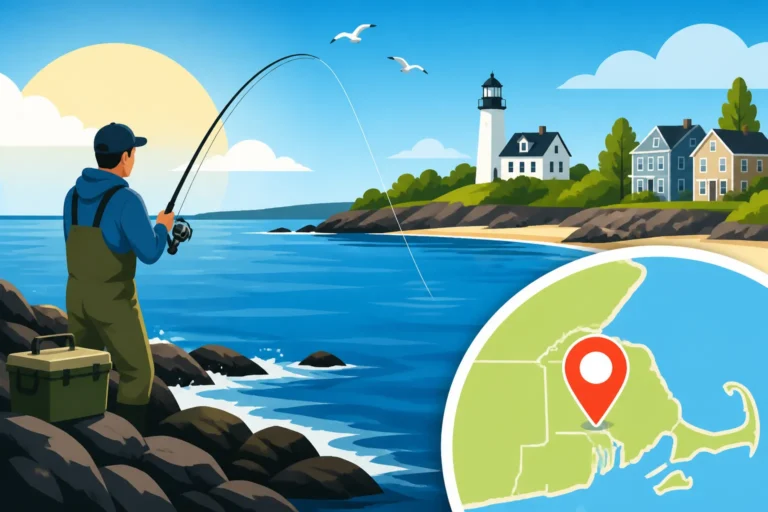
There's nothing quite like the feeling of sand between your toes or the salty spray on your face as you cast a line from the Massachusetts shoreline, but finding those truly productive spots can sometimes feel like searching for a needle in a haystack, especially when you don't have a boat. This comprehensive guide is here to unravel the mystery, leading you to some of the best shore fishing locations across the Commonwealth, from the bustling Cape Cod Canal to tranquil inland ponds.
Why Shore Fishing in Massachusetts is So Rewarding
Massachusetts offers an incredible tapestry of fishing opportunities, and while charter boats and kayaks get a lot of attention, there's a unique charm and accessibility to fishing right from the shore. It's an experience that connects you directly to the environment, without the fuss or expense of launching a vessel.
Accessibility and Convenience
One of the biggest draws of shore fishing is its sheer convenience. You don't need a boat, a trailer, or even an expensive array of specialized electronics. Many fantastic fishing spots are easily reachable by car, often with ample parking nearby, making it a perfect impromptu adventure or a planned day out with the family. Think about those spontaneous weekday evenings after work, when the urge to feel a tug on the line is just too strong to ignore. You can simply grab your rod, a small tackle bag, and be casting in minutes, enjoying the freedom that comes with not being tied to a dock or a launch ramp. This ease of access also means you can explore a wider variety of locations without significant logistical hurdles, trying different beaches, jetties, and riverbanks until you find what's working best on any given day.
Diverse Species from the Beach
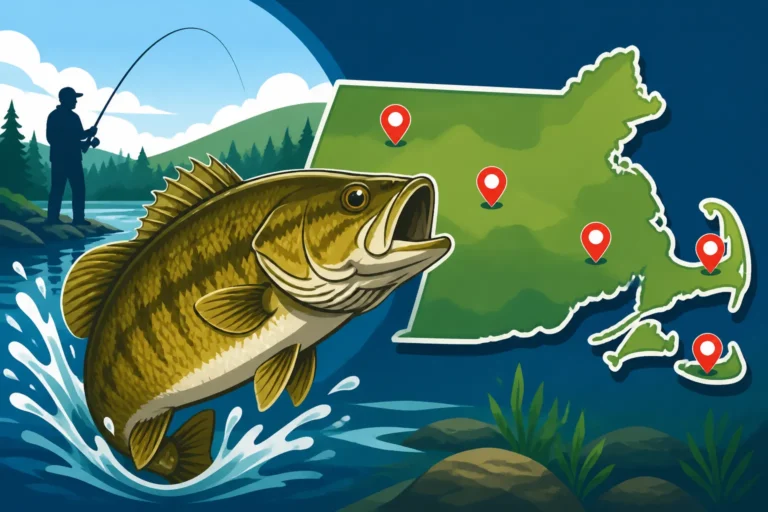
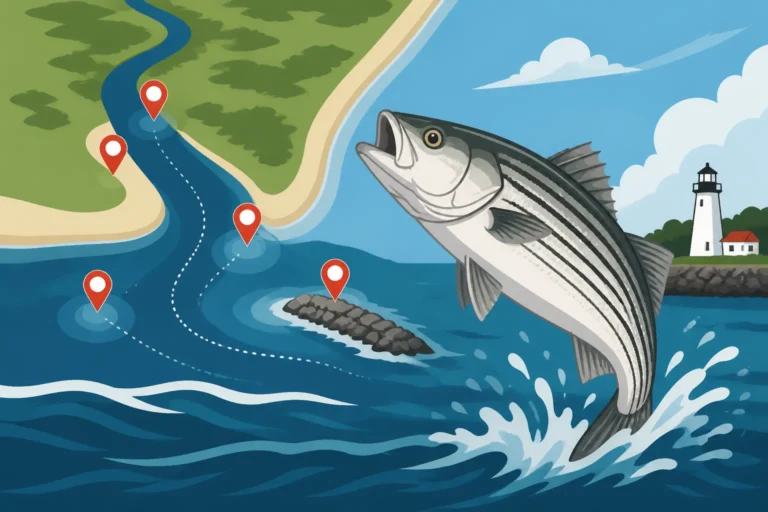
Don't let anyone tell you that you can only catch small fish from shore. Massachusetts waters, both fresh and salt, teem with a remarkable array of species that are very much within reach of the shore angler. In saltwater, you can regularly hook into impressive striped bass, especially during their spring and fall migrations. Bluefish, with their aggressive strikes and powerful fights, are also common targets from the beaches and jetties. Beyond these two giants, anglers frequently land tautog in rocky areas, a variety of flounder species like winter flounder, and even scup, which provide fast action for all ages. Freshwater shore anglers, on the other hand, can expect to tangle with feisty largemouth and smallmouth bass, a variety of panfish like perch and crappie, and even stocked trout and salmon in many of the Commonwealth's lakes and rivers. The diversity means there's always something new to target, keeping your fishing adventures fresh and exciting.
The Therapeutic Aspect
Beyond the thrill of the catch, shore fishing offers profound therapeutic benefits. There's a calming rhythm to casting and retrieving, a meditative quality to watching the waves roll in or the still surface of a pond. It's an escape from the daily grind, a chance to disconnect from screens and reconnect with nature. Many anglers find solace in the solitude of a quiet beach at dawn or the camaraderie shared with fellow anglers on a busy jetty. The ocean breeze, the sounds of gulls, the vibrant colors of a sunset over a calm lake – these elements combine to create an experience that rejuvenates the mind and spirit, making every trip, whether you catch a trophy or not, feel incredibly worthwhile. It's a chance to simply be present, to observe the natural world, and to find peace in its enduring beauty.
Essential Gear for Massachusetts Shore Anglers
While shore fishing is accessible, having the right gear can dramatically improve your success and enjoyment. You don't need to break the bank, but investing in a few key items will make a world of difference.
Rod, Reel, and Line Selection
Choosing the right rod and reel setup is crucial for shore fishing, as different environments and target species demand varying equipment. For saltwater surfcasting, where you'll be launching heavier lures or bait rigs into breaking waves, a long rod (9-12 feet) with a medium-heavy to heavy power and a fast action is ideal. This length provides the leverage needed for long casts and helps manage powerful fish in the surf. Pair it with a durable spinning reel (size 5000-8000) spooled with 30-50 lb braided line, which offers superior casting distance and sensitivity. A fluorocarbon leader of 30-50 lb test is also a must for abrasion resistance and stealth.
If you're targeting fish from jetties, piers, or calmer bay shores, a slightly shorter, more versatile rod (7-9 feet) with medium-heavy power and a matched spinning reel (size 4000-6000) will suffice. For freshwater applications, a medium to medium-heavy spinning rod (6-7.5 feet) with a 2500-4000 series reel spooled with 8-15 lb braided or monofilament line is generally perfect for bass, trout, and panfish. Remember, a good retrieve rate on your reel will make a big difference when jigging or working fast-moving lures.
Tackle Box Must-Haves
Your tackle box is your arsenal, and packing it smartly will prepare you for various scenarios. For saltwater, a selection of proven lures like soft plastics (e.g., Al Gag's Whip-It Fish or Zoom Super Flukes), topwater plugs (e.g., Doc or Super Spook), and metal lip swimmers are essential for striped bass and bluefish. Jigs, such as bucktails or heavy epoxy jigs, are great for deeper water or strong currents, like those found in the Cape Cod Canal Fishing Guide for Massachusetts Anglers. Don't forget an assortment of weights (pyramid sinkers for surf, egg sinkers for bottom rigs), swivels, and a variety of hooks (circle hooks for bait fishing, J-hooks for artificials). Live or fresh bait, such as seaworms, clams, mackerel, or pogies, can often outperform artificials, so consider carrying a small bait bucket or cooler.
For freshwater, stock up on soft plastic worms, creature baits, spinnerbaits, crankbaits, and jigs for bass. Small inline spinners, spoons, and powerbaits are excellent for trout. A selection of bobbers, split shot weights, and small hooks for panfish will also come in handy. Always include a pair of pliers for hook removal, line cutters, and a measuring tape to ensure your catch meets the Massachusetts Recreational Fishing Rules and Bag Limits.
Waders, Apparel, and Safety Gear
Comfort and safety are paramount when shore fishing. Waders are indispensable for extending your reach into the surf or wading along riverbanks. Chest waders, either breathable for warm weather or neoprene for colder conditions, will keep you dry and comfortable. Layer your clothing to adapt to changing Massachusetts weather, which can be notoriously unpredictable. A good waterproof and windproof jacket is a smart investment, as is a hat and polarized sunglasses to cut glare and protect your eyes. Sunscreen is also non-negotiable, even on cloudy days.
Safety should always be a top priority. When fishing rocky jetties or slippery shorelines, sturdy, non-slip footwear is critical. Consider wearing a personal flotation device (PFD), especially when fishing near strong currents, deep water, or in areas where you might wade out further than anticipated. A headlamp or flashlight is essential for pre-dawn or after-dark fishing, and a basic first-aid kit is always a good idea to have on hand for minor scrapes or hook mishaps. Always be aware of your surroundings, especially tides and changing weather conditions.
Top Shore Fishing Hotspots on Cape Cod and the Islands
Cape Cod and the surrounding islands are legendary fishing destinations, offering some of the best shore access and most productive waters in Massachusetts.
Cape Cod Canal
The Cape Cod Canal is a powerhouse of shore fishing, renowned for its strong currents and massive striped bass and bluefish. Stretching seven miles between Buzzards Bay and Cape Cod Bay, the Canal is lined with accessible service roads and ample parking on both the Sandwich and Bourne sides. The challenge here is understanding the fierce tides; fish often feed most aggressively during the changing of the tides. Jigging heavy lures like Guppy Lures or the classic bucktail jig is a primary technique, as is throwing large topwater plugs or metal-lipped swimmers. Early mornings and evenings, particularly during a moving tide, are prime times. It's a place where you'll often see anglers lined shoulder-to-shoulder, a testament to its productivity. Be mindful of the strong currents which can make retrieving light tackle difficult and can easily snag your line on the bottom. Familiarizing yourself with the ebb and flow is key to success here.
Outer Cape Beaches
The Outer Cape, with its vast stretches of sandy beaches exposed to the open Atlantic, offers unparalleled surfcasting opportunities. Locations like Race Point in Provincetown, Nauset Beach in Orleans, and the Orleans outer beaches are famous for their excellent striped bass and bluefish action. Anglers can walk for miles, casting into the surf, looking for rips, sandbars, and areas where baitfish might congregate. During the fall run, these beaches can explode with activity as migratory stripers chase bait south. While a 10-12 foot surf rod is common, lighter setups can work closer to shore. Baits like fresh bunker, mackerel, or clams on a fish-finder rig are effective, as are large plugs and soft plastics. Access can sometimes require a 4×4 vehicle permit, especially at Race Point, so always check local regulations. The solitude of these expansive beaches, with the crashing waves and dramatic dunes, is a quintessential Massachusetts fishing experience.
Vineyard Sound & Nantucket Sound
While often associated with boat fishing, Martha's Vineyard and Nantucket also offer fantastic shore fishing opportunities, particularly in Vineyard Sound and the calmer Nantucket Sound. On Martha's Vineyard, popular shore spots include Menemsha Beach, known for its jetties and good access to deeper water, and South Beach (Katama Beach), which offers extensive surfcasting. Anglers here target striped bass, bluefish, bonito, and false albacore. On Nantucket, Madaket Beach on the western end is famous for its sunset fishing and productive surf, while Jetties Beach, close to town, provides easier access and good opportunities for a variety of species including fluke. The key to these islands is often scouting – exploring different beaches and points during various tides. Many visitors find that seeking advice from local tackle shops is invaluable. If you're looking to enhance your chances or explore beyond direct shore access, a service like FishingBooker can help you find local guides who might reveal some of the islands' more secret spots, or even connect you with a boat charter if the shore bite is slow.
Premier North Shore and Greater Boston Shore Fishing Locations
Moving north, the Massachusetts coastline continues to offer a wealth of shore fishing spots, blending rugged beauty with urban accessibility.
Plum Island and the Merrimack River Mouth
Plum Island, a barrier island located just south of the New Hampshire border, is a surfcasting paradise, especially around the mouth of the Merrimack River. This area is a major migratory highway for striped bass and bluefish, particularly during the spring and fall runs. Anglers line the jetties and beaches, casting into the churning waters where the river meets the ocean. The strong currents here provide a rich feeding ground, attracting large fish. Access points are plentiful, with parking available near the mouth of the river and along the refuge beaches. Remember that specific regulations might apply within the Parker River National Wildlife Refuge, so always check current rules. Using heavier tackle to combat the currents is often necessary. Beyond the mouth, the calmer waters of the Merrimack River itself, accessible from shore in towns like Newburyport and Salisbury, offer excellent opportunities for striped bass, especially at night. It's an area where tide charts and a good understanding of baitfish movements are your best friends.
Cape Ann and Gloucester Harbors
Cape Ann is characterized by its rugged, rocky coastline, offering a different kind of shore fishing experience. The jetties, coves, and rocky points around Gloucester and Rockport are prime spots for a variety of species. Tautog (blackfish) are a particular favorite here, found clinging to the rocky structures. You'll need green crabs or clams for bait and a stout rod to pull them out of their rocky hideouts. Striped bass and bluefish are also regularly caught from these shores, especially in the early morning or late evening. Popular spots include the Dogbar Breakwater in Gloucester, known for its accessibility and diverse catches, and the rocky shores around Halibut Point State Park in Rockport, which offers scenic beauty along with fishing opportunities. The deep water close to shore in many of these locations means you can target species that might typically require a boat in other areas.
Boston Harbor and Its Islands
Believe it or not, Boston Harbor offers excellent shore fishing right within the city's grasp. This historic harbor has seen a remarkable ecological comeback, and its shores and accessible islands provide fantastic opportunities. Places like Castle Island in South Boston offer easy access and productive fishing for striped bass, bluefish, and flounder from its pier and rocky edges. Deer Island in Winthrop also provides extensive shore access, with anglers catching stripers and blues along its long walking paths and rocky points. Many of the Boston Harbor Islands are accessible by ferry, offering unique, tranquil fishing spots away from the urban bustle. These islands often have diverse shorelines, from sandy beaches to rocky outcrops, each holding different species. Before heading out, a quick check of the local tide chart and recent fishing reports can greatly improve your chances in these dynamic waters. Consider using MassFishHunt to purchase your fishing license before exploring these urban oases.
Best Shore Fishing Opportunities on the South Shore and Buzzards Bay
The South Shore and the waters of Buzzards Bay present another diverse array of shore fishing options, from expansive beaches to sheltered coves.
Duxbury, Plymouth, and Kingston Beaches
The broad, sandy beaches stretching from Duxbury through Plymouth and Kingston are classic New England surfcasting grounds. These areas are particularly productive for striped bass and bluefish, especially during their migratory periods. Duxbury Beach, with its extensive length, allows for plenty of space to spread out and explore, though much of it requires a 4×4 beach permit for vehicle access. Closer to Plymouth, Long Beach offers similar opportunities. Anglers here often employ classic surfcasting techniques, launching large plugs, poppers, or bait rigs into the waves. Flounder can also be found in the calmer bay waters or tidal flats adjacent to these beaches, especially in spring. The key is often to look for subtle changes in the bottom contour, such as sandbars or troughs, where fish might be ambushing bait. The historical backdrop of Plymouth Harbor adds a unique charm to your fishing experience.
Buzzards Bay Shoreline
Buzzards Bay, known for its calmer, warmer waters compared to the open Atlantic, is a haven for a variety of inshore species and offers excellent shore access along its entire coastline. The rocky points, estuaries, and sheltered coves from Westport to Wareham are fantastic for targeting tautog, scup, and especially striped bass. Horseneck Beach State Reservation in Westport provides miles of sandy beach ideal for surfcasting, while nearby rocky areas and inlets are prime for tautog and even some black sea bass. West Island in Fairhaven offers a causeway with easy access to the bay's productive waters, where you can catch stripers, bluefish, and scup. Many of the small public access points and town beaches along the bay's edge can be surprisingly productive, especially during the early morning or late evening hours when baitfish are most active.
Westport and Dartmouth Coastlines
The coastal towns of Westport and Dartmouth, nestled on the western edge of Buzzards Bay, offer a more rugged and often less crowded shore fishing experience. This area is characterized by its diverse habitats, from expansive salt marshes and tidal rivers to rocky outcroppings and secluded beaches. Areas around Gooseberry Island in Westport, particularly its rocky causeway, are excellent for striped bass and tautog. The Westport River estuary system, accessible from various points, is highly productive for stripers, bluefish, and even some fluke. In Dartmouth, places like Padanaram Harbor and its surrounding points provide sheltered fishing for a variety of species. These areas often require a bit more exploration to find the hot spots, but the reward can be unpressured fishing and beautiful scenery. Using a service like FishingBooker could help you connect with local guides specializing in these nuanced coastal areas, potentially saving you a lot of scouting time.
Freshwater Shore Fishing Gems Across Massachusetts
While saltwater often gets the limelight, Massachusetts is also blessed with an abundance of freshwater ponds, lakes, and rivers that offer fantastic shore fishing opportunities for a different kind of angler.
Quabbin and Wachusett Reservoirs Shore Access
Massachusetts' two largest water bodies, Quabbin Reservoir and Wachusett Reservoir, are renowned for their trophy trout and salmon fisheries. While boat access is heavily regulated, both reservoirs offer significant shore fishing opportunities. At Quabbin, designated fishing areas along the shoreline are open to the public, requiring a specific Quabbin Reservoir Fishing Permits and Rules in Massachusetts. Anglers often target landlocked salmon, lake trout, and rainbow trout from the banks, using methods like casting spoons, stickbaits, or fishing with bait. Wachusett Reservoir also provides extensive shore access, particularly along its eastern and western sections, where anglers can target brown trout, rainbow trout, and even some landlocked salmon. Similar to Quabbin, special regulations apply, and you'll want to consult the Wachusett Reservoir Fishing Access Rules in Massachusetts to ensure compliance. These reservoirs offer a truly unique and often solitary shore fishing experience, surrounded by pristine wilderness.
Inland Lakes and Ponds
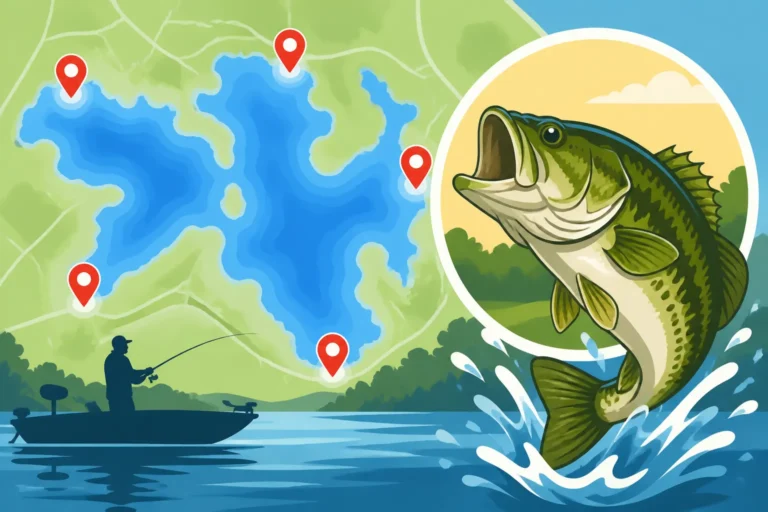
Beyond the reservoirs, hundreds of smaller lakes and ponds dot the Massachusetts landscape, many of which are easily accessible from shore and teeming with fish. These are fantastic spots for families, beginners, and anyone looking for a relaxing day of fishing. Lake Quinsigamond in Worcester, for instance, offers various public access points and is known for its excellent largemouth and smallmouth bass fishing, along with crappie and perch. Walden Pond in Concord, while famous for Thoreau, is also a popular fishing spot for trout and bass, though fishing is restricted to certain areas. For trout enthusiasts, many ponds across the state are regularly stocked by MassWildlife with rainbow, brown, and brook trout; you can often find the Massachusetts Trout Stocking Schedule online to plan your visits. These smaller bodies of water are perfect for light tackle, bait fishing, or casting small lures, and they offer consistent action throughout the warmer months.
Riverbanks and Stream Access
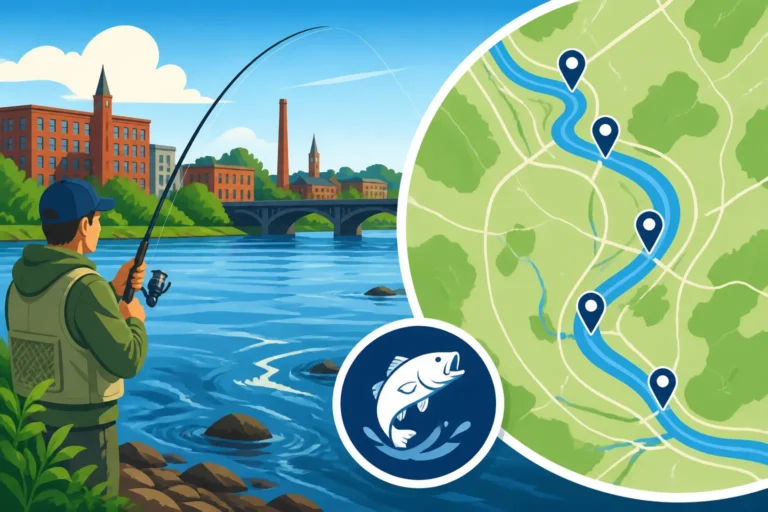
Massachusetts rivers and streams, especially in the western and central parts of the state, provide incredible freshwater shore fishing, particularly for trout and smallmouth bass. The Deerfield River, especially its "catch and release" sections, is a world-class trout fishery, popular with fly anglers and spin fishermen alike. While much of the river requires wading, numerous public access points allow for effective shore fishing. The Connecticut River, flowing through western Massachusetts, is another powerhouse, offering excellent smallmouth bass fishing from its banks, along with northern pike, walleye (though rare), and even American shad during their spring run. The river's vastness means there are countless spots to explore, from designated public parks to quieter, more remote stretches. For any freshwater fishing, remember to check the Massachusetts Freshwater Fishing Season Calendar for specific regulations and open seasons, as these can vary by species and location.
Understanding Tides, Currents, and Seasons for Shore Success
To truly excel at shore fishing in Massachusetts, it's not enough to just know where to go; you also need to understand the fundamental dynamics of the water and how fish behave throughout the year.
Tides and Lunar Phases
In saltwater, tides are arguably the single most important factor influencing shore fishing success. Fish, especially striped bass and bluefish, often feed most actively during specific phases of the tide. Moving water, whether incoming or outgoing, creates currents that dislodge baitfish and other food sources, concentrating them in predictable areas like rips, eddies, and channels. For many spots, particularly those with strong currents like the Cape Cod Canal or river mouths, the hour or two leading up to a high or low tide, and the subsequent hour or two of the outgoing or incoming, can be prime feeding windows. Conversely, slack tide often sees a significant slowdown in activity. The lunar phases also play a role: new and full moons produce stronger "spring tides" with more dramatic water movement, which can sometimes lead to more aggressive feeding, but also more challenging fishing conditions due to the current. Always consult a tide chart for your chosen location, as local geography can cause significant variations.
Seasonal Migrations and Best Times
Massachusetts fishing is highly seasonal, driven by water temperatures and fish migrations. Understanding these patterns is critical. Spring (April-May) sees the arrival of migratory striped bass and bluefish to the coast, with freshwater fish also becoming active as waters warm. This is a prime time for targeting both freshwater trout (following stocking) and hungry stripers on the beaches and in the estuaries. Summer (June-August) offers consistent action for stripers and bluefish, along with the peak season for fluke, scup, and black sea bass in saltwater. Freshwater bass fishing is excellent, particularly during early mornings and late evenings. Fall (September-November) is arguably the most exciting time for saltwater shore fishing, as baitfish migrate south, triggering the "fall run" of large striped bass and bluefish. Many anglers consider this the best time of year to fish in Massachusetts, offering a chance at truly large specimens. Winter (December-March) is generally slow for open-water shore fishing, though ice fishing becomes popular on frozen freshwater ponds, and hardy anglers might still find cod or haddock from certain jetties or piers.
Reading the Water
Becoming a successful shore angler involves more than just casting blindly; it's about learning to "read the water." This means observing subtle clues that indicate where fish might be holding or feeding. Look for birds diving, which often signifies baitfish being pushed to the surface by predators like striped bass or bluefish. Identify rips and eddies where currents converge, creating feeding lanes. Observe changes in water depth, sandbars, or rocky structures that provide cover and ambush points for fish. Look for areas where waves break differently, indicating submerged structure. In freshwater, pay attention to weed lines, fallen trees (snags), and drop-offs, all of which provide cover and attract bait. Even the color of the water can tell you something; clear water might call for lighter lines and more natural presentations, while murkier water might allow for heavier tackle and more aggressive lures. Learning to interpret these signs takes practice, but it's an invaluable skill that will consistently put you on fish.
Here's a handy table summarizing some common shore catches in Massachusetts:
| Species | Typical Shore Locations | Best Season | Preferred Baits/Lures | Notes |
|---|---|---|---|---|
| Striped Bass | Beaches, Jetties, Canal, Estuaries | Spring, Summer, Fall | Plugs, Soft Plastics, Eels, Mackerel, Clams | Most active during moving tides; often nocturnal feeders. Check Massachusetts Striped Bass Slot Limit Explained. |
| Bluefish | Beaches, Jetties, Outer Cape | Summer, Fall | Poppers, Metal Jigs, Spoons, Mackerel | Aggressive, toothy fighters; cut off light leaders. |
| Tautog | Rocky Shores, Jetties, Piers | Spring, Fall | Green Crabs, Hermit Crabs, Clams | Demand stout tackle and quick hooksets. |
| Fluke (Summer Flounder) | Sandy Bottoms, Estuaries, Beaches | Summer | Gulp! Swimming Mullet, Squid Strips, Spearing | Drift fishing or slow retrieve is effective. |
| Scup (Porgy) | Sandy/Rocky Bottoms, Piers | Summer, Early Fall | Clams, Squid, Worms | Fast action, great for kids. |
| Largemouth Bass | Ponds, Lakes, Slow Rivers | Spring, Summer, Fall | Plastic Worms, Jigs, Spinnerbaits, Live Shiners | Often found near cover like lily pads, fallen trees. |
| Smallmouth Bass | Rivers, Deeper Lakes, Rocky Areas | Spring, Summer, Fall | Crankbaits, Tubes, Jigs, Live Minnows | Prefer clear, rocky habitats. |
| Trout (Rainbow, Brown, Brook) | Stocked Ponds, Coldwater Streams | Spring, Fall | Powerbait, Worms, Spinners, Flies | Target during spring and fall stockings. |
| Chain Pickerel | Weedy Ponds, Slow Rivers | Year-round | Spoons, Spinnerbaits, Live Minnows | Aggressive predators, found in shallow, weedy areas. |
Disclaimer
The information provided in this guide is for general informational purposes only. Fishing regulations, seasons, and access points in Massachusetts can change frequently. Always consult the official Massachusetts Division of Fisheries and Wildlife (MassWildlife) website or current fishing regulations pamphlet before heading out to fish. Adherence to all local, state, and federal laws is the responsibility of the angler. Fish consumption advisories may also be in effect for certain waters and species; check with the Massachusetts Department of Public Health.