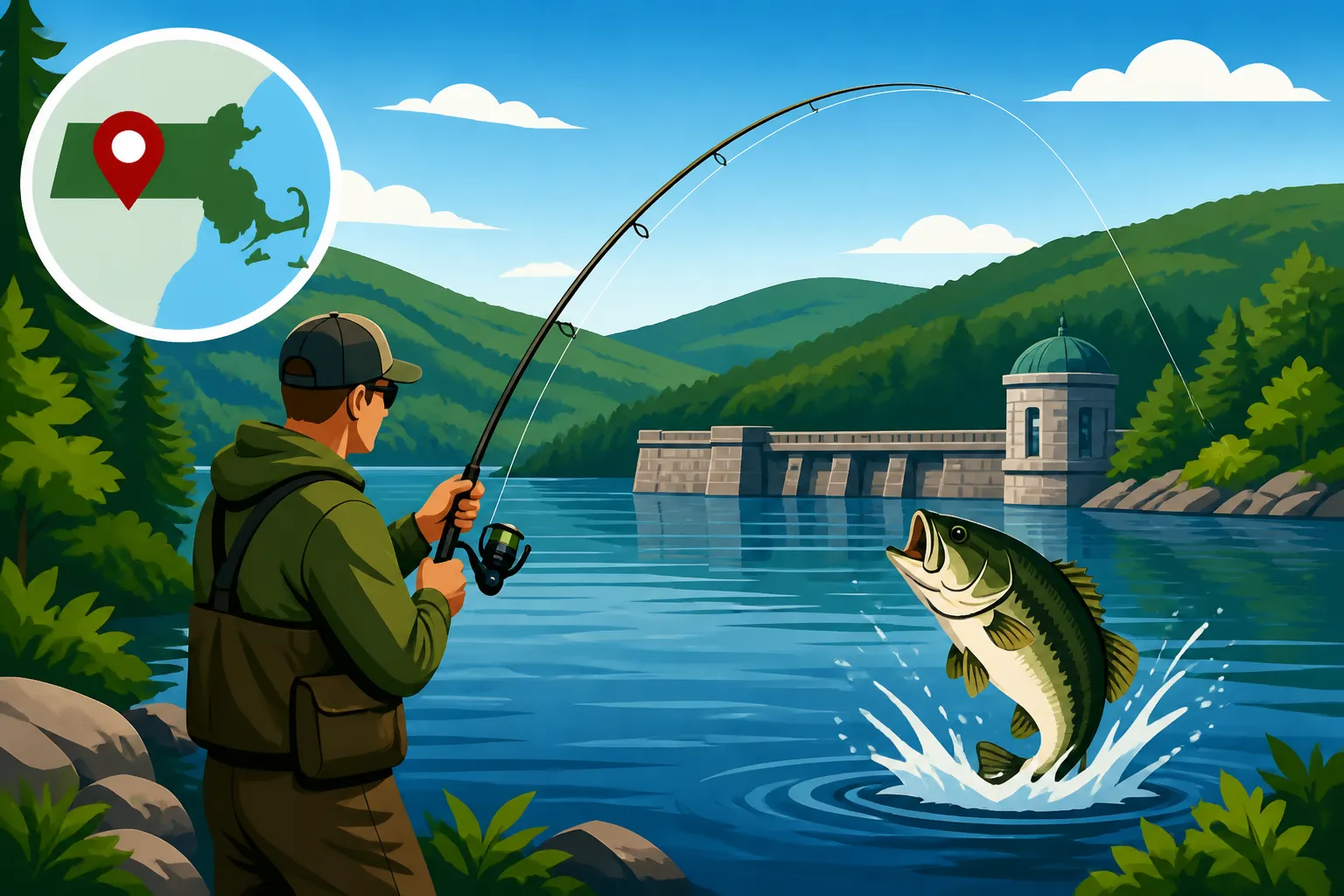
Otis Reservoir Fishing Spots
For anglers in Massachusetts, finding a truly vast freshwater haven that offers diverse fishing opportunities without feeling overly crowded can sometimes feel like chasing a phantom. Many of our lakes and ponds are beautiful, but few combine expansive waters with a rich variety of fish quite like Otis Reservoir. This guide is dedicated to helping you unlock the secrets of Otis, pinpointing the best spots, and understanding its unique fishing potential.
Discovering Otis Reservoir's Allure
Otis Reservoir, nestled in the picturesque Berkshire Hills of western Massachusetts, isn't just another body of water; it's a sprawling, diverse ecosystem that presents both exciting opportunities and unique challenges to anglers. Often hailed as one of the largest impoundments in the state, its sheer size – over 1,000 acres with a maximum depth of around 48 feet – means there's always something new to explore. For those who might feel confined on smaller ponds, Otis offers that wonderful sense of open water, yet it retains plenty of intricate structure to keep things interesting.
A Deep Dive into Otis's Geography
When you first look at a map of Otis Reservoir, you'll immediately notice its irregular shape, dotted with islands, coves, and varying depths. This isn't your typical bowl-shaped lake. Instead, it features numerous fingers, points, and shallower flats that gradually drop into deeper channels. This complex topography is a huge part of its appeal, creating a multitude of distinct habitats for different fish species. It’s a place where you can spend an entire day exploring a single arm of the reservoir and feel like you've barely scratched the surface. The shoreline itself is a mix of developed areas, public access points, and stretches of relatively wild forest, adding to its diverse character. Understanding this geographical layout is truly the first step to successful fishing here.
Why Otis Stands Out for Anglers
What truly sets Otis Reservoir apart from many other Massachusetts freshwater bodies is its impressive diversity of fish species and the sheer amount of fishable water. While many lakes excel for one or two particular species, Otis offers a legitimate shot at trophy largemouth bass, feisty smallmouth bass, a variety of panfish, chain pickerel, and even some trout. For me, as a veteran angler, that's incredibly appealing – you're never "stuck" targeting just one thing. If the bass aren't biting, you can easily switch gears to crappie or perch. This versatility makes it an excellent destination for solo anglers looking for a challenge, families hoping to catch anything that bites, or even a group of friends with varied fishing interests. The ample space also means that even on busier summer weekends, you can usually find a quiet cove or less-traveled section to cast your line without feeling like you're on top of another boat.
Navigating Key Fishing Access Points
Getting onto Otis Reservoir is relatively straightforward, but knowing the specific access points and what they offer can make a huge difference in planning your trip. Depending on whether you're bringing a boat, a kayak, or just planning to fish from shore, certain locations will serve you much better than others. It's not just about getting wet; it's about strategic entry.
Public Boat Launches and Ramps
For those with a boat, the primary public access is typically the Otis Reservoir State Boat Ramp on Tolland Road in Otis. This ramp is well-maintained and suitable for launching a variety of boat sizes, from small fishing skiffs to larger bass boats. It provides ample parking, which is a huge plus, especially during peak season. When using a boat, remember to check current regulations regarding motor restrictions and any required inspections, as these can change. Having a reliable launch point like this makes all the difference for a smooth start and end to your fishing day. Many seasoned anglers planning a trip will consult platforms like FishingBooker to not only find local guides but also get an idea of launch conditions and local insights from captains operating in the area.
Another potential access point is the small launch near the junction of North Gate Road and Route 23, though this is often more suited for smaller boats, canoes, and kayaks due to its more rustic nature and limited parking. Always scout these secondary spots beforehand if you're unfamiliar, especially if you're trailering a larger vessel. It’s frustrating to drive all that way only to find out your boat won’t fit!
Shoreline Fishing Opportunities
While Otis Reservoir is predominantly a boat-friendly fishery, there are still several decent spots for shore anglers, particularly if you're willing to do a bit of walking. The areas around the main boat ramp can offer some shoreline access, though it might be crowded. Another excellent option is to explore the various state forest areas and conservation lands that border parts of the reservoir. For example, parts of the Otis State Forest offer trails that lead to secluded coves and points. These spots often require a hike, but the payoff can be a more peaceful fishing experience and access to less pressured fish.
It’s important to respect private property signage along the shoreline; much of the reservoir's edge is privately owned. Sticking to designated public areas or areas clearly marked as public access points will ensure you have a pleasant and legal fishing experience. For families or beginners, these accessible shore spots can be ideal for a relaxed afternoon, especially if you're not planning to venture far. Always make sure you have your Massachusetts Freshwater Fishing License Costs and Rules squared away before you head out, no matter where you plan to cast a line.
Fishing Pier and Kayak/Canoe Access
Otis Reservoir doesn't feature a prominent, large public fishing pier like some state parks, but its irregular shoreline and calmer coves are perfect for kayaks and canoes. Many anglers find that paddle craft offer the best of both worlds: access to prime fishing areas that larger boats might struggle to reach, combined with a quiet approach that won't spook fish. You can launch kayaks and canoes easily from most of the public boat ramps or even small pull-offs along the quieter roads bordering the reservoir, provided you're not on private land.
For those who enjoy paddling, exploring the numerous islands and their surrounding structures can be incredibly productive. These areas often hold excellent populations of bass and panfish. Just be mindful of boat traffic, especially on busy weekends, and always wear a PFD. The sense of adventure you get from paddling into a hidden cove, hearing only the sounds of nature, is something special at Otis. Remember that even for a short trip, having your Massachusetts Fishing License for Nonresidents or resident license on hand is a must.
Here's a quick overview of primary access options:
| Access Point | Type of Access | Best For | Notes |
|---|---|---|---|
| Otis Reservoir State Boat Ramp | Paved Boat Launch | All boat types, shore fishing (limited) | Ample parking, busy on weekends. |
| North Gate Road Pull-off | Unimproved Ramp/Shore | Kayaks, canoes, small boats, shore | Limited parking, more rustic, can be muddy. |
| Otis State Forest Trails | Foot Trails | Shore fishing (secluded) | Requires hiking, less crowded, access to coves and points. |
Targeting Key Fish Species in Otis Reservoir
Otis Reservoir is a true multi-species fishery, offering anglers the chance to hook into a variety of popular freshwater game fish and panfish. This diversity is what makes it such a favorite among local anglers. Knowing what to target and where to find them is key to maximizing your success on these waters.
Largemouth and Smallmouth Bass
Bass fishing at Otis Reservoir is nothing short of excellent, with healthy populations of both largemouth and smallmouth. For largemouth bass, focus your efforts on the shallower, weedy coves, submerged timber, and around the many islands that dot the reservoir. These fish love cover and ambush points. Spinnerbaits, chatterbaits, plastic worms, and topwater lures fished during low light conditions can be incredibly effective. The warmer months, from late spring through early fall, are prime time for these aggressive feeders. Many anglers have incredible luck in the back of coves with lily pads or submerged brush. If you're looking for tips, our guide on How to Catch Largemouth Bass in Massachusetts Ponds could be a great resource before your trip.
Smallmouth bass, on the other hand, tend to prefer the clearer, deeper water, rocky points, and open main lake areas. Look for humps, submerged rock piles, and transitions from shallow to deep water. Drop-shot rigs, tube jigs, and jerkbaits are classic choices for smallmouth. These bronze beauties fight hard and are a blast on light tackle. Don't be surprised to find them schooling, especially around baitfish congregations. Both species provide thrilling action, and it’s not uncommon to catch both in a single outing if you adjust your tactics and locations.
Trout and Other Coldwater Species
While not primarily known as a trout fishery, Otis Reservoir does receive periodic stockings of trout by MassWildlife, particularly brown and rainbow trout. These stockings primarily aim to provide a put-and-take fishery, and the trout often gravitate towards the deeper, cooler sections of the reservoir, especially during the warmer months. Trolling small spoons or stickbaits in the main basin, or fishing with power bait, worms, or small shiners near deeper points, can yield success. Early spring and late fall are often the best times to target trout when the water temperatures are more favorable throughout the water column.
Additionally, some deeper areas might hold lake trout, though they are less common and more challenging to target. For dedicated trout anglers, there are many other fantastic Trout Fishing in Massachusetts spots, but Otis offers a pleasant surprise for those who stumble upon them while bass fishing.
Panfish and Chain Pickerel
Otis Reservoir is a paradise for panfish enthusiasts and those who love catching feisty chain pickerel. You'll find abundant populations of yellow perch, black crappie, bluegill, and pumpkinseed sunfish throughout the reservoir. These fish are often found in weed beds, around docks, and in shallower coves, making them ideal targets for younger anglers or anyone looking for consistent action. Simple setups with a bobber, a small hook, and bait like worms, corn, or small jigs are incredibly effective. It's a fantastic way to introduce kids to fishing, as they're almost guaranteed to get bites.
Chain pickerel are also prolific in Otis. These toothy predators love to hide in weed beds and ambush their prey. They'll strike spoons, spinnerbaits, and even live shiners with aggressive abandon. While not typically considered a prime table fare by all, they offer an exciting fight and can be a lot of fun on light gear. Just be careful when handling them due to their sharp teeth! Our Chain Pickerel Fishing in Massachusetts guide has more on these fun fish.
Seasonal Strategies for Otis Reservoir Fishing
Understanding the seasonal patterns of fish behavior is paramount to success on any large body of water, and Otis Reservoir is no exception. The changing temperatures and forage availability throughout the year dictate where fish will be and what they'll be willing to bite.
Spring Fishing Hotspots
As the ice recedes and water temperatures begin to climb in spring, Otis Reservoir truly comes alive. This is a fantastic time for trout, which are often more active near the surface as they seek out warmer water and available forage after winter. Targeting them with small spoons or bait in the deeper sections can be productive. For bass, spring means they'll start moving into shallower coves and sun-exposed areas to spawn. Look for them around emerging weed beds, rocky points, and submerged timber. Crankbaits, jigs, and slow-moving soft plastics can be deadly as the bass prepare for or recover from spawning. This is also an excellent time for panfish, which become very active and hungry after the long winter, often congregating in shallow, sunny areas.
The key to spring fishing is often to follow the warming water. The fish are generally shallower and more aggressive, making for some fantastic angling opportunities before the summer heat settles in. It's a great time to cover water and find those active feeding zones.
Summer Strategies for Success
Summer at Otis Reservoir means warmer water, abundant forage, and a shift in fish behavior. Largemouth bass will often retreat to deeper weed lines, shaded areas, or stick to heavy cover in the coves during the heat of the day, becoming more active during dawn, dusk, and even at night. Topwater lures can be incredibly exciting during low light. For smallmouth, they'll often be found suspended over deeper structure or on rock piles in the main lake. Drop-shotting or working deep-diving crankbaits can be effective.
Panfish remain active throughout the summer, often found within weed beds or around docks, providing consistent action for casual anglers. Look for deeper weed edges or shaded areas during midday for consistent bites. If you're feeling adventurous, this might also be a time to try vertical jigging for suspended fish in the deeper parts of the reservoir. For some excellent advice, consider checking out local experts through platforms like FishingBooker; they often have real-time knowledge of summer patterns.
Fall Fishing on Otis
Fall at Otis Reservoir is a personal favorite for many anglers, myself included. As water temperatures cool, fish become highly active and aggressively feed in preparation for winter. This "fall feeding frenzy" can lead to some incredible days on the water. Bass, both largemouth and smallmouth, will often move shallower, chasing baitfish that are also congregating. Spinnerbaits, crankbaits, and even large swimbait can be incredibly effective as bass gorge themselves. Look for schooling baitfish, and you'll likely find hungry predators close behind.
Trout fishing can also pick up again in the fall, especially for stocked fish, as they become more comfortable in the cooler water throughout the reservoir. Panfish remain active, offering great catches right up until ice forms. The beauty of fall fishing is not just the active bite, but also the stunning foliage of the Berkshire Hills surrounding the reservoir – a truly picturesque backdrop for a day on the water.
Ice Fishing Adventures
When winter finally blankets Massachusetts and the ice thickens, Otis Reservoir transforms into a popular destination for ice fishing. This is a prime time to target yellow perch, crappie, and chain pickerel. Tip-ups set with live shiners are incredibly effective for pickerel and larger bass (though bass fishing through the ice can be challenging). Jigging with small spoons or specialized ice jigs tipped with a grub or a piece of worm can yield buckets of panfish.
Always prioritize safety when ice fishing. Check ice thickness regularly, go with a buddy, and avoid areas with currents or open water. Our comprehensive guide on Ice Fishing in Massachusetts offers crucial safety tips and techniques for a successful winter outing. The camaraderie and peaceful solitude of ice fishing, often punctuated by the scream of a tip-up flag, make it a truly unique way to experience Otis Reservoir. Just remember, your regular Massachusetts fishing license covers ice fishing, so make sure it's current.
Understanding Boating and Regulations
Fishing Otis Reservoir isn't just about knowing where the fish are; it's also about understanding the rules of the road – or, in this case, the water. Massachusetts has specific regulations for boating and fishing that apply to Otis, and being informed ensures a safe and legal outing.
Motor Restrictions and Safe Boating
Otis Reservoir is generally open to motorboats, but as with any large body of water, responsible boating is crucial. There are no specific horsepower restrictions on Otis Reservoir, which means you'll see everything from small electric trolling motors to powerful outboard engines. However, always be mindful of wake laws, especially in narrow coves or near shorelines where kayakers, canoeists, or other smaller craft may be present. Massachusetts boating laws require certain safety equipment on board, including life jackets for all passengers, a fire extinguisher, and proper lighting for night operations.
Always practice safe boating: maintain a lookout, operate at a safe speed, and be aware of your surroundings. The reservoir can get busy on weekends, especially during summer, so courtesy on the water goes a long way. If you’re not familiar with the reservoir, take some time to navigate slowly and learn its contours before opening up the throttle. It's easy to get lost in the intricate coves if you're not paying attention.
Fishing License and Catch Limits
Before you even think about casting a line in Otis Reservoir, or any public water in Massachusetts, you absolutely need a valid fishing license. Both residents and non-residents are required to have one. You can easily purchase your license online through MassFishHunt or at authorized vendors across the state. Remember, your license year runs from January 1st to December 31st, so always double-check its validity. For specifics, consult the Massachusetts Fishing License Guide or our detailed breakdown on Massachusetts Freshwater Daily Catch Limits.
Regarding catch limits, Otis Reservoir follows the general statewide freshwater fishing regulations. For most species like largemouth and smallmouth bass, there are specific size and daily creel limits. Panfish like yellow perch and crappie usually have generous limits, while chain pickerel typically have a minimum size and daily bag limit. It's crucial to consult the current Massachusetts Guide to Fishing Regulations, published annually by MassWildlife, for the most up-to-date information. These regulations are designed to protect fish populations and ensure sustainable fishing for everyone. Don’t forget about the Massachusetts two-pole fishing rules if you plan on using multiple rods, as there are specific guidelines to follow.
Environmental Considerations and Conservation
Otis Reservoir is not just a fishing spot; it’s a vital part of Massachusetts's natural heritage. Anglers have a responsibility to practice good stewardship and help conserve this resource. This means adhering to "Leave No Trace" principles: pack out everything you pack in, and never litter. Avoid introducing invasive species by cleaning your boat, trailer, and fishing gear before and after each trip, especially if you've fished in other bodies of water. Even something as simple as bait buckets can transfer unwanted organisms.
Respect wildlife and habitat, avoid disturbing nesting birds or sensitive shoreline vegetation. Catch and release practices, especially for larger game fish like bass, help maintain healthy populations. By being mindful of our impact, we can all contribute to keeping Otis Reservoir a pristine and productive fishery for generations to come. For instance, reputable fishing services like FishingBooker often promote responsible angling and connect anglers with guides who prioritize sustainable practices.
Essential Tips for a Successful Day on Otis Reservoir
Having fished Otis Reservoir countless times, I've gathered a few nuggets of wisdom that can truly enhance your experience, whether you're a seasoned pro or just starting out. It's often the small details that make the biggest difference.
Gear Recommendations and Setup
For bass fishing at Otis, a medium-heavy action spinning or baitcasting rod, spooled with 10-15 lb fluorocarbon or braided line, is a versatile setup. This will handle most largemouth and smallmouth techniques, from pitching jigs to working crankbaits. Don't forget a selection of plastics (worms, creature baits), spinnerbaits, topwater lures, and a few trusty crankbaits. For panfish, a lighter ultralight spinning rod with 4-6 lb monofilament is perfect for maximum fun. Small jigs, bobbers, and live worms or minnows are usually all you need.
Always pack a tackle box with a variety of hooks, sinkers, and swivels. A good pair of pliers or forceps for hook removal is essential, especially with pickerel, and a net can save a trophy fish at the boat. Dressing in layers is always smart, as Massachusetts weather can change quickly. Even though it might seem like common sense, having the right gear that's in good working order can prevent a lot of frustration. Make sure you also consider the Massachusetts ice fishing license requirements if you're heading out in winter, as regulations can sometimes surprise you.
The Importance of Mapping and Electronics
Otis Reservoir is large and complex, making mapping and electronics incredibly valuable. A good GPS unit with detailed lake maps (like those from Navionics or Lowrance) can show you depth contours, submerged structure, and even weed lines, allowing you to pinpoint potential fish-holding areas. My personal rule is never to venture onto a new, large body of water without first studying a map.
Fish finders (sonar) are also invaluable for locating schools of baitfish, distinguishing bottom composition, and identifying fish. Even a basic unit can help you understand the underwater landscape and put you on more fish. If you're fishing from a kayak, portable fish finders are a game-changer. Don't just motor around; use your electronics to actively search for structure and signs of life. Platforms like FishingBooker often list charters that come fully equipped with the latest electronics, offering a great way to learn their effective use.
Local Knowledge and Fishing Reports
While technology is great, nothing beats local knowledge. Striking up conversations with bait shop owners, other anglers at the boat ramp, or even consulting online Massachusetts fishing forums can provide invaluable, up-to-the-minute information on what's biting, what baits are working, and current conditions. Sometimes, just a small tip about a particular lure color or depth can turn a slow day into a banner day.
Fishing reports, whether from local outfitters or online communities, can give you a snapshot of recent success and help you refine your strategy. Just remember that conditions can change quickly, so use these reports as a guide, not gospel. But they can certainly point you in the right direction and save you precious fishing time on the water.
Final Thoughts on Otis Reservoir
Otis Reservoir truly is a gem in the Massachusetts fishing landscape. Its vastness, diverse fish populations, and scenic beauty make it a destination worth exploring for any angler. Whether you're chasing trophy bass, filling a bucket with panfish, or jigging through the ice, Otis offers a unique and rewarding experience. Just remember to come prepared, respect the rules, and soak in the natural beauty of the Berkshires. Tight lines, friends!
Disclaimer
Please note that fishing regulations, access points, and fish stocking schedules can change. Always consult the official Massachusetts Division of Fisheries and Wildlife (MassWildlife) website or their annual freshwater fishing guide for the most current and accurate information before planning your trip to Otis Reservoir or any other fishing location in Massachusetts.