Provincetown Harbor Fishing Guide
Fishing in a bustling tourist spot can sometimes feel daunting, especially when you're seeking those quiet moments or vibrant action away from the crowds. Many anglers flock to the well-known hotspots, overlooking hidden gems that offer incredible opportunities. This guide is here to shed light on one such treasure: Provincetown Harbor, providing a deep dive into its unique appeal, prime fishing locations, and the best ways to experience its rich marine life.
Why Provincetown Harbor is a Unique Fishing Destination
Provincetown, perched at the very tip of Cape Cod, is famous for its vibrant arts scene, beautiful beaches, and bustling Commercial Street. But for those of us who love to fish, it holds a special allure – its magnificent harbor. This isn't just any harbor; it's a sprawling, naturally protected basin that provides an exceptional environment for a diverse array of fish species. Forget the constant battle with strong currents you might find in other areas; here, you often get a calmer, more accessible fishing experience.
Sheltered Waters Advantage
The defining characteristic of Provincetown Harbor is its incredible shelter. Flanked by the long, curving arm of Cape Cod to the east and north, and the town itself to the west, the harbor is largely protected from the open Atlantic's harshest conditions. This natural barrier means that even on days when the outer Cape is getting hammered by swells and winds, the harbor often remains surprisingly calm. For anglers, this translates into more comfortable fishing days, less gear struggle, and safer conditions for small boats, kayaks, or even just fishing from the shore. You won't find yourself constantly battling waves or sea spray, allowing you to focus on the bite.
This sheltered environment isn't just about comfort; it creates a unique micro-ecosystem. The calmer waters allow baitfish to congregate, providing a consistent food source that attracts larger predatory species. Think of it as a natural refuge where fish can feed and hide, making it a reliable spot when other, more exposed areas are less productive. It’s a fantastic option for families or beginners who might be intimidated by rougher ocean conditions, offering a gentle introduction to saltwater angling.
Diverse Ecosystem and Marine Life
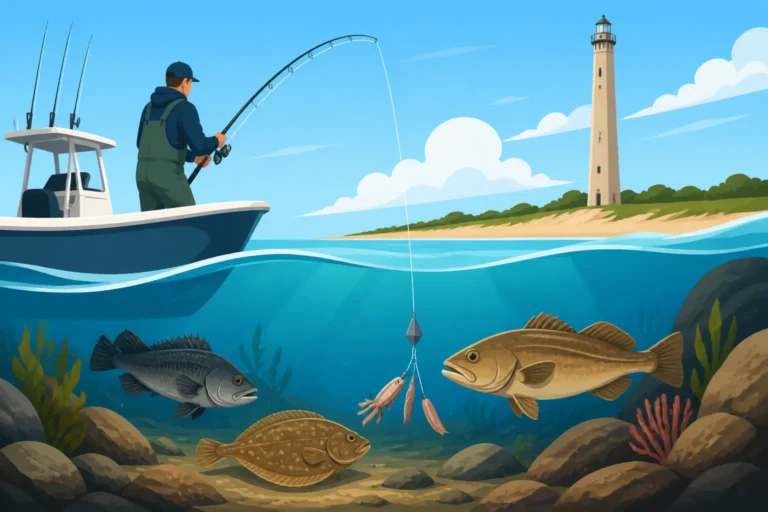
Provincetown Harbor is a vibrant hub of marine activity, supporting a rich biodiversity that often surprises first-time visitors. The combination of its sheltered nature, varying depths, and proximity to the open ocean creates a unique ecosystem where both inshore and transient offshore species can thrive or pass through. You're not just limited to one type of fishing here; the variety is truly impressive.
From the sandy flats and shallower areas closer to shore, teeming with crabs and smaller baitfish, to the deeper channels frequented by larger predators, the harbor offers a smorgasbord for different angling preferences. This diversity means that what you might catch can vary significantly depending on your chosen spot and technique. It’s not uncommon to target one species and find yourself pleasantly surprised by another, making every cast an exciting possibility. This dynamic environment is part of what makes P-town Harbor such a compelling place for anglers of all skill levels.
Accessibility for All Anglers
One of the most practical and appealing aspects of fishing in Provincetown Harbor is its sheer accessibility. Unlike some remote fishing grounds that require specialized boats or arduous treks, P-town offers numerous options for getting your line in the water, whether you're a seasoned boat owner or someone simply looking to cast a line from the shore. This inclusive nature makes it a fantastic destination for everyone, from solo adventurers to families with young children.
Public access points are plentiful, including easy-to-reach piers and stretches of beachfront. For those without a boat, these shore-based locations provide excellent opportunities without the need for extensive equipment. If you do have a small boat, kayak, or paddleboard, launching is often straightforward, giving you direct access to deeper parts of the harbor and its many nooks and crannies. This blend of easy access and diverse fishing opportunities truly sets Provincetown Harbor apart as a premier fishing destination on Cape Cod, welcoming all who seek to experience its bounty.
Prime Fishing Spots Within Provincetown Harbor
Provincetown Harbor, while appearing as one large body of water, actually comprises several distinct areas, each offering unique fishing prospects. Knowing where to cast your line can make all the difference, depending on what species you're targeting and whether you prefer to fish from shore or by boat.
MacMillan Pier
MacMillan Pier is arguably the most famous and accessible fishing spot in Provincetown Harbor, acting as the town's bustling marine hub. This isn't just a place where ferries dock and whale watch tours depart; it's a fantastic platform for shore-based anglers. The pier itself extends a good distance into the deeper parts of the harbor, providing access to waters that are often out of reach for beachcasters.
From MacMillan Pier, you can cast for a wide variety of species. During the spring and fall, schools of mackerel and herring often pass through, making for exciting light tackle action. These baitfish, in turn, attract larger predators like striped bass and bluefish. You might also encounter bottom dwellers such as flounder or scup, especially if you're fishing with bait close to the pilings. The pier offers convenient amenities, including nearby bait and tackle shops, making it a perfect spot for spontaneous fishing trips. Remember that this is a working pier, so be mindful of boat traffic and other harbor activities.
West End Breakwater
For those willing to venture a bit further, the West End Breakwater offers a more secluded and often highly productive fishing experience. This long, rocky structure protects the harbor's western side and provides excellent habitat for various fish species. Accessing it usually involves a walk along the beach from the west end of town, or a short kayak paddle. The effort is often well worth it for the peace and quiet, and the potential for larger catches.
The rocky nature of the breakwater creates ideal ambush points for striped bass and bluefish, particularly during tidal changes. Cast lures or live bait along the edge of the rocks, or into the deeper water beyond the structure. The crevices and kelp beds along the breakwater also hold tautog and scup, making it a great spot for bottom fishing with crabs or clams. Keep an eye on the tides, as parts of the breakwater can be submerged at high tide, and the footing can be slippery. This area, with its less crowded conditions, truly allows you to focus on the fishing without the distractions of the busy pier.
East End Beachfront
Beyond the immediate pier area, the East End Beachfront of Provincetown Harbor provides excellent opportunities for surfcasting and wading, especially for those seeking a more traditional beach fishing experience. While it doesn't have the deep-water access of the pier, its expansive sandy flats and shifting channels can be incredibly productive, particularly during early morning or late evening hours.
Anglers here often target striped bass and bluefish that patrol the shallow edges, looking for baitfish. Using poppers, swimming plugs, or soft plastics can yield great results, especially during twilight hours when these predators are most active. You might also find winter flounder in the spring and fall, drifting bait along the bottom. The East End Beachfront offers a different perspective on harbor fishing, combining the tranquility of the beach with the excitement of an active fishery. It's a fantastic spot for anglers who enjoy the rhythmic cast-and-retrieve of surfcasting and the anticipation of a hit in the quieter confines of the harbor.
Commercial Vessel Channels
While less accessible for shore anglers, the commercial vessel channels within Provincetown Harbor are prime areas for boat fishermen. These deeper trenches are constantly scoured by currents and boat traffic, creating dynamic environments that attract a wide range of baitfish and, consequently, their predators. If you have access to a boat, kayak, or even a paddleboard, exploring these channels can unlock some of the best fishing the harbor has to offer.
Targeting striped bass and bluefish in these channels often involves trolling lures or live bait, or drifting cut bait along the bottom. The deeper water can also hold larger concentrations of baitfish like mackerel and menhaden, which are excellent indicators of predatory fish activity. Additionally, species like cod and haddock, while typically offshore, can sometimes venture into the deeper parts of the harbor or just outside its mouth, especially during cooler months. If you're looking to book a guided trip to explore these productive areas, platforms like FishingBooker can connect you with local captains who know the ins and outs of these challenging yet rewarding fishing grounds.
Target Fish Species in Provincetown Harbor
Provincetown Harbor truly shines when it comes to the diversity of fish species you can encounter. Depending on the season, the tide, and your chosen method, you could be hooking into anything from powerful striped bass to delicious flounder. Understanding what's typically biting and when can significantly improve your chances of a successful outing.
Striped Bass and Bluefish
For many anglers visiting Massachusetts, the allure of striped bass is undeniable, and Provincetown Harbor is a fantastic place to target them. These powerful game fish are drawn to the harbor's abundant baitfish and its protective waters. Bluefish, known for their aggressive strikes and strong fights, are also frequent visitors, especially during the warmer months. You can often find them patrolling the same waters, making for an exciting mixed bag.
Striped bass tend to arrive in the harbor in late spring, following the migratory baitfish, and will stay through the fall run. Early mornings and evenings, especially around tide changes, are prime times to target them. Look for signs of baitfish schools being driven to the surface or birds diving—these are sure indicators of feeding activity. Bluefish typically show up a bit later in the summer and stay through early fall. They're often less finicky than stripers and will readily hit a wide range of lures. Using a stout rod and leader is a good idea when bluefish are around, as their razor-sharp teeth can quickly cut through lighter lines. Remember the Massachusetts Striped Bass Slot Limit Explained and the Massachusetts Bluefish Bag Limit and Season to stay compliant with regulations.
Flounder and Scup
Beyond the thrilling topwater action of stripers and bluefish, Provincetown Harbor offers excellent opportunities for bottom fishing, with flounder and scup being common and welcome catches. These species provide a different kind of angling experience, often more subtle and focused on bait presentation. They are also fantastic eating fish, making them a popular target for many.
Winter flounder are typically found in the harbor during the spring and fall, preferring the sandy and muddy bottoms. They are best caught using small pieces of bait, like clams or worms, fished directly on the bottom with a simple high-low rig. Drifting slowly over promising areas can help you cover more ground and locate schools. Scup, also known as porgies, arrive in the warmer summer months and are incredibly numerous. They are aggressive eaters and can be caught with similar bottom-fishing rigs, often in large numbers. Targeting these species can be a great way to fill a cooler and offers consistent action, especially for newer anglers or kids. The calmer waters of the harbor are ideal for keeping your bait stationary on the bottom, increasing your chances of a bite.
Mackerel and Other Baitfish
While perhaps not the primary target for all anglers, mackerel and other baitfish play a crucial role in the Provincetown Harbor ecosystem and can provide thrilling, fast-paced action on their own. Moreover, they are excellent live bait for targeting larger predatory fish like striped bass and bluefish, creating a self-sustaining fishing experience.
Atlantic mackerel often school in the harbor during spring and fall migrations. They are incredibly fun to catch on light tackle, offering a spirited fight for their size. Sabiki rigs, which are multi-hook baitfish jigs, are the most effective way to catch them. Simply drop the rig down and jig it vertically; often, you'll bring up several mackerel at once. Other baitfish, like herring, can also be present, attracting the larger game fish. Knowing how to locate and catch these baitfish can be a huge advantage, allowing you to use the freshest, most enticing live bait available. Plus, a fresh mackerel fillet makes for a delicious meal, whether grilled or pan-fried.
Best Times and Tides for Fishing Provincetown Harbor
Fishing success isn't just about finding the right spot; it's also heavily influenced by timing. In Provincetown Harbor, understanding the seasonal patterns, tidal movements, and even the time of day can dramatically increase your chances of a fruitful outing.
Seasonal Opportunities
Provincetown Harbor offers distinct fishing opportunities throughout the year, with each season bringing its own cast of characters and conditions. Planning your trip around these seasonal cycles can help you target specific species more effectively.
- Spring (April – June): This is a time of awakening in the harbor. As water temperatures rise, baitfish begin to move in, followed closely by migratory species. Early spring sees the arrival of winter flounder. By late spring, striped bass start making their appearance, often following schools of mackerel and herring into the harbor. This period is also excellent for catching mackerel from the pier.
- Summer (July – August): The harbor truly comes alive in summer. Striped bass are abundant, and bluefish arrive in force, offering exciting topwater action. Scup are also plentiful and provide consistent bottom fishing. This is a fantastic time for both shore and boat anglers, though the harbor can be quite busy with recreational traffic. Early mornings and evenings become particularly important to avoid the midday crowds and heat.
- Fall (September – November): Many consider fall to be the prime fishing season in Provincetown Harbor. As water temperatures begin to drop, baitfish congregate, preparing for their southern migration, and the striped bass and bluefish go into a feeding frenzy. This "fall run" can offer some of the most spectacular fishing of the year. Mackerel are also present in large schools, providing excellent live bait options. The crowds tend to thin out after Labor Day, offering a more peaceful experience.
- Winter (December – March): While generally a quieter time, some dedicated anglers still find opportunities. Cod and pollock can sometimes be found in the deeper waters just outside the harbor, though this requires venturing beyond the sheltered confines. Ice fishing in the harbor itself is not common due to its size and tidal movements, but protected freshwater ponds on Cape Cod might offer alternatives.
Understanding the Tides
Tidal movement is a critical factor in saltwater fishing, and Provincetown Harbor is no exception. While the harbor's sheltered nature can reduce the strength of the currents compared to open ocean areas, the change in tides still significantly influences fish behavior and feeding patterns.
Generally, the periods around incoming and outgoing tides are the most productive. As the tide moves, it stirs up the bottom, dislodging bait, and creating currents that funnel food sources. This movement often triggers feeding activity in predatory fish.
- Incoming Tide: As water floods into the harbor, it brings in cooler, oxygenated water and new bait from the open bay. Striped bass and bluefish will often stage at pinch points or along structure, waiting to ambush baitfish being carried in.
- Outgoing Tide: As water drains out, it can pull baitfish from shallower areas into deeper channels and past structure. This can also concentrate fish in specific areas, making them easier targets. Look for eddies and current breaks where fish might be holding.
Paying attention to the local tide charts is essential. Even a slight current can be enough to position fish for feeding. For optimal results, plan your fishing trip to coincide with an hour or two on either side of high or low tide, especially if you're targeting migratory species.
Best Time of Day
Beyond the tides, the time of day can also play a significant role in your fishing success, particularly during the busy summer months. Just like many terrestrial predators, fish often feed most actively during periods of low light.
- Dawn and Dusk: These "golden hours" are almost universally considered the best times to fish for striped bass and bluefish. The reduced light conditions make these predatory fish feel more comfortable hunting in shallower water, and it's also when many baitfish are most active. Plus, fishing during sunrise or sunset offers incredibly beautiful views of Provincetown Harbor, adding to the overall experience.
- Night Fishing: For hardcore striper anglers, night fishing can be incredibly productive, especially from MacMillan Pier or the West End Breakwater. Large striped bass often move into shallow areas under the cover of darkness, becoming less wary. Glow-in-the-dark lures or eels can be particularly effective. Just be sure to bring a headlamp and be aware of your surroundings.
- Midday: While not ideal for all species, midday can still be productive, especially for bottom fish like scup and flounder, or if you're targeting baitfish like mackerel. During the summer, the heat can push larger predatory fish into deeper, cooler waters, making them harder to reach from shore. If you're out during the day, focus on shaded areas, deeper channels, or structural elements that offer cover.
Combining knowledge of the seasonal patterns, tidal movements, and daily feeding cycles will give you the best shot at a memorable fishing trip in Provincetown Harbor.
Essential Gear and Techniques for Provincetown Harbor
Having the right gear and knowing how to use it effectively are crucial for a successful and enjoyable fishing trip in Provincetown Harbor. Whether you're casting from a pier, wading the beachfront, or exploring by boat, a few key pieces of equipment and techniques will serve you well.
Shore Fishing Setup
For many anglers, especially those new to the area or without boat access, shore fishing is the most accessible and popular way to experience Provincetown Harbor. A versatile setup will allow you to target a variety of species from the pier or beachfront.
- Rod and Reel: A medium to medium-heavy spinning rod, typically 7 to 9 feet in length, paired with a matching spinning reel (size 4000-6000) spooled with 20-30 lb braided line, is a great all-around choice. This setup provides enough casting power for lures and bait, while still being sensitive enough to detect bites. The braided line offers excellent casting distance and sensitivity.
- Leader Material: Always use a monofilament or fluorocarbon leader (20-40 lb test, 2-4 feet long) attached to your braided main line with a strong knot like a FG knot or double uni-knot. This provides abrasion resistance and can be less visible to wary fish. If bluefish are around, consider a heavier leader or even a short wire leader to prevent bite-offs.
- Terminal Tackle: A selection of hooks (circle hooks are great for conservation and often required for bait fishing), sinkers (pyramid or egg sinkers for bottom fishing), swivels, and snaps will cover most situations. For bottom fishing, a simple high-low rig is effective for flounder and scup. For striped bass and bluefish, you'll want to have some topwater poppers, swimming plugs (like those from Yo-Zuri or Rapala), and soft plastic paddle tails rigged on jig heads. Don't forget a sabiki rig for catching mackerel!
- Essentials: A good pair of pliers for hook removal, a tape measure to check legal sizes, a cooler for your catch, and a comfortable bag or bucket to carry your gear are must-haves. A reliable headlamp is invaluable for early morning, evening, or night fishing.
Bait and Lure Selection
The diverse fishing opportunities in Provincetown Harbor mean you'll want a varied arsenal of baits and lures. What works best can depend on the species, time of day, and even the current conditions.
- Live Bait: For striped bass and bluefish, live bait is often king. Mackerel, herring (if legal to use where you are), and eels are incredibly effective. You can often catch mackerel directly from MacMillan Pier using a sabiki rig, providing immediate fresh bait. Small crabs or clams are excellent choices for tautog and scup around rocky areas.
- Cut Bait: Freshly cut pieces of mackerel, bunker (menhaden), or squid can be irresistible to striped bass, bluefish, flounder, and scup. Fish cut bait on a bottom rig or a fish-finder rig to present it naturally.
- Artificial Lures:
- Topwater Poppers: Mimic a struggling baitfish on the surface, drawing explosive strikes from striped bass and bluefish. Great for dawn, dusk, and calm conditions.
- Swimming Plugs/Stickbaits: Imitate baitfish swimming just below the surface. Effective for stripers and blues day or night.
- Soft Plastics: Paddle tails, swim shads, and curly tail grubs rigged on jig heads are highly versatile. They can be retrieved at various depths and are effective for stripers, bluefish, and even bottom dwellers. Colors like white, chartreuse, and olive are often productive.
- Jigs: Bucktail jigs or metal jigs can be bounced along the bottom for flounder or vertically jigged for mackerel or stripers in deeper water.
- Spoons: Casting spoons can imitate fleeing baitfish and are effective for bluefish and stripers.
Always check with a local bait shop like Nelson's Bait and Tackle for the most up-to-date information on what's biting and what baits/lures are currently most effective in Provincetown Harbor.
Kayak and Small Boat Fishing
For those with access to kayaks, paddleboards, or small motorboats, Provincetown Harbor opens up a whole new realm of fishing possibilities. These vessels allow you to explore beyond the reach of shore anglers and target fish in less pressured areas.
- Mobility and Stealth: Kayaks and paddleboards offer unparalleled stealth, allowing you to approach wary fish without spooking them. Their shallow draft means you can access skinny water that larger boats can't, perfect for targeting stripers on the flats. Small motorboats provide greater range and the ability to carry more gear.
- Targeting Deeper Channels: With a boat, you can easily access the deeper commercial vessel channels and the outer edges of the harbor, where larger fish often congregate. Trolling lures or live bait along these channels can be highly effective for striped bass and bluefish. You might even find cod or haddock occasionally in the very deepest areas just outside the harbor mouth.
- Safety First: Always prioritize safety when on the water. Wear a personal flotation device (PFD), carry a whistle, a light, and a means of communication (like a cell phone in a waterproof case or a VHF radio). Check the weather forecast and tides before you go, and be aware of boat traffic, especially around MacMillan Pier. Consider using a resource like FishingBooker if you're looking to hire a guide with a boat, as they prioritize safety and local knowledge.
- Rigging for Boats: For boat fishing, heavier rods and reels might be preferred, especially for trolling or if you encounter larger fish. Downriggers or planers can help get your lures or bait down to the desired depth. Sonar or a fishfinder can also be incredibly useful for locating structure, baitfish schools, and target species in the deeper parts of the harbor.
Navigating Regulations and Responsible Angling
Fishing in Massachusetts, particularly in popular areas like Provincetown Harbor, comes with a set of rules designed to protect fish populations and ensure sustainable angling for generations to come. Understanding and adhering to these regulations is not just a legal requirement but a fundamental aspect of responsible fishing.
Licensing Requirements
Before you even think about casting a line in Provincetown Harbor, the very first step is to ensure you have the appropriate fishing license. This is a non-negotiable requirement for almost all recreational anglers in Massachusetts.
For saltwater fishing in Provincetown Harbor, you will need a Massachusetts Saltwater Recreational Fishing Permit Explained. This permit is mandatory for most individuals aged 16 and older. There are some exceptions, such as those fishing on a licensed for-hire vessel where the vessel's permit covers passengers, but it's always best practice to have your own. Obtaining a permit is straightforward and can typically be done online through the MassFishHunt system, at licensed vendors, or through the Massachusetts Division of Marine Fisheries. This fee helps fund conservation efforts, stock fish, and maintain public access points, so it's a small but vital contribution to the sport we all love. Don't risk a fine; get your permit before you head out.
Catch and Release Practices
While harvesting a fresh catch can be one of the joys of fishing, embracing catch and release practices is crucial for conservation, especially for species like striped bass which have strict slot limits. Even if a fish is within the legal size, choosing to release it can help maintain healthy populations.
When practicing catch and release, handle fish gently and quickly. Minimize their time out of the water. Use barbless hooks or crimp down barbs to make hook removal easier and reduce damage to the fish. If a fish has swallowed the hook, cut the line as close to the hook as possible rather than attempting to rip it out. For larger fish, revive them by holding them upright in the water, facing into the current, until they swim off on their own. Knowing the Massachusetts Recreational Fishing Rules and Bag Limits and Massachusetts Saltwater Bag Limits by Species for all species you might encounter is absolutely essential. By taking these simple steps, you contribute significantly to the sustainability of the fishery and ensure that future generations can enjoy the thrill of fishing in Provincetown Harbor.
Respecting Local Areas
Fishing in a vibrant community like Provincetown means sharing the waters and public spaces with a diverse group of people, from other anglers to tourists, boaters, and local residents. Being respectful of these shared environments is paramount to maintaining good relationships and preserving access for everyone.
- Leave No Trace: Always pack out everything you pack in. This includes fishing line, bait containers, and any other trash. The harbor is a beautiful place, and keeping it clean is everyone's responsibility.
- Mind Your Casts: When fishing from crowded areas like MacMillan Pier or the beachfront, be aware of others around you. Ensure your casts are safe and won't endanger bystanders or tangle with other lines.
- Noise and Privacy: If you're fishing near residential areas, especially during early morning or late-night hours, keep noise levels down. Respect private property boundaries if you're accessing the water from a beach.
- Boater Etiquette: If fishing from a boat or kayak, be aware of navigation channels and give ample space to commercial vessels, ferries, and other recreational boats. Maintain safe speeds and be predictable in your movements.
- Support Local: Consider buying your bait, tackle, and snacks from local Provincetown businesses. This supports the community and helps keep fishing access points well-maintained.
By adhering to these principles, we can all help ensure that Provincetown Harbor remains a welcoming and productive fishing destination for years to come.
Provincetown Harbor Fishing Snapshot
Here's a quick look at some key information for fishing in Provincetown Harbor:
| Species | Best Season | Recommended Bait/Lure | Prime Locations | Notes |
|---|---|---|---|---|
| Striped Bass | Spring, Summer, Fall | Live Mackerel/Eels, Poppers, Swimming Plugs, Soft Plastics | MacMillan Pier, West End Breakwater, Channels | Active around tide changes, dawn/dusk, night. Check slot limit. |
| Bluefish | Summer, Early Fall | Cut Bait, Spoons, Poppers, Swimming Plugs | MacMillan Pier, West End Breakwater, Channels | Aggressive, sharp teeth. Use stout leader. |
| Flounder | Spring, Fall | Clams, Worms (on bottom rigs) | East End Beachfront, Sandy Bottoms (by boat) | Prefer sandy/muddy bottoms. Drifting effective. |
| Scup | Summer | Clams, Worms, Squid (on bottom rigs) | MacMillan Pier, West End Breakwater, Structure | Plentiful, good eating. |
| Mackerel | Spring, Fall | Sabiki Rigs (jigged) | MacMillan Pier, Deeper Harbor | Excellent for light tackle, also great live bait. |
Disclaimer
Please note that fishing regulations, including licensing requirements, bag limits, and seasons, are subject to change by the Massachusetts Division of Marine Fisheries (DMF) and other governing bodies. Always consult the most current regulations before heading out to fish. This guide provides general information and should not be considered legal advice.