Where to fish the Merrimack River near Lowell
Fishing the Merrimack River can feel a bit overwhelming, especially when you're trying to pinpoint those sweet spots near a bustling city like Lowell. It’s a big, powerful river, and knowing where to start, what to fish for, and what techniques actually work can be a real challenge. This guide is here to break down the Merrimack's potential around Lowell, offering detailed insights into locations, target species, and the best approaches to ensure your next outing is a success.
Understanding the Merrimack River's Character Near Lowell
The Merrimack River, flowing from New Hampshire and emptying into the Atlantic Ocean, undergoes a significant transformation as it winds through Massachusetts. Near Lowell, it's primarily a freshwater system, but understanding its nuances is key to finding success on the water. This isn't a small creek; it's a major river with varying depths, currents, and habitats that change even within a few miles.
Freshwater vs. Estuarine Influence
As you fish closer to Lowell, you're firmly in the freshwater zone of the Merrimack. This means you'll be targeting classic freshwater species. The river's character here is defined by its journey from upstream, carrying a substantial volume of water that can be influenced by rainfall and dam operations further north. The current can be surprisingly swift in certain areas, especially after heavy rains or during spring thaw, which dramatically impacts how fish behave and where they hold.
Moving downstream from Lowell, the river gradually widens and slows, and eventually, the subtle influence of the tide begins to creep in. This isn't immediately apparent in Lowell itself, which is still several miles upstream from any significant saltwater intrusion. However, understanding this transition is important for anticipating fish migration patterns and how the river's ecosystem changes as you head towards towns like Lawrence, Haverhill, and eventually, Newburyport, where the full tidal and saltwater influence takes hold. For now, consider Lowell your prime freshwater playground, offering a different angling experience than the Massachusetts Saltwater Recreational Fishing Permit Explained zones downriver.
Key Structure and Habitat Features
The Merrimack River near Lowell is rich with diverse structures that provide excellent habitat for fish. These aren't just random spots; they are critical elements that fish use for shelter, feeding, and spawning. Think about the legacy of this working river: there are old mill structures, bridge pilings, and various man-made alterations that now serve as fantastic fishing cover.
Deep pools, for instance, often form where the river bends or after a rapid, offering refuge for larger fish like carp and catfish, especially during hotter months or strong currents. Riffles and shallower, oxygenated sections, on the other hand, are prime feeding grounds for smallmouth bass and panfish, particularly where baitfish might congregate. Feeder creeks, even small ones, introduce nutrients and cooler water, creating highly attractive areas where fish will stage, especially after rain. And of course, the ubiquitous bridge pilings – they create current breaks, eddies, and vertical structure that ambush predators like bass adore. Understanding these features on a map or by observing the water will greatly improve your chances of finding fish.
Prime Fishing Locations in and Around Lowell
While the Merrimack is vast, several key areas in and directly surrounding Lowell offer excellent and accessible fishing opportunities. These spots provide a mix of conditions suitable for different species and angling preferences, whether you prefer shore fishing or launching a small craft.
Downtown Lowell Access Points
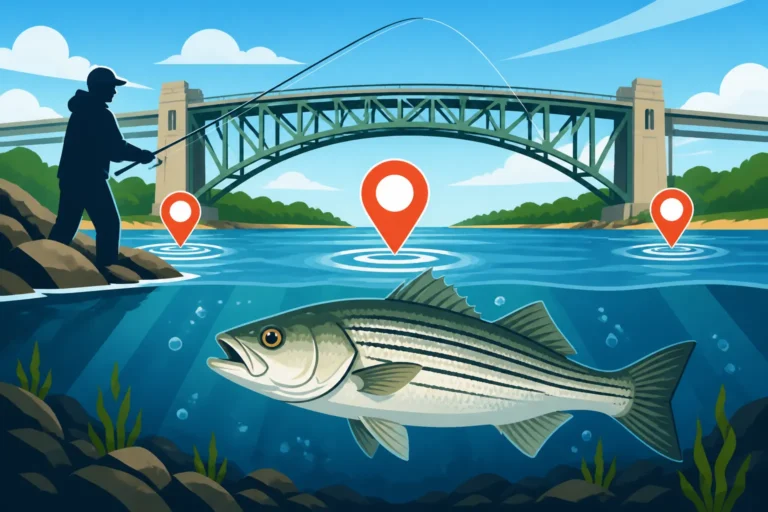
Believe it or not, downtown Lowell holds some fantastic fishing potential, often right under your nose. The riverfront parks and public access areas offer convenient spots for anglers without needing a boat. One prominent area is near the Howe Bridge, which spans the river connecting Lowell and Dracut. The areas beneath and around this bridge, especially on the Lowell side, can be productive. The bridge pilings create current breaks, and the shadows offer cover. Anglers frequently cast from the shorelines of the adjacent parks.
Another popular spot is Heritage State Park and the various walkways along the Pawtucket Canal and the main stem of the Merrimack. While the Pawtucket Canal system itself has varied fishing rules and different species, the main river access near the Tsongas Center or UMass Lowell can be excellent. Here, you'll find deeper sections and current breaks, making it a good place to target carp, catfish, and even some resident bass. Access is generally good, but always be mindful of private property and posted signs. Remember to have your Massachusetts Fishing License Guide handy, as regulations are strictly enforced even in urban areas.
Upstream and Downstream Opportunities Near Lowell
Venturing just a short distance from the immediate city center can open up a whole new world of fishing. Upstream from Lowell, towards towns like Chelmsford and Billerica, the Merrimack becomes a bit wilder, with more natural banks and less urban development. Areas along Route 110 in Chelmsford, for example, can offer quiet access points to sections with more natural habitat, like submerged weed beds and fallen timber, which are magnets for largemouth bass and pickerel. These spots often require a bit more exploration to find, but the reward can be worth the effort for those seeking a more tranquil experience.
Downstream from Lowell, heading towards Dracut and Tewksbury, the river maintains its freshwater character but might offer slightly different current patterns and depths. Public access near Rynne Beach in Lowell, though still within the city, marks the edge of a section that transitions into slightly wider, slower waters with less immediate urban influence on the banks. Further downstream, the river passes through quieter, more residential areas before hitting Lawrence, providing opportunities for anglers with kayaks or canoes to explore less-pressured stretches. When considering a broader fishing trip in the state, exploring options on platforms like FishingBooker might reveal guides who specialize in these varied river sections, offering unique insights and access for different target species.
Tributaries and Their Contribution
The Merrimack isn't just one big river; it's a network of waterways, and its tributaries play a significant role in the overall ecosystem and fishing opportunities. Several smaller rivers and brooks feed into the Merrimack near Lowell, bringing in fresh water, nutrients, and creating unique micro-habitats. The Concord River, for instance, flows into the Merrimack just upstream of Lowell. While a sizable river in its own right with its own distinct fishing, its confluence with the Merrimack can be a hotspot, especially during migratory runs or when baitfish are moving.
Other smaller, unnamed brooks and streams also feed into the main stem. These areas, particularly at their mouths, can be excellent ambush points for bass and pickerel, as they often concentrate baitfish. During periods of heavy rain, these tributaries can also draw in fish from the main river seeking refuge from strong currents or looking for new feeding opportunities. Exploring these smaller feeder creeks, especially where they meet the larger Merrimack, can lead to some surprisingly productive fishing. It's often where the water might be a bit clearer or slightly warmer/cooler, creating an attractive zone for fish.
| Location Type | Prime Species | Best Techniques | Accessibility | Notes |
|---|---|---|---|---|
| Downtown Lowell (Shore) | Carp, Catfish, Largemouth/Smallmouth Bass, Panfish | Bottom fishing (corn, worms), Spinners, Jigs, Swimbaits | Easy, paved access | Can be busy; check for events; consider heavier line for carp. |
| Upstream (Shore/Kayak) | Largemouth Bass, Pickerel, Panfish, Catfish | Topwater (summer), Plastic worms, Crankbaits, Live bait | Moderate, less developed | Quieter, more natural habitat; good for exploring by kayak. |
| Downstream (Shore/Kayak) | Bass, Perch, Carp, (Seasonal: Shad, Stripers) | Jigs, Spinners, Worms, Shad darts (seasonal) | Moderate, varied access | Transitioning waters; potential for migratory fish further down. |
| Tributary Mouths | Bass, Pickerel, Panfish | Small jigs, Crankbaits, Inline spinners, Worms | Variable, often limited | Look for current breaks and nutrient rich flows. |
Target Fish Species and Effective Techniques
The Merrimack River near Lowell is a freshwater angler's paradise, home to a diverse array of species. Understanding what fish you're likely to encounter and the best ways to entice them is fundamental to a successful trip. The river’s varied habitat supports everything from popular game fish to abundant panfish.
Freshwater Game Fish
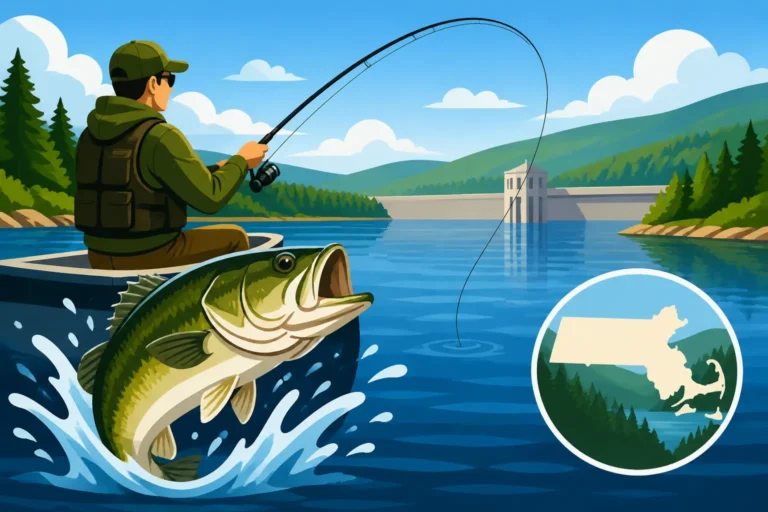
The stars of the show in the Merrimack near Lowell are often the largemouth and smallmouth bass. Largemouths tend to favor the slower, weedy backwaters, submerged timber, and slack-water eddies, especially around the edges of current. They're ambush predators, so targeting cover with plastic worms, spinnerbaits, or topwater lures can be incredibly effective, particularly during low light conditions or warmer months. For deep dives into specific tactics, check out guides like How to Catch Largemouth Bass in Massachusetts.
Smallmouth bass, on the other hand, prefer areas with more current, rocky bottoms, and clear water. Bridge pilings, rocky drop-offs, and swift riffles are prime smallmouth territory. They'll readily hit small crankbaits, jigs, tube baits, and even live shiners. Both species can grow to impressive sizes in the Merrimack. You might also encounter chain pickerel, identifiable by their distinctive chain-like markings, in weedy areas; they are aggressive and will strike at nearly any fast-moving lure or bait. Catfish, particularly channel and bullhead, are abundant in the deeper, slower sections of the river, often found on the bottom. They are great fighters and can be caught using cut bait, worms, or chicken liver. For more information on identifying these species, a Massachusetts Fish Identification Guide can be very helpful.
Migratory Species Seasonal
While Lowell is predominantly freshwater, the Merrimack River is a major migratory route for several species, offering exciting seasonal opportunities. In the spring, the river comes alive with the American Shad run. These powerful fighters travel far upstream to spawn, providing fantastic light-tackle action. Shad darts, small spoons, and tiny jigs are the go-to baits, often fished in schools as they move through the main current. While the Connecticut River is well-known for them, the Merrimack also sees strong runs.
Further downstream, and depending on the time of year and tidal influence, you might even encounter striped bass. While they are primarily a saltwater species, stripers will follow baitfish far up into the freshwater stretches of the Merrimack, especially during the spring and fall migrations. Near Lowell, this is less common but not unheard of, particularly for smaller "schoolie" stripers. Look for them around significant current breaks and areas where freshwater meets any subtle tidal push. If you're specifically targeting migratory species and want to maximize your chances, a local guide found on a platform like FishingBooker could provide invaluable real-time advice on runs and hot spots further downriver.
Recommended Baits and Lures
Choosing the right bait or lure can make all the difference. For largemouth bass, try Texas-rigged plastic worms, jig-and-trailer combos, spinnerbaits, and topwater frogs or poppers in weedy cover. For smallmouth bass, stick with tube jigs, small crankbaits (especially crayfish patterns), finesse worms, and small swimbaits. Live shiners are also a universal favorite for both bass species.
When targeting catfish, traditional bottom-fishing setups with worms, cut bait (like pieces of mackerel or shad), or chicken liver are highly effective. For panfish like crappie and perch, small jigs tipped with a grub, tiny spinners, or a simple bobber and worm rig will yield results. During the shad run, specialized shad darts in bright colors (chartreuse, pink, orange) are essential, often paired with a small spoon. Always match your lure size and color to the prevailing water conditions and forage base. For those interested in pursuing specific species, dedicated resources like Largemouth Bass Fishing in Massachusetts or Smallmouth Bass Fishing in Massachusetts offer even more in-depth strategies.
Essential Tips for Fishing the Merrimack Near Lowell
Fishing the Merrimack River, like any large waterway, comes with its own set of considerations. Being prepared, understanding regulations, and respecting the environment will ensure a safe and enjoyable experience for everyone.
Safety and Regulations
Safety should always be your top priority. The Merrimack River can have strong currents, especially after heavy rainfall or during spring runoff. If you're fishing from shore, be mindful of slippery banks and changing water levels. If you're using a kayak, canoe, or small boat, always wear a personal flotation device (PFD) and be aware of boat traffic, especially around bridges and public launches. Water quality can vary, so it's wise to check for any local advisories before consuming your catch.
Beyond personal safety, strict fishing regulations are in place to protect the Merrimack's fish populations. This includes rules on what you can catch, how many, and what size. For instance, Massachusetts Freshwater Daily Catch Limits apply to many species, and you absolutely must have a valid fishing license. This might be a Massachusetts Fishing License for Nonresidents if you're visiting, or a Massachusetts Resident Fishing License Cost specific to locals. Always consult the most current Massachusetts fishing regulations pamphlet, available from MassWildlife or local bait shops, to stay informed. Fishing without a proper license can lead to penalties, so don't risk it!
Best Times to Fish
Timing can be everything on the Merrimack. Generally, spring (April-June) is fantastic for migratory species like shad, and as water temperatures rise, bass and panfish become more active. The summer months (July-August) mean earlier mornings and late evenings are often most productive, as fish seek cooler water and low-light feeding opportunities. During midday heat, target deeper pools or shaded areas.
Fall (September-October) is another prime time, with many species actively feeding in preparation for winter. Bass fishing can be exceptional as they aggressively chase baitfish. Winter fishing, particularly ice fishing, is generally not applicable to the main Merrimack River near Lowell due to its size and current, though nearby smaller ponds and lakes might offer opportunities. For a broader understanding of seasonal patterns across the state, consider reading Massachusetts Fishing Seasons Explained.
Local Knowledge and Resources
Connecting with local anglers and resources can significantly enhance your Merrimack River fishing experience. Local bait and tackle shops in towns like Lowell, Dracut, or Chelmsford are treasure troves of information. The folks behind the counter often have real-time reports on what's biting, where, and with what bait. They can also provide insights into current conditions that online reports might miss.
Joining local fishing clubs or online forums dedicated to Massachusetts fishing can also be incredibly beneficial. These communities share tips, spot reports, and sometimes even organize group outings. Finally, don't underestimate the power of observation. Spend some time scouting the riverbanks, watching for active fish, baitfish schools, or signs of feeding activity. Even a quick reconnaissance mission can pay dividends on your next trip. If you're looking for an even deeper dive or perhaps a guided experience for a specific technique or species, reputable platforms like FishingBooker can help you find guides who are experts in the Merrimack River system, even if a dedicated Lowell-specific Merrimack guide is less common than for, say, coastal striped bass. They might offer general freshwater guiding or direct you to someone with niche river expertise.
Disclaimer
The information provided in this guide is for general informational purposes only. Fishing conditions, regulations, and access points can change frequently. Always consult the latest regulations from the Massachusetts Division of Fisheries and Wildlife (MassWildlife) and observe all local signage and private property rules before fishing. Practice catch and release for species you do not intend to keep, and always dispose of litter properly.