Is the Charles River Safe to Fish?
For many of us who love to cast a line, the thought of fishing right in the heart of a major city like Boston, with the iconic Charles River winding through it, is incredibly appealing. However, the Charles River also carries a long-standing reputation for being, well, not exactly pristine. This can leave anglers frustrated and confused: is it truly safe to fish here, and more importantly, is it safe to eat anything you might catch? This guide aims to clear up those questions, offering realistic insights into the Charles River's water quality and the best practices for a safe and enjoyable fishing experience.
A Look at the Charles River's Evolving Water Quality
The Charles River's journey from heavily polluted to significantly cleaner is a testament to decades of dedicated effort, but it's important to understand where it stands today. For many years, the Charles was notorious for its poor water quality, often referred to as the "Mighty Muddy Charles." Industrial waste, raw sewage overflows, and urban runoff made it one of the most polluted rivers in the country. This history rightly makes people pause before considering it a fishing destination.
However, since the 1990s, the Charles River has undergone a remarkable transformation thanks to persistent advocacy and regulatory action. Organizations like the Charles River Conservancy, coupled with strict enforcement by the Environmental Protection Agency (EPA) through initiatives like the Charles River Cleanup campaign, have led to significant improvements. Major investments in wastewater treatment infrastructure, the reduction of combined sewer overflows (CSOs) which used to dump raw sewage into the river during heavy rains, and efforts to control stormwater runoff have dramatically improved the river's ecological health.
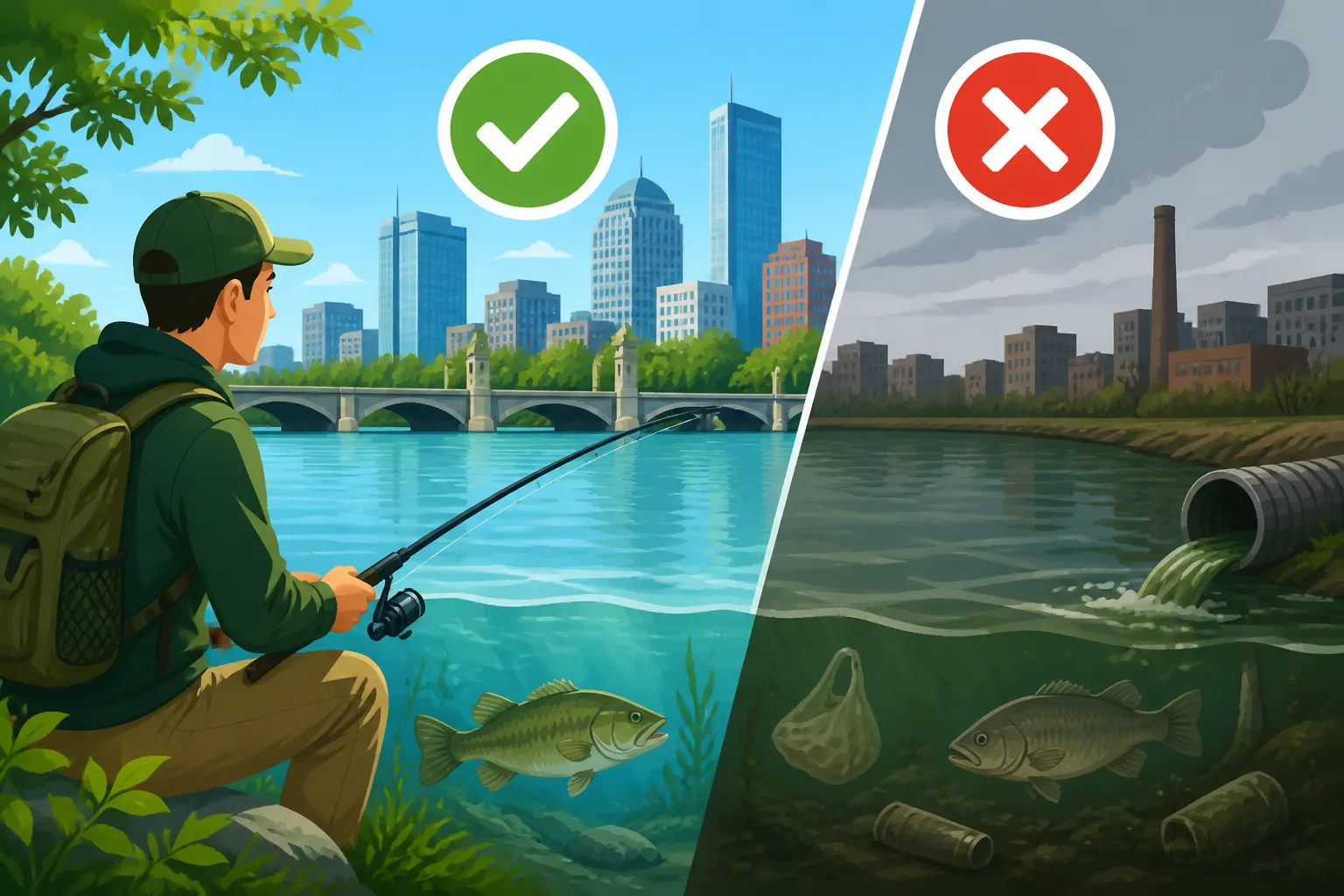
Today, the EPA assigns the Charles River annual report card grades, and for much of the mainstem, the river often achieves "A" or "B" grades for recreational primary contact (swimming) standards during dry weather. This means that on many days, the water quality is considered safe enough for swimming. This is a huge leap from its past! However, it's crucial to remember that water quality can fluctuate, especially after heavy rainfall when stormwater runoff can temporarily degrade conditions. While the visible cleanliness has improved, historical pollutants and ongoing urban runoff mean that caution is still warranted, particularly concerning fish consumption.
Navigating Fish Consumption Advisories for the Charles River
When it comes to fishing safety, water contact is one thing, but eating what you catch is an entirely different matter. Unfortunately, despite the significant improvements in water quality for recreational contact, the Massachusetts Department of Public Health (DPH) maintains a "No Consumption" advisory for all fish caught in the Charles River. This means that no one, under any circumstances, should eat fish caught from the Charles River.
This strict advisory isn't due to the current state of the water being acutely toxic, but rather the accumulation of historical pollutants, primarily polychlorinated biphenyls (PCBs) and mercury, in the fish tissue. PCBs are persistent organic pollutants that were widely used in industrial applications for decades before their ban. Mercury, often from atmospheric deposition and historical industrial sources, also accumulates in aquatic food chains. These substances bioaccumulate in fish over their lifespan, particularly in fatty tissues and organs, making even fish from otherwise "clean" water unsafe to eat if they've spent years in contaminated environments. The DPH is very clear on this point: even if the water looks clean, the fish are not.
This "eat no fish" recommendation applies universally to all species found in the river, from the common carp and largemouth bass to any panfish you might hook. There are no exceptions for age, gender, or how much you consume. This is a serious advisory aimed at protecting public health from long-term exposure to these harmful contaminants. So, while the thrill of the catch is absolutely there, the joy of bringing home a meal is not. For more general information on this topic, you might want to read about Are There Mercury Warnings for Fish in Massachusetts?.
| Fish Species in Charles River | Consumption Advisory | Primary Contaminants |
|---|---|---|
| Largemouth Bass | No Consumption | PCBs, Mercury |
| Smallmouth Bass | No Consumption | PCBs, Mercury |
| Chain Pickerel | No Consumption | PCBs, Mercury |
| Carp | No Consumption | PCBs, Mercury |
| Yellow Perch | No Consumption | PCBs, Mercury |
| Black Crappie | No Consumption | PCBs, Mercury |
| Sunfish (various) | No Consumption | PCBs, Mercury |
The key takeaway here is that fishing in the Charles River should be strictly a catch-and-release endeavor. This approach allows anglers to enjoy the sport, practice their techniques, and appreciate the urban wildlife without any health risks associated with consuming contaminated fish. Remember, even if a fish looks healthy, it can still harbor dangerous levels of these invisible chemicals.
Essential Safety Measures for Anglers on the Charles River
Beyond the "no consumption" rule, there are still important safety considerations for anyone planning to fish the Charles River, ensuring your outing is enjoyable and truly harmless. Even with improved water quality, common sense and a few precautions go a long way.
First and foremost, minimize direct contact with the water itself, especially if you have any open cuts or scrapes. While the river often meets "swimmable" standards, it's not a sterile environment. Bacteria and other microorganisms can still be present, particularly after heavy rains. If you do get wet, wash your hands thoroughly with soap and water as soon as possible, especially before eating or touching your face. Carrying a small bottle of hand sanitizer is always a good idea for quick clean-ups when soap and water aren't immediately available. This is a practice many seasoned anglers adopt, regardless of the body of water they're fishing, but it's especially pertinent in an urban river.
Anglers should also be aware of general urban environment hazards. The riverbanks and surrounding areas in Boston and Cambridge can sometimes have litter, broken glass, or other sharp objects hidden in the grass or mud. Wearing sturdy, closed-toe shoes is highly recommended to protect your feet. Be mindful of slippery rocks or muddy banks, particularly after rain, as falls can lead to serious injury. Always keep an eye on your surroundings, as urban fishing spots can sometimes attract diverse crowds, and being aware of your personal belongings is always wise.
When you do catch a fish, handle it with care, both for your safety and the fish's well-being, especially since it's a catch-and-release situation. Use appropriate tools like pliers or a de-hooker to remove hooks quickly and gently, minimizing contact with the fish's mouth or gills. Try to keep the fish in the water as much as possible, only bringing it out briefly for a photo if desired, and then release it promptly. This ensures the fish has the best chance of survival. If you're looking for guidance on ethical catch-and-release or techniques for specific species, exploring resources on How to Catch Largemouth Bass in Massachusetts might be helpful, even if the primary goal here is release.
Finally, staying informed is key. MassWildlife and the Massachusetts Department of Public Health are the best resources for the most current advisories and regulations. Before any trip, it's a good habit to check their websites for any updated information regarding water quality or specific warnings for the Charles River. Reputable fishing platforms like FishingBooker often list local guides who are intimately familiar with regional regulations and conditions, which can be an excellent resource for staying informed, even if you're not booking a trip with them.
Enjoying Recreational Fishing on the Charles River Responsibly
Despite the consumption advisories, the Charles River offers fantastic opportunities for recreational catch-and-release fishing. It’s an urban oasis where you can connect with nature, right in the bustling heart of Massachusetts. The river supports a surprising diversity of freshwater fish species, making it a rewarding spot for anglers seeking a unique experience.
Among the most common species you’ll encounter are robust populations of largemouth and smallmouth bass. These powerful fighters provide an exciting challenge, especially on light tackle. Anglers also frequently pull in impressive common carp, which are known for their strength and size, offering a true test of skill. Various panfish, such as yellow perch, black crappie, and sunfish, are also abundant, making it a great spot for beginners or those just looking to get a bend in their rod. If you're keen to learn more about the common inhabitants, you could check out our guide on Freshwater Fish Species in Massachusetts.
Popular and easily accessible fishing spots along the Charles River include areas around the Esplanade in Boston, the Cambridge side near Kendall Square, and further upstream in towns like Watertown and Newton. The Fiedler Dock area and public parks along the river often have designated or informal access points perfect for shore fishing. These locations offer stunning views of the city skyline, providing a unique backdrop to your fishing adventure. Many anglers find a lot of success near bridge abutments, submerged structures, or areas with lily pads, which provide cover for bass and other predators. For those venturing a bit further, you might even consider exploring Charles River Fishing in Boston to discover more specific local hotspots.
Remember, even for catch-and-release fishing, a valid Massachusetts freshwater fishing license is required for anyone aged 15 and older. This is a crucial regulation that helps fund conservation efforts across the state. You can easily purchase one online through the MassFishHunt system, or from authorized vendors. For detailed information on where and how to obtain your license, our comprehensive Massachusetts Fishing License Guide is an excellent resource. You might also be interested in clarifying the differences discussed in What a Massachusetts freshwater license covers versus a saltwater permit to ensure you have the correct endorsement for your target waters.
By embracing catch-and-release, respecting the advisories, and practicing basic safety, you can absolutely enjoy the unique experience of fishing the Charles River. It's a fantastic way to enjoy the outdoors without leaving the city, and a chance to witness the ongoing ecological recovery of this historic waterway. Platforms like FishingBooker, while primarily for booking charters, also often have resources about local regulations and conditions, which can be helpful for any angler looking to plan a trip, even a shore-based, self-guided one.
Disclaimer
The information provided in this guide is for general informational purposes only and is not intended as health, safety, or legal advice. Always consult official sources like the Massachusetts Department of Public Health (DPH) and MassWildlife for the most current fish consumption advisories, fishing regulations, and water quality updates specific to the Charles River and other Massachusetts waterways. Fishing involves inherent risks; always exercise caution and prioritize your safety.