Where to fish Nantucket Sound from shore
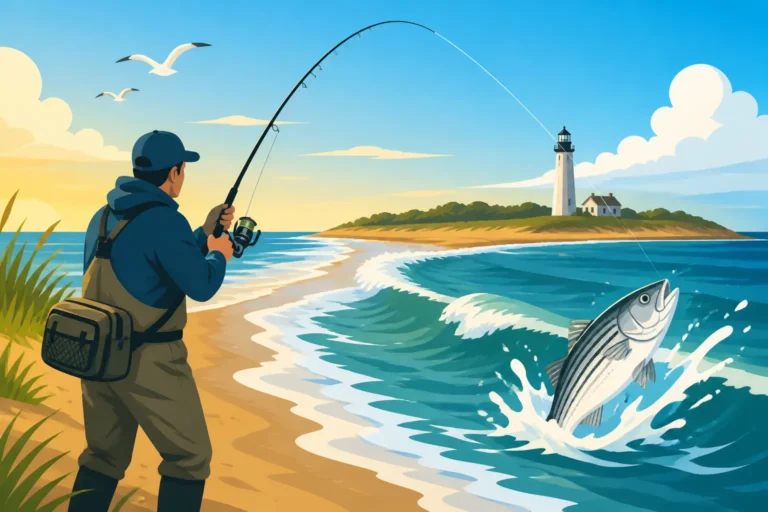
Staring out at the vast expanse of Nantucket Sound from a sandy Massachusetts beach can feel both inspiring and a little overwhelming. Many anglers wonder if it's even worth the effort to fish from shore in such a massive body of water, especially with charter boats heading out seemingly every day. But trust me, some of the most rewarding and accessible fishing opportunities in the Commonwealth can be found right off its beaches and jetties. This guide is all about helping you unlock the secrets to successful shore fishing in Nantucket Sound, sharing the best spots, gear, and techniques to get you hooked up without needing a boat.
Understanding Nantucket Sound's Shore Fishing Appeal
Nantucket Sound isn't just a picturesque waterway separating Cape Cod from the islands; it's a dynamic ecosystem teeming with marine life, and much of it is surprisingly accessible to the shore-bound angler. While deep-sea adventures have their charm, there's a unique satisfaction that comes from casting a line into these productive waters from solid ground.
What Makes Nantucket Sound Unique for Shore Anglers
The beauty of Nantucket Sound for shore fishing lies in its diverse geography and consistent baitfish presence. Unlike the open ocean where currents can be brutal and structure is often far offshore, the Sound offers a relatively sheltered environment with numerous coves, harbors, and sandy flats that draw baitfish close to shore. These areas are magnets for predatory species like striped bass, bluefish, and fluke. The bottom composition here is often a mix of sand and scattered rocks, creating perfect ambush points for game fish. The water also tends to be shallower and warmer than the open Atlantic, which means fish often move into these areas earlier in the season and stay later. Plus, with the steady flow of tidal currents, there's a constant conveyor belt of food, keeping the fish active and feeding within casting distance. It’s a truly rich environment for those of us who prefer to keep our feet on dry land.
Target Species for Shore Fishing
When you're casting from the shore into Nantucket Sound, you're not just hoping for a nibble; you're targeting some of the most sought-after game fish in Massachusetts. The species you're most likely to encounter will depend on the season, but there are a few reliable contenders that make the effort worthwhile.
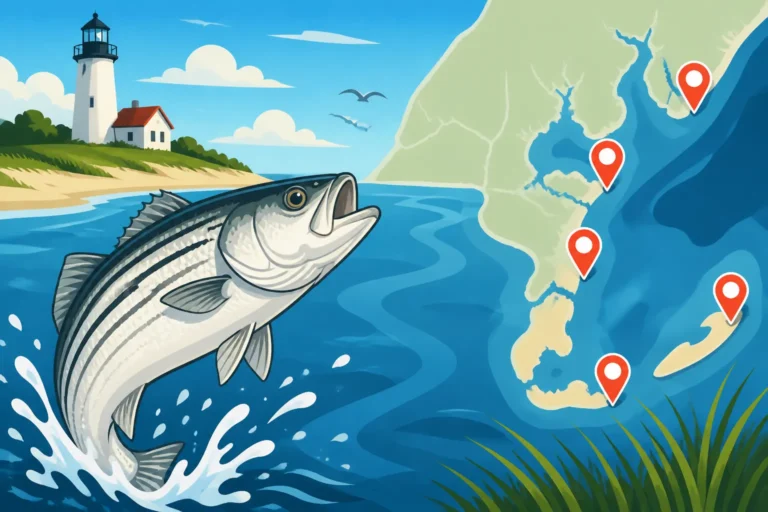
First and foremost are the striped bass. These majestic fish patrol the shorelines, especially during dawn and dusk, looking for easy meals. They'll follow schools of baitfish right into the shallows, making them a prime target for surfcasters. You might catch anything from schoolie stripers to impressive keepers, but remember to always be aware of the Massachusetts Striped Bass Slot Limit Explained as regulations can change.
Then there are the bluefish. These aggressive predators are often found alongside stripers, bringing a thrilling fight to your line. They hit lures hard and can really put a bend in your rod. Their sheer power and willingness to strike make them incredibly fun to catch from the beach or jetty. Just be prepared for their sharp teeth! For more on these toothy critters, check out our guide on Bluefish Fishing in Massachusetts.
Another popular target, especially in the warmer months, is fluke, also known as summer flounder. These flatfish often lie in wait on sandy bottoms near structure or drop-offs, ambushing unsuspecting baitfish. While often associated with boat fishing, they are absolutely catchable from shore, particularly in areas with good tidal flow and sandy stretches. Our article on Fluke Fishing in Massachusetts can give you even more insights.
Beyond these main three, you might also hook into scup (porgy), black sea bass, or even winter flounder depending on the specific location and time of year. Each offers a unique challenge and can add to the excitement of a day out on the Sound. Knowing what to expect helps you tailor your gear and approach, increasing your chances of success.
Prime Shore Fishing Locations in Nantucket Sound
Nantucket Sound boasts a fantastic variety of shore access points, from vast public beaches to smaller, more secluded coves. Knowing where to go is half the battle, and each spot offers its own unique advantages and challenges.
South Cape Beaches
The southern coastline of Cape Cod, facing Nantucket Sound, is dotted with several fantastic beaches that offer excellent shore fishing opportunities. These spots are renowned for their accessibility and consistent action, especially during the spring and fall migrations.
- South Cape Beach State Park (Mashpee): This is a real gem. With its long, sandy stretches and relatively shallow waters, it's perfect for surfcasting. The beach here has some great features like sandbars and channels that run parallel to the shore, which create natural highways for baitfish and, consequently, hungry predators. It's an excellent spot for striped bass, especially in the early morning or late evening. Bluefish also frequent these waters. The parking lot is usually ample, though it can get busy in peak summer. Wading out to cast over deeper troughs can be very effective here, but always be mindful of undertows and sudden drop-offs.
- Dowses Beach (Osterville): Located further east, Dowses Beach offers a different flavor of shore fishing. It has a jetty that extends into the Sound, which is a huge advantage for shore anglers. Jetties concentrate baitfish and provide excellent structure for game fish. You can cast off the jetty into deeper water or fish the calmer, shallower waters along the beach. This spot is great for striped bass, bluefish, and even some bottom fish like scup. The currents around the jetty can be strong, so bring appropriate tackle. There's paid parking available, and it’s a popular spot for both fishing and beach-goers.
- Craigville Beach (Centerville): Another popular spot, Craigville Beach offers long stretches of sand, similar to South Cape Beach. It's often productive for striped bass and bluefish, particularly during periods of strong tidal flow when baitfish are pushed closer to shore. While it lacks distinct jetties, the expansive sandy flats offer plenty of room for multiple anglers to spread out and cast. Early morning before the crowds arrive is often the most productive time.
When fishing any of these South Cape beaches, pay close attention to the tide. Incoming and outgoing tides, especially around sunrise and sunset, are often the most productive times.
Martha's Vineyard and Nantucket Shore Access
While the mainland Cape Cod shoreline is highly accessible, Nantucket Sound also encompasses the shores of Martha's Vineyard and Nantucket. Fishing from these islands can be incredibly rewarding, offering some truly world-class opportunities, though accessing them requires a ferry trip.
- Martha's Vineyard: The Vineyard boasts legendary surfcasting spots, especially along its south shore, though many of these face the open Atlantic. For Nantucket Sound side access, areas around Edgartown and Oak Bluffs offer piers, jetties, and accessible beaches. The famous "jetties" in Vineyard Haven and Oak Bluffs can be excellent for striped bass and bluefish, particularly at night. Wasque Point (Chappaquiddick) and Cape Poge can also be fantastic, though some areas require four-wheel drive access. Keep in mind that fishing on the islands can often mean less competition than on the crowded mainland beaches.
- Nantucket: Nantucket is another prime destination for surfcasting, though again, many of its most famous spots (like Great Point) are on the ocean side. However, the inner harbor and sheltered beaches facing the Sound can still yield great results for striped bass and bluefish, particularly in the fall. Madaket Beach, while facing west, benefits from the Sound's influence and can be very productive. Accessing many of the best spots on Nantucket can require a vehicle, and some areas may have conservation restrictions or require permits, so it's always wise to check local regulations before heading out.
Fishing these islands offers a different kind of experience – often more remote and wild, but with the potential for truly memorable catches. If you're planning a trip, be sure to research local access points and transportation well in advance. Our guide on Nantucket Sound and Martha's Vineyard Fishing Areas in Massachusetts can offer more details.
Other Notable Spots
Beyond the famous South Cape beaches and the islands, there are numerous other fantastic shore fishing spots worth exploring along the Nantucket Sound coastline. Each offers unique features and opportunities for different species.
- Hyannis Area (Lewis Bay, Hyannis Harbor): The Hyannis area is bustling, but don't let the boat traffic deter you. Lewis Bay, in particular, offers several public access points and jetties that can be very productive. The jetties at Hyannis Harbor can be hot spots for striped bass and bluefish, especially during tide changes. The protected waters inside the bay also make it a good spot for bottom fishing, with scup and even some fluke being caught from docks and small beach areas. Look for areas with deeper channels or where structure creates current breaks.
- Osterville and Centerville Harbors: These smaller, more residential harbors often have public landings or small beach areas that provide surprisingly good shore fishing. The mouth of Cotuit Bay and the various inlets around Osterville can be excellent for schoolie striped bass and small bluefish, especially when there’s a good concentration of bait. These spots are often overlooked but can offer tranquil fishing experiences away from the larger crowds. Pay attention to private property signs, as much of the shoreline here is privately owned.
- Waquoit Bay (Falmouth/Mashpee): This large, shallow estuary is a nursery for many fish species and provides fantastic opportunities for kayak fishing or wading, but also has some shore access. The beaches around the mouth of the bay can hold good numbers of striped bass and bluefish as they move in and out with the tides. The numerous inlets and marshy edges within the bay are perfect for targeting smaller stripers. It's a great spot if you prefer fishing calmer, more protected waters. Just be mindful of the shallow depths and seagrass beds, which can snag your lures.
Remember, exploring new spots is part of the fun of shore fishing. A quick scout of a potential location at low tide can reveal hidden channels, rocks, and other features that might hold fish at high tide.
Essential Gear and Techniques for Nantucket Sound Shore Fishing
Having the right gear and knowing how to use it effectively can make all the difference between a frustrating day and a memorable catch. Shore fishing in Nantucket Sound demands a versatile approach, as you might be casting into open surf, calm bay waters, or around rocky jetties.
Recommended Rods, Reels, and Line
For general shore fishing in Nantucket Sound, versatility is key. You’ll want a setup that can handle decent-sized fish but isn’t too cumbersome for repeated casting.
- Rods: A good all-around surf rod is typically 9 to 11 feet long, with a medium-heavy action. This length gives you the casting distance needed to reach beyond the immediate surf zone or off jetties, and the backbone to fight larger fish. Brands like Lamiglas, St. Croix, or Tsunami offer excellent options that strike a balance between performance and price. For lighter tackle fishing in calmer bays or around docks, a 7 to 8-foot medium-action spinning rod can be perfect for targeting smaller stripers, scup, or fluke.
- Reels: Pair your surf rod with a sturdy spinning reel in the 5000-7000 size range. It needs to be saltwater-resistant, with a smooth drag system. Penn Spinfisher, Shimano Baitrunner, or Daiwa BG series reels are popular choices known for their durability and performance in harsh marine environments. For lighter setups, a 3000-4000 size reel will suffice.
- Line: Braided line is almost universally preferred for surfcasting due to its incredible strength-to-diameter ratio, sensitivity, and casting distance. A 30 to 50 lb test braided line is standard for your surf setup. Always use a monofilament or fluorocarbon leader, typically 30-50 lb test, at least 3-4 feet long. This leader provides abrasion resistance against sharp rocks or fish teeth and is less visible to fish. For lighter setups, 15-20 lb braid with a 20-30 lb leader is a good choice.
Keeping your gear clean after each saltwater outing is crucial for its longevity. A quick rinse with fresh water and regular maintenance will ensure your equipment is ready for your next adventure.
Effective Baits and Lures
The fish in Nantucket Sound have diverse appetites, so a varied approach to baits and lures will increase your success. Matching the hatch – using baits and lures that imitate what the fish are naturally feeding on – is always a good strategy.
- Live Bait: Nothing beats fresh, live bait when it's available. Eels are absolute striper magnets, especially at night. Live pogies (menhaden) or mackerel are also incredibly effective if you can net or catch them. For bottom fishing, worms (sea worms, bloodworms) and clams are excellent for scup, winter flounder, and smaller bottom dwellers.
- Cut Bait: If live bait isn't an option, fresh cut bait is the next best thing. Chunks of pogies, mackerel, or even squid can be incredibly effective for striped bass and bluefish. Rig them on a fish-finder rig (sliding sinker) or a high-low rig.
- Soft Plastics: These are incredibly versatile. Paddle-tail swimbaits (like those from Z-Man, Keitech, or Bill Hurley) in white, chartreuse, or natural baitfish colors, rigged on a jig head (1/2 oz to 2 oz depending on current), are fantastic for striped bass and bluefish. Large soft plastic jerkbaits (Slug-Go, Hogy) fished weightless or with a weighted hook also mimic wounded baitfish perfectly.
- Plugs and Poppers: For topwater action, surface poppers are exhilarating, drawing aggressive strikes from bluefish and striped bass. When they're feeding on top, a popper is irresistible. For subsurface action, large swimming plugs (like Daiwa Salt Pro Minnows or SP Minnows, or Gibbs Danny Plugs) are excellent for imitating larger baitfish like herring or mackerel.
- Metal Lures: Casting jigs and spoons (like Roberts Rangers, Crippled Herrings, or Hopkins Lures) are great for long casts and imitating fleeing baitfish. They sink quickly, allowing you to cover various depths, and are particularly effective for bluefish and sometimes for striped bass and false albacore if they happen to be in the area.
Experimentation is key. Fish can be finicky, so if one lure or bait isn't working, don't be afraid to switch it up! For more details on effective techniques, check out our guide to Massachusetts Surf Fishing Techniques.
Reading the Tides and Structure
Understanding how tides and underwater structure influence fish behavior is paramount for successful shore fishing in Nantucket Sound. It’s not just about casting; it’s about strategic casting.
- Tides: Nantucket Sound experiences two high tides and two low tides each day. Generally, the moving tides (incoming and outgoing) are the most productive. As the tide comes in, it pushes baitfish closer to shore and over submerged structures, bringing predators in with them. As it goes out, it can create strong currents, dislodging bait and concentrating fish in channels or at the mouths of estuaries. A good rule of thumb is to fish the two hours before and two hours after the peak of high or low tide. However, specific spots might favor a particular stage of the tide. For instance, a shallow flat might only be fishable and productive at high tide, while a deep channel could fish well at all stages.
- Currents: Tidal currents in Nantucket Sound can be strong, especially around inlets, jetties, and points. Fish use these currents to ambush bait, positioning themselves just out of the main flow to conserve energy. Learning to cast up-current and allow your lure or bait to drift naturally with the flow is a highly effective technique. Pay attention to rips and eddies – areas where opposing currents meet or currents flow around structure – as these are often hot spots.
- Structure: From shore, you’ll be looking for any feature that breaks up the uniform sandy bottom or offers cover.
- Jetties and Piers: These are obvious fish magnets. They create current breaks, attract baitfish, and provide shelter for predators. Fish the sides, ends, and current seams around them.
- Sandbars and Channels: At low tide, you can often identify these features. Fish will stage in the deeper channels, especially during outgoing tides, and move over the sandbars as the tide comes in.
- Rocky Outcroppings and Boulders: These provide ambush points and hold crabs and other forage. Cast close to them, but be prepared for snags.
- Beach Cuts and Rips: Look for areas where waves are breaking differently, indicating deeper channels or troughs. These "cuts" are like highways for fish moving along the beach.
- Mouths of Estuaries and Bays: These are critical transit points for fish moving between the Sound and inland waters. Fish here during tide changes when bait is being flushed in or out.
By understanding these dynamics, you can better predict where fish will be holding and feeding, significantly increasing your chances of a successful outing. A quick check of a local tide chart before you head out is always a smart move.
Tips for a Successful Nantucket Sound Shore Fishing Trip
Beyond just knowing where to go and what to throw, a successful shore fishing trip in Nantucket Sound involves a bit of planning and a healthy dose of respect for both the environment and safety.
Safety Considerations
Nantucket Sound might seem calm compared to the open ocean, but it still demands respect, especially when you're fishing from shore. Your safety should always be your top priority.
- Wading: Many productive shore fishing spots involve wading into the water, sometimes up to your waist or chest. Always wear appropriate wading boots (with good grip) and waders. Be aware of the bottom – sudden drop-offs, slippery rocks, and soft mud can be dangerous. Never wade out further than you're comfortable, and always be aware of the tide. A rising tide can quickly cut off your path back to shore.
- Currents: As mentioned, currents can be strong, especially around jetties, inlets, and during strong tidal swings. A strong current can sweep you off your feet in surprisingly shallow water. If you plan to fish in areas with strong currents, consider wearing a PFD (personal flotation device), even if just wading.
- Weather: Massachusetts weather can change rapidly. A sunny morning can quickly turn into a windy, rainy afternoon. Check the forecast before you go, and be prepared for changing conditions. Strong winds can make casting difficult and dangerous (especially with heavy lures), and lightning is a serious threat on open beaches.
- Footing: Rocky jetties and shorelines can be extremely slippery due to algae and wet conditions. Wear sturdy, non-slip footwear. A fall on wet rocks can lead to serious injury.
- Hook Safety: Always be mindful of your casting arc, especially if others are nearby. Keep hooks covered when not in use and use pliers or a dehooker for removing hooks from fish to avoid getting barbed yourself.
It's always a good idea to let someone know where you're going and when you expect to be back, especially if you're fishing alone in a less-trafficked area.
Best Times to Fish
Timing is everything when it comes to fishing, and Nantucket Sound is no exception. Knowing the optimal windows can significantly improve your chances of success.
- Seasonality: The prime shore fishing season in Nantucket Sound generally runs from late spring through late fall.
- Spring (May-June): This is when the first waves of striped bass and bluefish arrive, often hungry after their migration. The water is warming up, baitfish are plentiful, and the action can be furious. This is also a great time for flounder.
- Summer (July-August): While still productive, the daytime can be slower due to warmer water and heavy beach traffic. Focus on dawn, dusk, and nighttime fishing for striped bass. Bluefish can be active throughout the day, especially if there's a good bait presence. This is also prime time for fluke.
- Fall (September-October): Many consider this the absolute best time for shore fishing. The "fall run" sees a massive migration of baitfish, followed closely by large schools of striped bass and bluefish feeding aggressively before heading south. This is when trophy fish are often caught from shore.
- Time of Day:
- Dawn and Dusk: These low-light periods are universally recognized as the best times for predatory fish like striped bass. They use the reduced visibility to ambush bait.
- Night: Don't overlook night fishing, especially for larger striped bass. Many big fish move into the shallows under the cover of darkness. Use dark-colored lures or eels, and always carry a headlamp.
- Daytime: While often slower, bluefish can be active during the day, particularly if bait is present. Bottom fishing for scup or fluke can also be productive throughout the day, especially on moving tides.
Combining the right season with the right time of day, and then factoring in the tides, gives you the ultimate recipe for success. Consider using online resources or apps to check tide charts and sunrise/sunset times for your chosen spot. Our comprehensive guide on the Best Time of Year to Fish in Massachusetts offers even more seasonal insights.
Respecting Regulations and the Environment
Part of being a responsible angler is understanding and adhering to the rules, and doing your part to keep our fishing grounds healthy.
- Licenses: First and foremost, you'll need a fishing license. For saltwater fishing in Massachusetts, residents and non-residents aged 16 and older need a Massachusetts Saltwater Recreational Fishing Permit Explained. It’s relatively inexpensive and easy to obtain online through MassFishHunt. Not having one can result in hefty fines. You can learn more in our detailed Massachusetts Fishing License Guide.
- Bag Limits and Size Restrictions: Each species has specific bag limits (how many you can keep) and size restrictions (minimum and sometimes maximum length). These regulations are put in place to manage fish populations and ensure sustainable fishing. Always check the current Massachusetts Saltwater Bag Limits by Species before you head out. Ignorance of the law is not an excuse, and enforcement officers are out there.
- Catch and Release: If you're not planning to keep fish, or if you catch an undersized or oversized fish, practice proper catch and release techniques. Minimize handling, use barbless hooks when possible, and release fish quickly and gently.
- Litter and Pollution: Carry out everything you carry in. This includes fishing line, bait containers, and any other trash. Monofilament line in particular can be deadly to wildlife. Dispose of it properly.
- Protecting Habitat: Be mindful of fragile ecosystems like dune grasses, marshlands, and seagrass beds. Avoid trampling them, as they provide vital habitat for baitfish and juvenile game fish.
Remember, we are stewards of these incredible resources. By following regulations and practicing ethical angling, we ensure that Nantucket Sound remains a fantastic place to fish for generations to come.
| Location Category | Example Spots | Primary Target Species | Best Time to Fish | Key Features |
|---|---|---|---|---|
| South Cape Beaches | South Cape Beach, Dowses Beach, Craigville Beach | Striped Bass, Bluefish, Fluke | Spring, Fall (dawn/dusk/night) | Long sandy stretches, jetties, sandbars, channels |
| Island Shore Access | Martha's Vineyard (Edgartown, Oak Bluffs), Nantucket (Madaket, Inner Harbor) | Striped Bass, Bluefish | Spring, Fall (all day for bluefish) | Piers, jetties, remote beaches, harbor mouths |
| Hyannis Area | Lewis Bay, Hyannis Harbor jetties | Striped Bass, Scup, Bluefish | Summer (moving tides, low light) | Bustling harbors, jetties, protected bay waters |
| Smaller Inlets & Bays | Cotuit Bay, Waquoit Bay inlets | Schoolie Striped Bass, Fluke | Spring, Fall (calmer conditions) | Marshy edges, shallow flats, calmer currents |
To make the most of your planning, especially when considering a trip and looking for local insights, services like FishingBooker can be incredibly useful. While primarily known for booking charters, their platforms often feature detailed information about fishing spots and local conditions, provided by experienced guides and captains in areas like Nantucket Sound. This can help you scout potential locations or even find a local expert to learn from before you try it on your own. Many local tackle shops, like The Hook Up in Orleans or Bass Pro Shops in Foxborough, also offer invaluable, up-to-the-minute advice on what's biting and where. Don't hesitate to tap into these local resources to fine-tune your approach for Nantucket Sound's ever-changing conditions.
Disclaimer
The information provided in this guide is for general informational purposes only. Fishing regulations, seasons, and licensing requirements can change frequently. Always consult the latest official Massachusetts Division of Marine Fisheries (MassDMF) and MassWildlife regulations before engaging in any fishing activities. Ensure you have the proper licenses and adhere to all size and bag limits. Fishing can be a dangerous activity; always prioritize your safety and be aware of your surroundings.