Best ponds for bass fishing near Framingham
It can be incredibly frustrating to live in a bustling area like Framingham, surrounded by suburban sprawl, and feel like finding a peaceful, productive spot for bass fishing is an impossible task. You dream of casting a line into calm waters, but the reality of crowded parks and seemingly inaccessible ponds often sets in. This comprehensive guide is here to alleviate that frustration, providing you with detailed insights into the best ponds near Framingham where you can truly connect with nature and reel in some impressive largemouth and smallmouth bass.
Why Framingham's Bass Ponds Are Worth Exploring
Living near a city doesn't mean you have to give up on quality fishing. The Framingham area, nestled in the heart of MetroWest, is surprisingly rich with accessible ponds and reservoirs that hold thriving bass populations. These waters often get overlooked by anglers who assume they need to travel far up to the Berkshires or out to Cape Cod for a decent catch, but I'm here to tell you that some of the best action is right in your backyard.
The Allure of Urban-Adjacent Fishing
One of the greatest benefits of fishing these local ponds is their sheer accessibility. You don't need to plan an elaborate road trip or invest in a full-sized bass boat to enjoy a productive day. Many of these spots are within a short drive, offering convenient opportunities for a quick morning outing before work or an evening session after a long day. What's more, because they're not always on everyone's radar as "trophy" fisheries, they can sometimes feel like hidden gems, offering a quieter, more personal experience. You might be surprised by the size and health of the fish in these waters, often sustained by diverse forage and protected regulations. It's a fantastic way to escape the daily grind without actually having to go far.
Common Bass Species You'll Encounter
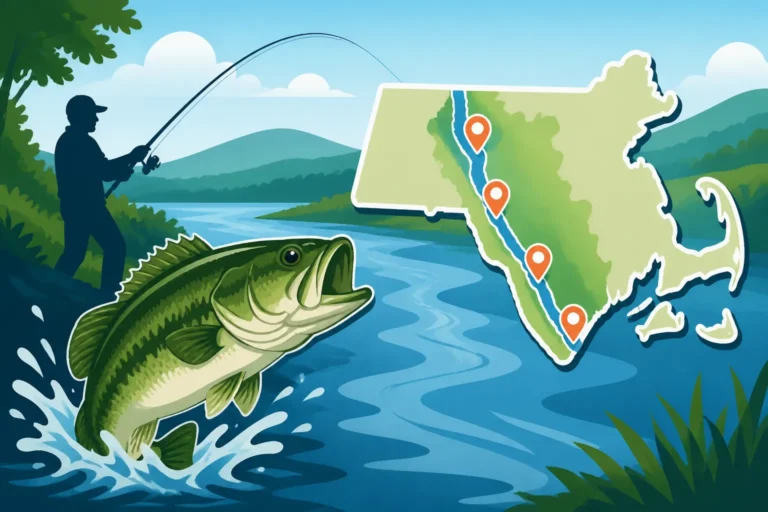
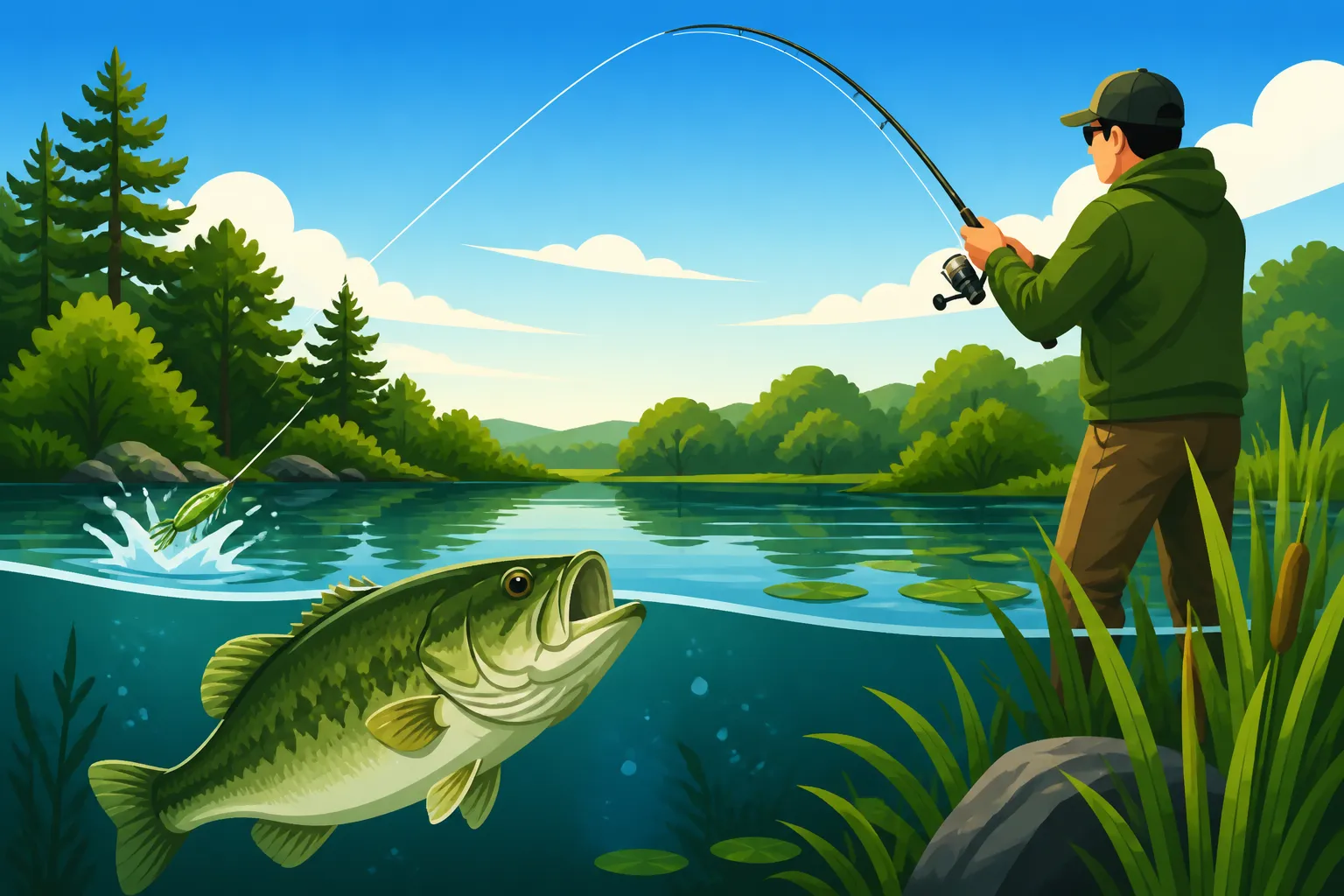
When you're targeting bass in the Framingham area, you're primarily looking at two fantastic species: Largemouth Bass and Smallmouth Bass. Largemouth are the most common residents in the shallower, weedier ponds and slower river sections. They're characterized by their large mouths (hence the name, with the jaw extending past the eye), dark green coloration, and often a distinct lateral line. They love structure – submerged logs, lily pads, docks, and thick weed beds are their comfort zones, making them a thrilling target with topwater lures and soft plastics.
Smallmouth Bass, on the other hand, prefer clearer, cooler water with rocky bottoms and more current, though you can certainly find them in some of the deeper ponds too. They're often bronze to brown in color, with vertical bars rather than a distinct lateral line, and their upper jaw doesn't extend past the eye. These fish are renowned for their aggressive fights and acrobatic jumps, making them a favorite among many anglers. Understanding the habitat preferences of each species will significantly improve your chances of success in these local waters.
Top Ponds for Largemouth Bass Near Framingham
Now let's get down to the brass tacks: where exactly should you cast your line? The Framingham area boasts several excellent ponds, each with its own unique character and prime bass-holding features.
Cochituate State Park (Lake Cochituate)
Lake Cochituate is perhaps the crown jewel of freshwater fishing in the Framingham vicinity, actually spanning parts of Framingham, Natick, and Wayland. This isn't just a pond; it's a chain of three connected basins (North, Middle, and South Ponds) covering over 600 acres, offering incredible diversity for bass anglers. The sheer size means there's always a new cove or weed line to explore.
North Pond tends to be shallower and weedier, excellent for targeting largemouth bass with topwater frogs, weedless jigs, or Texas-rigged worms fished around lily pads and submerged vegetation. Look for pockets in the weeds where bass might ambush baitfish. The access points here are plentiful, with boat ramps for those with kayaks, canoes, or small motorboats, especially within Cochituate State Park itself.
Middle Pond and South Pond offer deeper sections and more varied structure, including some rocky points and drop-offs that can hold bigger largemouth. Smallmouth bass can also be found here, particularly near deeper structures and clearer areas. A key strategy on Cochituate is to focus on the transitions – where shallow water drops off into deeper areas, or where hard bottom meets soft bottom. Early mornings and late evenings during the warmer months are prime times for topwater action. Make sure you check the state park's website for specific access rules and any launch fees. It's truly one of the Best Freshwater Ponds and Lakes in Massachusetts for anglers looking for variety and good bass numbers.
Learned Pond
Nestled in Framingham itself, Learned Pond offers a more intimate fishing experience compared to the expansive Cochituate. This smaller body of water is known for its healthy population of largemouth bass, and its more contained size makes it a great spot for shore anglers or those with car-top boats like kayaks and canoes. The pond features plenty of submerged structure, including some timber and thick weed lines along its edges, providing excellent ambush points for bass.
Fishing here often involves pitching jigs or wacky-rigged Senkos into the weed edges and around any visible structure. Soft plastic creature baits can also be incredibly effective when slowly worked along the bottom. The pond is generally quiet, offering a peaceful retreat where you can really focus on your technique. Parking can be found at designated spots, often near recreational areas adjacent to the pond. While it might not produce the same quantity of fish as Cochituate, the quality of the largemouth can be surprising.
Farm Pond (Sherborn/Framingham Border)
Just a stone's throw from Framingham, technically straddling the border with Sherborn, you'll find Farm Pond. This beautiful body of water is another excellent choice for bass fishing, particularly for largemouth. It's a moderately sized pond with a good mix of shallow, weedy coves and deeper open water, making it versatile for various fishing styles. The shoreline offers a mix of residential properties and wooded sections, with some public access points available.
Bass in Farm Pond often relate to the extensive weed beds, especially hydrilla and lily pads, which provide cover and forage. Spinnerbaits retrieved just above the weeds can draw explosive strikes, as can frogs walked across the matting. For those fishing from a boat (kayaks and canoes are ideal), exploring the deeper edges of these weed beds with jigs or deep-diving crankbaits can reveal larger, less pressured fish. Early spring and late fall are particularly productive here as bass feed aggressively before and after the spawn. Always be respectful of private property when seeking access, and utilize any designated public areas.
Essential Gear and Techniques for Framingham Bass
Having the right tools and knowing how to use them can make all the difference in your Framingham bass fishing adventures. It's not just about having a rod and reel; it's about matching your tackle to the conditions and the fish's behavior.
Must-Have Lures and Baits
For largemouth bass in these Massachusetts ponds, a versatile tackle box is key. You'll want a selection of:
- Soft Plastic Worms and Creatures: These are indispensable. Think 5-7 inch plastic worms (like Berkley PowerBait worms or Yamamoto Senkos) in natural colors (green pumpkin, watermelon seed, black and blue). Rigging them Texas-style makes them weedless, perfect for pitching into heavy cover. Wacky rigging Senkos is also incredibly effective for a slow, seductive fall. Creature baits, mimicking crawfish or baitfish, are fantastic when bass are finicky.
- Spinnerbaits and Chatterbaits: For covering water quickly, especially around submerged grass or sparse cover, these baits excel. Chartreuse and white are classic colors, but experiment with blade combinations and skirt colors based on water clarity. The vibration and flash are irresistible to aggressive bass.
- Topwater Lures: When the water is warm and bass are active, nothing beats a topwater strike. Frogs (like the Livetarget Frog or Spro Bronzeye Frog) are essential for fishing over lily pads and dense mats. Poppers and walking baits (like a Heddon Super Spook) are great for open water or sparse cover, especially during low light conditions.
- Crankbaits: Medium-diving crankbaits that mimic baitfish can be very productive for probing deeper weed lines or rocky transitions. Lipless crankbaits are also excellent for ripping through grass.
- Jigs: Flipping and pitching jigs (like a VMC Flipping Jig or a Strike King Hack Attack Jig) into heavy cover, docks, or brush piles is a go-to technique for targeting larger, more reclusive bass. Tip them with a soft plastic trailer for added bulk and action.
- Live Bait: Don't underestimate the power of live shiners. While many bass anglers prefer artificials, a live shiner fished under a bobber or free-lined can be deadly, especially when fish are less active.
Learning How to Catch Largemouth Bass in Massachusetts Ponds often starts with understanding these essential lure types and when to deploy them.
Optimal Rods, Reels, and Line
Having the right rod and reel setup will significantly enhance your casting accuracy, fighting power, and overall enjoyment.
- Medium-Heavy Casting Setup: This is your workhorse for most bass fishing in ponds. A 6'6" to 7'3" medium-heavy fast-action baitcasting rod paired with a baitcasting reel (with a gear ratio between 6.4:1 and 7.5:1) spooled with 15-20 lb fluorocarbon or 30-50 lb braided line is ideal. This setup is perfect for throwing jigs, Texas rigs, spinnerbaits, and medium crankbaits.
- Medium Spinning Setup: A 6'6" to 7' medium fast-action spinning rod with a matching spinning reel spooled with 8-12 lb fluorocarbon or braided line with a fluorocarbon leader. This is excellent for lighter presentations like wacky rigs, smaller soft plastics, weightless worms, and light topwater baits, especially when you need to make precise casts or when bass are pressured.
- Heavy Action/Flipping Stick: For truly heavy cover, like dense lily pad fields or thick brush, a longer (7'6" to 8'), heavy power, fast-action rod with braided line (50-65 lb) is a game-changer. This allows you to muscle fish out of the nastiest cover.
Matching your line to your lure and presentation is crucial. Braided line offers superior sensitivity and strength, especially in heavy cover. Fluorocarbon is nearly invisible underwater and has good abrasion resistance, making it ideal for clear water and finesse presentations. Monofilament, while less common for dedicated bass fishing, has more stretch and can be useful for certain topwater baits or crankbaits where you want a bit more give.
Key Fishing Techniques for These Waters
Beyond the gear, knowing how to present your offerings is paramount.
- Flipping and Pitching: These techniques allow you to silently and accurately present your lure into tight cover (like docks, overhanging branches, or small holes in weed beds) without spooking the fish. It's a close-quarters combat style of fishing that often yields bigger bass.
- Wacky Rigging: This involves hooking a soft plastic stick bait (like a Senko) through its center, allowing both ends to wiggle seductively on the fall. It's a finesse technique that's incredibly effective when bass are lethargic or highly pressured.
- Texas Rigging: Your go-to for weedless presentations. A worm or creature bait is rigged with the hook point embedded in the plastic, allowing it to slide through dense cover without snagging. Paired with a bullet weight, it's perfect for punching through vegetation.
- Frogging: Exciting and visual, frogging involves walking a hollow-bodied frog lure across lily pads or thick matting. Bass will explode on these baits, offering some of the most thrilling strikes in freshwater fishing.
Remember, bass fishing is often about trial and error. Don't be afraid to experiment with different lures, colors, and retrieve speeds until you find what the fish are keying in on that day.
Navigating Access and Regulations
Before you even make your first cast, it's vital to understand the local access rules and, more importantly, the fishing regulations in Massachusetts. Ignorance of the law is never an excuse, and a simple permit check can save you a lot of hassle.
Public Access Points and Parking
Each pond has its own access nuances. For Lake Cochituate, the main access is through Cochituate State Park, which has boat ramps and ample parking. There are also smaller, less formal access points around its various sections, but always look for clear signage indicating public access. For smaller ponds like Learned Pond and Farm Pond, public access might be limited to specific designated spots, often near town parks or conservation land. Always check local town websites or the MassWildlife Angler Access Map before you go. Parking near these smaller ponds can sometimes be street parking, so be mindful of residential areas and "no parking" signs. A little reconnaissance beforehand can prevent frustration upon arrival.
Understanding Massachusetts Fishing Licenses and Rules
This is non-negotiable: you must have a valid Massachusetts fishing license to fish in these waters if you are 15 years of age or older. There are exceptions, of course, like Free Fishing Days in Massachusetts, but generally, you need a license. You can purchase one online through the MassFishHunt system, at designated vendors like bait and tackle shops, or at MassWildlife offices. Understanding the Massachusetts Fishing License Requirements by Age is crucial, as is knowing the Massachusetts Fishing License Guide to ensure you're compliant.
Furthermore, it's essential to familiarize yourself with the Massachusetts Recreational Fishing Rules and Bag Limits for freshwater species. For largemouth and smallmouth bass, there are specific length and creel limits designed to maintain healthy fish populations. These limits can change, so always consult the most current Massachusetts Freshwater Fishing Guide from MassWildlife. For example, knowing Massachusetts Freshwater Daily Catch Limits for bass will prevent you from accidentally violating regulations. Many anglers, myself included, practice catch and release for bass, especially the larger breeding females, to help ensure these excellent fisheries remain productive for future generations. If you're wondering Do You Need a License to Fish in Massachusetts Ponds?, the answer is almost always yes for public waters.
Best Practices for Catch and Release
While it's thrilling to land a big bass, many anglers choose to release their catch, especially large breeding-size fish, to support healthy populations. If you plan to release fish, it's important to do so responsibly:
- Minimize Handling: Try to keep the fish in the water as much as possible. If you must remove it for a quick photo, do so quickly and gently.
- Wet Hands: Always wet your hands before touching a fish to protect its protective slime coat.
- Proper Hook Removal: Use needle-nose pliers or a de-hooking tool to remove hooks swiftly. If a fish is deeply hooked, it's often best to cut the line as close to the hook as possible rather than tearing sensitive tissues.
- Support the Fish: When holding a bass, support its body horizontally, especially if it's a larger fish. Avoid holding it by the jaw vertically, as this can damage its jaw and spine.
- Revive Gently: If a fish seems stressed, hold it gently in the water, supporting its belly, and face it into any current until it swims away under its own power.
By following these practices, you're contributing to the sustainability of these precious local fisheries.
Planning Your Trip and Maximizing Your Success
A little planning can go a long way in turning a good fishing trip into a great one. From knowing the right time to visit to having all your essentials, preparation is key.
Seasonal Considerations for Bass
Bass behavior is heavily influenced by the seasons, so understanding these patterns will help you predict where they'll be and what they'll bite on.
- Spring (Pre-Spawn & Spawn): As water temperatures rise into the 50s and 60s, bass move to shallower waters. The pre-spawn period is a fantastic time for active feeding, as bass bulk up for spawning. They'll often be found near transition areas leading to spawning flats. During the actual spawn (when water hits the mid-60s), bass are focused on bedding. While exciting to see, many anglers avoid targeting bedding bass to allow them to reproduce undisturbed.
- Summer (Post-Spawn & Dog Days): After spawning, bass often retreat to slightly deeper, cooler waters or dense overhead cover during the heat of the day. Early morning and late evening topwater bites can be explosive. During the "dog days" of summer, look for bass relating to offshore structure, deep weed lines, or shaded areas. Night fishing can also be highly productive.
- Fall (Feeding Frenzy): As water temperatures begin to drop and baitfish schools migrate, bass enter a strong feeding pattern to prepare for winter. This is a prime time for power fishing with crankbaits, spinnerbaits, and swimbaits, as bass will aggressively chase down meals. Look for them concentrated in areas where baitfish are abundant.
- Winter (Slow & Deep): While ice fishing is popular for other species, open-water bass fishing slows considerably in winter. Bass become lethargic and move to the deepest parts of the pond. Finesse techniques with slow presentations, like jigging spoons or blade baits, are most effective. Always check ice conditions if planning an Ice Fishing in Massachusetts trip. The Massachusetts Freshwater Fishing Season Calendar provides a great overview.
Understanding the Best Time of Year to Fish in Massachusetts for specific species, including bass, will greatly improve your chances of success.
Local Knowledge and Resources
While online guides like this one are a great start, nothing beats firsthand, local knowledge.
- Local Tackle Shops: These are goldmines of information. Stop by a local bait and tackle shop in Framingham or a neighboring town (even if you just need a few hooks). The folks behind the counter usually have their fingers on the pulse of local fishing conditions, what's biting, and what lures are working. They can tell you about recent stockings, water levels, and even specific nuances of the local ponds.
- Online Forums and Social Media Groups: Join local Massachusetts fishing groups on Facebook or online forums. These communities are often happy to share tips, recent reports (without giving away secret spots, of course!), and answer questions from fellow anglers.
- MassWildlife Resources: The Massachusetts Division of Fisheries and Wildlife (MassWildlife) website is an invaluable resource. They provide detailed information on fish populations, stocking schedules, and public access maps.
- Consider a Guide for Broader Exploration: While Framingham's ponds are great for DIY trips, if you ever want to explore other, perhaps more complex, Massachusetts waters or try specialized techniques for trophy bass, considering a guided trip can be incredibly beneficial. Platforms like FishingBooker can help you find experienced local guides across Massachusetts for various species and locations, giving you a crash course in a new area.
What to Bring for a Day on the Pond
Being prepared with the right personal gear ensures comfort and safety, allowing you to focus on the fishing.
- Sun Protection: Sunscreen, a wide-brimmed hat, and polarized sunglasses are essential, even on cloudy days. Polarized glasses also help you spot submerged structure and fish.
- Hydration and Snacks: Pack plenty of water and some easy-to-eat snacks. Fishing is physically demanding, and staying hydrated is key.
- Insect Repellent: Mosquitoes and ticks can be prevalent, especially in wooded areas and around water, so bring a good repellent.
- First-Aid Kit: A small kit with essentials like band-aids, antiseptic wipes, and pain relievers is always a good idea.
- Rain Gear: Weather can change quickly in New England, so a lightweight rain jacket and pants can save your day.
- Pliers and Line Cutters: For hook removal and managing your line.
- Camera: To capture those memorable catches!
- Fishing License: Always carry proof of your current Massachusetts fishing license.
By preparing for both the fish and your personal comfort, you'll be set for a much more enjoyable and successful outing on these fantastic Framingham-area ponds.
Framingham Area Bass Ponds At A Glance
Here's a quick reference table for some of the best bass fishing ponds near Framingham:
| Pond Name | Location (Primary Town) | Primary Bass Species | Avg. Depth | Key Features | Access Notes |
|---|---|---|---|---|---|
| Lake Cochituate | Framingham/Natick | Largemouth, Smallmouth | 15-20 ft | Diverse structure, weed beds, rocky points | Multiple boat ramps, state park access. Launch fees may apply. |
| Learned Pond | Framingham | Largemouth | 10-15 ft | Weed lines, submerged timber, quieter | Limited public shore access, good for kayaks/canoes. Street parking. |
| Farm Pond | Sherborn | Largemouth | 10-20 ft | Extensive weed beds, some deeper sections | Public access points (check town maps), good for small boats. |
| Ashland Reservoir | Ashland | Largemouth, Smallmouth | 20-30 ft | Rocky shores, drop-offs, clear water | Limited shore access, primarily car-top boat/kayak. |
| Hopkinton Reservoir | Hopkinton | Largemouth, Smallmouth | 15-25 ft | Varied bottom, submerged structures, deeper | Boat ramp at Hopkinton State Park (motor restrictions), shore access. |
Disclaimer
The information provided in this guide is for general informational purposes only and is subject to change. Always verify current fishing regulations, license requirements, and access rules with the Massachusetts Division of Fisheries and Wildlife (MassWildlife) and local authorities before heading out on your fishing trip. Fishing involves inherent risks, and anglers should always prioritize safety and responsible practices.