Ice Fishing in Massachusetts
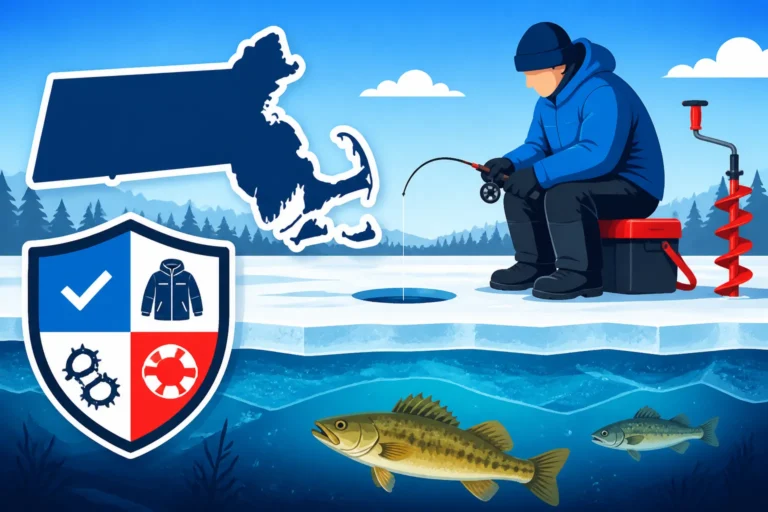
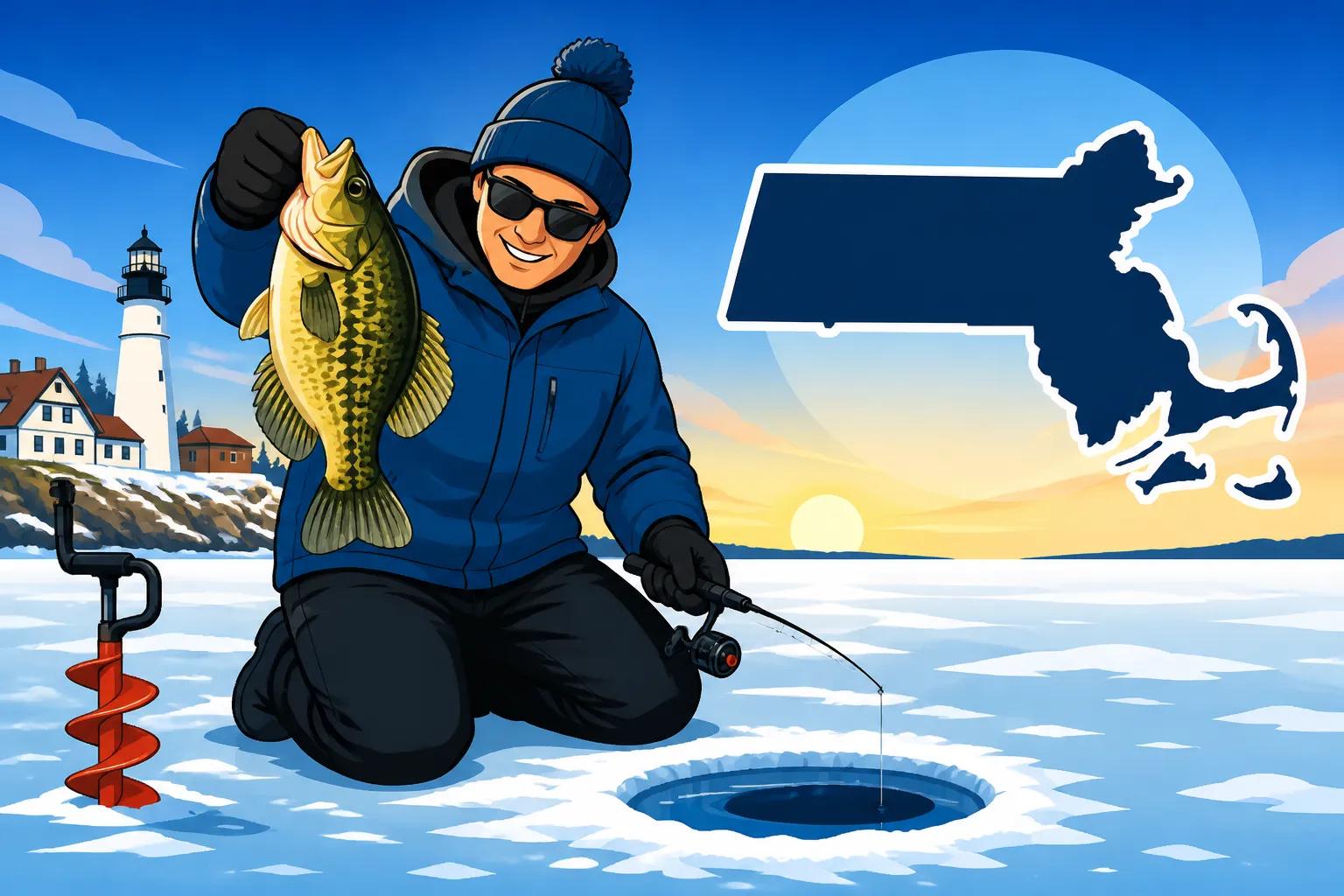
There's a unique kind of magic that settles over Massachusetts when the lakes and ponds freeze solid. For many, it means hunkering down indoors, but for a dedicated few, it heralds the start of ice fishing season – a time for quiet contemplation, challenging catches, and embracing the brisk beauty of winter. However, getting started with ice fishing can feel daunting, especially with concerns about safety, regulations, and knowing what gear you actually need to brave the elements and find fish. This comprehensive guide will walk you through everything you need to know to safely and successfully enjoy ice fishing in Massachusetts, from understanding the season to mastering techniques and staying warm.
Understanding Massachusetts' Ice Fishing Season
When the temperatures drop consistently below freezing, and the long nights set in, that's when a new world opens up for anglers in Massachusetts. Ice fishing isn't just a sport; it's a winter tradition for many, but it relies entirely on Mother Nature's timing and generosity. Unlike open-water fishing, the ice fishing season doesn't have a strict calendar start date set by MassWildlife; it's all about ice safety.
When the Ice Freezes and Thaws
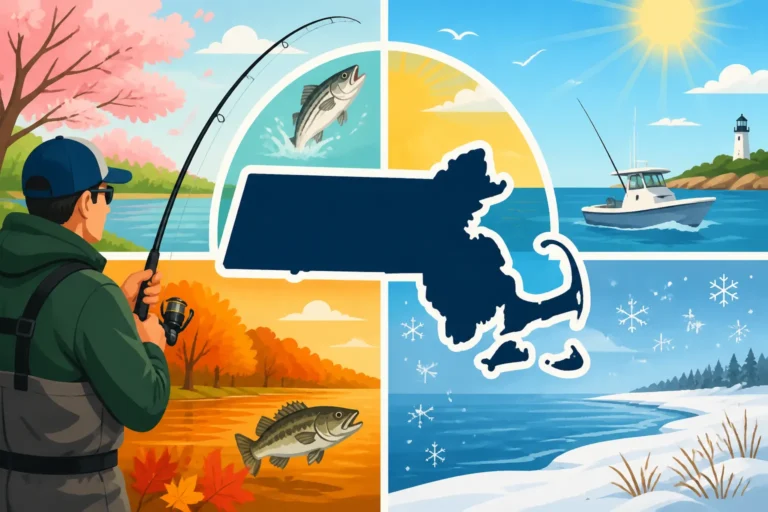
The true start to ice fishing season in Massachusetts varies dramatically from year to year and even from pond to pond. Generally, you can expect the smaller, shallower ponds and lakes in the western and central parts of the state to freeze over first, often by late December or early January. Larger, deeper bodies of water, or those with strong currents or springs, take much longer, sometimes not becoming safe until mid-January or even later. It's a waiting game, often punctuated by frustrating thaws and refreezes, making it crucial to constantly monitor local conditions rather than relying on a statewide forecast.
The season then continues as long as the ice remains safe, usually through February and often into early March, particularly in the colder northern and western regions of the state. As spring approaches and temperatures rise, the ice begins to deteriorate, often starting around the edges, inlets, and outlets. This period, known as "rotten ice," can be extremely dangerous, even if it appears thick. The crystalline structure changes, making it far weaker than early season ice. Knowing when to hang up your auger for the season is just as important as knowing when to drill that first hole.
Regional Variations in Ice Conditions
Massachusetts is a state of diverse geography, and this plays a huge role in how and when ice forms. Anglers in the Berkshires, for instance, might be enjoying solid hardwater in late December, while those closer to the coast, like on Cape Cod, might still be waiting for their smaller ponds to lock up well into January. The general rule of thumb is: the further north and west you go, and the higher the elevation, the earlier and more consistently the ice will form.
Places like the ponds and lakes around Pittsfield or the Quabbin Reservoir's surrounding watershed towns will typically offer a longer and more reliable ice fishing season. Conversely, coastal areas and those influenced by warmer ocean air tend to have shorter, more unpredictable seasons. Even within a single region, a deep lake might stay open while a shallow, marshy pond a few miles away is completely frozen. This means local knowledge and diligent checks of specific water bodies are paramount. Always consult local bait shops, online forums, and MassWildlife advisories for the most up-to-date regional ice conditions.
Essential Gear for Safe and Successful Ice Fishing
Stepping onto the ice requires more than just a rod and reel. It demands a specialized set of tools and safety equipment to ensure you stay warm, secure, and ready to tackle whatever the frozen landscape throws at you. Don't underestimate the Massachusetts winter; preparedness is key.
Core Fishing Equipment
First, let's talk about what actually catches fish. Unlike open water, ice fishing uses shorter rods, typically 24-36 inches long, designed for jigging in a confined space. These "ice rods" often have sensitive tips to detect subtle bites. Pair this with a small spinning reel, loaded with 4-8 pound test monofilament or fluorocarbon line, which resists freezing better than braid. You'll need an ice auger, either a hand auger for thinner ice and a good workout, or a gas, propane, or electric powered auger for thicker ice and less effort. A 6-inch or 8-inch diameter auger is standard for most panfish and even larger trout, though dedicated pike anglers might opt for larger.
Next, you'll want a skimmer to clear ice chips from your hole, and a bucket or seat to sit on. Many ice anglers also use tip-ups, which are devices that hold your line and flag when a fish bites, allowing you to fish multiple holes at once (up to five lines are typically permitted per angler in Massachusetts). A small tackle box with an assortment of small jigs, spoons, and bait (like shiners, fatheads, or wax worms) is crucial. You can find a fantastic selection of these specialized items, from augers to tip-ups and ice fishing specific lures, on retailers like Amazon, making it easy to outfit yourself before hitting the ice. Finally, don't forget a pair of pliers for hook removal and a measuring tape to ensure your catch meets the Massachusetts Freshwater Daily Catch Limits.
Crucial Safety Gear
Safety isn't just important when ice fishing; it's absolutely non-negotiable. The most vital piece of safety gear is a set of ice picks, worn around your neck, allowing you to pull yourself out of the water if you fall through. Always wear a PFD (Personal Flotation Device) or a float suit, which provides buoyancy and insulation. A rope, ideally 50 feet or more, with a throwing bag, should be easily accessible for rescuing others.
Beyond personal safety, you need a way to check ice thickness. An ice chisel or spud bar is excellent for testing the ice as you walk, especially early in the season. A GPS device or a compass can be a lifesaver if whiteout conditions or fog rolls in. Headlamps or lanterns are essential if you plan to fish near dawn, dusk, or at night. A fully charged cell phone in a waterproof case is also critical for emergencies. Remember, conditions can change rapidly, and being prepared for the worst is the best way to ensure you have a safe and enjoyable outing. For a deeper dive into staying safe on the hardwater, check out our guide on Massachusetts Ice Fishing Safety and Ice Thickness.
Warmth and Comfort Essentials
Cold hands and feet can quickly turn a fun day into a miserable experience. Layering your clothing is paramount. Start with a moisture-wicking base layer, add an insulating mid-layer (fleece or down), and top it with a waterproof and windproof outer layer, like a dedicated ice fishing suit. These suits often come with integrated flotation, combining safety and warmth. Waterproof, insulated boots with good traction are a must; consider styles from brands like Muck Boot or Baffin for extreme cold.
Gloves or mittens designed for cold weather, preferably waterproof, will protect your hands. A warm hat that covers your ears is also vital, as a significant amount of body heat is lost through your head. Hand and foot warmers can be a game-changer on particularly frigid days. Many anglers invest in a portable ice shanty or shelter, which offers a windbreak and can be heated with a small propane heater, greatly increasing comfort on long days. A thermos of hot coffee, tea, or soup is also a welcome treat. Finding comfortable, high-quality cold-weather apparel can sometimes be a challenge, but you can often find great deals and a wide selection of insulated gloves, boots, and even specialized ice fishing apparel on Amazon.
Popular Fish Species to Target Through the Ice
Massachusetts is home to a fantastic array of freshwater fish, and many of them remain active and catchable beneath the ice. Knowing which species to target and where they typically hold can significantly improve your success rate.
Panfish: Perch, Crappie, and Bluegill
Panfish are often the entry point for many ice anglers, and for good reason: they're abundant, willing biters, and excellent table fare. Yellow perch, black crappie, and bluegill are the most common species targeted through the ice. They tend to school, so once you find one, you're likely to find more. Perch are often found near drop-offs or weeds in 10-25 feet of water, while crappie prefer deeper basins, especially around submerged brush piles or timber. Bluegill are often in shallower water, particularly near weed beds.
These species respond well to small jigs tipped with wax worms, spikes, or a small piece of live bait. Light line (2-4 lb test) and a sensitive rod are key to detecting their often subtle bites. Many anglers use a small flasher or fishfinder to locate schools of panfish and present their baits effectively. They're a fantastic choice for a family outing, as the action can be steady, keeping young anglers engaged. For detailed tips on targeting specific panfish, consider our guide on Tip-Up Fishing for Pickerel and Perch in Massachusetts.
Trout and Salmon
Massachusetts stocks an impressive number of trout each year, and many of these fish remain active throughout the winter, providing exciting opportunities for ice anglers. Rainbow trout, brown trout, and brook trout are commonly caught, particularly in ponds designated as "trout waters" by MassWildlife. Lake trout and landlocked salmon, though less common, are also available in specific deep, cold-water bodies like Wachusett Reservoir (with specific access rules) or the Quabbin Reservoir.
Trout often cruise in the mid-water column or near drop-offs. They can be caught jigging small spoons, Rapala ice jigs, or tip-ups baited with live shiners or mealworms. Using a fluorocarbon leader can be beneficial due to their keen eyesight. For salmonids, patience is often key, as they might not be as aggressive as panfish, but the reward of landing a beautiful trout or salmon through the ice is well worth the effort.
Pike and Pickerel: Apex Predators of the Ice
For those seeking a more thrilling fight, northern pike and chain pickerel offer an aggressive strike and a powerful battle under the ice. These toothy predators are widespread in many Massachusetts freshwater systems, especially in weedy, shallower ponds and lakes with ample forage. Pike are less common but can be found in certain larger systems, while pickerel are abundant almost everywhere.
Both species are typically targeted with tip-ups baited with larger live shiners or other robust baitfish. Setting your bait just above the weed line or suspended in deeper water near structure can be highly effective. Heavy monofilament or fluorocarbon line (10-20 lb test) and a wire or heavy fluorocarbon leader are essential to prevent their sharp teeth from cutting your line. Be prepared for a strong run when a flag pops up, and bring a pair of long-nosed pliers or a jaw spreader for safe hook removal.
Choosing the Right Ice Fishing Spots in Massachusetts
Massachusetts offers a diverse landscape of freshwater bodies, from small ponds to large reservoirs, each presenting unique ice fishing opportunities. Finding the right spot is often about balancing accessibility, safety, and the desired species.
Popular Ponds and Lakes
While conditions always dictate what's safe, several water bodies across the state are renowned for their ice fishing potential. In Eastern Massachusetts, ponds like Lakeville's Long Pond, Lake Quinsigamond in Worcester, or Assawompset Pond are often popular. Moving west, places like Otis Reservoir in Tolland and Great Lake in Lakeville are excellent choices. Many smaller, stocked ponds across the state also provide great trout and panfish action once frozen.
It's crucial to consult local resources and community fishing reports for real-time ice conditions. Bait and tackle shops are invaluable sources of information, often posting updates on which ponds are safe and productive. Remember that even on popular ponds, ice conditions can vary, so always perform your own safety checks. Our detailed guide on the Best ice fishing ponds in Massachusetts provides an excellent starting point for discovering productive locations.
Shore Access and Parking Considerations
Unlike open-water fishing where boat launches are common, ice fishing often relies on shoreline access. Look for public access points, boat launches (even if frozen, they can provide good parking), or state park day-use areas. Always respect private property and posted signs. Many popular ice fishing spots have designated parking areas that fill up quickly, especially on weekends, so arriving early is often a good strategy.
Consider how far you'll need to walk from your vehicle to your chosen fishing spot. Hauling an auger, tip-ups, a shelter, and gear across slippery ice can be exhausting. Many anglers use sleds or ice fishing specific carts to transport their equipment. Always ensure your parking is legal and doesn't block access or create a hazard. A good starting point for finding accessible locations is by checking MassWildlife's website for public access maps.
Identifying Productive Structures Under the Ice
Fish don't just swim aimlessly under the ice; they congregate around certain structures, just as they do in open water. Understanding these underwater features is key to finding them. Look for obvious structures like points, humps, sharp drop-offs, or submerged weed lines. Inlet and outlet areas, even if partially frozen, can hold active fish due to subtle currents and oxygenation.
Using a topographical map of the lake or pond is immensely helpful. Many anglers use a portable fish finder or flasher to scan for fish and bottom structure beneath the ice. Pay attention to changes in depth, as fish often relate to these transitions. If you're on a new body of water, start by observing where other successful anglers are setting up, but always be willing to explore and find your own honey holes. Patience and observation are your best tools for unlocking the secrets beneath the hardwater.
Mastering Ice Fishing Techniques
Ice fishing might seem simple – drill a hole, drop a line – but there's a subtle art to it. Employing the right techniques can make the difference between a frustrating day and a memorable catch.
Jigging for Active Bites
Jigging is one of the most dynamic and effective techniques for ice fishing, particularly for panfish and trout. It involves using a small, weighted lure (a jig or spoon) and imparting action to it to attract fish. The idea is to mimic a fleeing baitfish or insect. Drop your jig to the desired depth, then use subtle lifts, drops, and twitches of your rod tip. Pause frequently, as fish often strike on the fall or while the lure is suspended.
Experiment with different jigging cadences and depths until you find what the fish are responding to. A flasher or fish finder is incredibly useful here, allowing you to see your lure and any fish approaching it in real-time. This instant feedback lets you adjust your presentation immediately. Small jigs tipped with live bait (like a single wax worm or a spike) can be irresistible. This active approach keeps you engaged and can be very rewarding. For more general insights into getting bites, our Ice Fishing Techniques for Massachusetts Ponds guide is a great resource.
Setting Up Tip-Ups for Passive Angling
Tip-ups are the quintessential ice fishing tool, allowing anglers to cover more water and target larger, more wary fish. A tip-up consists of a spool of line submerged in the water, a trigger mechanism, and a flag that pops up when a fish takes the bait and pulls on the line. Most anglers set up several tip-ups (up to five lines per angler in Massachusetts is generally allowed, but always check specific regulations for the waterbody you are fishing), creating a spread to maximize their chances.
When a flag springs up, it's a burst of excitement. Approach the tip-up cautiously, grab the line, and hand-over-hand, pull the fish in. This direct connection to the fish is a unique thrill. Tip-ups are most effective for species like pickerel, pike, and larger trout or bass, as they allow fish to take the bait and swim off naturally before setting the hook. Live shiners are the most common bait for tip-ups, hooked lightly through the back or lip. Always keep your holes clear of ice and snow so your tip-ups can function properly.
Bait Selection and Presentation
The right bait can make all the difference under the ice. For panfish (perch, crappie, bluegill), small live baits like wax worms, spikes (fly larvae), or tiny mealworms are incredibly effective when tipped on small jigs. Small pieces of cut bait, like a section of a shiner, can also entice them.
For trout, powerbait, corn, small shiners, or a single worm on a small hook can be productive. Larger predatory fish like pike and pickerel almost exclusively prefer live bait, with shiners being the most popular choice. The size of your bait should match the size of the target fish; big bait for big fish, small bait for small fish.
Presentation is just as important as bait choice. Ensure your bait is fresh and lively. When jigging, make sure your bait is positioned correctly on the hook to give it a natural action. For tip-ups, rig your baitfish to swim freely but stay within the target zone, often just above the weed line or suspended off the bottom. Experiment with depths and bait sizes until you find what the fish are feeding on. Sometimes, the slightest adjustment can turn a slow day into a successful one.
Ice Safety: Your Top Priority on the Hardwater
There's no fish worth risking your life for. Ice fishing in Massachusetts requires an unwavering commitment to safety. The ice is a dynamic and unpredictable environment, and even experienced anglers can get into trouble if they're not careful.
Understanding Ice Thickness Guidelines
The most critical aspect of ice safety is knowing how thick the ice needs to be to support your weight. There's no absolute guarantee, but these are generally accepted guidelines for clear, solid new ice:
- 2 inches or less: STAY OFF! Absolutely unsafe.
- 4 inches: Safe for ice fishing on foot.
- 5-7 inches: Safe for snowmobiles or ATVs.
- 8-12 inches: Safe for a small car or light truck.
- 12-15 inches: Safe for medium trucks.
It's crucial to understand that these are guidelines for clear, solid ice. Slushy ice, ice over moving water (inlets/outlets), ice that has refrozen after a thaw, or ice near pressure ridges can be significantly weaker, even if it appears thick. Always test the ice yourself with a spud bar or chisel as you move, and assume thinner ice as you venture further from shore or near currents. Never go by what someone else says or what you saw a day or two ago; always check the current conditions yourself.
Recognizing Dangerous Ice Conditions
Beyond thickness, there are many visual cues that indicate dangerous ice.
- Color: Clear, blue ice is generally the strongest. White or opaque ice is usually weaker because it contains air bubbles or is formed from frozen slush. Gray or black ice indicates decaying ice or areas where water has seeped through, making it extremely dangerous.
- Cracks and Pressure Ridges: Ice is constantly expanding and contracting. Cracks are normal, but large, active cracks or pressure ridges (where ice plates have buckled) can be unstable. Avoid these areas.
- Bubbles and Open Water: Areas with bubbles or patches of open water indicate springs, currents, or methane gas release, all of which thin the ice from below.
- Around Structures: Ice around docks, rocks, bridges, and pilings is often weaker due to heat absorption or currents.
- Snow Cover: A blanket of snow might look inviting, but it can insulate the ice, preventing it from thickening, and hide dangerous thin spots. It also makes it harder to see the ice's true condition.
- Moving Water: Never trust ice over moving water like rivers, streams, or channels between ponds.
If you ever feel uneasy about the ice, or hear cracking or groaning sounds, it's time to head back to shore immediately.
What to Do in an Ice Emergency
Even with all precautions, accidents can happen. If you or someone you're with falls through the ice, quick and calm action is vital.
- Don't panic! Your clothing will trap air and provide some buoyancy for a short time.
- Yell for help. Alert others nearby.
- Use your ice picks. Dig them into the solid ice ahead of you and pull yourself forward, kicking your feet to create momentum. Try to get your chest onto the ice first.
- Roll away. Once out, roll away from the hole to distribute your weight, rather than standing up immediately.
- Seek warmth. Get to safety, remove wet clothing, and get into dry layers immediately. If possible, have hot liquids. Seek medical attention for hypothermia.
If you are trying to rescue someone else, do not run to them. Lie flat on your stomach to distribute your weight, and push a long object (a ladder, branch, rope, or even an ice fishing sled) towards them. Keep low to the ice as they pull themselves out. Always prioritize your own safety while attempting a rescue. Remember, even if you're fishing in a group, carry your Best Ice Fishing Gear for Massachusetts Winters, including safety essentials.
Regulations and Licenses for Ice Anglers
Just like open-water fishing, ice fishing in Massachusetts is subject to specific rules and regulations designed to protect fish populations and ensure angler safety. Ignorance of the law is never an excuse, so it's critical to be informed before you drill your first hole.
Massachusetts Fishing License Requirements
First and foremost, if you're 15 years of age or older, you need a valid Massachusetts Fishing License Guide to fish in freshwater, and that includes ice fishing. This applies to both residents and non-residents. Children under 15 generally do not need a license. It's always a good idea to confirm the Massachusetts youth fishing license age cutoff if you're fishing with younger family members. The funds generated from license sales directly support fisheries management and conservation efforts in the state.
You can purchase your license online through MassFishHunt, at a MassWildlife office, or from various bait and tackle shops and sporting goods stores across the state. It's often easiest to buy your Massachusetts Freshwater Fishing License Costs and Rules online, print it out, and keep a copy with you, along with a digital version on your phone. Always carry proof of your license while fishing, as environmental police officers do conduct checks.
General Ice Fishing Rules and Bag Limits
Beyond the license, several rules are specific to ice fishing.
- Number of Lines: Generally, an angler is allowed to fish with up to five hooks or lines in the water at one time while ice fishing. This means you could be jigging one rod and have four tip-ups set, or any other combination up to five. Always confirm this rule, as it can occasionally change or have local exceptions.
- Hole Size: Holes drilled through the ice cannot exceed 12 inches in diameter. This regulation is primarily for safety, to prevent larger holes that could be dangerous to others.
- Species-Specific Regulations: Just because it's winter doesn't mean bag limits and size restrictions disappear. All Massachusetts Recreational Fishing Rules and Bag Limits for freshwater species, such as trout, bass, pike, and pickerel, remain in effect during the ice fishing season. Always consult the current Massachusetts Guide to Freshwater Fishing Regulations (available on the MassWildlife website) for specific limits on the species you intend to keep. For example, knowing the Massachusetts Freshwater Daily Catch Limits is crucial for species like trout and bass.
- Special Regulations for Certain Waters: Some water bodies, like the Quabbin Reservoir or Wachusett Reservoir, have their own very specific rules regarding access, bait, and fishing methods. Always check these local regulations before planning your trip to these specific locations.
Ignoring these rules can result in fines and even confiscation of gear, so it's worth taking the time to review the current regulations before heading out.
Environmental Stewardship and Leave No Trace Principles
Part of being a responsible angler is also being a good steward of the environment. The "Leave No Trace" principles are especially important on the ice.
- Pack it in, Pack it out: Whatever you bring onto the ice, take it home with you. This includes bait containers, fishing line scraps, food wrappers, and anything else. Litter not only harms the environment but also detracts from the experience for others.
- Dispose of Waste Properly: If you're using live bait, avoid introducing non-native species into a water body. Dispose of unused bait in the trash, not directly into the hole.
- Respect Wildlife: Be mindful of local wildlife, including eagles, coyotes, and other animals that may be present on or near the ice.
- Clean Up Your Holes: If you've been jigging with live bait or a particularly messy technique, try to clear out any debris or waste from your fishing holes before you leave.
Our collective enjoyment of Massachusetts' beautiful frozen waters depends on everyone doing their part to keep them clean and healthy.
Preparing for Your Ice Fishing Trip
A successful ice fishing trip starts long before you step foot on the ice. Proper planning and preparation can make all the difference, ensuring a safe, comfortable, and productive day.
Pre-Trip Planning and Weather Checks
The first step in any ice fishing adventure is meticulous planning. Start by deciding where you want to go. Research potential ponds and lakes, focusing on recent ice conditions and known fish populations. If possible, scout the location beforehand (from shore, of course!) to identify access points, parking, and potential underwater structures.
Crucially, keep a close eye on the weather forecast. Not just the temperature, but wind chill, precipitation (snow can mask thin ice), and future warm-ups that could compromise ice safety. A single warm, sunny day might not be an issue, but a prolonged thaw can be devastating. Plan your trip for days with stable cold weather. Inform someone of your plans – where you're going, when you expect to return, and who you're with. This "float plan" is a vital safety net. Knowing How MassFishHunt Works for Buying a Massachusetts License online ahead of time can save you a trip to a vendor.
Packing Your Ice Fishing Sled or Bucket
Efficient packing is key, especially when you have to transport all your gear across the ice. Most experienced ice anglers use a large plastic sled or a sturdy 5-gallon bucket (or several) to carry their equipment. Organize your gear logically.
- First Aid and Safety First: Always pack your ice picks, rope, and a basic first-aid kit in an easily accessible location, ideally in an outer pocket or on top of your other gear.
- Fishing Gear: Rods, reels, tip-ups, auger, skimmer, bait bucket, tackle box, and a measuring tape. Keep delicate items protected.
- Comfort Items: Thermos with hot beverages, snacks, extra layers of clothing, hand/foot warmers, a seat cushion, and a portable shelter if you're using one.
- Electronics: Fully charged phone in a waterproof case, headlamp, and if you use one, a charged portable fish finder or GPS.
- Trash Bag: A small trash bag to pack out all your waste is a must.
Thinking through each item and its placement will save you time and frustration on the ice. Many anglers strap a soft-sided cooler to their sled for drinks and snacks, as well as keeping any harvested fish cold. A small propane heater and a portable CO detector are also common for those using ice shanties.
After the Trip: Gear Care and Maintenance
Your ice fishing gear works hard in harsh conditions, so proper post-trip care is essential for its longevity.
- Rods and Reels: Wipe down rods and reels with a damp cloth, paying attention to any ice or slush. Loosen the drag on your reels to prevent compression of the washers during storage.
- Tip-Ups: Allow tip-ups to air dry completely to prevent mold and mildew. Check lines for frays or damage and replace if necessary.
- Auger: Clean any ice and debris from your auger blades. If it's a gas or propane auger, perform routine maintenance as per the manufacturer's instructions. Electric augers should be charged and stored in a cool, dry place. A quick spray with a silicone lubricant can help prevent rust on metal components.
- Clothing and Boots: Hang all wet clothing and boots to dry thoroughly. Treat insulated boots with a waterproofing spray if needed.
- Shelter: If you used an ice shanty, set it up at home or in a garage to dry completely before folding it for storage. This prevents mildew and ensures it's ready for your next outing.
- Bait Buckets and Coolers: Wash and sanitize bait buckets and coolers, especially if they held live bait or fish.
Taking a few minutes to properly care for your gear after each trip will ensure it's in top condition for your next adventure on the hardwater. This meticulous approach extends the life of your equipment, saving you money in the long run.
Table: Ice Thickness Safety Guidelines
To summarize the crucial ice safety information, here's a quick reference table. Always remember these are guidelines for clear, solid ice and should be used in conjunction with active ice checks.
| Ice Thickness (Clear, New Ice) | Activity Level | Notes |
|---|---|---|
| 2 inches or less | Stay Off! | Extremely unsafe. No exceptions. |
| 4 inches | Foot travel, ice fishing | Minimum recommended for individuals on foot. Travel with caution, checking continuously. |
| 5-7 inches | Snowmobiles, ATVs | Requires continuous checking, especially in new areas. Distribute weight carefully. |
| 8-12 inches | Small cars, light trucks | Heavier vehicles require greater caution. Always know the exact weight of your vehicle and cargo. |
| 12-15 inches | Medium trucks | Highly specialized activity. Extreme caution, only on well-established ice roads. Not recommended for typical recreational ice fishing. |
| Any thickness, unsafe color | Gray, black, slushy, honeycombed ice: STAY OFF! | These colors or textures indicate weak, decaying, or compromised ice, regardless of apparent thickness. Always prioritize clear, blue, solid ice. |
Disclaimer
This guide is intended for informational purposes only and should not be considered a substitute for official regulations, professional instruction, or personal judgment. Ice conditions can change rapidly and unpredictably. Always consult the most current Massachusetts fishing regulations and ice safety advisories from MassWildlife. Prioritize safety above all else, always fish with a buddy, and never take unnecessary risks on the ice.