How to Catch Striped Bass From the Surf in Massachusetts
Anglers in Massachusetts often face the challenge of catching elusive striped bass from the surf, battling strong currents, unpredictable tides, and choosing the right gear without breaking the bank. It can feel like finding a needle in a haystack, especially if you're new to the game or just haven't had consistent luck consistently connecting with those hard-fighting stripers from our beloved beaches. This comprehensive guide will unravel the mysteries of surf fishing for stripers, providing you with the knowledge and strategies to significantly improve your chances of success from our beautiful Massachusetts coastline.
Understanding Striped Bass Behavior from Shore
Catching striped bass from the surf isn't just about casting as far as you can; it's about understanding the fish itself. Stripers are creatures of habit and opportunity, always on the lookout for an easy meal. Knowing why they come close to shore, what they're eating, and when they're most likely to be there is half the battle won.
Why Stripers Hunt the Surf
Imagine a grocery store conveyor belt of food constantly moving past. That's essentially what the surf zone is for a hungry striped bass. The turbulent, churning water near the shore disorients baitfish, crustaceans, and other small marine life, making them easy targets. Wave action digs up worms and crabs from the sand, and currents push bait right into the feeding lanes. This dynamic environment creates perfect ambush points for stripers, especially during low light conditions or when the tides are moving strongly. They use the cover of the waves to sneak up on unsuspecting prey, often patrolling cuts, rips, and structures where food congregates.
Understanding Their Forage
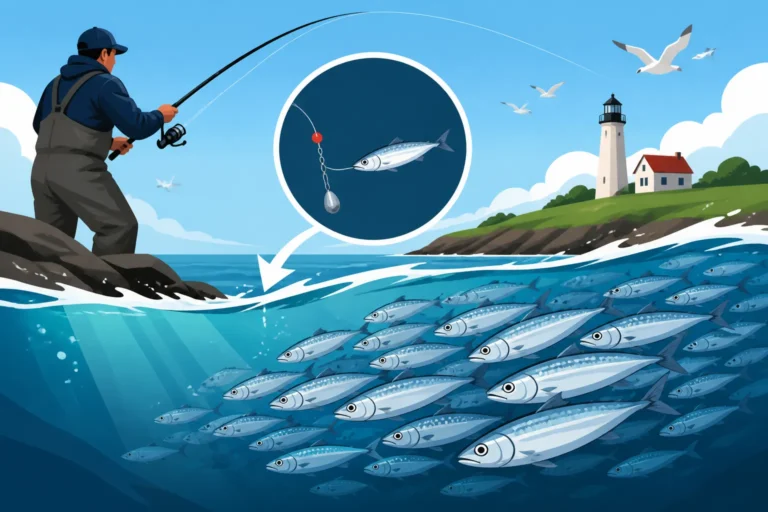
Striped bass are opportunistic predators, but they do have their preferences. In Massachusetts, their diet varies depending on the time of year and location, but generally includes a mix of baitfish like herring (alewives and bluebacks), bunker (menhaden), sand eels, and mackerel. They'll also feast on crabs, worms, and even squid when available. When you're fishing a particular beach or area, try to observe what local bait is present. Are there schools of small baitfish skittering on the surface? Are seabirds diving? This can give you a huge clue as to what the stripers are keying in on. Sometimes, they'll be focused on tiny sand eels, requiring a smaller, more subtle lure presentation, while other times they might be gorging on large bunker, demanding a bigger, heavier plug. The old adage "match the hatch" holds true even in saltwater surfcasting.
When They're Closest to Shore
Striped bass tend to move closer to shore during certain conditions and times, primarily driven by feeding opportunities and comfort. Low light periods—dawn and dusk—are prime times for surfcasting. The reduced visibility gives stripers an advantage over their prey, and they feel more secure venturing into shallower waters. Overcast days can extend these feeding windows. Strong tides, particularly the incoming and outgoing stages, also draw fish closer. These currents stir up the bottom and push baitfish, creating ideal feeding scenarios. After a storm, when the surf is still churned up, can also be incredibly productive, as dislodged food becomes readily available. However, they'll often hold in deeper troughs or around structure during bright midday sun, only venturing into the real shallow wash after sunset.
Essential Gear for Massachusetts Surfcasting
Surfcasting is a demanding sport, both on you and your equipment. The corrosive saltwater, the powerful casting required, and the sheer strength of a good striper mean you need reliable, purpose-built gear. Skimping here can lead to frustrating breakages and missed fish.
Rods and Reels for Surfcasting
When choosing a surf rod, you're looking for a balance of casting distance, backbone to fight fish, and sensitivity to detect bites. For most Massachusetts surfcasting, a rod between 9 to 11 feet is a great all-rounder. Longer rods, up to 12 or 13 feet, can offer exceptional casting distance, especially useful on wide-open beaches or when you need to reach beyond outer sandbars. Shorter rods, around 8 to 9 feet, are excellent for tighter spots like jetties or rocks where long casts aren't necessary, but maneuverability is key. Look for a rod with a moderate-fast action, which means it will load up well for casting but still have plenty of power in the butt section.
Paired with your rod, you'll need a robust spinning reel designed for saltwater use. Corrosion resistance is paramount, so look for models with sealed bodies and high-quality internal components. A reel size between 5000 and 8000 (or equivalent, depending on the brand) is typical, capable of holding 250-350 yards of 30-50 lb braided line. Popular choices often include models from Penn, Shimano, or Daiwa, renowned for their durability. While you can find cheaper options, investing in a good quality reel will save you headaches and money in the long run. Many anglers find great deals on reliable setups on platforms like Amazon.
Terminal Tackle and Accessories
Terminal tackle is where the rubber meets the road—or rather, the line meets the fish. For your main line, braided line is almost universally preferred by surfcasters due to its incredible strength-to-diameter ratio and lack of stretch, which means better casting distance and sensitivity. A 30 to 50 lb test braid is standard. You'll then want a leader of monofilament or fluorocarbon, typically 3 to 6 feet long, in the 40 to 80 lb test range. This provides abrasion resistance against rocks and teeth, and fluorocarbon offers excellent invisibility in water. Connect your braid to your leader with a strong knot like an FG knot or a double-uni.
Beyond lines and leaders, you'll need a range of swivels, snaps, and hooks. High-quality barrel swivels prevent line twist, and strong snap swivels make changing lures quick and easy. Circle hooks are often preferred when bait fishing to reduce gut-hooking, improving fish survival rates if you plan to release them. A good pair of pliers for removing hooks and cutting line is indispensable, as are a headlamp for night fishing, a sturdy knife, and a tape measure to ensure your catch meets the Massachusetts Striped Bass Slot Limit Explained. A surf bag, often worn over the shoulder, is essential for carrying your lures, spare leaders, and tools, keeping them organized and accessible as you move along the beach.
Waders and Essential Apparel
Don't underestimate the importance of proper attire when surfcasting in Massachusetts. Neoprene chest waders are a must-have, allowing you to venture into the chilly Atlantic waters to reach deeper cuts or get a better casting angle. Make sure they fit well and are patched if they have any leaks—nothing ruins a fishing trip faster than wet feet in cold water! Along with waders, durable wading boots with good grip are crucial for navigating slippery rocks and uneven bottoms.
Beyond waders, layers are your friend. Even on seemingly warm days, being out on the exposed coast, often before dawn or after dark, can get surprisingly cold and windy. A waterproof and windproof outer shell jacket is non-negotiable. Polarized sunglasses are excellent for spotting structure and fish in the water during daylight, and a wide-brimmed hat or baseball cap offers sun protection. Don't forget bug spray, especially during warmer months near marshy areas. Having the right clothing ensures you can stay comfortable and focused on fishing, regardless of what Mother Nature throws at you.
Top Baits and Lures for Stripers from the Beach
The debate over bait versus artificial lures rages on among anglers, but the truth is, both have their time and place in Massachusetts surfcasting. Knowing when to deploy which can significantly impact your success.
Live and Natural Baits
Sometimes, nothing beats the real thing. Live bait, when presented correctly, can be irresistible to a hungry striper. Live eels are perhaps the most famous and effective surf bait for large striped bass, especially at night. They're fished by casting them out and slowly retrieving, letting them swim naturally. Pogeys (menhaden) are another fantastic live bait, though often harder to cast from shore without specialized gear. They are usually fished on a large circle hook with minimal weight, allowing them to swim freely.
Natural dead baits also have their place. Chunks of fresh bunker, mackerel, or herring can be incredibly effective, particularly when fish are actively feeding on these species. These are usually fished on a fish-finder rig, allowing the bait to sit on the bottom while the line runs freely through a slider, which helps the fish take the bait without feeling immediate resistance. Clams and seaworms are excellent choices for tempting smaller stripers and schoolies, especially in sandy areas or after a storm has churned up the bottom. When using natural baits, always remember that freshness is key. The scent trail they leave is what attracts the fish, so using bait that's past its prime severely reduces your chances.
Artificial Lures for Different Conditions
Artificial lures give you more control over presentation and can cover a lot of water quickly. The key is to select lures that mimic the local forage and perform well in the prevailing conditions. For example, during rough surf conditions, heavier lures that can cut through the waves and stay in the strike zone are preferred. On calm nights, lighter, more subtle presentations might be more effective.
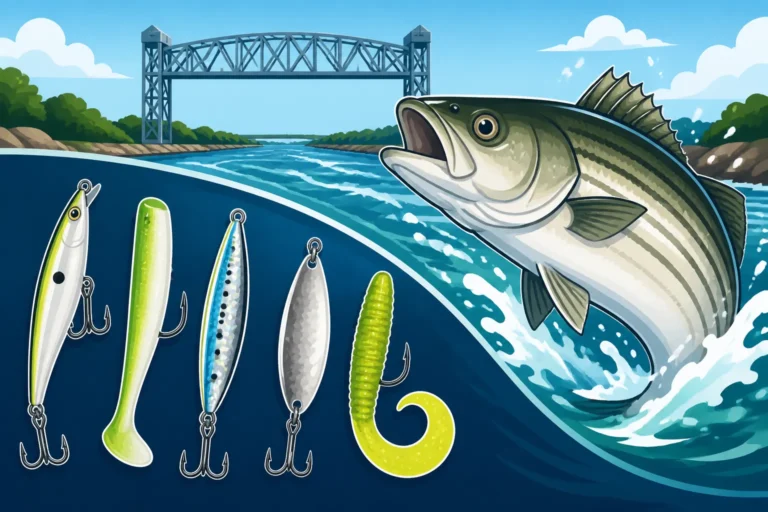
The type of lure you choose also depends on the depth you're targeting. Surface lures (poppers, walk-the-dogs) are thrilling when stripers are actively feeding on top. Subsurface swimmers (minnow plugs, needlefish) are excellent for targeting fish just below the surface or in the middle of the water column. Jigs and soft plastics work well for deeper water or when fish are hugging the bottom. Keep a variety in your Best Lures for Striped Bass in Massachusetts arsenal, and don't be afraid to experiment. Sometimes, a subtle change in color or retrieve can make all the difference. Many surfcasters stock up on their favorite lure brands and colors from online retailers like Amazon.
Essential Lure Types: Plugs, Soft Plastics, Jigs
Let's dive into some of the must-have artificial lures for surf fishing.
- Plugs: These hard-bodied lures come in many forms. Poppers create a commotion on the surface, mimicking a struggling baitfish—perfect for aggressive surface feeds. Think about classic models like the Cotton Cordell Pencil Popper. Danny Plugs and Bottle Plugs are wooden or plastic swimmers that dive just below the surface, creating a tantalizing wobble. Needlefish plugs are slender, often weighted, and mimic sand eels or slender baitfish. They excel in calm to moderate conditions, especially at night, requiring a steady retrieve. Renowned brands like Guppy Lures and Super Strike are often highly sought after by serious surfcasters.
- Soft Plastics: These are incredibly versatile and can mimic a wide range of baitfish. Paddle tails like the Albie Snax or Gravity Tackle GT Eel, when fished on a jig head, imitate swimming baitfish and create strong vibrations. Slug-Gos or other soft jerkbaits are fished weightless or lightly weighted, creating an erratic, dying baitfish action that stripers find irresistible. These are particularly effective in calmer water or when stripers are being finicky. The Z-Man HeroZ and similar offerings are incredibly durable due to their ElaZtech material, standing up to multiple fish attacks.
- Jigs: From Bucktail Jigs to lead head jigs with soft plastic trailers, these are workhorses for surfcasters. Bucktails are simple yet incredibly effective, especially when tipped with a pork rind or a soft plastic trailer. They can be bounced along the bottom or retrieved in a swimming motion, mimicking squid, crabs, or baitfish. Heavier jigs are essential for strong currents or deeper water, allowing you to get down to where the fish are holding without being swept away. Experiment with colors, but white, chartreuse, and natural baitfish patterns are always good starting points.
| Lure Type | Best Conditions | Retrieve Style | Target Depth | Primary Forage Mimicked |
|---|---|---|---|---|
| Poppers | Calm to moderate surf, low light | Erratic "pop" and pause | Surface | Struggling baitfish |
| Swimmer Plugs | Moderate surf, varied light | Steady retrieve, occasional twitch | Subsurface | Baitfish (mackerel, herring) |
| Needlefish | Calm to moderate surf, night | Slow, steady retrieve | Subsurface | Sand eels, slender baitfish |
| Soft Plastics | Varied, especially calmer water | Jigging, erratic retrieve, slow swim | Mid-water to bottom | Sand eels, crabs, various baitfish |
| Bucktail Jigs | Varied, good for strong current | Bouncing, swimming motion | Bottom to mid-water | Squid, crabs, baitfish |
Mastering Surf Fishing Techniques and Strategies
Beyond having the right gear and lures, knowing how to use them effectively is what separates the casual angler from the consistent catcher. Surfcasting requires a combination of skill, patience, and adaptability.
Casting Techniques for Distance and Accuracy
Casting distance is often crucial in surf fishing, as stripers can be holding beyond the first wave break. The overhead cast is the most common and often the easiest to master, delivering good distance with practice. For even more power and distance, the pendulum cast or modified pendulum cast allows you to generate incredible rod load and send lures flying. These casts require more technique and open space, so practice them safely away from other people.
However, accuracy is just as important, if not more so, than pure distance. Being able to place your lure into a specific rip, around a rock, or into a visible feeding lane dramatically increases your chances. Practice casting at targets in an open field to hone your accuracy. Learn to "feather" the line as your lure lands, stopping its momentum just before it hits the water. This prevents backlash, ensures a soft presentation, and allows you to immediately begin your retrieve in the desired spot. Remember, the goal isn't just to cast far, but to cast effectively.
Retrieving Lures Effectively
Once your lure hits the water, the retrieve begins. This is where you bring your lure to life, mimicking natural prey. Most lures have an ideal retrieve speed, but experimenting is key. For surface poppers, an aggressive "rip and pause" creates a splash and commotion, drawing attention. Walk-the-dog lures require a rhythmic rod tip twitching to create their side-to-side action. Swimmer plugs often do best with a slow, steady retrieve, letting their built-in wobble do the work.
Soft plastics and jigs offer the most versatility. You can slow-roll them along the bottom, jig them aggressively, or retrieve them with erratic twitches to imitate a wounded baitfish. Pay attention to how the lure feels through the rod; you want to feel it "working." If you're not getting bites, try changing your retrieve speed, adding pauses, or altering the rod tip's position. Sometimes, the fish want a fast, aggressive retrieve, and other times, a slow, methodical presentation is what triggers a strike. Never be afraid to try something different.
Fishing with Bait on the Bottom
While lure fishing is active and exciting, sometimes bait is the undisputed king, especially when targeting larger, less active stripers or when the water is murky. The most common setup for bait fishing from the surf is a fish-finder rig. This involves a sliding sinker (pyramid or Sputnik weights are popular for holding bottom in current) above a swivel, followed by a leader (typically 2-3 feet of 40-60 lb mono or fluorocarbon) and a hook. Circle hooks are highly recommended for bait fishing, as they are designed to hook the fish in the corner of the mouth, reducing deep hooking and increasing survival rates for released fish.
Cast your baited rig out and let it settle on the bottom. The sliding sinker allows the fish to pick up the bait and move off without feeling the weight of the sinker, giving you a better chance for a solid hookset. The key to bait fishing is patience. Set your rod in a sand spike, keep the drag set appropriately, and wait for a definite pull or the rod tip to start bouncing. Don't immediately snatch the rod; let the fish take the bait for a few seconds to ensure it's fully in its mouth before gently lifting the rod to set the circle hook. It's a different kind of thrill, but equally rewarding.
Reading the Beach and Tides for Striped Bass Success
One of the biggest differences between a lucky angler and a consistently successful surf caster is the ability to "read the beach." Understanding how water moves and interacts with the bottom structure is paramount to finding fish.
Identifying Productive Structure
Striped bass are ambush predators, and they love to hide and wait for prey. From the shore, you need to identify the features that provide these ambush points. Look for cuts and troughs – deeper channels that run parallel to the beach. These act as highways for baitfish and stripers. Scan the beach for areas where waves break, then reform, and break again; the area between the breaks is often a trough. Sandbars create rips and current breaks where bait gets disoriented. Look for areas where waves are "shouldering" or peaking before breaking, indicating a bar.
Jetties, rock piles, and submerged structures are absolute magnets for stripers. They provide cover, create current breaks, and attract crustaceans and baitfish. When fishing these areas, cast parallel to the structure, along the edges where current is moving. Pay close attention to any visible signs of current or turbulent water, as these are often where bait is concentrated. Learning How to Read the Surf for Striped Bass will dramatically improve your catch rates.
Understanding Tidal Influence and Currents
Tides are the lifeblood of surf fishing. Stripers use tidal currents to their advantage, conserving energy while waiting for food to be delivered to them. Generally, the moving tides (incoming and outgoing) are the most productive. The slack high or slack low tide often sees a slowdown in activity. The specific stage of the tide that works best can vary by location and even by the day. Some spots fish better on an incoming tide, pushing bait into estuaries or over submerged structures, while others excel on a falling tide, draining bait out of shallower areas into deeper channels.
Strong currents create rips and eddies, which are prime feeding zones. A good example is the How to Fish a Falling Tide at the Cape Cod Canal, where the powerful currents concentrate bait and bring stripers into predictable feeding patterns. Always consult a tide chart for your specific fishing location before heading out. Understanding the moon phase can also provide insight; new and full moons often bring stronger tidal swings, which can equate to more active feeding.
Interpreting Weather and Water Conditions
Weather isn't just about your comfort; it profoundly impacts fish behavior. Wind direction can be critical. An onshore wind often means bigger waves and a churned-up surf, which can be great for stripers as it disorients bait. However, too much wind can make casting difficult and uncomfortable. An offshore wind can flatten the surf, making for calmer conditions but sometimes pushing bait further offshore.
Water temperature dictates when stripers arrive and depart Massachusetts waters. They generally prefer water temperatures between 55-68°F. Too cold, and they'll be lethargic; too warm, and they'll seek deeper, cooler water. Water clarity also plays a role. While stripers will feed in turbid water, very clear, bright conditions can make them skittish and prone to feeding only under the cover of darkness. Overcast skies can extend feeding windows. Always take a moment to assess the conditions when you arrive at your spot, and adjust your tactics accordingly. Remember, having a valid Massachusetts Saltwater Recreational Fishing Permit Explained is crucial before you even start considering conditions.
Seasonal Considerations for Massachusetts Surf Fishing
Massachusetts offers excellent surf fishing for striped bass throughout much of the year, but the strategies and locations change dramatically with the seasons. Knowing when and where to focus your efforts is key to consistent success. This helps anglers understand Best Time of Year to Fish in Massachusetts.
Spring Migration and Early Season Opportunities
The first sign of spring brings an excited buzz to Massachusetts surfcasters. As water temperatures creep into the low 50s, the first wave of migratory striped bass begins to arrive, typically in late April or early May. These are often "schoolie" stripers—smaller, feisty fish that are hungry after their long migration north. The early season action often starts in the warmer, shallower estuaries, bays, and protected salt ponds. Places like the back bays of Cape Cod or the warmer reaches of Buzzards Bay can hold good numbers of these pioneering fish.
During this time, baitfish such as river herring begin their spawning runs, drawing stripers to river mouths and tidal creeks. Light tackle and smaller lures, like soft plastics on jig heads or small swimming plugs, are highly effective for these eager feeders. It's a great time to shake off the winter rust and enjoy some fast action, even if the fish aren't giants yet. As May progresses, larger bass begin to arrive, following schools of mackerel and bunker up the coast. The season officially kicks off in full swing in May, and knowing When striped bass season starts in Massachusetts is crucial for planning those first trips.
Summer Night Fishing and Dawn Patrol
Massachusetts summers can be a bit of a mixed bag for surfcasters. While there are plenty of stripers around, the bright sun and increased boat traffic often push the larger fish into deeper water or make them primarily nocturnal feeders. This is when night fishing truly shines. From dusk until dawn, big stripers will often move into the shallower surf zones, jetties, and rock piles, hunting for eels, squid, and larger baitfish. Large, dark-colored swimming plugs, needlefish, and live eels are prime choices for summer nights. You'll want to be well-prepared with a reliable headlamp and good wading boots for navigating the darkness.
Dawn patrol is also incredibly productive during the summer. As the sun just begins to break the horizon, stripers often make a final push into the shallow water to feed before retreating to deeper, cooler comfort. Topwater lures can provide exhilarating strikes during this low-light window. The famous beaches and rocky stretches of the outer Cape Cod, and the numerous surf fishing spots on Cape Cod, Massachusetts, often hold good numbers of fish throughout the summer, though they may require more dedication to find during daylight hours. Always be mindful of Massachusetts Recreational Fishing Rules and Bag Limits even during peak season.
Fall Run Frenzy
Ah, the fall run – the time of year every Massachusetts surf angler dreams about. From late August through November, a mass migration of striped bass, along with bluefish, begins to move south, staging along the Massachusetts coast before heading to their wintering grounds. This is when some of the largest stripers of the year can be caught from the surf. The fish are actively feeding, gorging themselves in preparation for their long journey, making them aggressive and willing to hit a wide variety of offerings.
The fall run is characterized by massive schools of baitfish—bunker, mackerel, herring, and sand eels—pushing south, and the stripers are hot on their heels. Look for diving birds, breaking bait, and actively feeding fish. The Cape Cod Canal, the outer Cape beaches, and rocky areas along the North Shore and South Shore become epicenters of activity. Big plugs, large soft plastics, and chunk bait can all be highly effective. The weather can be unpredictable, ranging from warm, sunny days to cold, blustery fronts, so layering your clothing is essential. This is the time to put in your hours, as the window can close quickly once the water temperatures drop too low. If you're serious about chasing the biggest stripers of the year, the fall run is not to be missed.
Disclaimer
The information provided in this guide is for general informational purposes only and is subject to change. Always consult the official Massachusetts Division of Fisheries and Wildlife (MassWildlife) or Division of Marine Fisheries (DMF) regulations for the most current rules, limits, and licensing requirements before engaging in any fishing activity. Fishing conditions, fish behavior, and regulations can vary, so local knowledge and up-to-date information are essential for a safe and successful trip.