When Massachusetts trout stocking starts in 2026
The anticipation leading up to trout stocking season in Massachusetts can be agonizing for anglers, often filled with uncertainty about when and where those eagerly awaited fish will be released. It's frustrating to plan your weekends around what you hope will be the prime time, only to miss out because the information wasn't clear or easy to find. This comprehensive guide will walk you through the typical patterns of MassWildlife's trout stocking, help you understand how to predict and track the 2026 schedule, and provide practical advice for maximizing your fishing success once those fresh fish hit the water.
Understanding the Annual Trout Stocking Cycle in Massachusetts
Massachusetts anglers live for trout stocking season, and for good reason. MassWildlife works tirelessly to enhance our freshwater fisheries, primarily through a robust stocking program that introduces thousands of brook, brown, rainbow, and sometimes tiger trout into ponds, lakes, and rivers across the state. While specific dates for 2026 aren't set in stone this far out, understanding the typical annual cycle is your best bet for preparing.
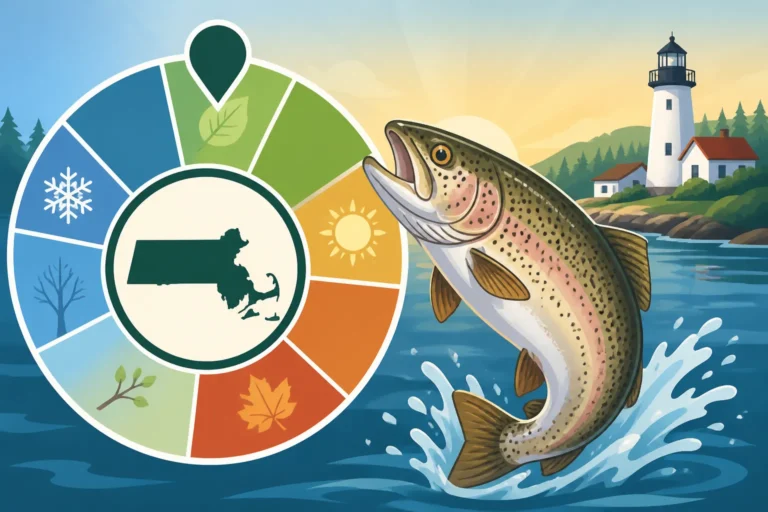
The program generally operates on two main schedules: the incredibly popular spring stocking period and a vital, though sometimes overlooked, fall stocking period. Each has its own characteristics, target species, and angling opportunities. The exact timing is always at the mercy of Mother Nature, as water temperatures and stream flows play a crucial role in ensuring the survival and spread of the stocked fish. This constant dance with the elements is precisely why predicting precise dates can feel like guesswork, but we're here to demystify it as much as possible.
The Spring Stocking Frenzy
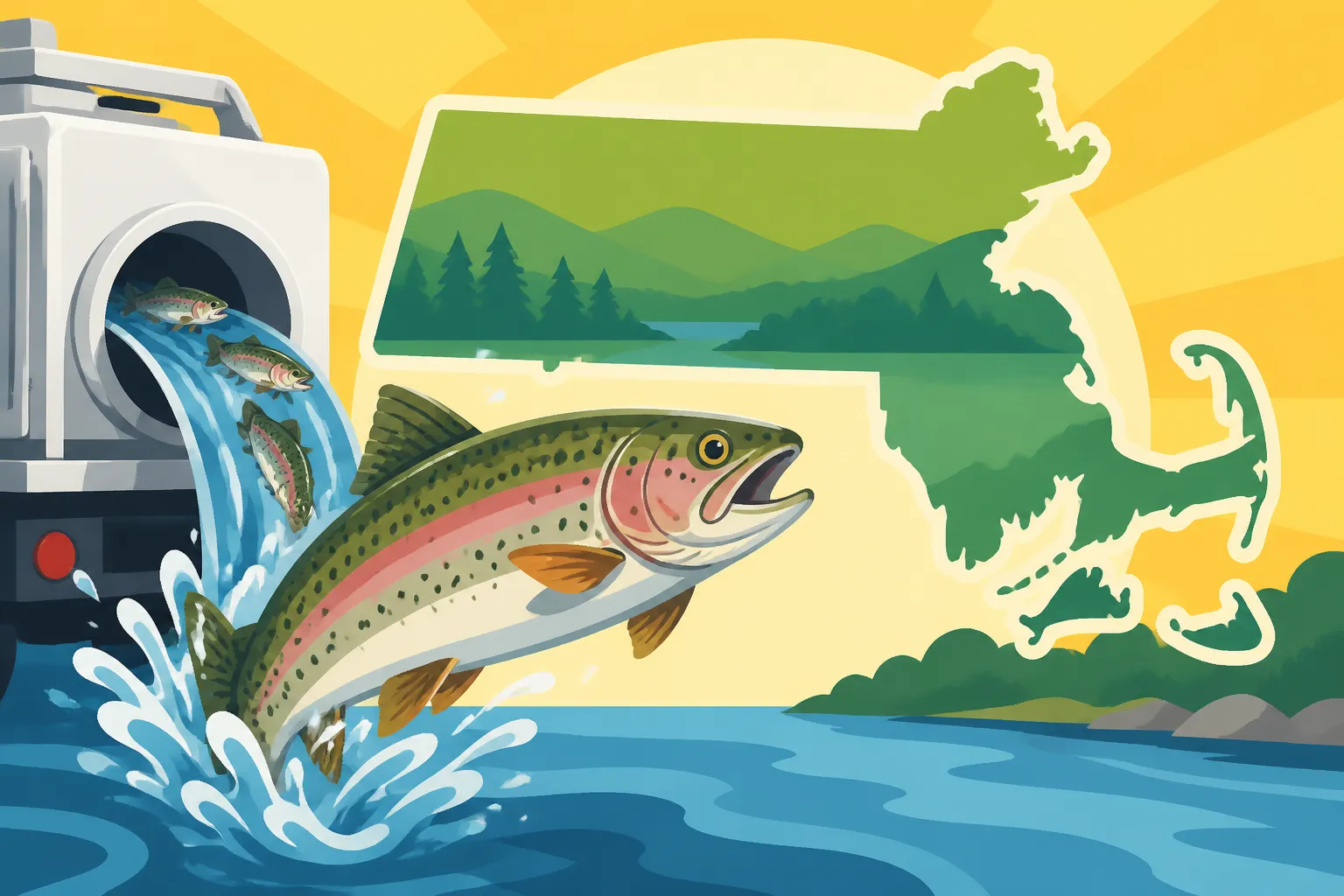
The spring trout stocking season in Massachusetts typically kicks off in late March and runs through late May, sometimes even into early June, depending on how quickly the weather warms up. This is when the vast majority of trout are released, transforming many of the state's public waters into prime fishing destinations overnight. Imagine waking up one crisp spring morning, checking the MassWildlife report, and seeing your favorite local pond or river suddenly listed as stocked – it's an exciting feeling that signals the real start of the fishing year for many.
The goal during this period is to provide ample opportunities for anglers of all ages and skill levels, especially families and those new to the sport, to experience the thrill of catching trout. MassWildlife strategically selects waters that are accessible, well-suited for trout survival in the cooler spring months, and capable of handling increased fishing pressure. These usually include a mix of larger lakes, smaller ponds, and numerous rivers and streams. While the focus is heavily on these popular spring releases, remember that these fish are often eager biters shortly after stocking, making it a fantastic time for action-packed fishing.
Fall Stocking for Extended Opportunities
While spring gets all the fanfare, the fall trout stocking program is a true gem for dedicated anglers looking to extend their season and enjoy cooler, less crowded conditions. This period typically begins in September and continues through October, occasionally even into November if conditions allow. The exact dates, much like spring, depend on ambient temperatures and water levels. Fall stocking is particularly appealing because the summer crowds have thinned out, the foliage is often spectacular, and the cooler water temperatures can make for incredibly active fish.
During the fall, MassWildlife often stocks larger "brood stock" trout – these are older, larger fish that have been retired from hatchery spawning operations. Catching one of these sizable trout can be a memorable experience, offering a significant fight. Many anglers find that fishing during the fall provides a more peaceful, serene experience, allowing them to truly connect with nature while still having excellent chances at a quality catch. This makes the fall season a fantastic time for those who prefer solitude or are looking for a bigger challenge with larger fish.
Winter Stocking and Special Programs
Beyond the main spring and fall efforts, MassWildlife sometimes conducts more localized or specialized stocking programs, particularly during the winter months for ice fishing. While not as widespread as the spring and fall pushes, these can be incredibly valuable for anglers seeking cold-weather opportunities. These releases often focus on waters that are known to freeze reliably and offer good public access for ice fishing.
Furthermore, some waters, especially larger reservoirs like the Quabbin Reservoir, might have specific stocking schedules for particular species like landlocked salmon, which adds another layer to the overall picture of trout and salmon management in the state. These programs are often designed for specific ecological or recreational goals and aren't always part of the broad, general trout stocking announcements, but they contribute significantly to the diverse fishing experiences available in Massachusetts. For those interested in the bigger picture, knowing about these specialized programs ensures you don't miss out on unique angling adventures.
Predicting When Massachusetts Trout Stocking Starts in 2026
While we can't give you a precise date for when MassWildlife's trout stocking will kick off in 2026, we can absolutely show you how to read the signs and stay informed. The key is to understand how the Massachusetts Division of Fisheries and Wildlife (MassWildlife) operates and how they communicate their plans. They don't just pick a random Tuesday; their schedule is meticulously planned but remains flexible due to environmental factors.
Think of it like forecasting the weather – you know spring will bring warmer temperatures, but the exact day a heatwave starts is unpredictable until closer to the event. The same goes for trout stocking. The spring stocking usually starts once ice-out is complete on most water bodies and water temperatures begin to rise but are still cool enough to ensure the trout's health. For fall stocking, it's the opposite: they wait for water temperatures to drop significantly after the summer heat. This careful consideration is vital for the success of the stocking program and the well-being of the fish.
Analyzing Historical Stocking Patterns
The best way to anticipate 2026 is to look at how MassWildlife has operated in previous years. Their pattern is quite consistent year after year, with slight adjustments based on weather. Typically, the spring stocking season for the majority of the state begins somewhere in the last week of March or the first week of April. This is when the first batch of fish, often smaller, feisty rainbows and brookies, hit the more accessible ponds and streams. Then, it continues steadily through May, with different areas and larger fish often making appearances as the season progresses.
For fall, you can usually expect the first reports to start coming out in mid to late September. Again, this schedule is heavily influenced by how quickly the summer heat recedes and water bodies cool down to suitable temperatures for trout. By studying past years' MassWildlife stocking reports, which are usually archived on their website, you can get a very good feel for the rhythm and flow of the statewide stocking effort. This historical data provides an invaluable roadmap for predicting the general timing for the upcoming 2026 seasons.
The Role of Water Temperature and Weather Conditions
Water temperature is arguably the most critical factor influencing trout stocking dates. Trout, especially those raised in hatcheries, are sensitive to sudden changes in water temperature and quality. If waters are too warm, the stress of stocking can be detrimental to the fish, leading to high mortality rates. This is why MassWildlife monitors conditions closely, often holding off on stocking if an unexpected warm spell hits in early spring or if fall temperatures remain stubbornly high.
Heavy rainfall can also delay stocking schedules. Flooded rivers and streams can make access difficult for stocking trucks, and rapidly flowing, turbid waters are not ideal for newly released fish to acclimate. Conversely, drought conditions can lead to low water levels and higher temperatures, also necessitating delays. So, as you look toward 2026, keep an eye on long-range weather forecasts. A mild, early spring might mean an earlier start to stocking, while a cold, lingering winter could push it back a week or two. It's a delicate balance that MassWildlife manages with great care to ensure the best outcome for both the fish and the anglers.
Staying Informed: Your Go-To Sources for 2026 Stocking Dates
For any serious angler, staying on top of the latest trout stocking information is paramount. You don't want to miss that crucial window when the fish are fresh and eager to bite. While general predictions are helpful, getting the exact, real-time updates from MassWildlife is what really makes a difference. Fortunately, MassWildlife provides several excellent resources to keep anglers in the loop, ensuring you have the most up-to-date information at your fingertips.
It's tempting to rely on rumors or second-hand information, but for the most accurate details, always go straight to the source. The agency understands the excitement surrounding these releases and strives to make the information as accessible as possible. This proactive communication means you won't be left guessing or frantically searching online for crumbs of data. They aim to empower anglers with the knowledge needed to plan their trips effectively, which is a huge benefit for anyone looking to hit the water soon after a fresh batch of trout has been released.
MassWildlife's Official Weekly Stocking Report
Your absolute best resource for tracking trout stocking in Massachusetts is the official MassWildlife Weekly Stocking Report. This report is updated regularly throughout the spring and fall stocking seasons, providing details on which ponds, lakes, and rivers have been stocked, along with the species and approximate numbers of trout released. This isn't just a general announcement; it's a specific, detailed list that can guide your fishing plans week by week. You can find this invaluable report directly on the MassWildlife website. It's often the first place anglers check when planning their next outing, and for good reason—it's the most reliable source available.
I can't stress enough how important it is to check this report regularly once the season begins. A quick check on your phone or computer can save you a wasted trip and direct you to the hottest spots. It’s also crucial to remember that while the report provides details, fishing success still depends on your skill and local knowledge. But knowing where the fish are is half the battle! You can often sign up for email notifications from MassWildlife as well, so the report lands directly in your inbox as soon as it's published. This is a game-changer for those who want to be among the first to know.
Utilizing Social Media and Email Newsletters
In today's connected world, MassWildlife also leverages social media platforms and email newsletters to disseminate stocking information rapidly. Following MassWildlife on their official social media channels, such as Facebook or Twitter (or X, as it's now known), can provide instant updates and sometimes even photos or videos from stocking efforts. These platforms are often used for quick announcements, changes to schedules, or reminders about general fishing regulations. While they might not provide the granular detail of the weekly report, they are excellent for getting timely alerts.
Additionally, signing up for the "Go Fish MA!" email newsletter is highly recommended. This newsletter typically provides a broader overview of fishing news, conservation efforts, and, most importantly, alerts when new stocking reports are available. It’s a convenient way to stay passively informed without having to constantly check the website. Between the weekly report, social media, and email alerts, you’ll have a robust system for knowing exactly when and where MassWildlife is stocking trout in 2026. This multi-channel approach ensures that no matter how you prefer to get your news, you'll be well-covered.
Preparing for Success After Trout Stocking
Once you've got the inside scoop on when and where trout have been stocked, the real fun begins: planning your trip! But simply knowing where the fish are isn't enough; maximizing your chances of a successful and enjoyable outing requires a bit of preparation and understanding of how newly stocked trout behave. These fish, fresh from the hatchery, often exhibit different feeding patterns and behaviors compared to wild, stream-bred trout.
Getting your gear ready, understanding the best techniques, and being mindful of the conditions are all key components of a productive fishing trip. It’s a perfect opportunity to try out new lures or baits, and it’s especially rewarding for younger anglers or beginners, as stocked trout tend to be more aggressive and easier to catch in the days immediately following their release. Don't forget that you'll need a Massachusetts Fishing License Guide to fish legally, and understanding the Massachusetts Recreational Fishing Rules and Bag Limits is always essential before you cast your line.
Essential Gear and Lures for Stocked Trout
When targeting recently stocked trout, your gear doesn't need to be overly complicated. A light to medium-light spinning rod and reel combo, spooled with 4-6 pound test monofilament or fluorocarbon line, is usually ideal. These trout aren't typically giants, so lighter tackle provides more sport and ensures a more enjoyable fight. You can find excellent, affordable setups for all ages on platforms like Amazon.
As for lures and baits, the beauty of stocked trout is their willingness to strike a variety of presentations. Here's a quick rundown of top performers:
- PowerBait & Dough Baits: These scented, moldable baits are incredibly popular and effective. They float, keeping your hook off the bottom, and come in a dazzling array of colors and scents.
- Worms: Good old nightcrawlers or mealworms, fished under a bobber or on the bottom, are always a reliable choice.
- Small Spinners: Lures like Panther Martins, Mepps, or Rooster Tails in sizes #0 to #2 are deadly. Their flashing blades and vibrant colors mimic fleeing baitfish, triggering aggressive strikes.
- Spoons: Tiny Kastmaster or Little Cleo spoons, especially in silver, gold, or brass, are great for casting and retrieving.
- Small Jigs: Marabou jigs or tiny soft plastics can also be effective, especially when fished slowly.
For those who prefer a more classic approach, check out our guide on the Best Bait for Trout Fishing in Massachusetts. Remember, these hatchery-raised fish are accustomed to pellets, so brightly colored, scented offerings often work wonders as they transition to natural foods.
Effective Techniques for Recently Stocked Waters
Once you’ve got your gear, employing the right techniques will seal the deal. Remember that stocked trout are often disoriented and hungry after their journey from the hatchery, making them relatively easy to catch in the days immediately following stocking. However, fishing pressure will often make them warier quickly.
- Still Fishing: This is perhaps the simplest and most effective method. Rig your PowerBait or worm on a small hook with a sinker just heavy enough to hold it on the bottom, or use a bobber to suspend your bait at various depths. This allows the fish to come to your bait, which is often successful for less active fish.
- Cast and Retrieve: For artificial lures like spinners and spoons, a slow to medium retrieve is usually best. Experiment with retrieve speed and pauses. Often, a subtle change can trigger a strike. Casting near structure, like fallen trees or weed lines, where trout might seek cover, can also be very productive.
- Fan Casting: If you're fishing from shore, fan casting – casting to different spots in a fan-like pattern – allows you to cover more water and locate where the fish are congregating. Trout don't always disperse immediately, so they might be grouped in certain areas.
- Early Bird Gets the Worm: The periods right after sunrise and just before sunset are often the most productive. These are typically times when trout are more active and feeding. Also, being among the first to hit a newly stocked pond can yield excellent results before the fish become educated by heavy fishing pressure. Our guide on the Best Time of Day to Catch Stocked Trout in Massachusetts provides more insights into this.
Catch and Release Considerations and Conservation
While stocked trout are primarily intended for harvest, practicing responsible angling, especially if you're not planning to keep your catch, is still important. If you’re targeting fish for catch and release, consider using single, barbless hooks to minimize harm. Handle fish gently with wet hands, and release them quickly. Even stocked fish contribute to the ecosystem, and treating them with respect is part of being a good steward of our natural resources.
It’s also crucial to be mindful of the daily catch limits set by MassWildlife. These limits are in place to ensure sustainable fishing opportunities for everyone. For detailed information on these regulations, especially concerning specific species or water bodies, refer to the official Massachusetts Freshwater Daily Catch Limits. By adhering to these guidelines, you help preserve the quality of fishing for future generations and contribute to the ongoing success of MassWildlife’s stocking programs. Responsible angling ensures that the excitement of trout stocking continues year after year.
| Stocking Period | Typical Start | Typical End | Primary Species | Key Factors |
|---|---|---|---|---|
| Spring | Late March | Late May | Rainbow, Brook, Brown, Tiger | Water temperature, ice out, accessibility |
| Fall | September | October | Rainbow, Brook, Brown, Brood Trout | Water temperature cooling, reduced crowds |
| Winter | December | February | Panfish, Trout (select waters) | Ice thickness, specific water body designation |
Important Reminders for Your Massachusetts Fishing Adventure
As you get ready for the exciting 2026 trout stocking seasons in Massachusetts, a few crucial reminders will ensure your trips are not only successful but also safe and compliant with state regulations. These aren't just rules; they're guidelines designed to protect our fisheries and ensure everyone can enjoy the fantastic angling opportunities Massachusetts has to offer. Ignoring them can lead to disappointment or, worse, penalties.
Always remember that fishing is an outdoor activity, and preparedness is key. From knowing the local rules to having the right gear and being aware of your surroundings, a little foresight goes a long way. The spirit of fishing in Massachusetts is about enjoying nature, challenging yourself, and sharing the experience responsibly.
Licensing and Regulations
Perhaps the most critical step before even thinking about what bait to use is ensuring you have the proper licensing. In Massachusetts, anyone 15 years of age or older needs a valid fishing license to fish in freshwater. This includes fishing for trout, even if you plan on catch-and-release. You might be wondering, Do Kids Need a Fishing License in Massachusetts? – generally, those under 15 are exempt. For trout fishing specifically, a standard freshwater fishing license covers all species.
It's also essential to carry proof of your license while fishing, whether it's a physical copy or a digital version on your phone. Beyond the license, familiarize yourself with the statewide and any specific water body regulations, including daily bag limits and size restrictions for trout and other species you might encounter. These rules are put in place for conservation, ensuring that fish populations remain healthy for years to come. MassWildlife's regulations pamphlet is available online and at license vendors, providing comprehensive details on all relevant rules.
Safety First on the Water
Fishing, especially in early spring or late fall, can expose you to variable weather conditions. Always dress in layers, and be prepared for sudden changes in temperature. Cold water temperatures can be dangerous, so if you're fishing from a boat or kayak, always wear a life jacket, even on calm days. Hypothermia can set in quickly if you accidentally fall into cold water.
If you're fishing from shore, be aware of your footing, especially near slippery rocks or steep banks. Inform someone of your fishing plans, including where you're going and when you expect to return. This simple safety measure can be life-saving in an emergency. Being aware of your surroundings and taking common-sense precautions ensures that your focus can remain on the joy of fishing rather than preventable risks.
Supporting Massachusetts's Fisheries
Every time you purchase a fishing license in Massachusetts, you're directly contributing to the very programs that make trout stocking possible. The funds generated from license sales are reinvested into fish and wildlife conservation, habitat management, public access development, and, of course, the hatchery operations that raise and stock trout. This self-sustaining model is vital for maintaining the quality of fishing opportunities across the state.
By participating responsibly, following regulations, and even introducing new anglers to the sport, you become an active part of this conservation effort. It's a fantastic way to give back to the hobby that brings so much enjoyment to so many. So, as you anticipate the 2026 stocking season, know that your passion for fishing plays a direct role in keeping Massachusetts waters vibrant and teeming with fish.
Disclaimer
Please note that while this guide provides comprehensive information based on typical patterns and MassWildlife's historical practices, specific trout stocking dates for 2026 are subject to change based on weather, water conditions, and operational decisions by the Massachusetts Division of Fisheries and Wildlife. Always consult the official MassWildlife website and their weekly stocking report for the most current and accurate information. Fishing regulations can also change, so it's your responsibility to stay informed about current rules and obtain all necessary licenses before fishing.